How We Fix It
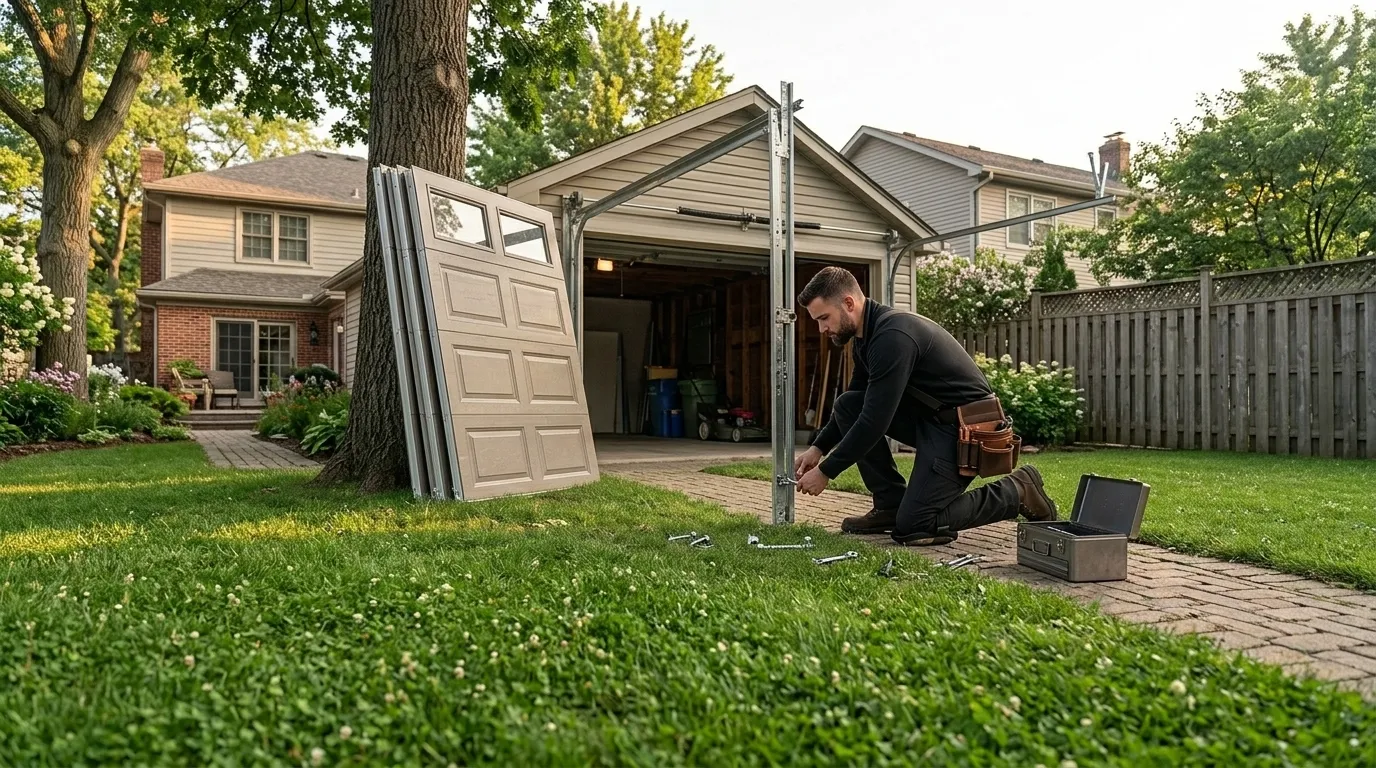
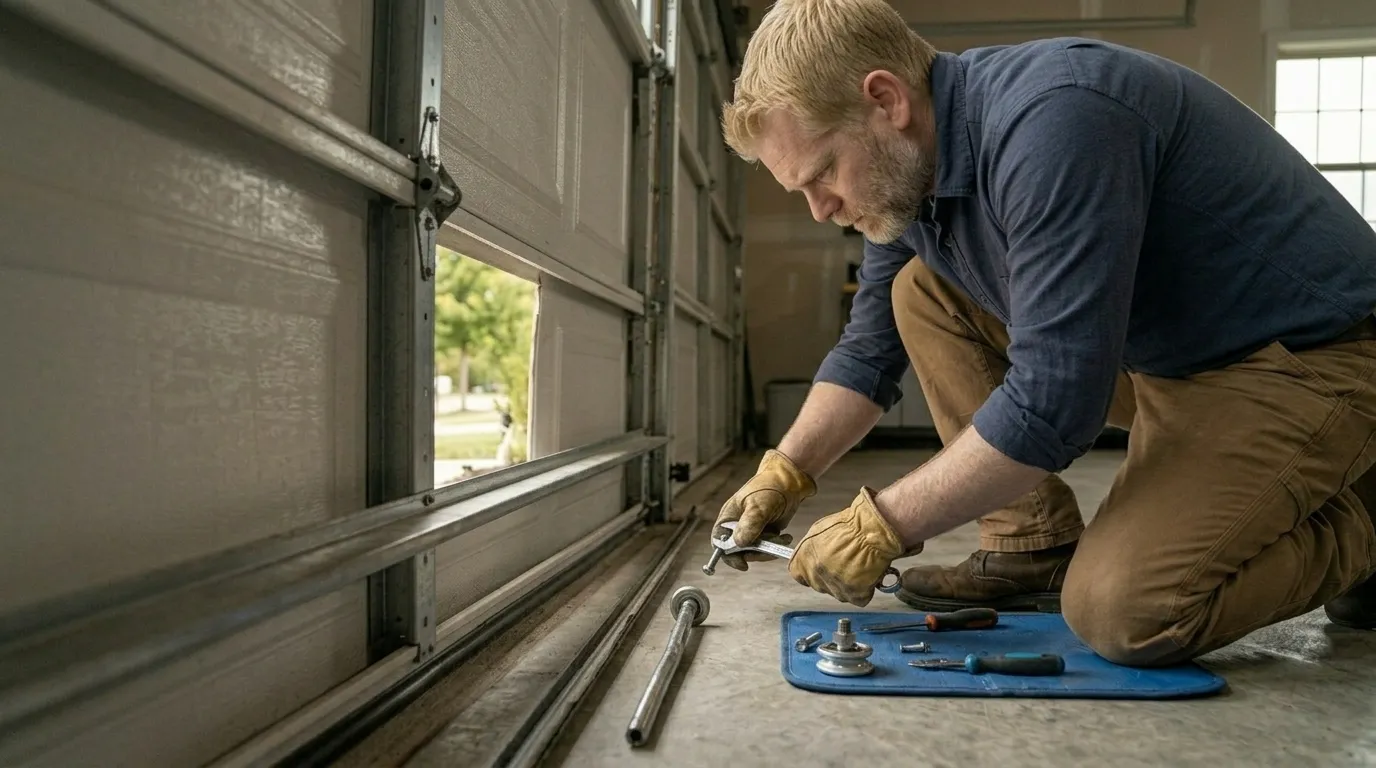
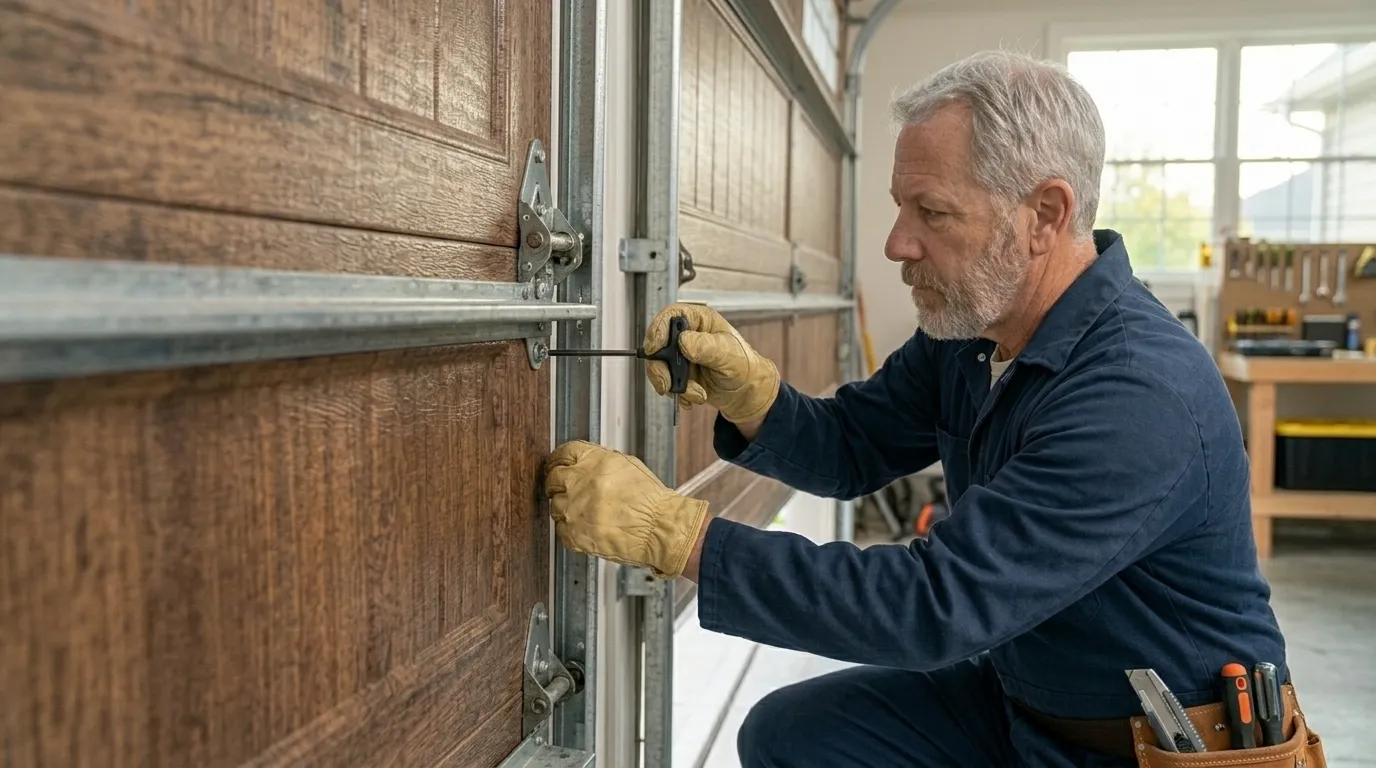
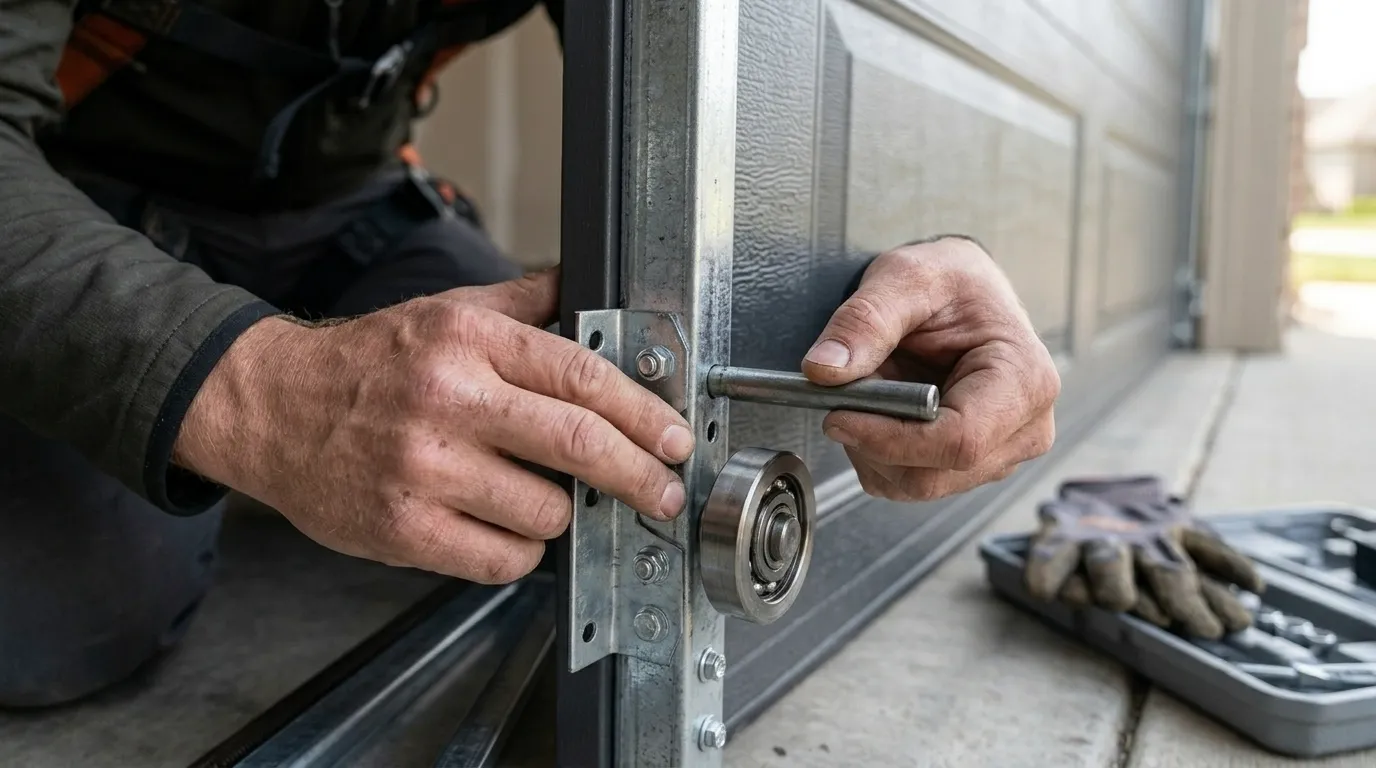
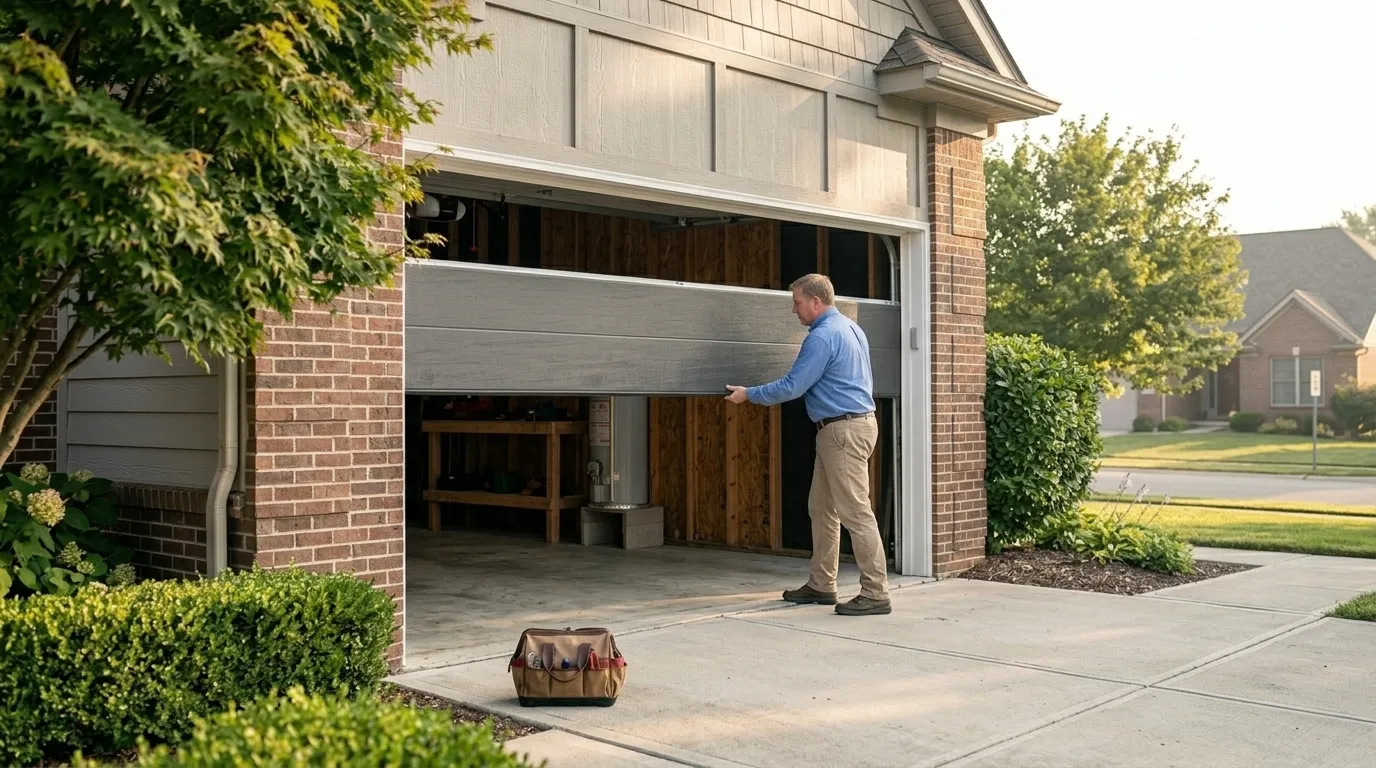
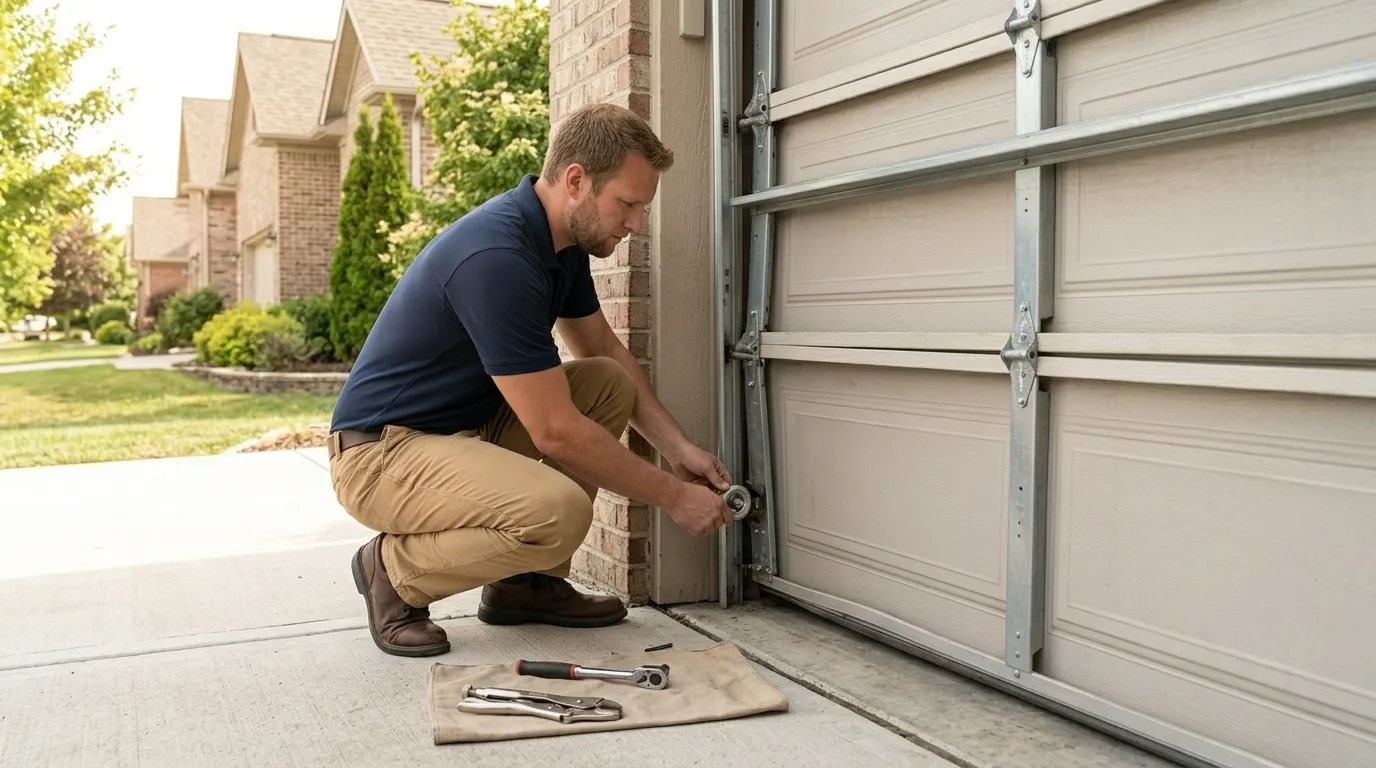
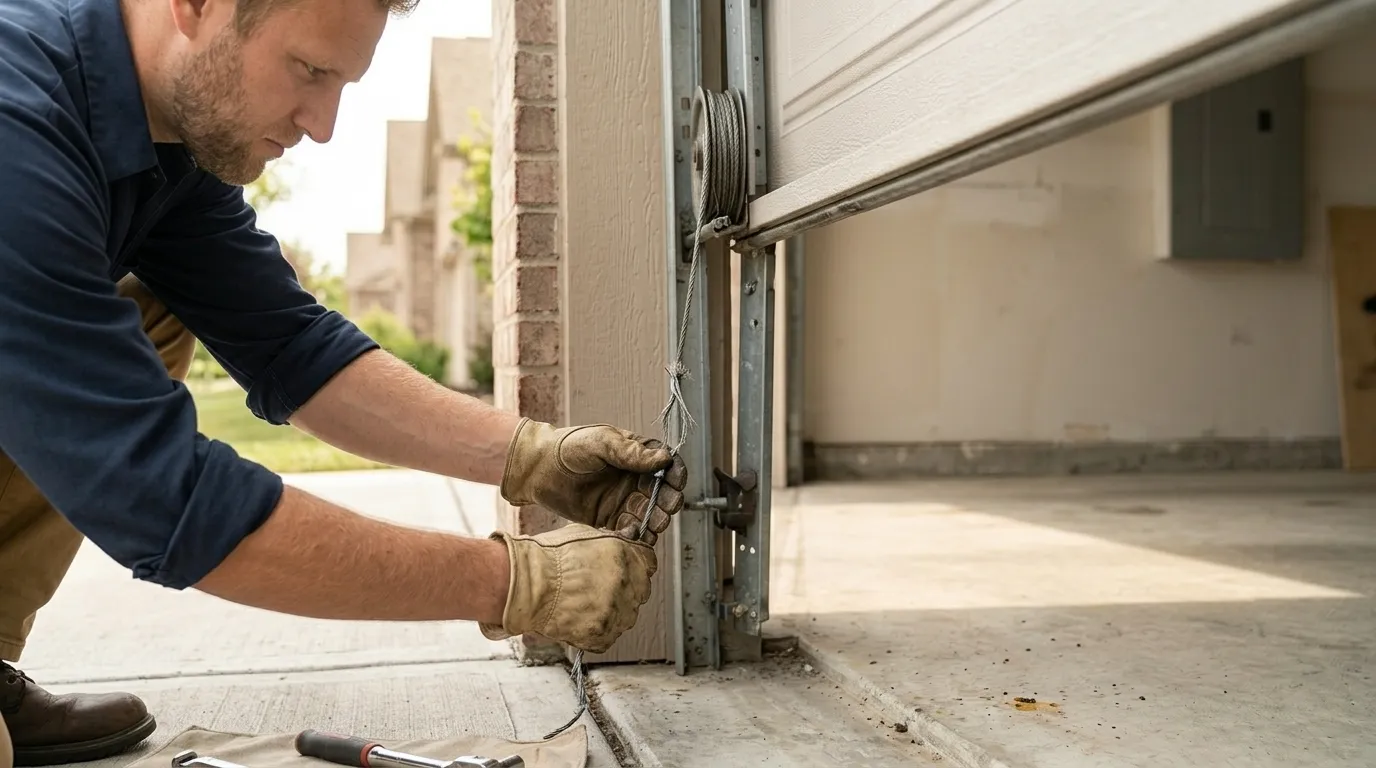
Most calls start the same way: one panel is dented, cracked, or rusted through while the rest of the door is fine. If the door is a common style still in production, we can usually source a matching single panel and swap it in without touching the rest of the section - same color, same ribbing, same hardware spacing. That keeps the job to an hour or two of labor plus whatever the panel costs to bring in.
Where it gets harder is discontinued colors and older embossing patterns. A lot of doors across this service area are old enough that the exact panel profile isn't made anymore, even if the manufacturer is still around. When that happens we're honest about it: we'll tell you if a patch-panel is going to look mismatched, and let you decide whether that's fine or whether it's time to do the whole section, or the whole door.
With median household income across the service area near $91,819, a fair number of owners choose to replace a full section rather than live with a visibly mismatched patch. We don't push that decision either way - it's your garage, your budget. We just lay out what the two options actually cost and let you pick.
One limitation worth saying up front: we don't stock every panel style on the truck. Special-order panels can take longer to land than the labor to install them, and that wait is on the supplier's schedule, not ours.
How Long You Are Without the Door
If a matching panel is in stock with a local supplier, the door is usually back together the same day we're on site - the work itself is straightforward once the part is in hand. The wait, when there is one, is almost never the installation. It's sourcing the exact panel.
Older doors, especially ones dating back toward the 1960s and 70s build era that a lot of this area's housing falls into, are the ones most likely to need a special order. Newer doors from major manufacturers tend to have panels sitting on a shelf somewhere close by.
We won't quote you a specific turnaround here because it genuinely depends on what's broken and what's still made. What we will say: a door with one damaged panel is still a functioning door in the meantime in most cases, unless the damage has knocked the panel out of its track or bent the section badly enough to bind. If that's happened, we'll tell you on the first visit whether it's safe to keep opening and closing it while parts are on the way, or whether it needs to sit until the panel arrives.
How It Shows Up
The most common version is a bottom panel with rust starting at the seam, usually where road salt spray and snowmelt sit against the steel longest. It starts as bubbling paint and turns into a soft spot you can push a finger through if it sits a season or two.
Second most common is a cracked or bowed panel from an impact - a car bumper, a bike, ice sliding off a roof onto a door that's parked open. On the older steel common to houses built in the 1960s and 70s, a hit that would dent a modern insulated door can crack the skin clean through, because the metal is thinner and there's no foam backing to absorb it.
A third pattern is less obvious: seams that have opened up between panels on a door that's otherwise intact. That's usually the freeze-thaw cycling working on the fasteners over years, not any single event. If you're seeing daylight between two panels or a section that doesn't sit flush anymore, that's a panel-and-hardware job, not a fresh coat of paint.