
Where We Drive From Newark
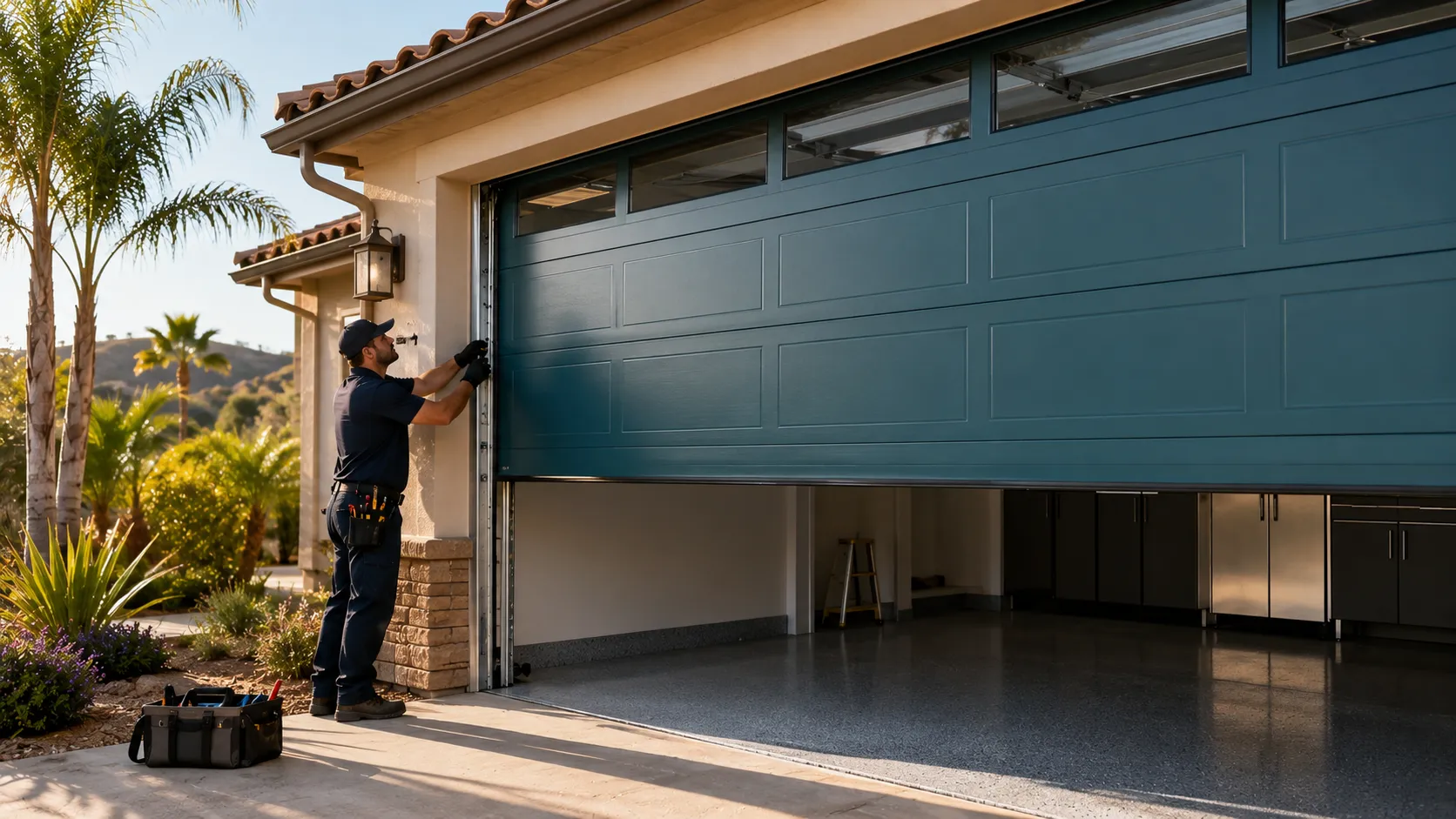
We run calls out of Newark to Heath, Granville, Hebron, and a dozen other towns within a twenty-mile ring, matching repairs to each area's 1960s-70s housing stock.
Newark-area neighborhoods & nearby communities we cover
Nearby communities
What Gets Built Around Here
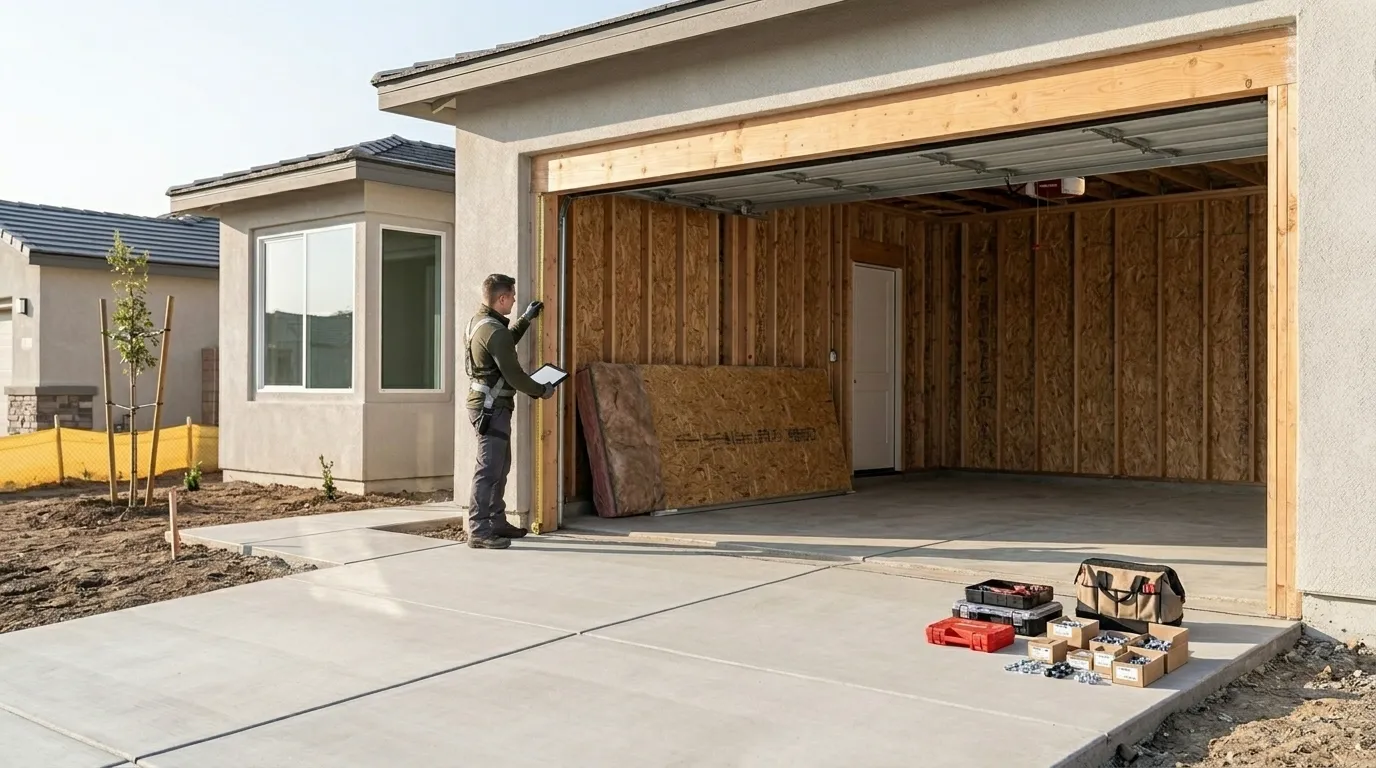
Newark and the towns around it grew up in roughly the same stretch of time. Across the sixteen communities we work in, most of the housing dates to the 1960s and 70s, even though the wider range of construction across the area runs from 1938 to 2005, with 1976 as the rough midpoint. That matters more than it sounds like it should, because a garage door built during that wave usually came with the same handful of opener brands, the same spring sizes, and the same track hardware.
Heath and Granville, both four miles out, sit closest to Newark and share that same construction era almost house for house. Granville South adds another six miles and Hebron sit at eight, and Buckeye Lake land at ten. Farther out runs to twelve to thirteen to fourteen, Johnstown to fifteen both sit at sixteen. is eighteen miles, New Albany nineteen, the farthest, sits at twenty. Distance changes drive time, not what's behind the door - a 1968 house in a 1968 house in Heath were built with the same parts catalog.
What does change, area to area, is exposure. A door on an older torsion setup that's sat through decades of cold-band winters wears differently than one installed in the newer end of that 1938-2005 range.
How a Call Goes
When someone in one of these sixteen towns calls, the first thing we ask is the age of the house, or at least the neighborhood it's in, because that tells us more than the symptom does. A door that won't open in a house from the 1960s-70s wave is very often a spring problem before it's an opener problem - that generation of hardware has had fifty-plus winters to fatigue.
We travel out from Newark for every call in the service area, so we're not sitting in Hebron or Buckeye Lake waiting on the next job. That means we ask enough on the phone to bring the right spring size and the right roller stock the first time, instead of a second trip.
Once we're on site, we look at the whole system, not just the part that failed. A cable that's frayed on a 1970s door usually means the drum or the opposite cable isn't far behind, especially with the cold-band winters this area gets. We'll tell you what's actually failing and what's just old, and we won't replace a part that still has life in it.
One limit worth saying plainly: we don't stock every opener model built since the 1930s. Some of the oldest units in the 1938-2005 range use parts nobody makes anymore, and on those, replacement is honest advice, not an upsell.
What It Costs and Why
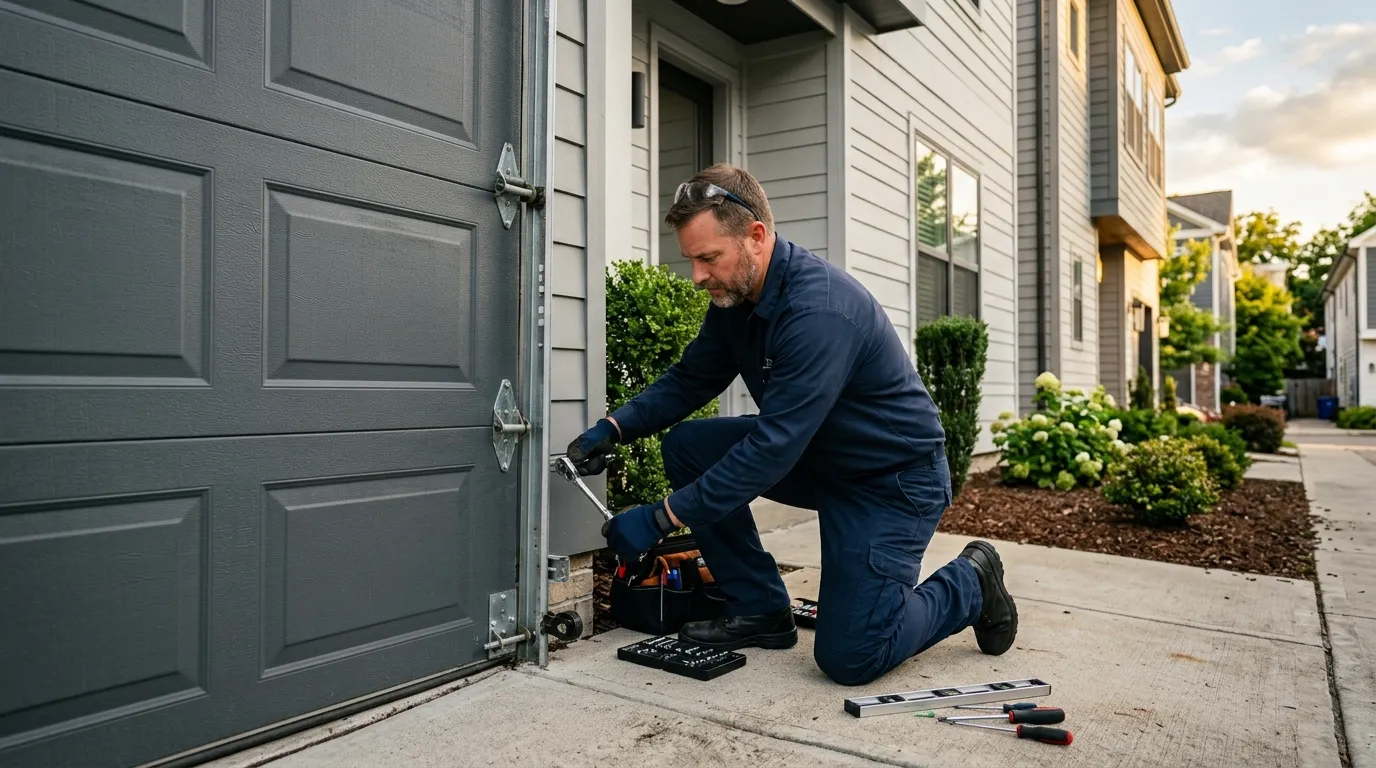
We're not going to put a number here that doesn't hold up town to town, because it wouldn't be honest - a repair on a 1976-era torsion system costs differently than swapping a full opener on a newer install, and the parts on hand that day matter too. What we can tell you is what drives the cost either way.
Age is the biggest factor. Houses across this area were built between 1938 and 2005, with most of the stock landing in the 1960s and 70s, and older systems more often need obsolete parts sourced or a full hardware swap rather than a single-part fix. The cold-band climate here is the second factor - repeated hard winters fatigue springs and cables faster than a milder climate would, which shows up as more frequent spring jobs across the service area's roughly 25,638 households and 15,101 owner-occupied houses.
Income isn't a cost driver, but it's worth mentioning: the median household income across this area is $91,819, and most of what we see reflects people maintaining a house they plan to stay in, not flipping it. That tends to mean repair over replace when repair still makes sense, and we price accordingly rather than pushing a new door on a torsion system that just needs new springs.
What to expect
Frequently asked
Straight answers about garage door repair in Newark. Still unsure? Ask us directly.
Why do older Newark-area homes need bigger springs than they were built with?
A lot of houses from the 1960s and 70s originally had lighter, uninsulated steel doors. Over the years many owners added insulated replacement doors or retrofit insulation kits without upsizing the torsion spring to match, so the spring works harder than it was sized for and fails sooner.
Do you cover Heath and Granville, or just Newark itself?
We run calls throughout the area, including Heath and Granville about 4 miles out, and further towns like Hebron, Buckeye Lake. Distance from Newark runs from a few miles up to about 20, depending on the town.
Why won't you give a flat price over the phone?
Two doors that sound identical over the phone often aren't once we're looking at the hardware - insulation weight, existing damage, and spring size all change the parts and labor needed. We diagnose on site and quote before starting any work.
Is it ever better to replace than repair?
Yes. If a door is old enough that a second part is likely to fail soon after the first, or if rust and structural wear go past the point spot repair can fix, we say so rather than patch something that won't hold up through another cold winter.
Ready to get your garage door sorted?
Tell us what it’s doing and where you are in Newark - we’ll take it from there.