How We Fix It
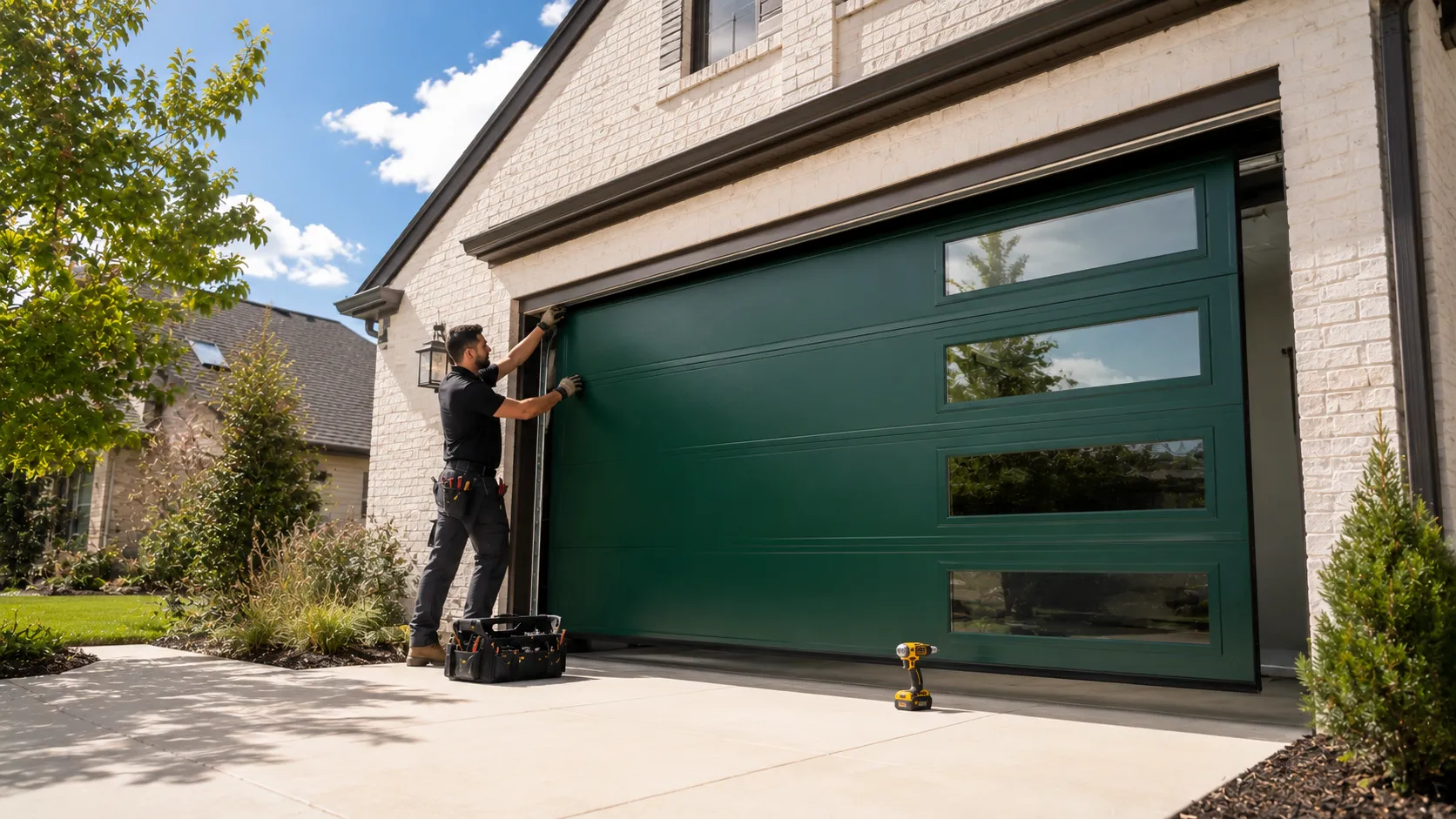
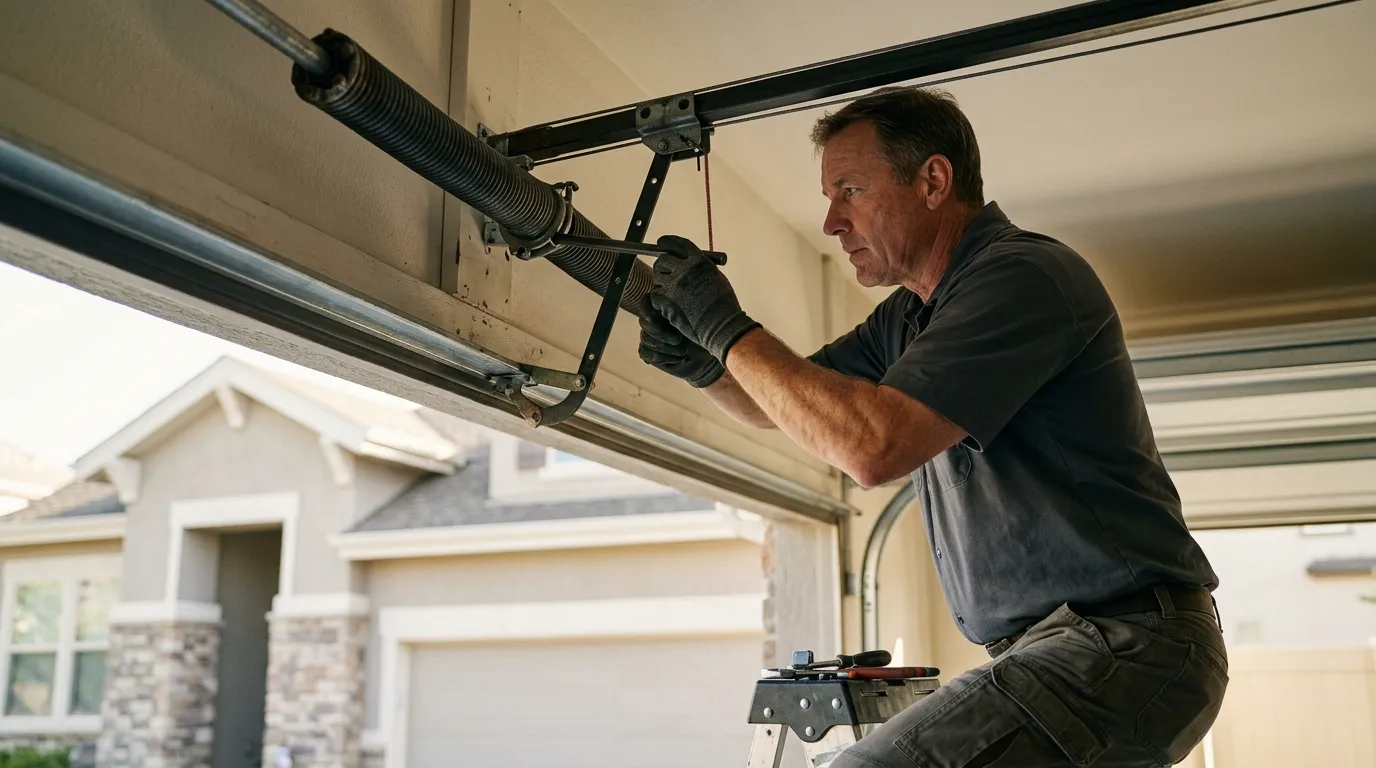
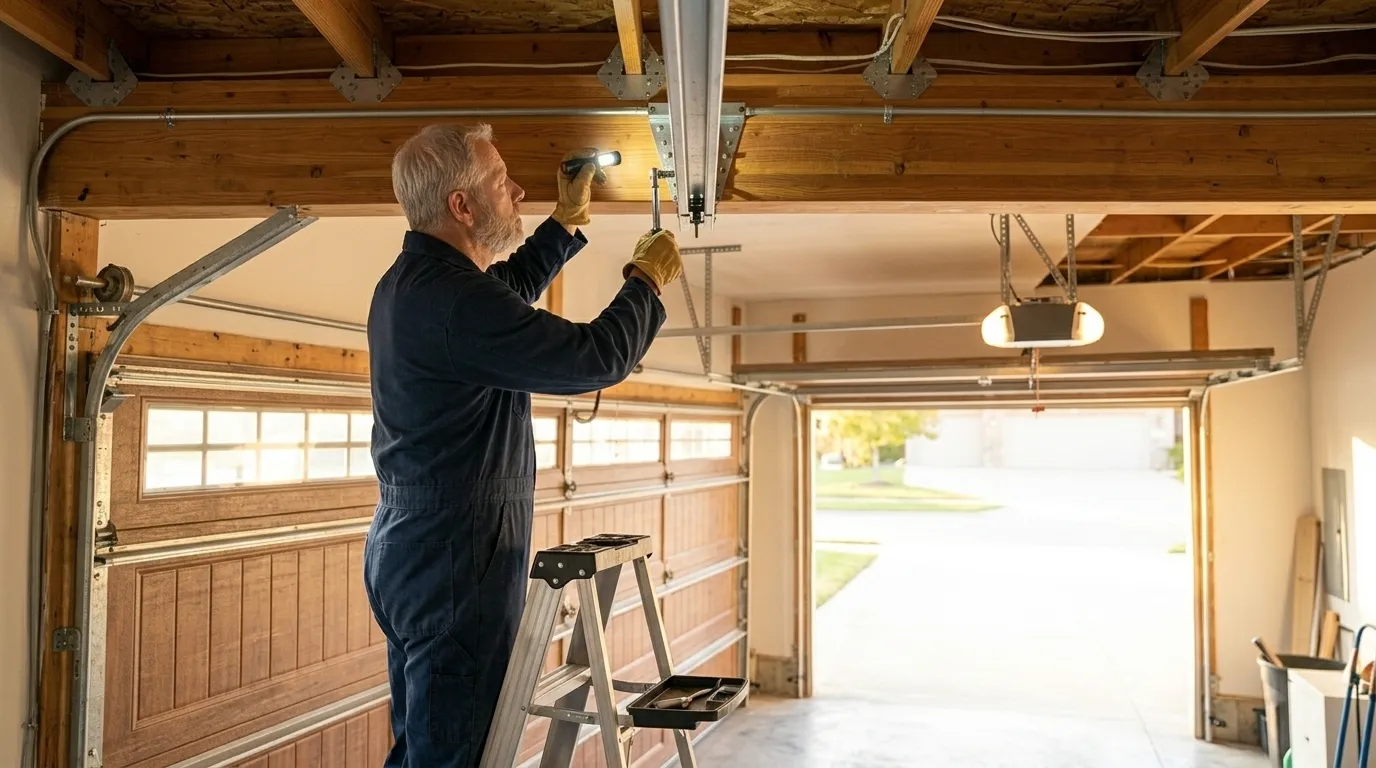
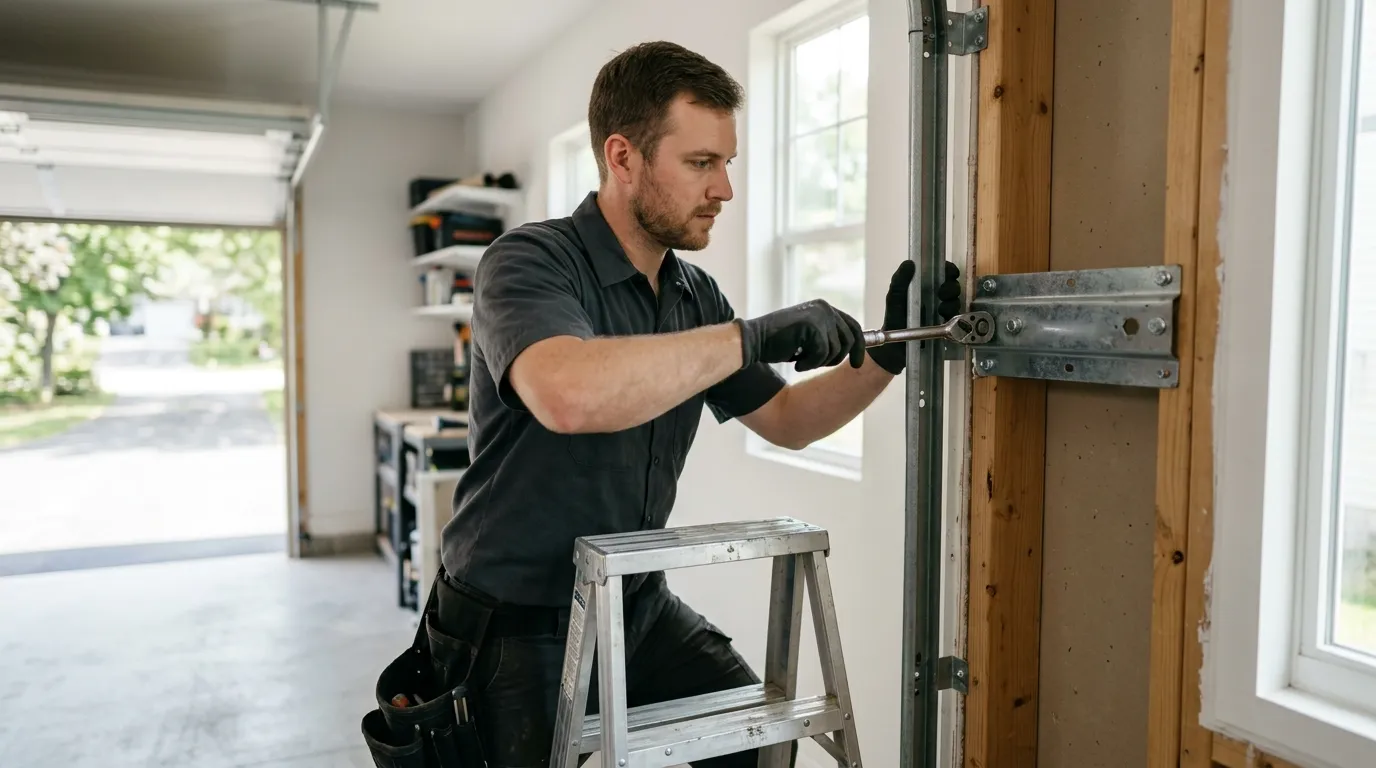
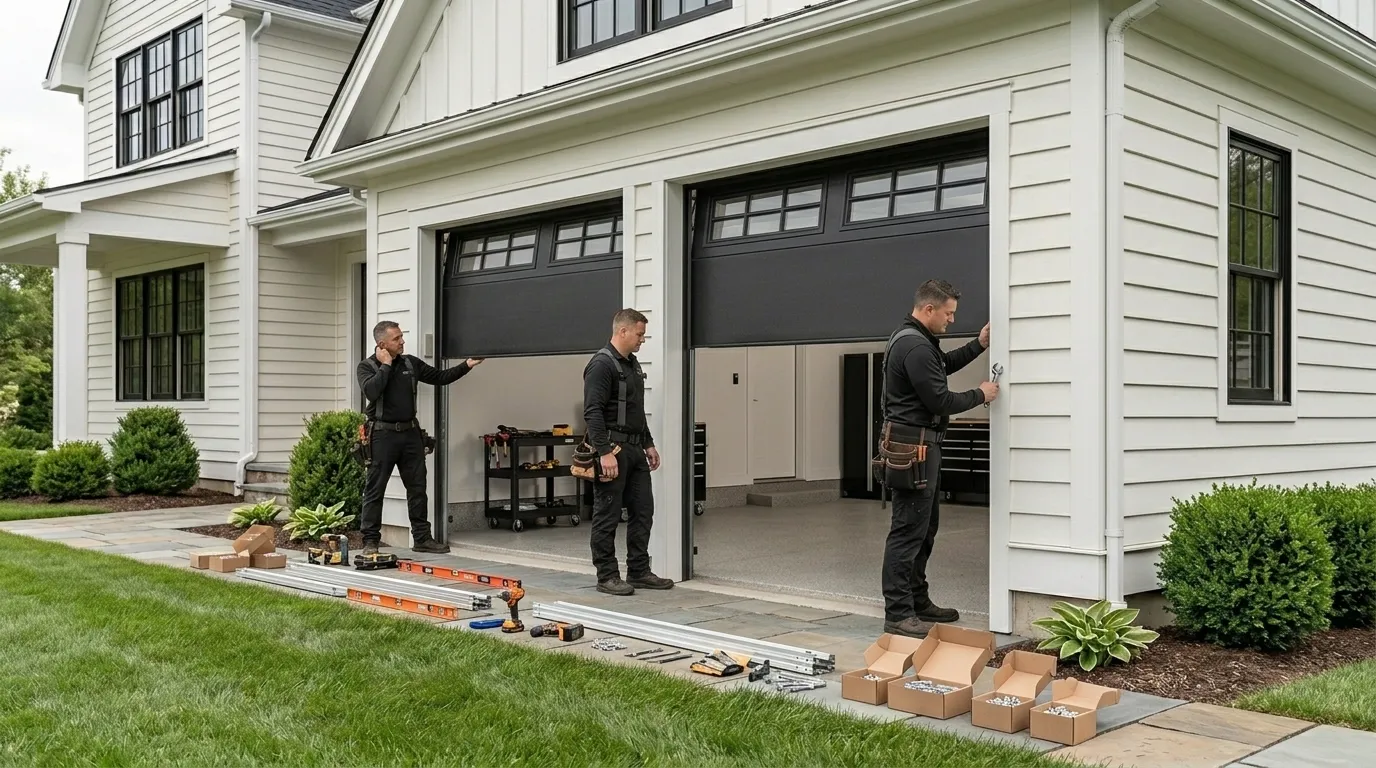
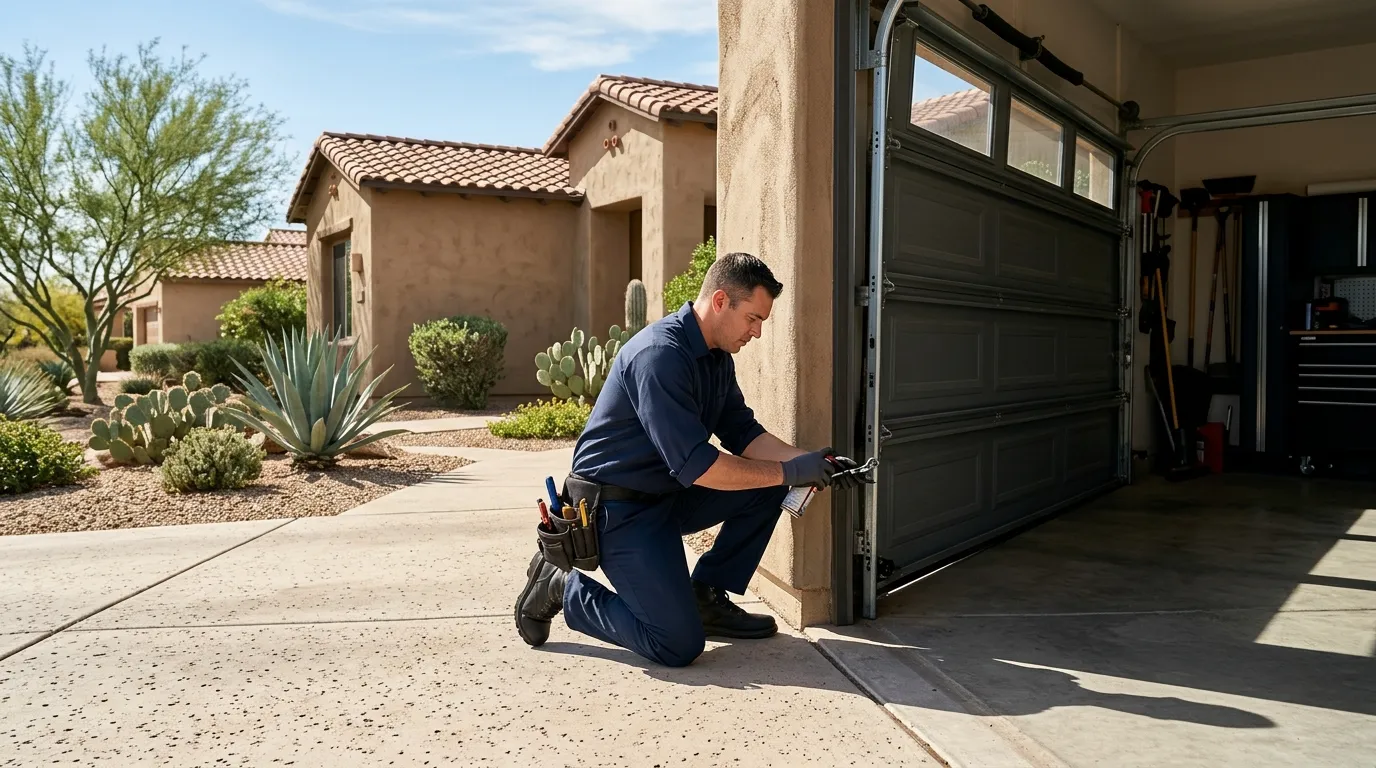
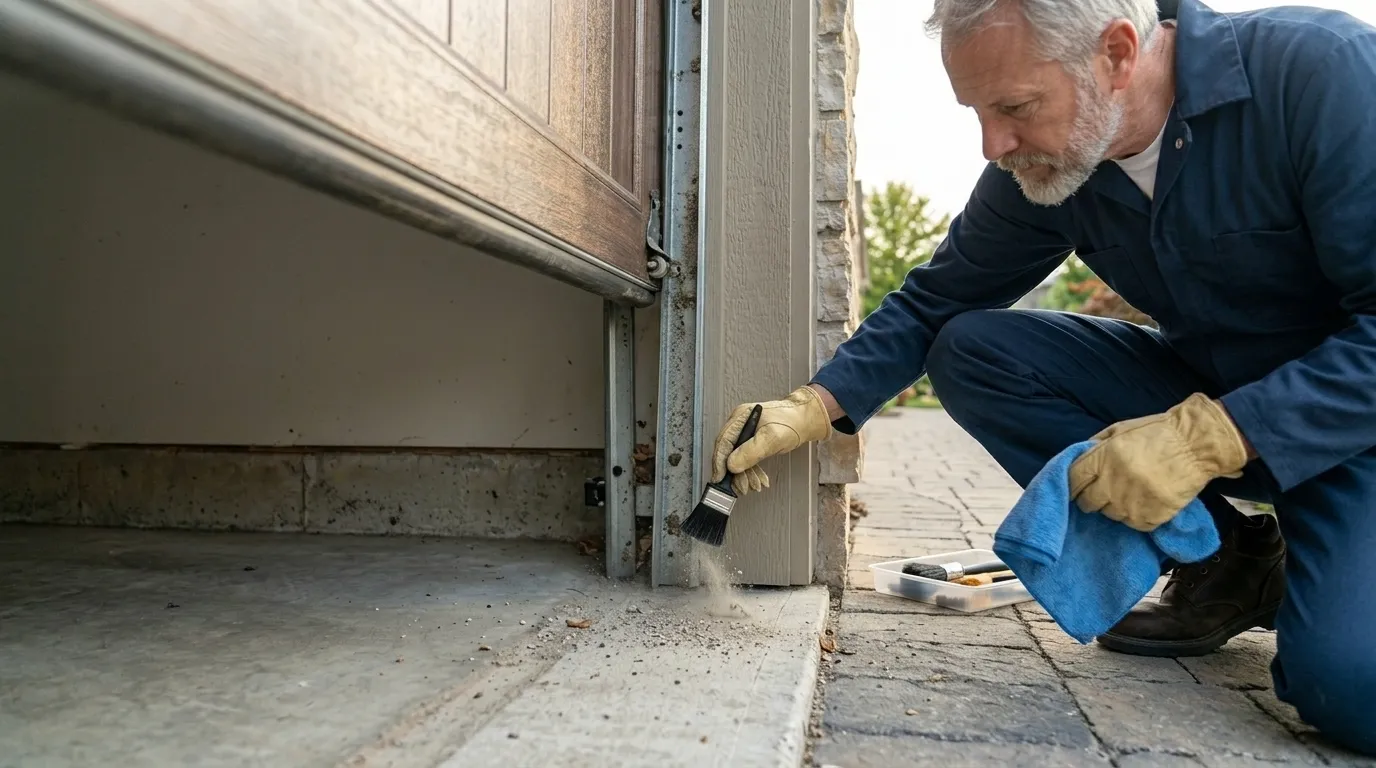
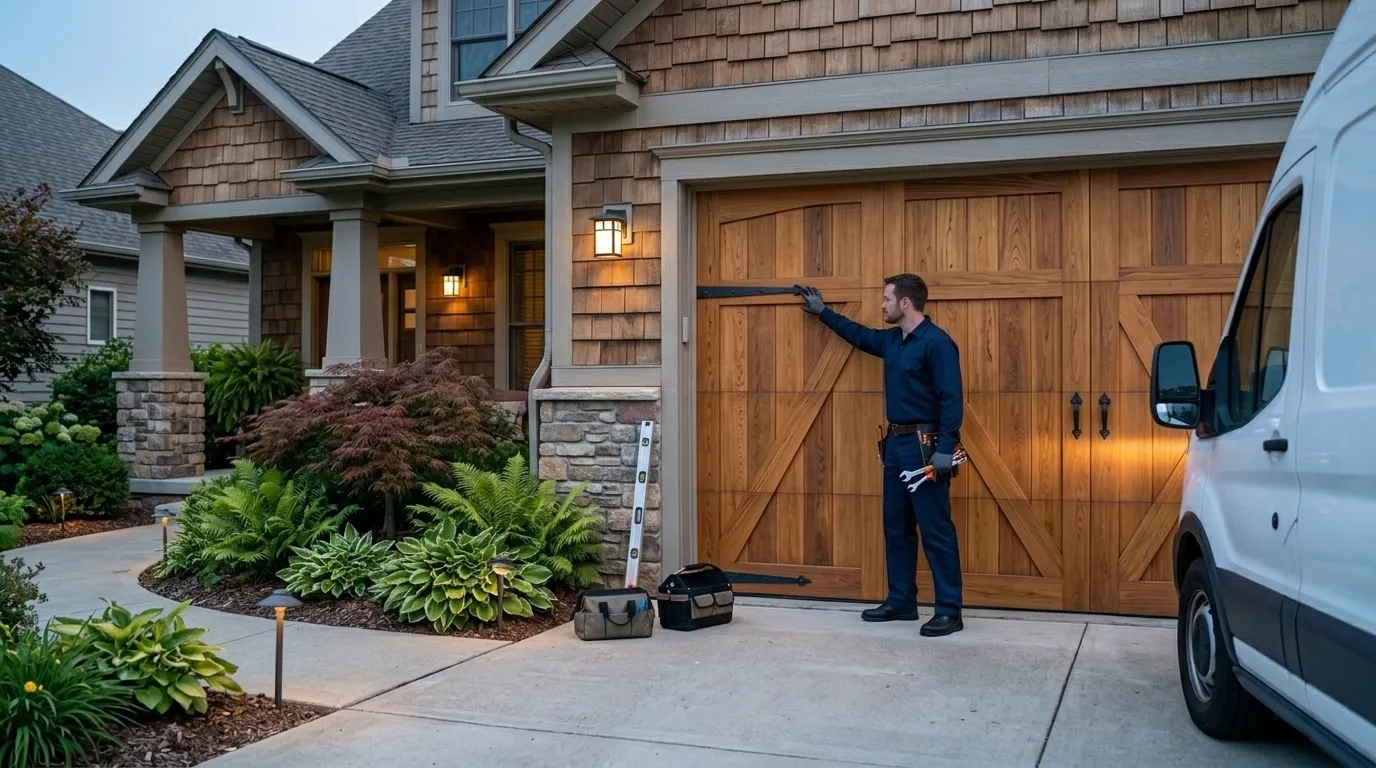
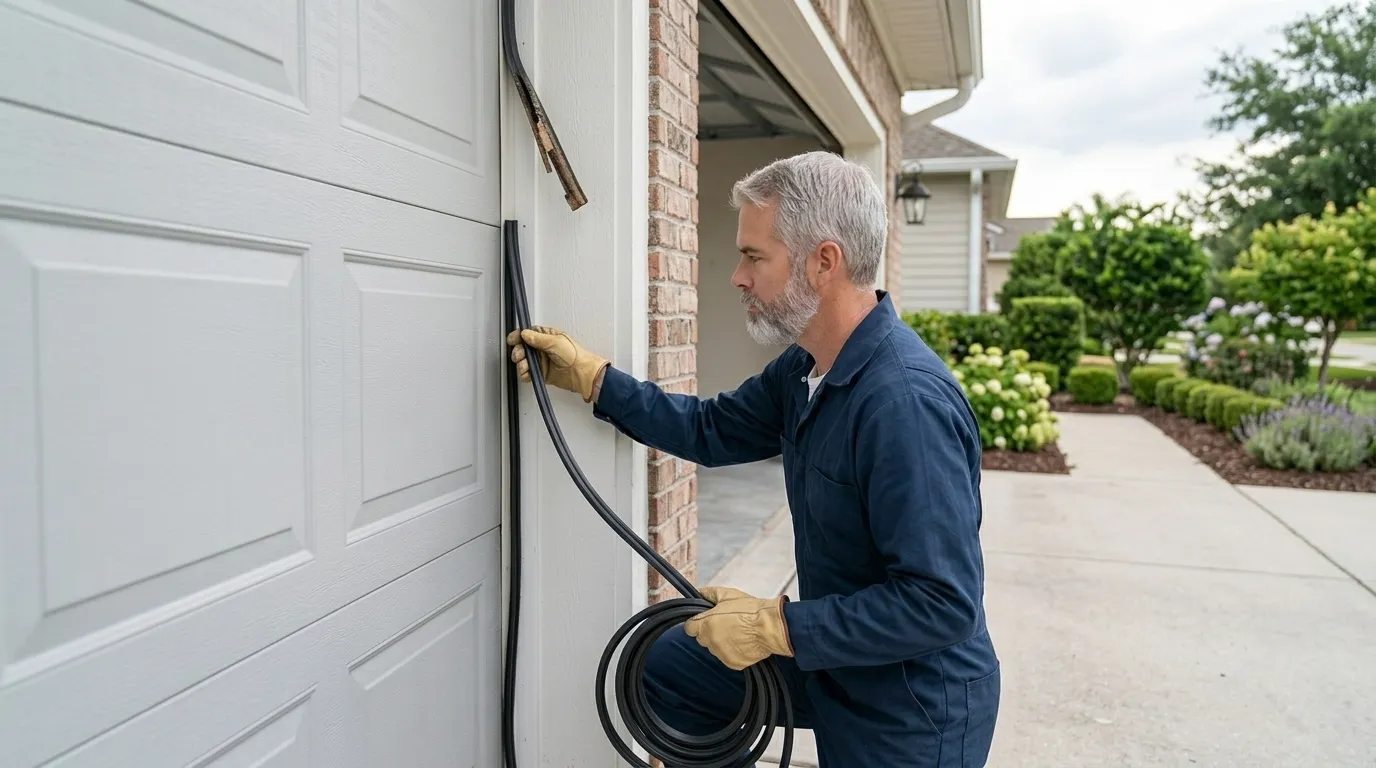
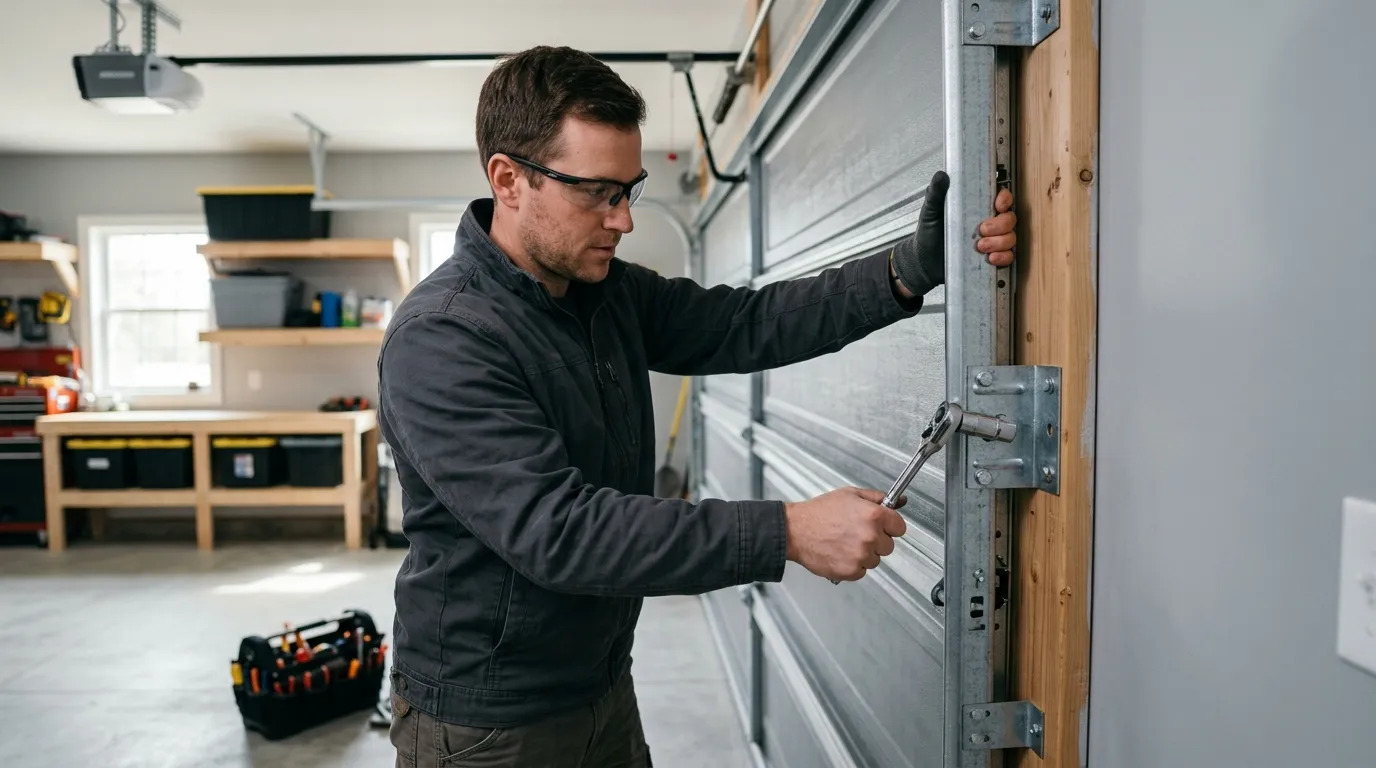
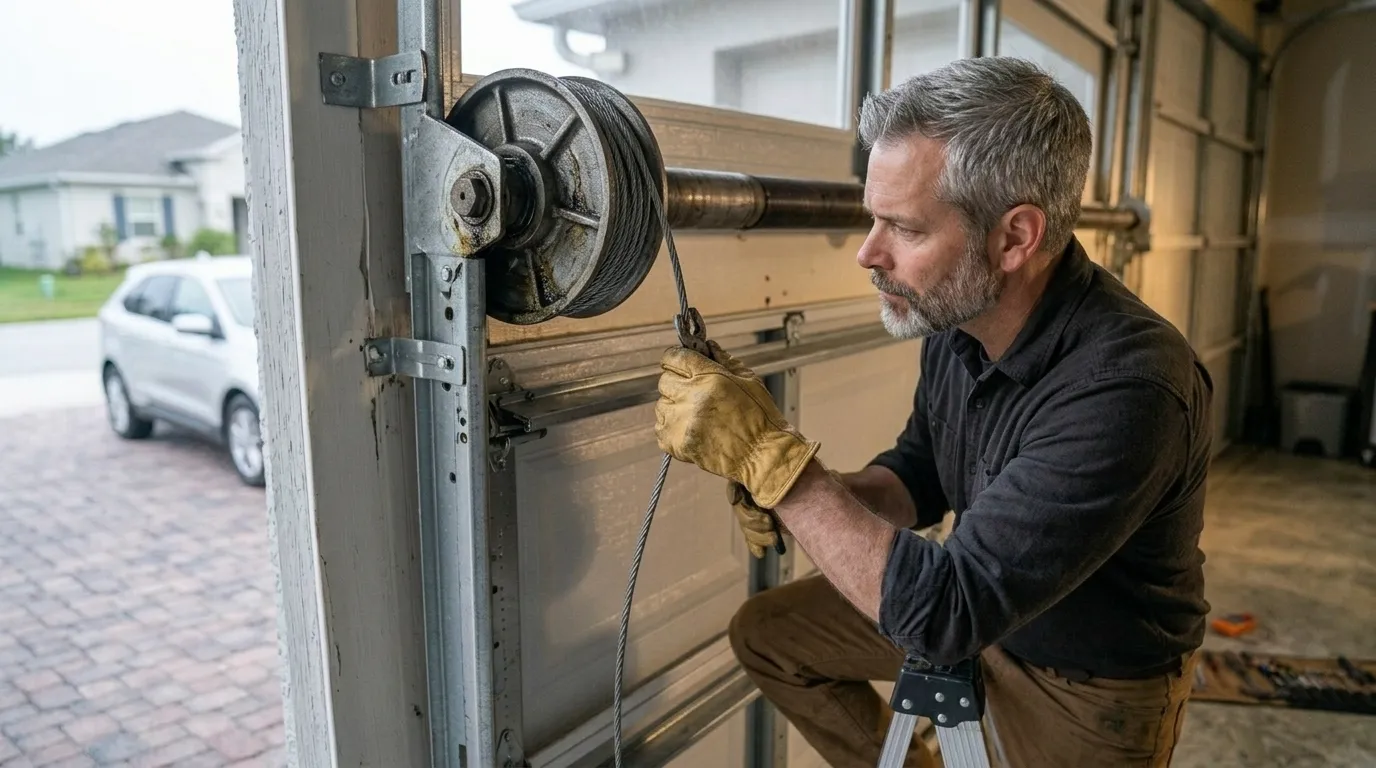
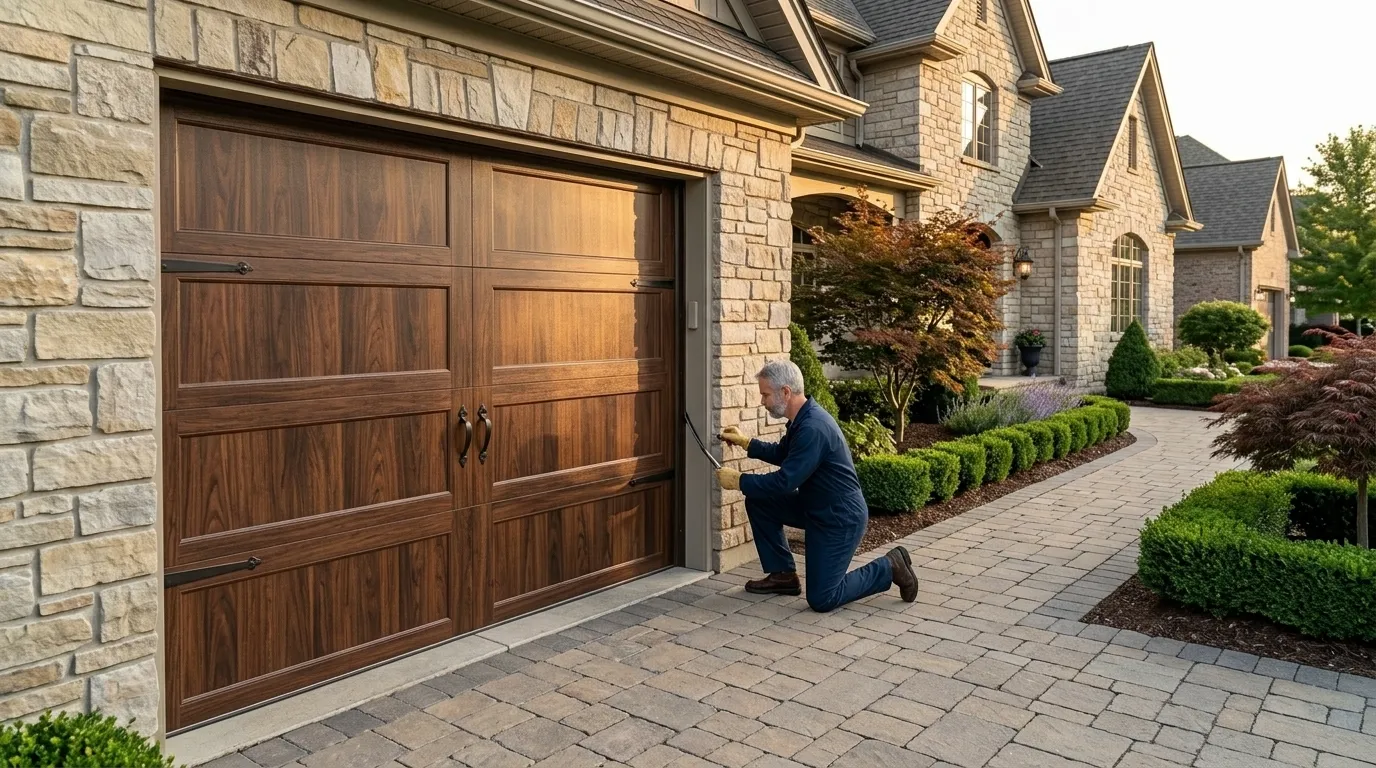
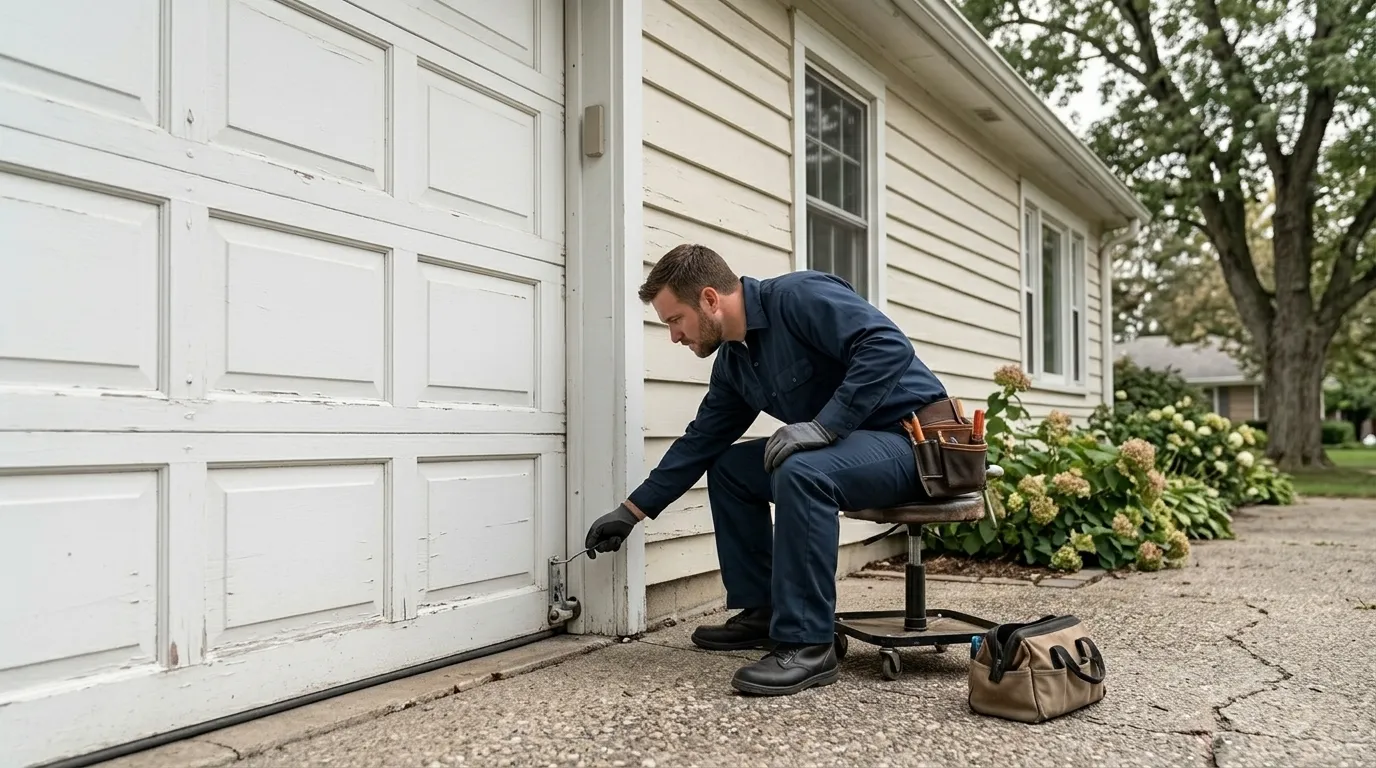
Roller replacement isn't complicated work, but doing it right means more than swapping the wheel. We pull the old rollers, check the track for the wear grooves that bad rollers leave behind, and look at the hinges they ride in - on a lot of the doors we see, the hinge holes have stretched oval from years of a nylon roller stem wobbling under load. If the track is bent or worn from that wobble, we true it or replace the section rather than bolt a new roller into a track that's going to chew through it again in a year.
We use steel ball-bearing rollers on most jobs now instead of the plastic ones a lot of these doors shipped with originally. They run quieter than you'd expect and hold up better through repeated freeze-thaw cycles, which matters here. Nylon still has a place on doors near a bedroom wall where noise is the main concern, and we'll tell you honestly which one fits your situation instead of pushing whichever one's on the truck.
One limit worth saying up front: if the rollers have been bad long enough to bend the track badly or crack a panel where the roller bracket bolts on, that's not a roller job anymore - that's a track or panel repair, and we'll price it as one.
How Long You Are Without the Door
A straight roller swap on a standard double door usually doesn't take the door out of service for long once we're on site - it's one of the shorter jobs we do. Rollers are common stock, so we're not waiting on a special order to finish the job the same visit in most cases.
Where it stretches out is when the rollers have already damaged the track, which happens more than you'd think on the older doors around here that have been running on the original hardware for decades. Straightening or replacing a track section takes longer than the roller swap itself, and if a section needs to be sourced for an odd or discontinued door width, that can push the job past a single visit. We'll tell you which situation you're in before we start, not after.
How It Shows Up
The most common sign is noise - a grinding or clunking as the door moves, usually worse at one point in the travel where a bad roller is catching. Some owners notice the door start to shudder or jerk rather than glide, especially near the top or bottom of the track where the curve puts more side load on the rollers.
A door that looks like it's riding slightly crooked, or one panel that seems to lag behind the others as it moves, often points to one or two rollers that have failed while the rest are still holding on. If you catch it at that stage, it's usually a straightforward roller swap. Wait until the door binds hard or jumps the track, and you're looking at track damage on top of the roller job - which is the outcome we'd rather help you avoid with an earlier call.