How We Fix It
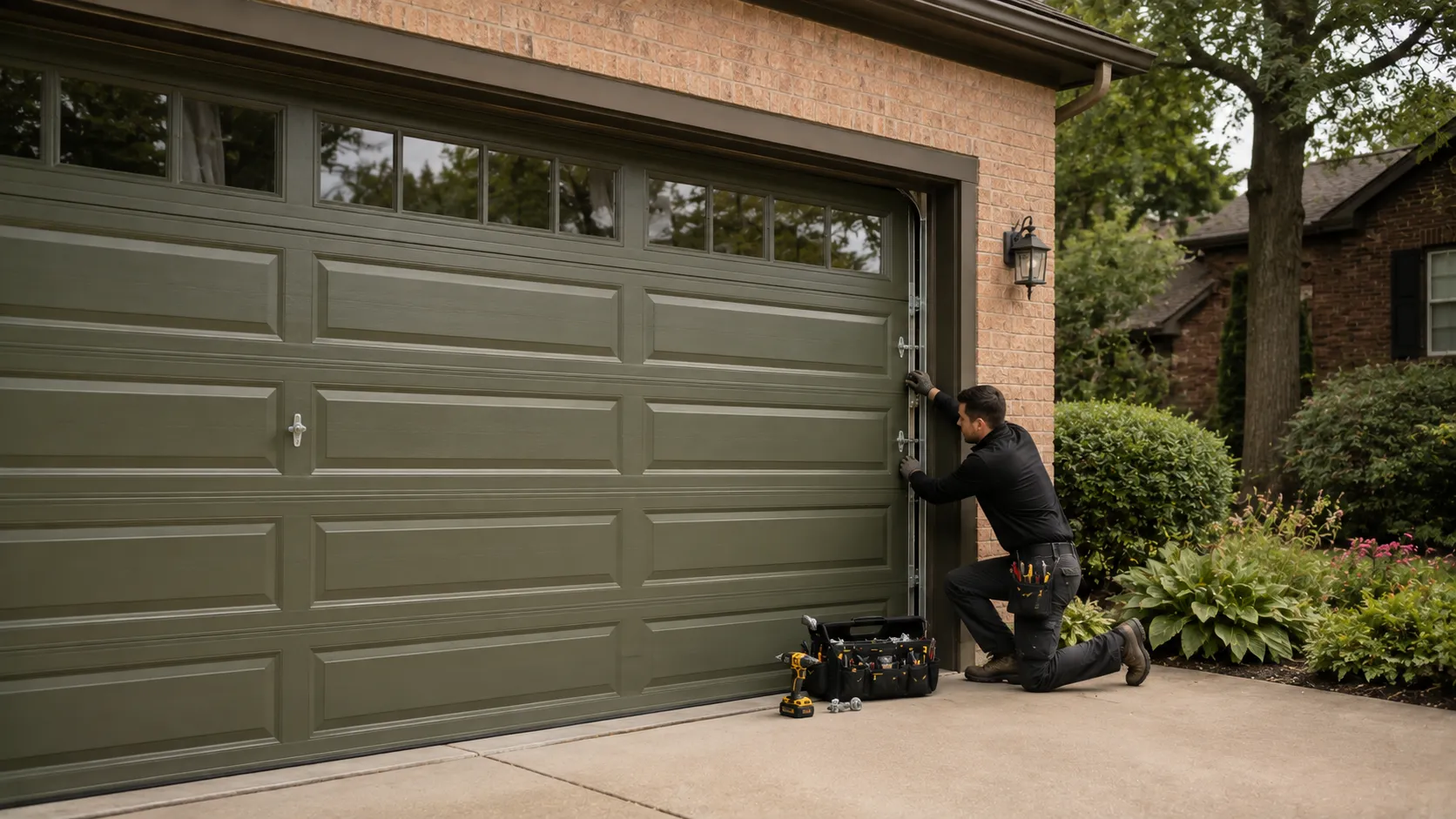
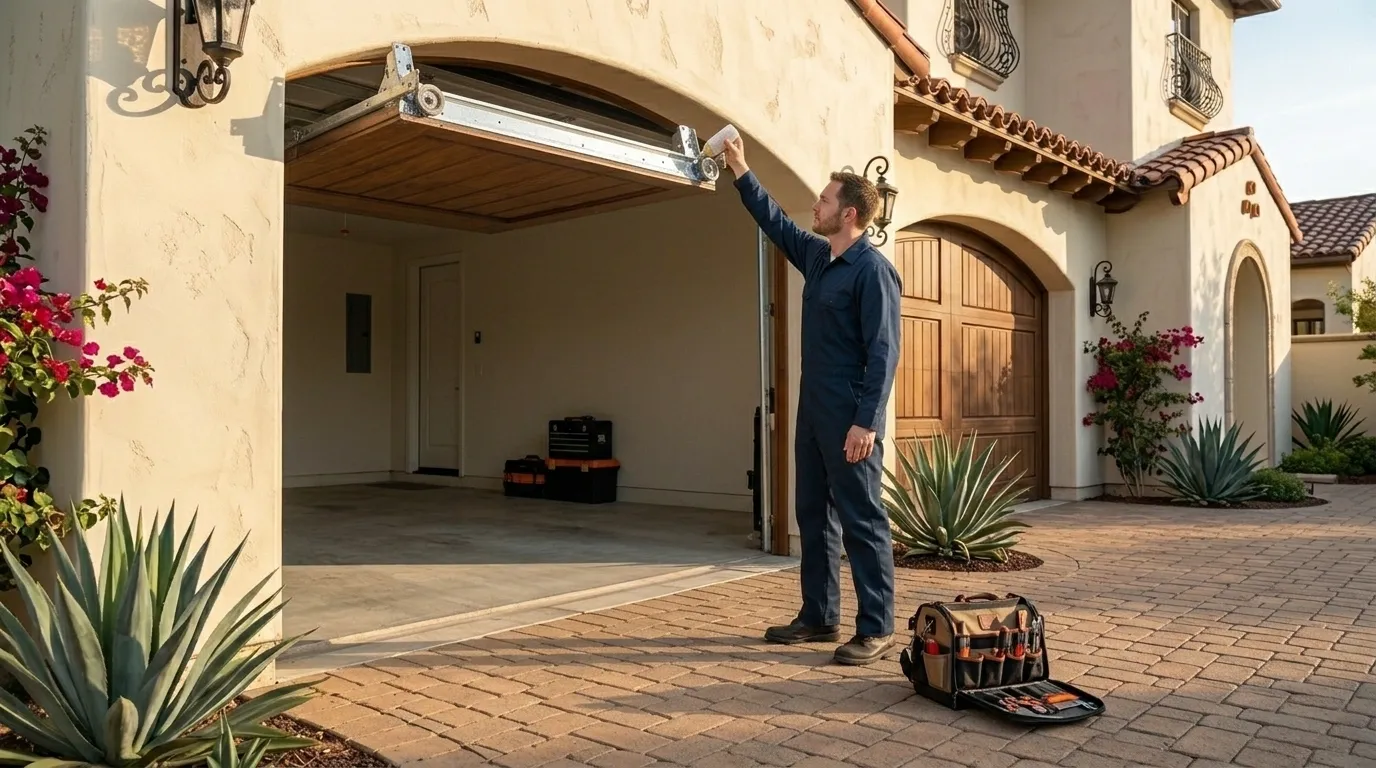
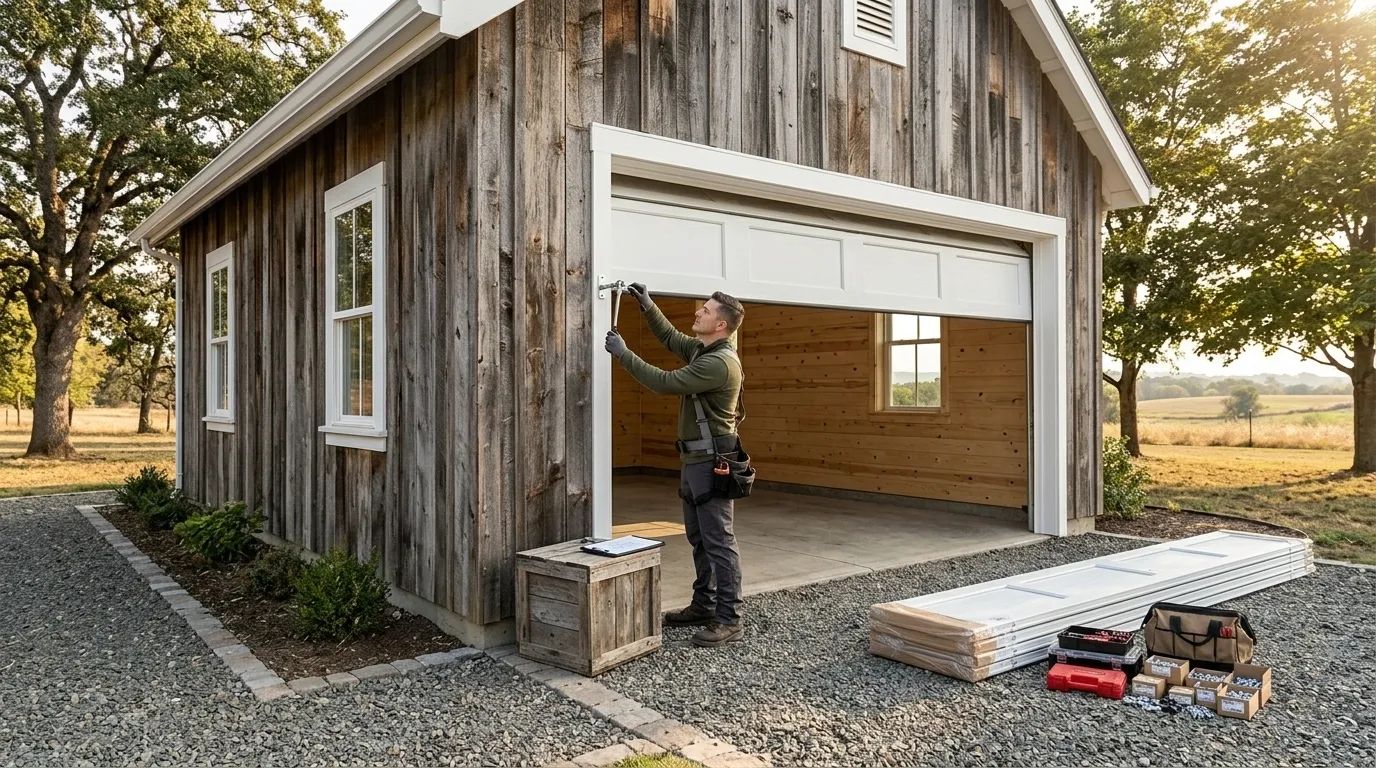
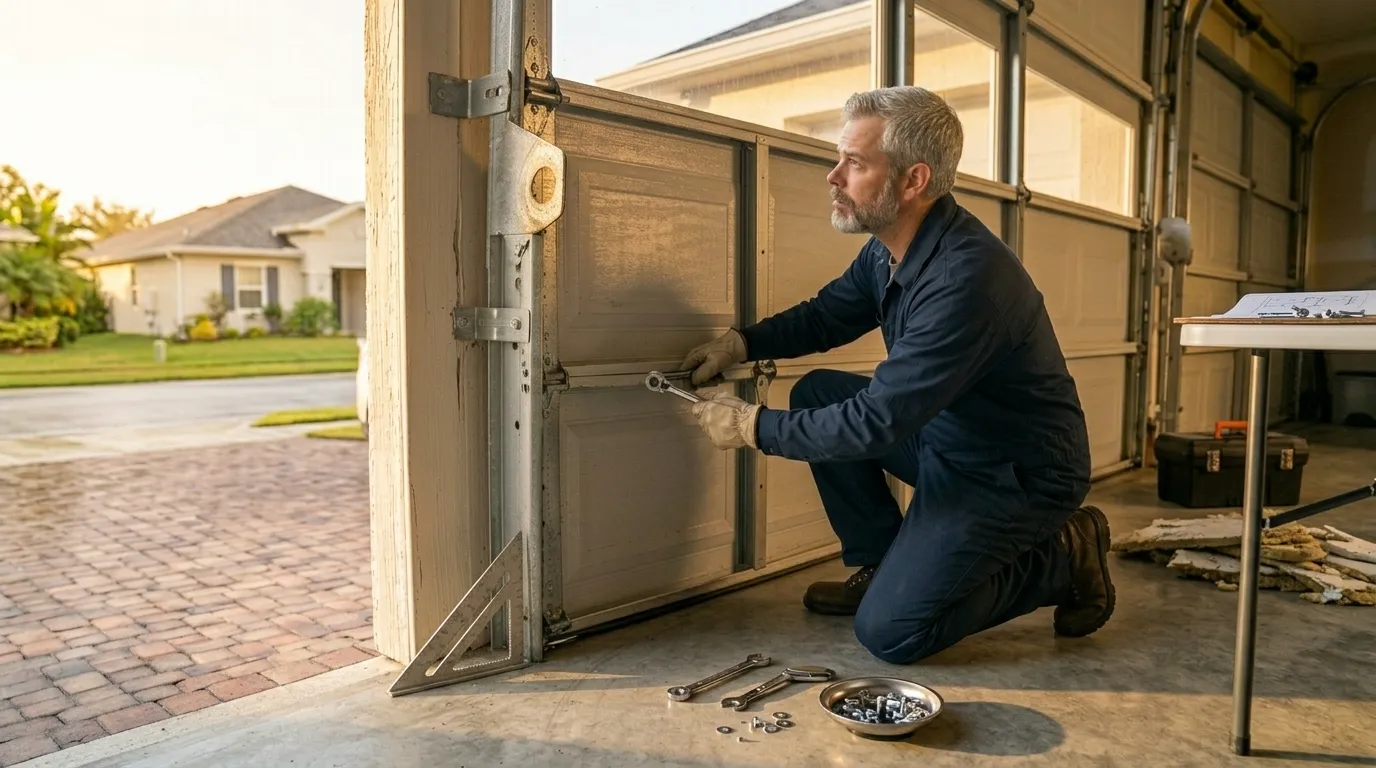
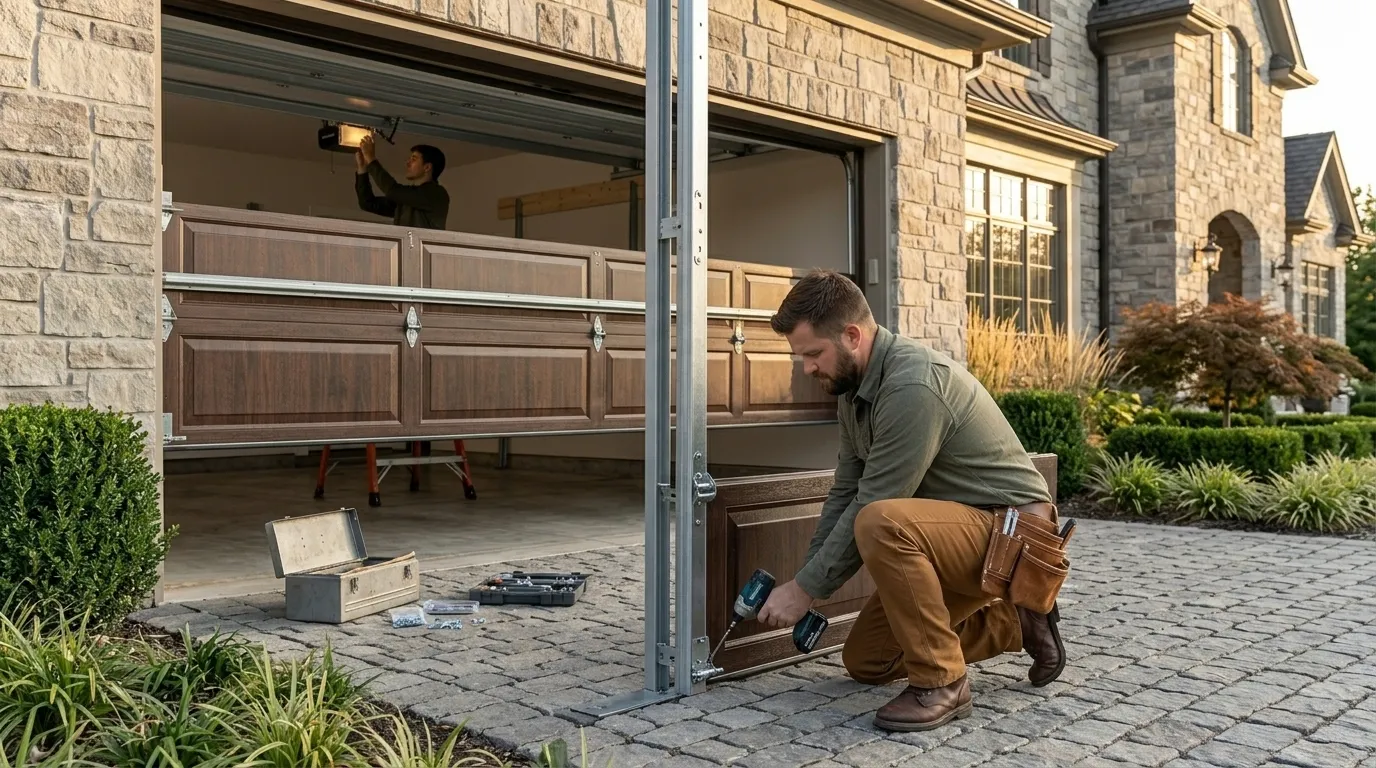
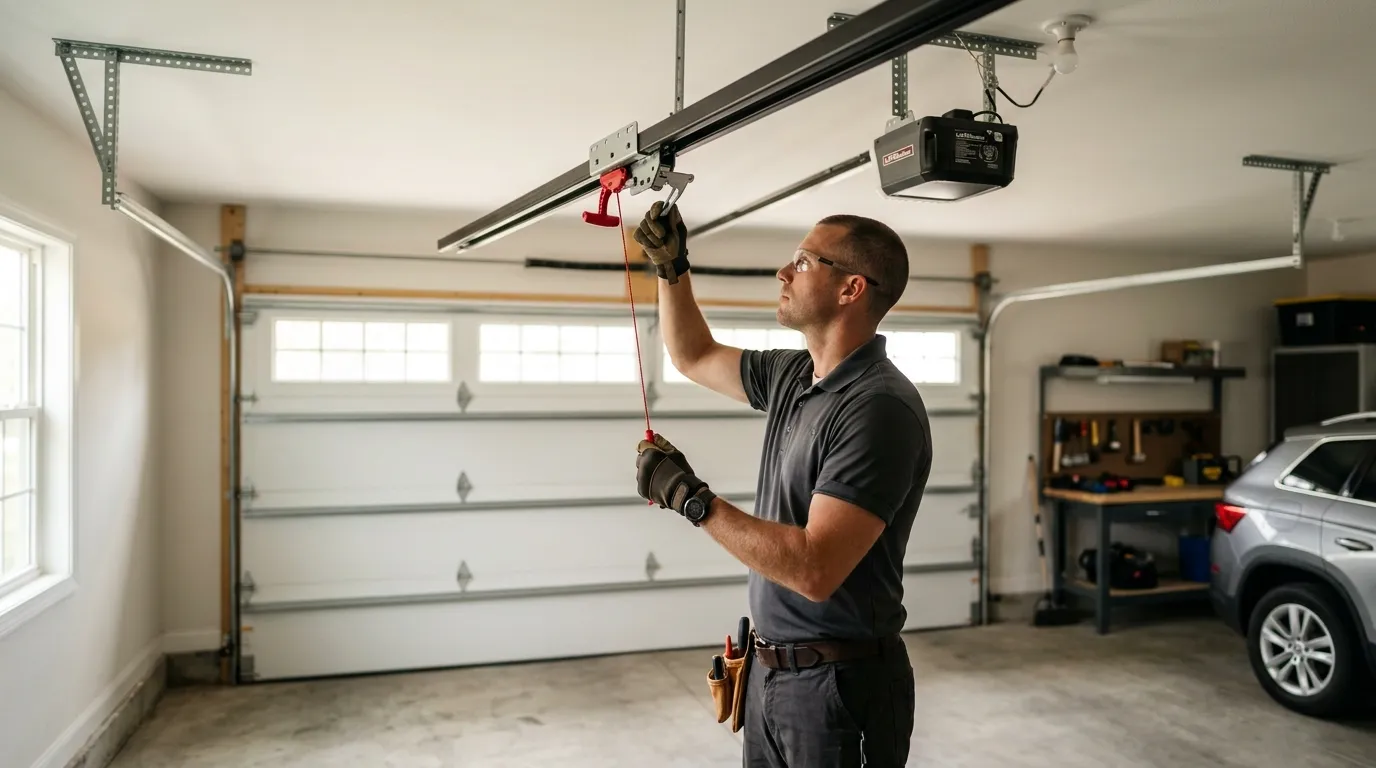
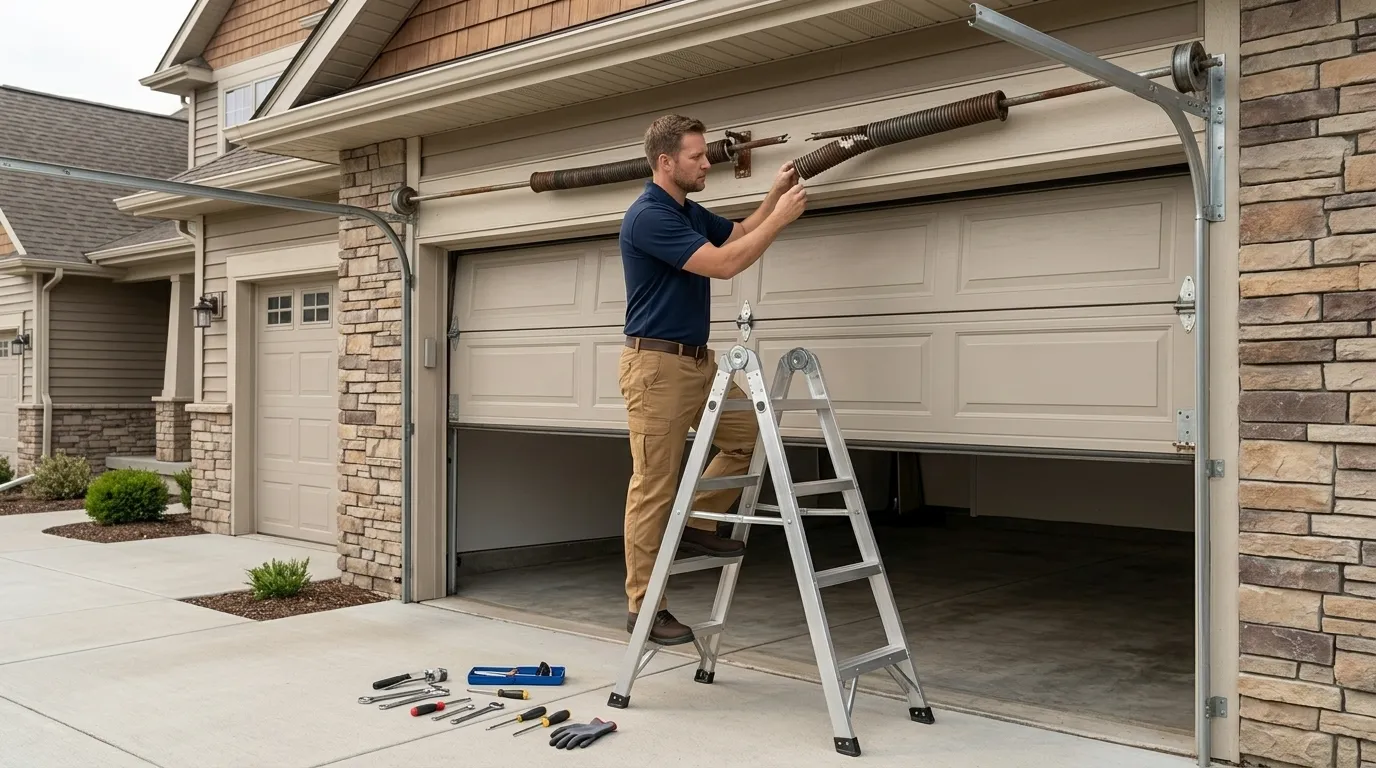
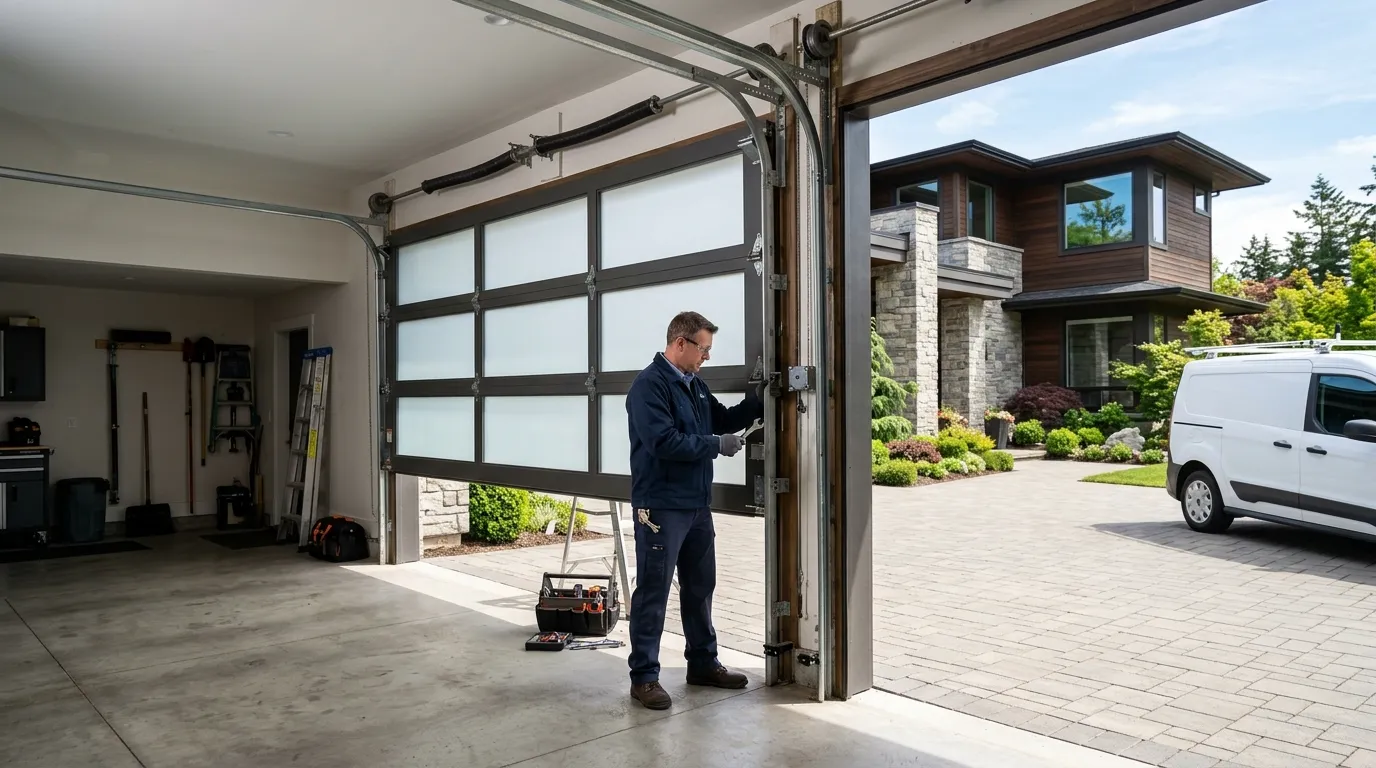
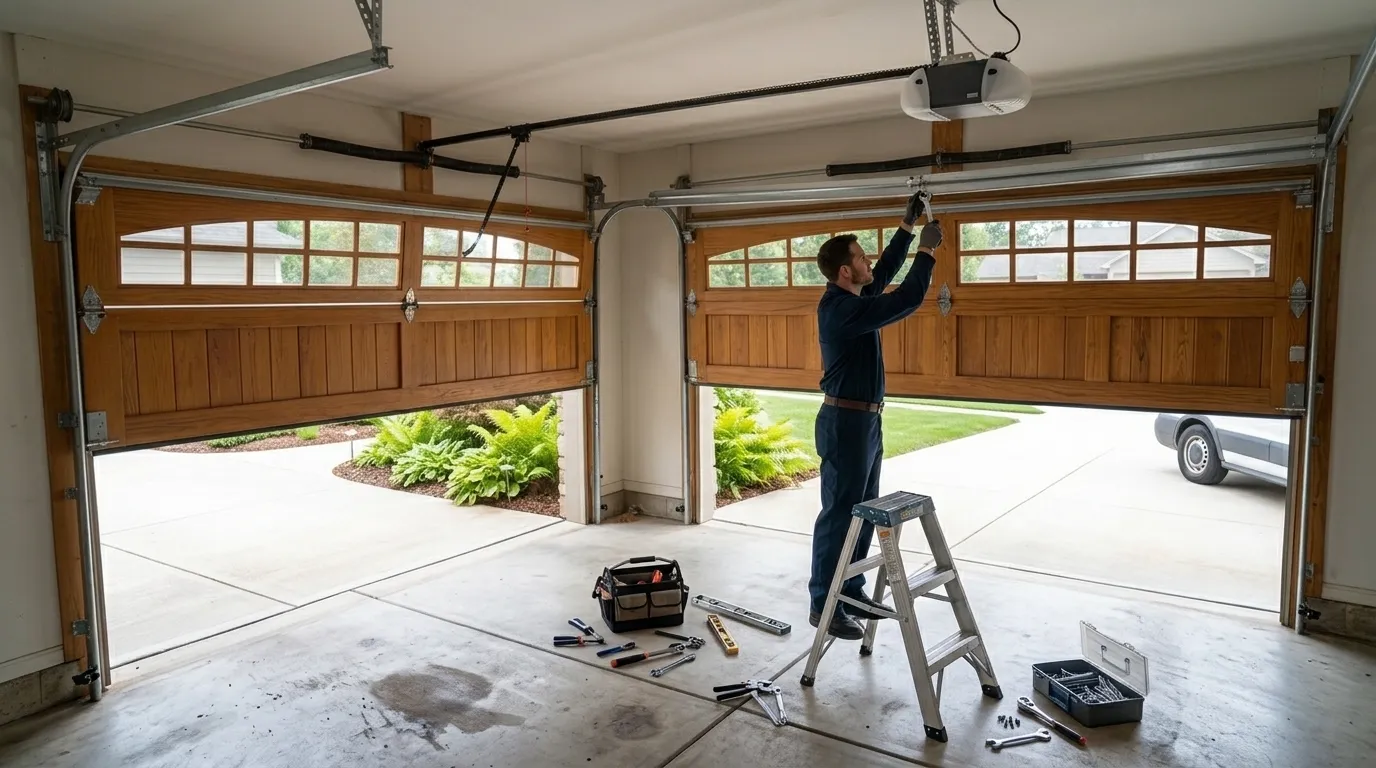
A broken torsion spring gets replaced, not patched. We match the wire size, wind, and shaft diameter to what's already on your header, then set the drums and cables to the door's actual weight - not a guess. On extension spring setups, which still show up on the older end of the housing stock in this area (built 1938 to 2005, median year 1976), we check the safety cables at the same time, since a lot of those were never installed to begin with. We test the door's balance by hand after the swap: it should hold at waist height on its own. If it doesn't, something else in the system is fighting the new spring - a bent track, a worn roller, an opener trying to do the spring's job. We'll tell you that plainly instead of sending you out the door with a balance problem still in the wall. One limit worth stating: if the drums or shaft are worn from running on a broken spring for weeks, that's a separate parts cost, and we won't know until the old spring is off.
How Long You Are Without the Door
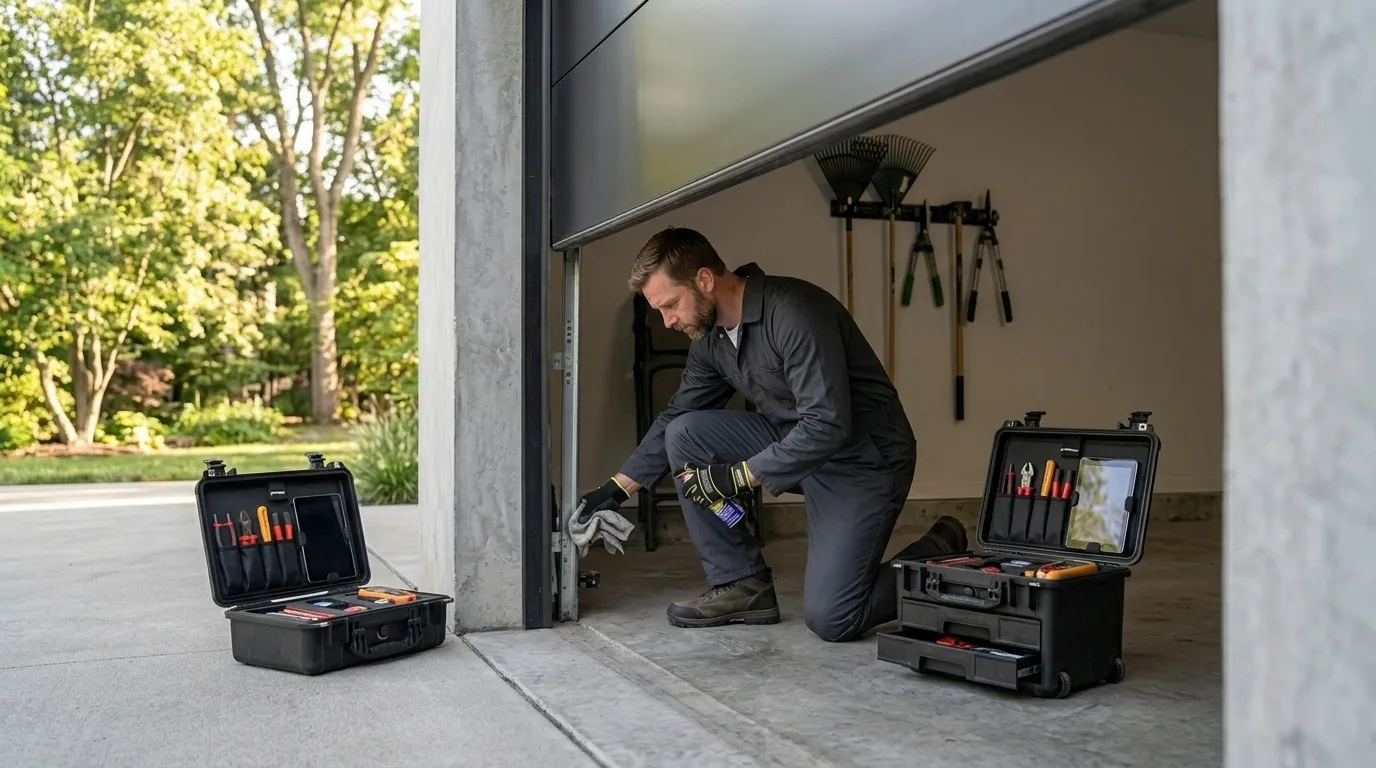
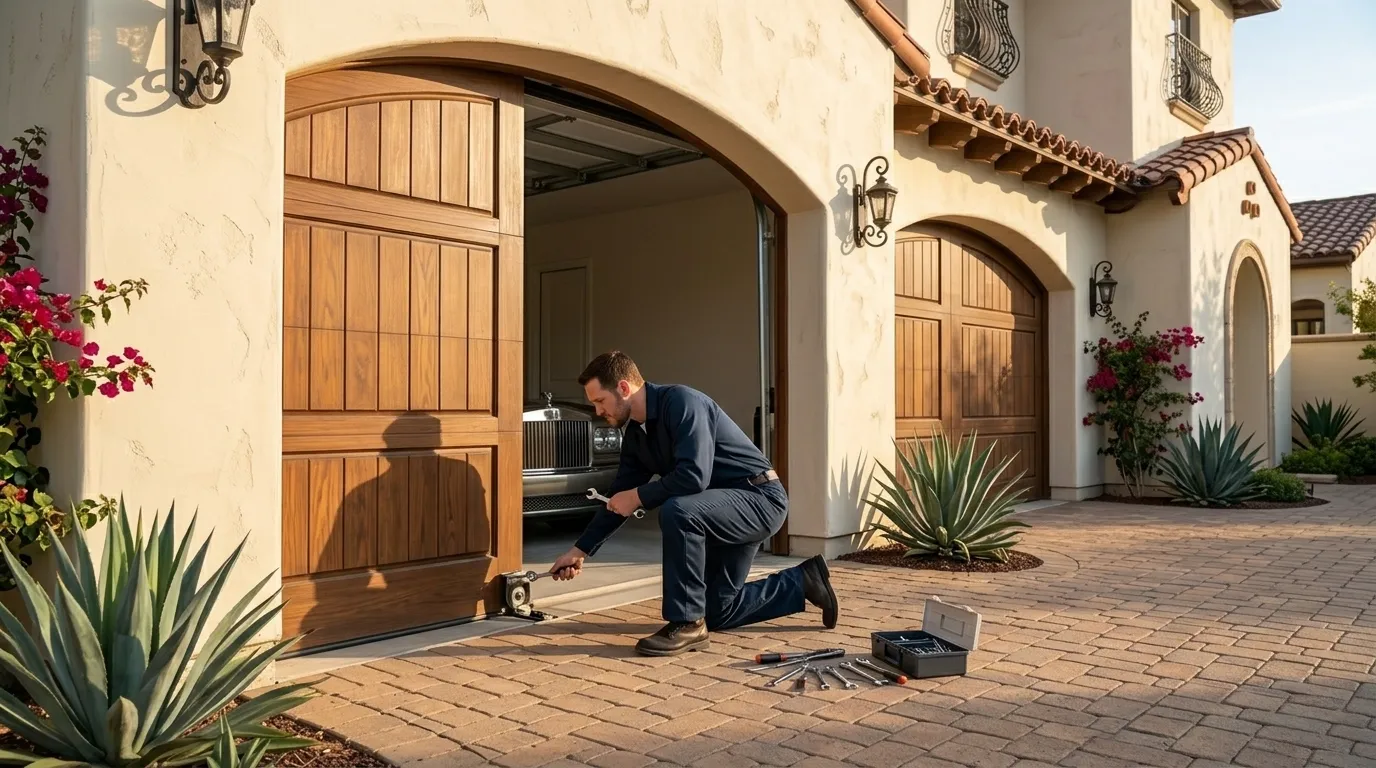
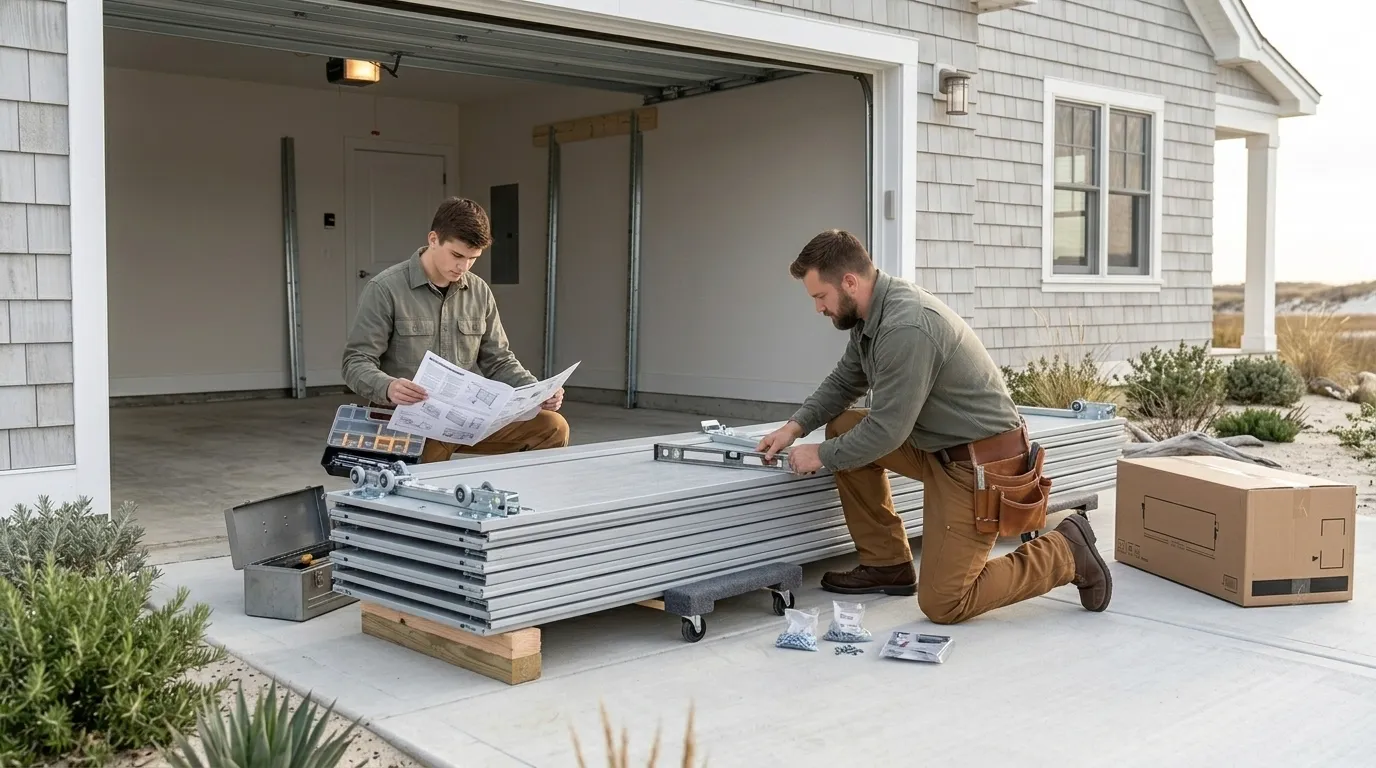
Most spring jobs are a single visit. The spring itself isn't a special-order part for the common sizes used across this service area's housing stock - torsion springs sized for doors built in the 1960s and 70s are a shelf item, not a wait. What extends the job is a nonstandard shaft size or a door heavy enough (insulated steel, some of the newer builds toward the top of that 1938-2005 range) that it needs a spring we don't carry on the truck. In that case you're looking at a return trip once the part's in, not a same-day fix. Either way, the door doesn't sit half-open on a temporary fix. Springs are a full-stop repair: the door either works when we leave or it's scheduled for the part that makes it work.
How It Shows Up
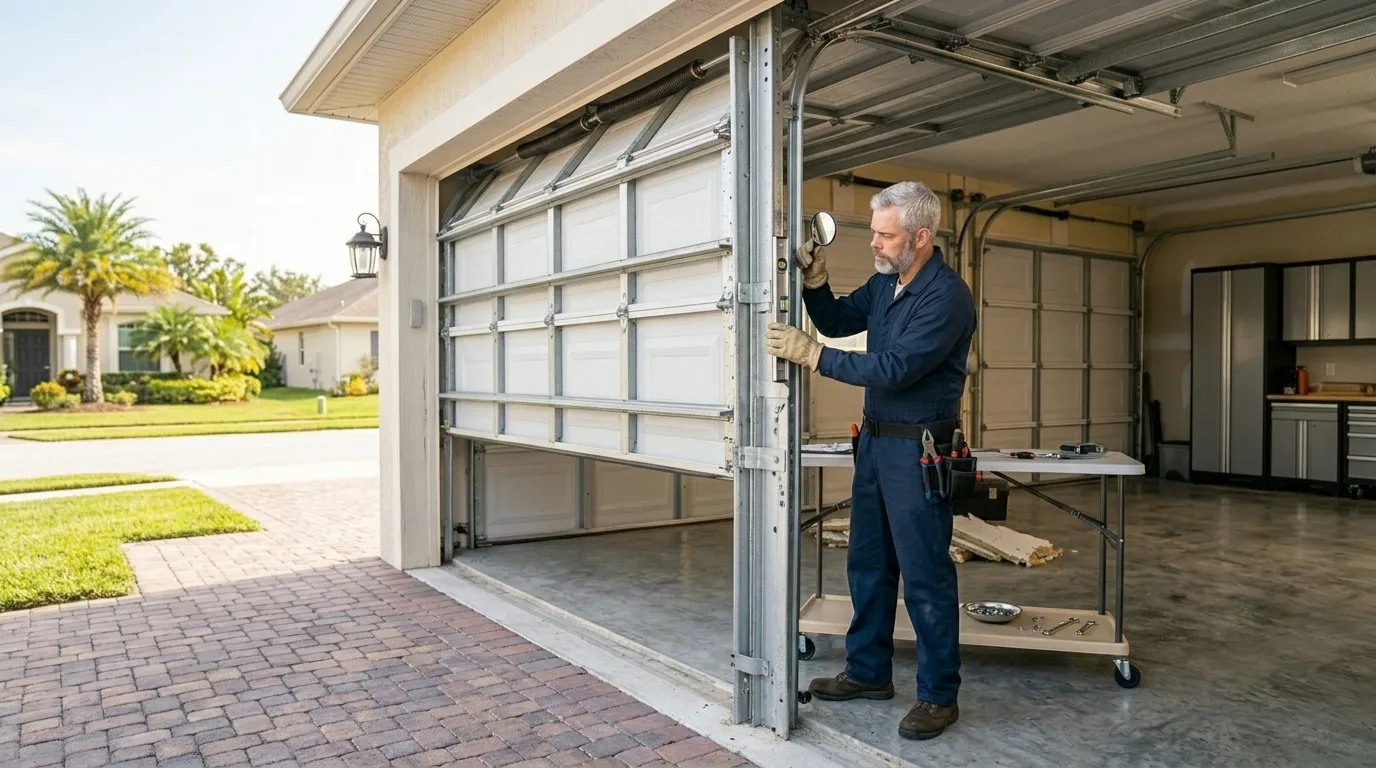
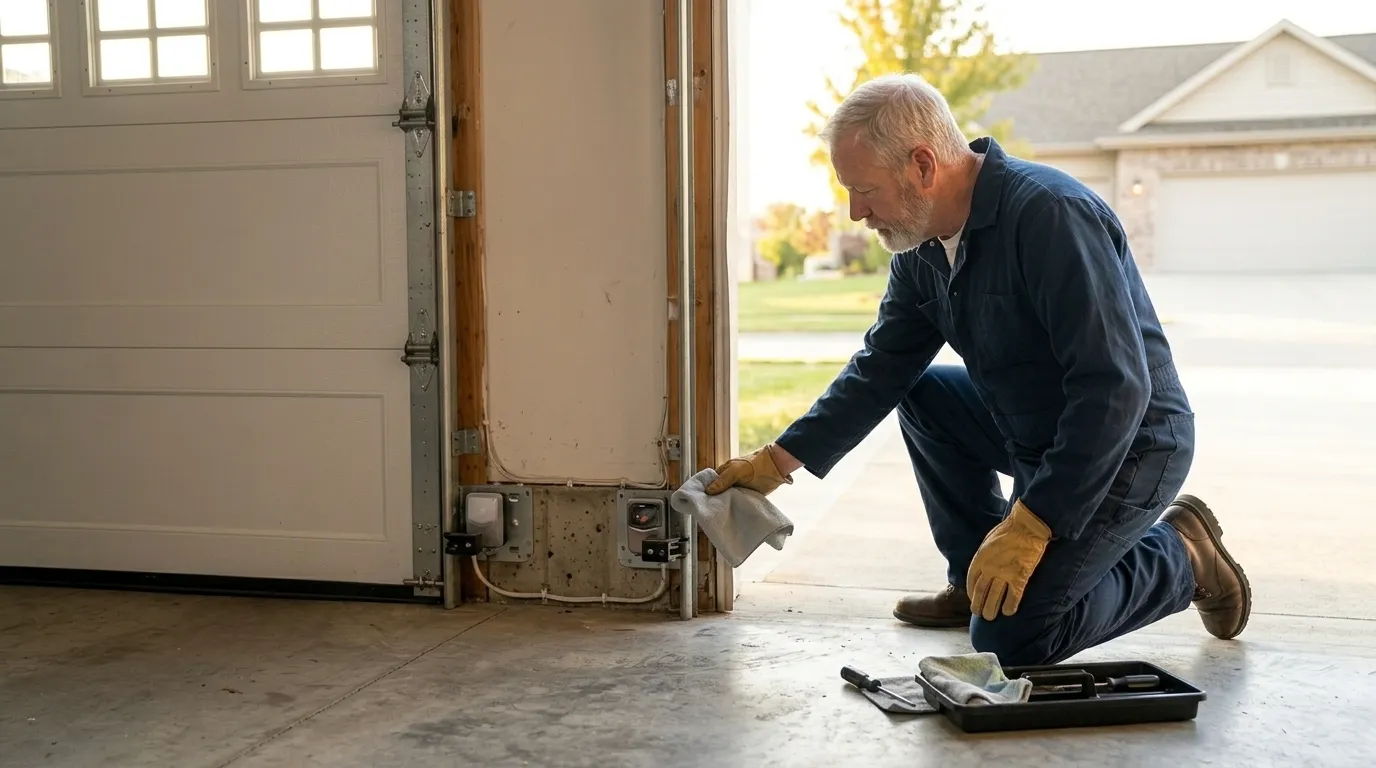
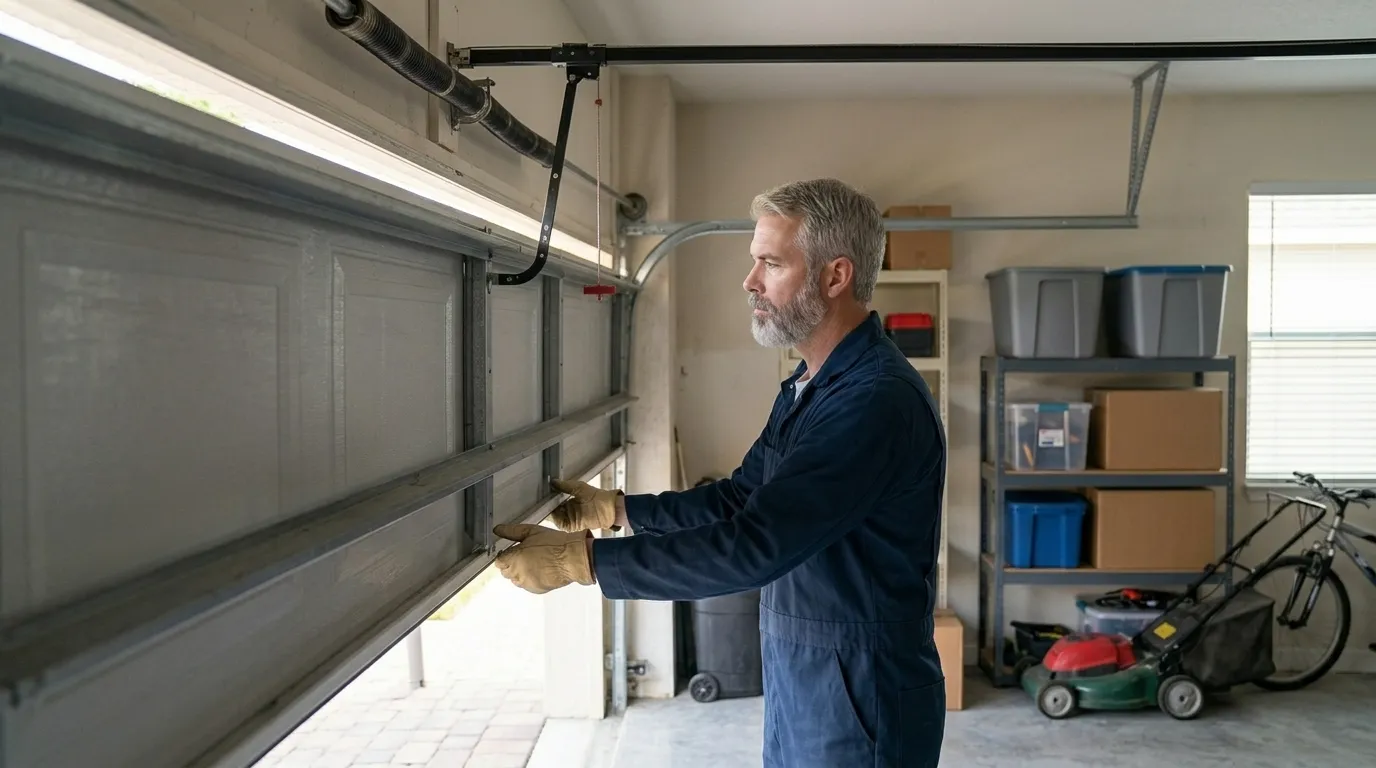
The most obvious sign is a loud bang from the garage, usually when it's cold - that's the spring letting go, not the door itself failing. After that, the door gets heavy fast. If you normally lift it by hand without much effort and suddenly it feels like dead weight, or the opener strains and reverses partway up, the spring's likely gone or close to it. A gap in the coil when you look up at the spring bar, a door that won't stay up on its own, or cables that look loose at the bottom bracket are all the same underlying issue. With roughly 15,101 owner-occupied houses in this service area and most of that stock dating to the same few decades, this is one of the more predictable calls we get once the weather turns - not random, just physics catching up with an old spring.