How We Fix It
Hebron's housing mostly went up around 1965, which puts a lot of doors here on their original hardware. Steel rollers on a center track were standard for that era, and fifty-plus years of use wears the roller stems, cracks the wheels, and grooves the track they ride in. Nobody's swapped a single roller on these doors - when one goes, the whole set is usually the same age and the same amount of tired.
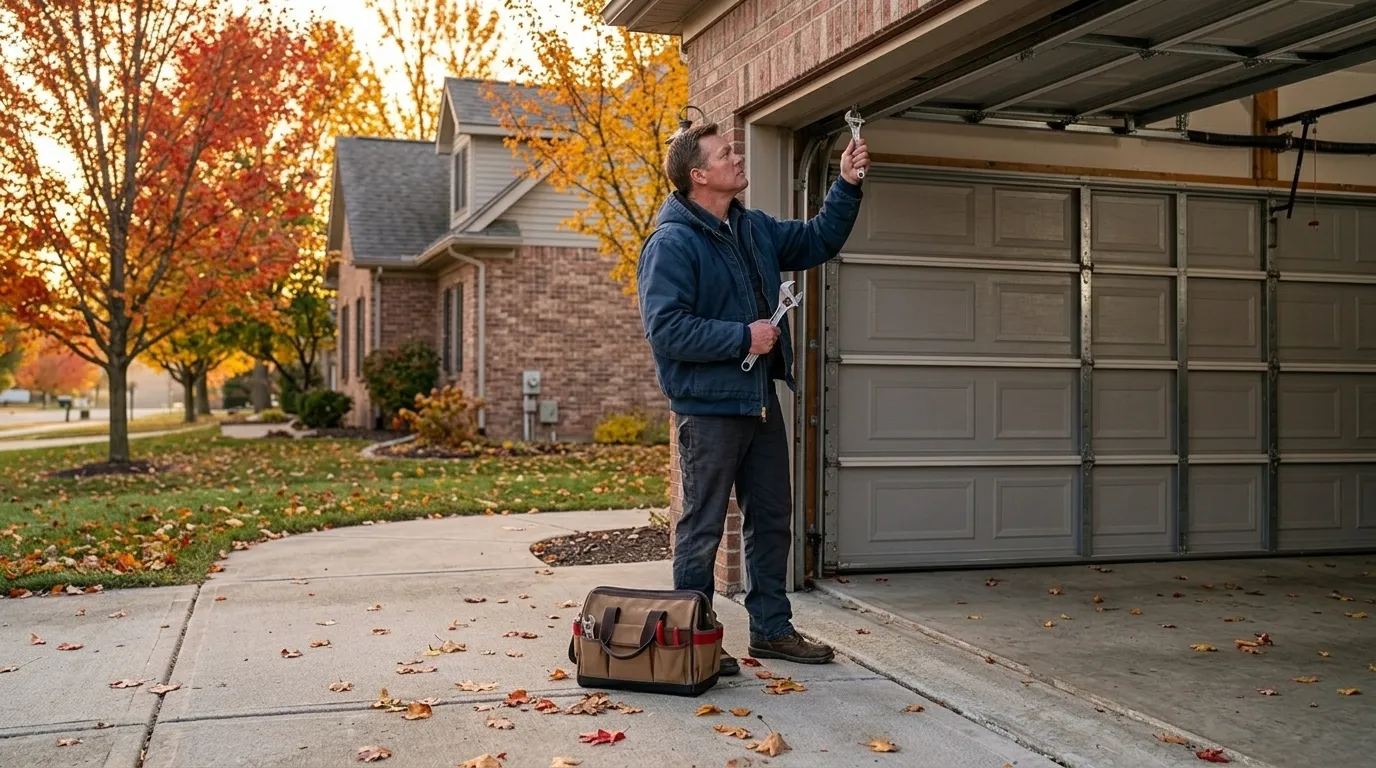
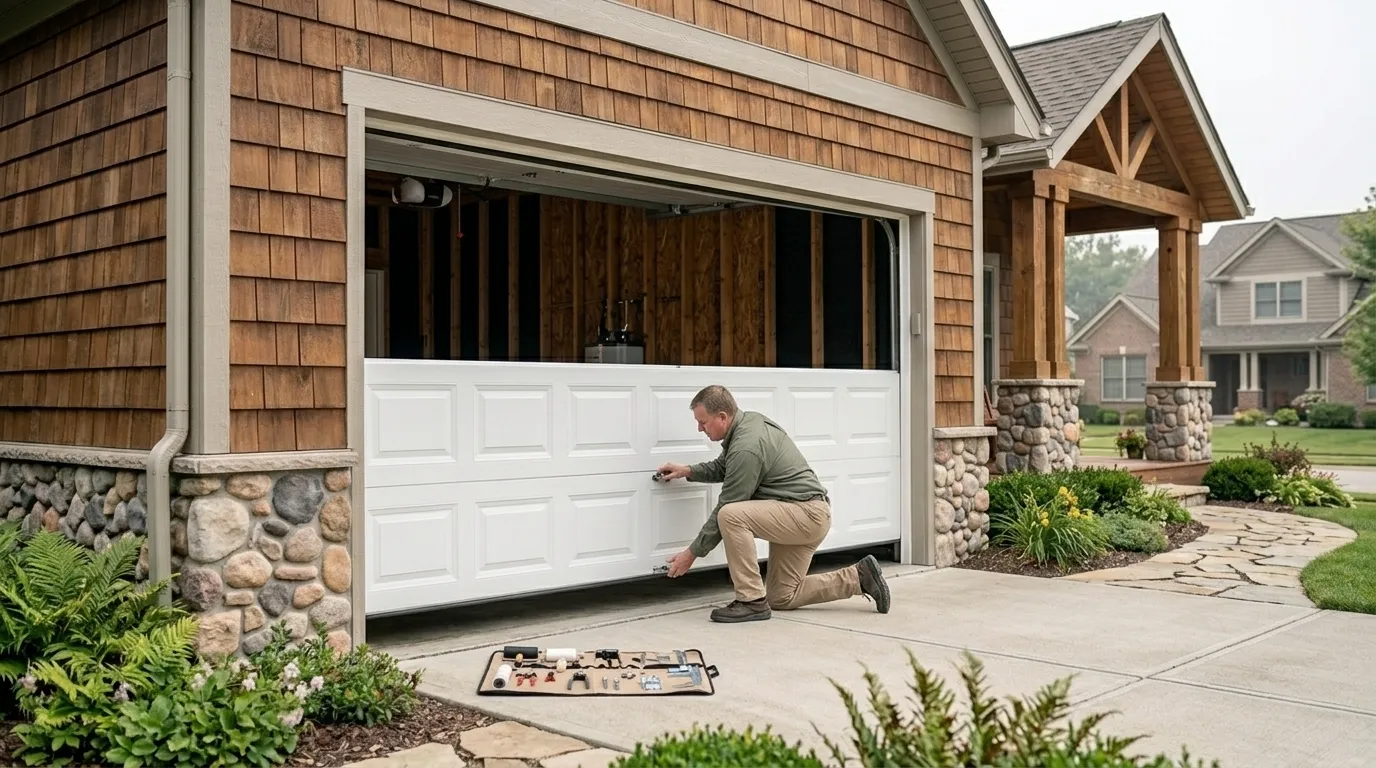
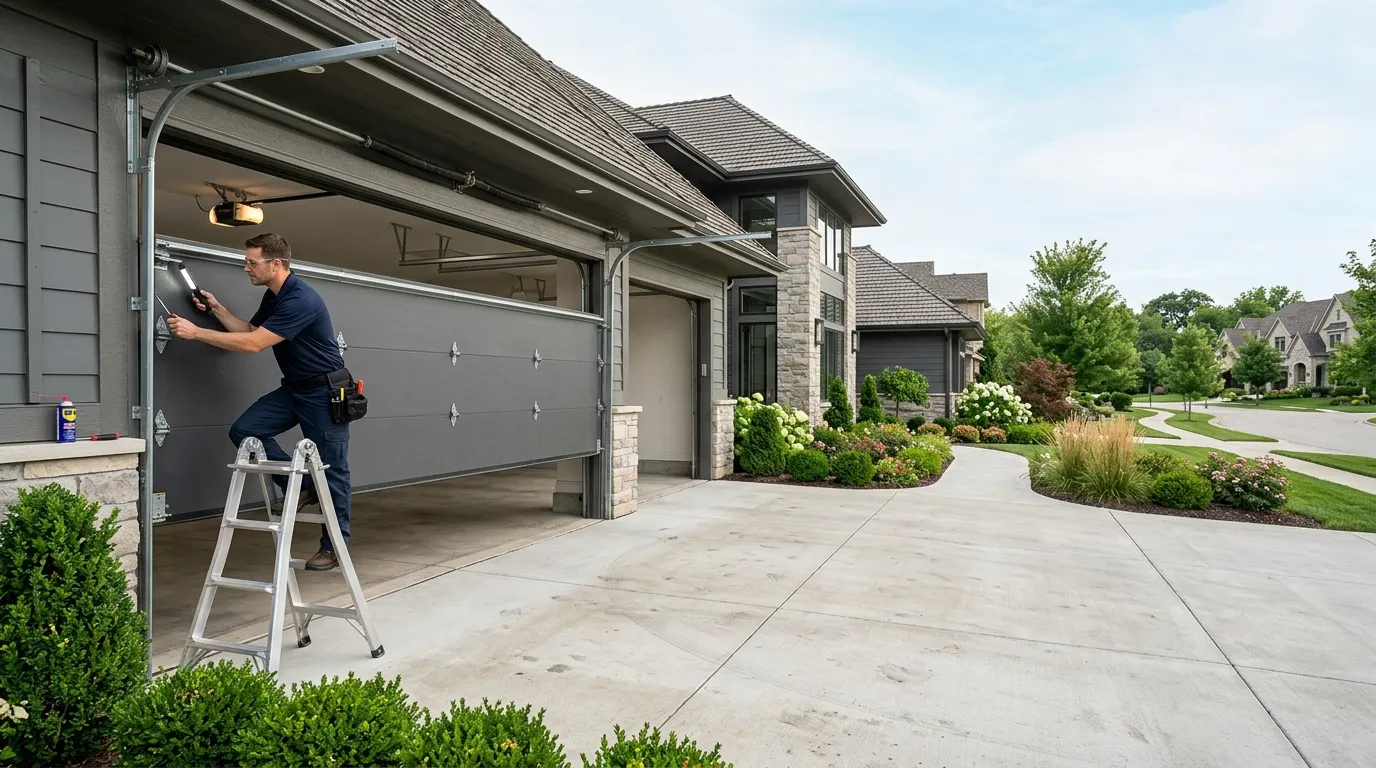
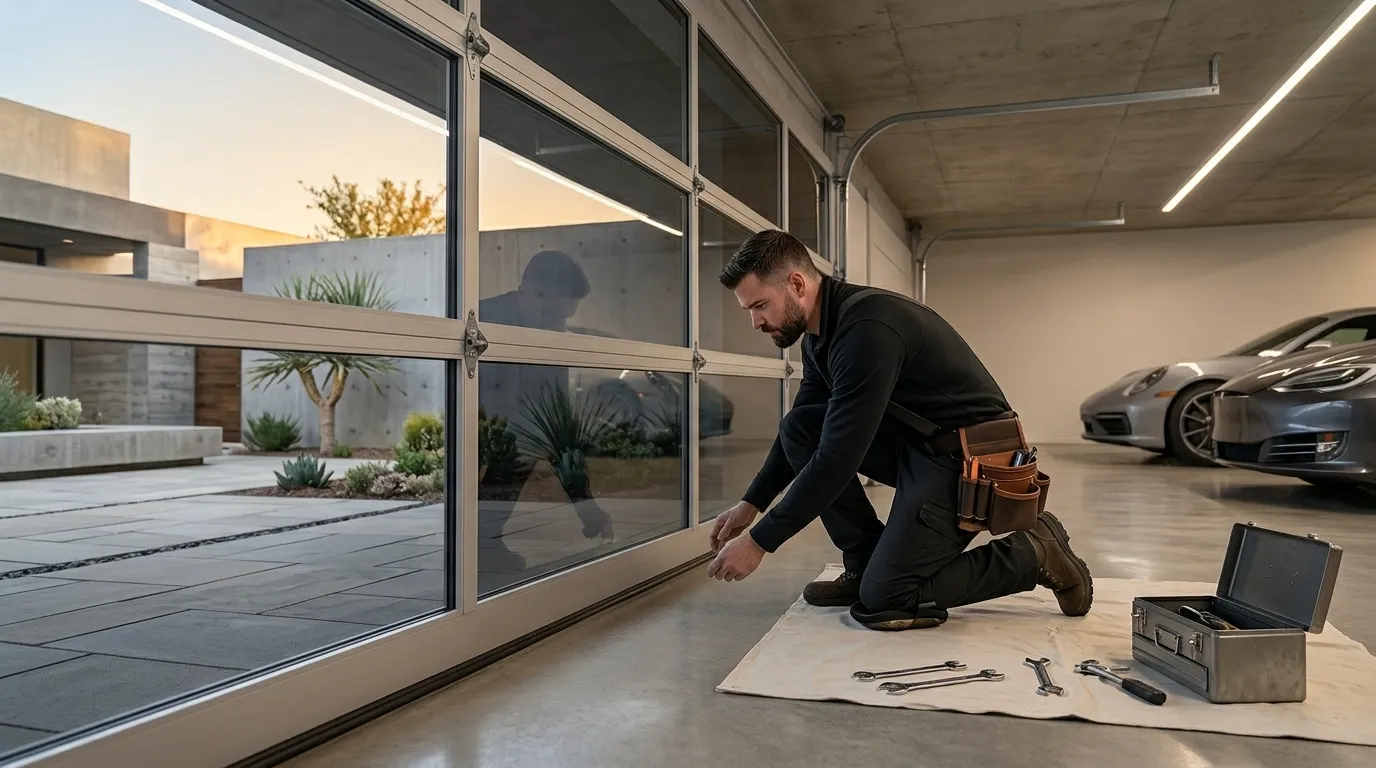
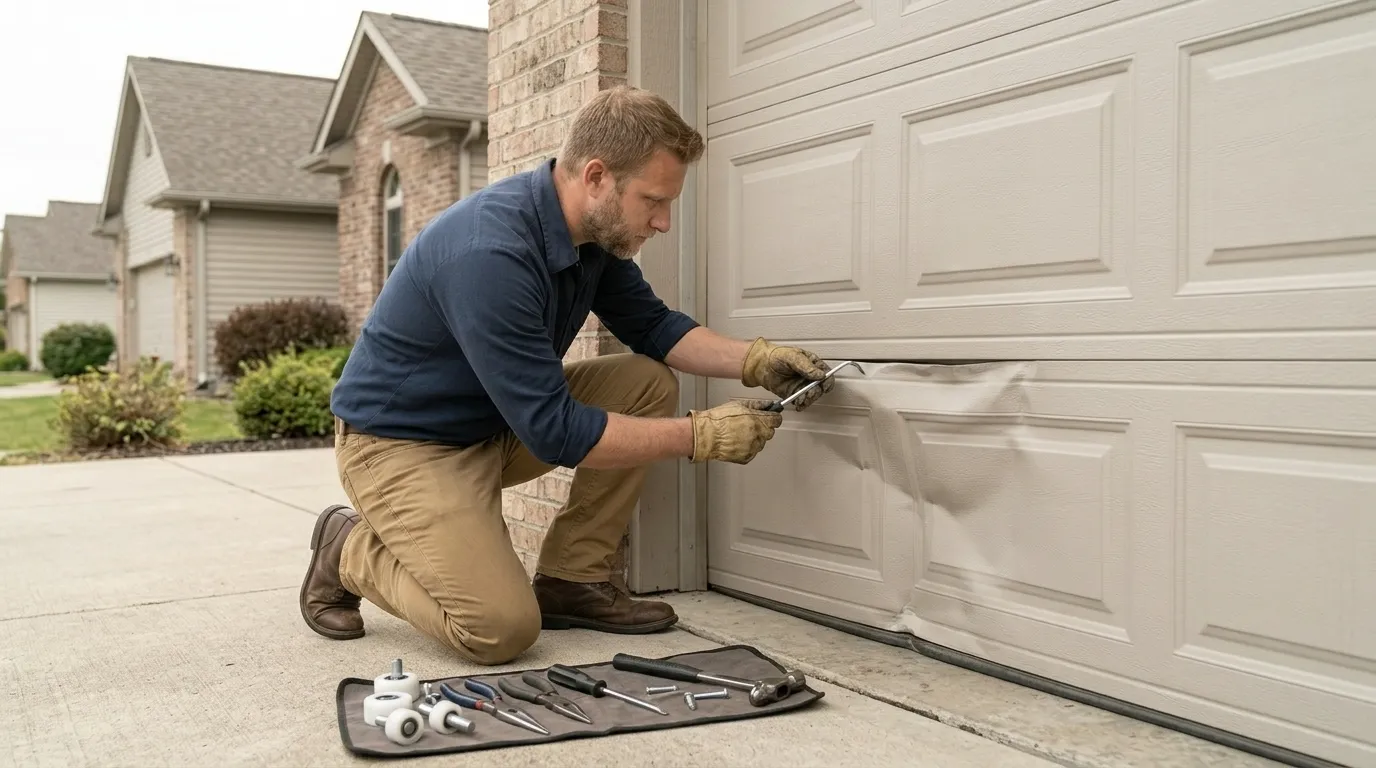
We pull the door, check the track for the wear grooves a bad roller leaves behind, and replace the full set rather than the one that finally seized. On a door this old, we also check the hinges and the drums, since the same-age hardware tends to fail in the same stretch of years.
The cold-climate band this area sits in matters here too. Grease on an original steel roller thickens hard in winter, so the door starts dragging weeks before a roller actually snaps. That drag is often the first sign something's about to go, not a defect you'd notice any other way. We carry both steel and nylon replacement rollers, and for a house built in the mid-60s we'll usually recommend nylon - quieter, and they don't need the same lubrication schedule the original steel ones did.
Can You Do This Yourself
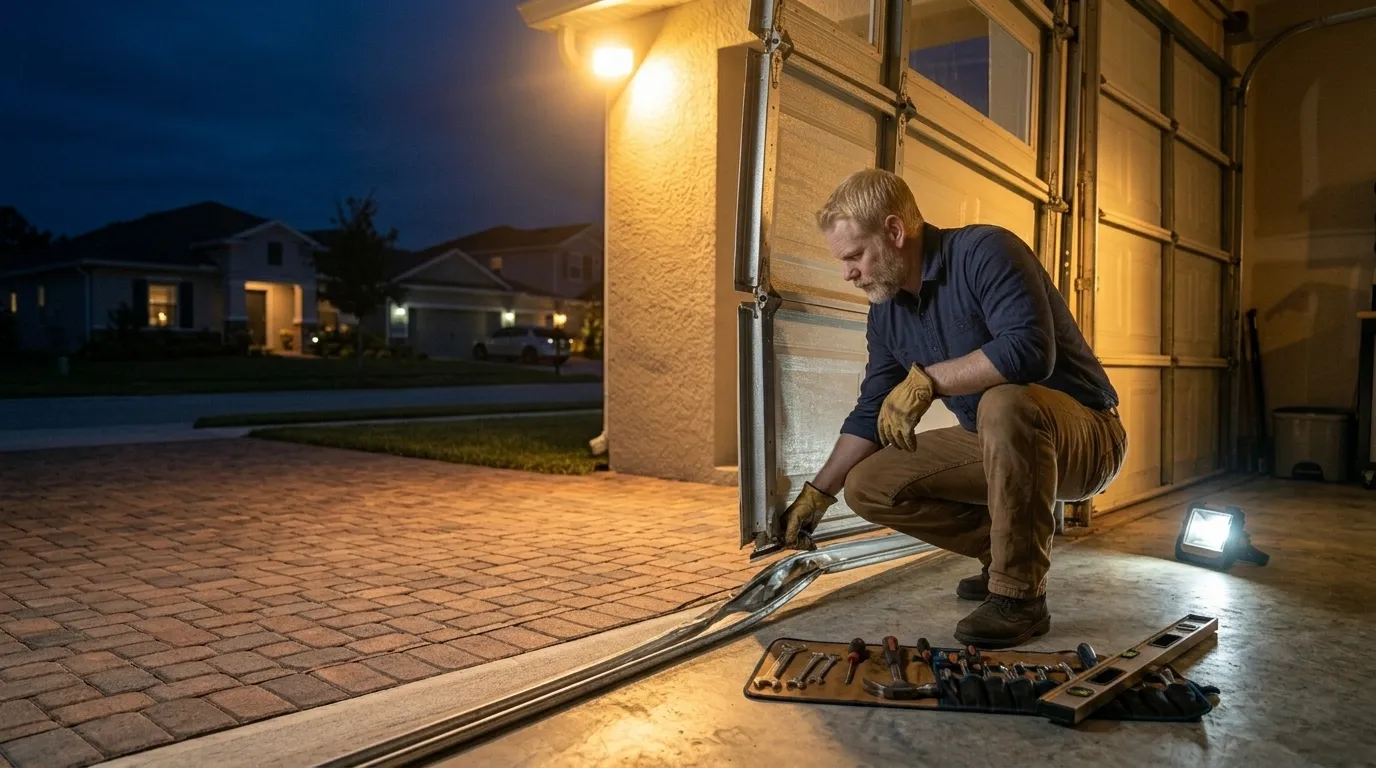
Rollers look like a bolt-it-on job, and on some doors they nearly are. The honest limit: on a door this age, the roller almost never fails alone. The track has usually worn a matching groove, and putting a new roller into an old groove just wears it out again in a season. You need to check the track straightness at the same time, and that means pulling the door off its hinges section by section - awkward without a second set of hands and the right clamps.
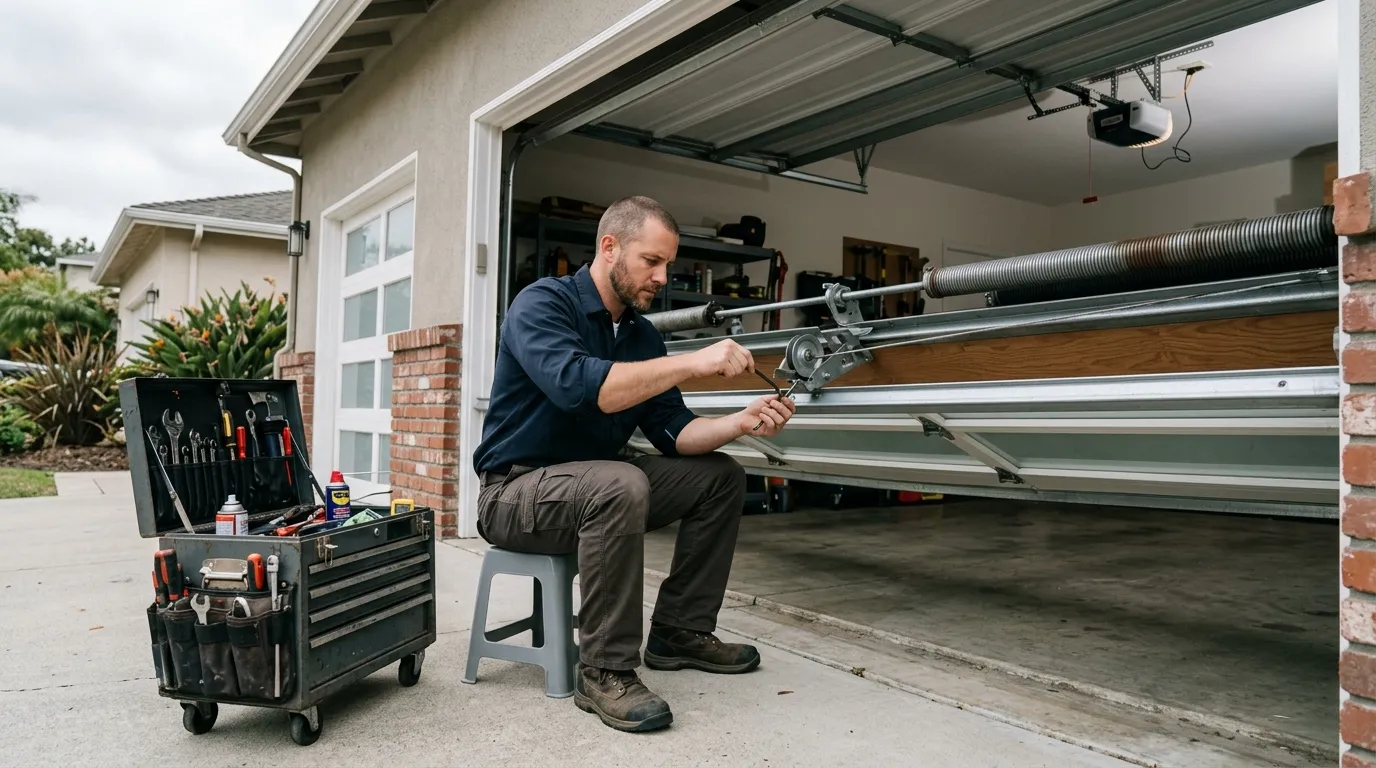
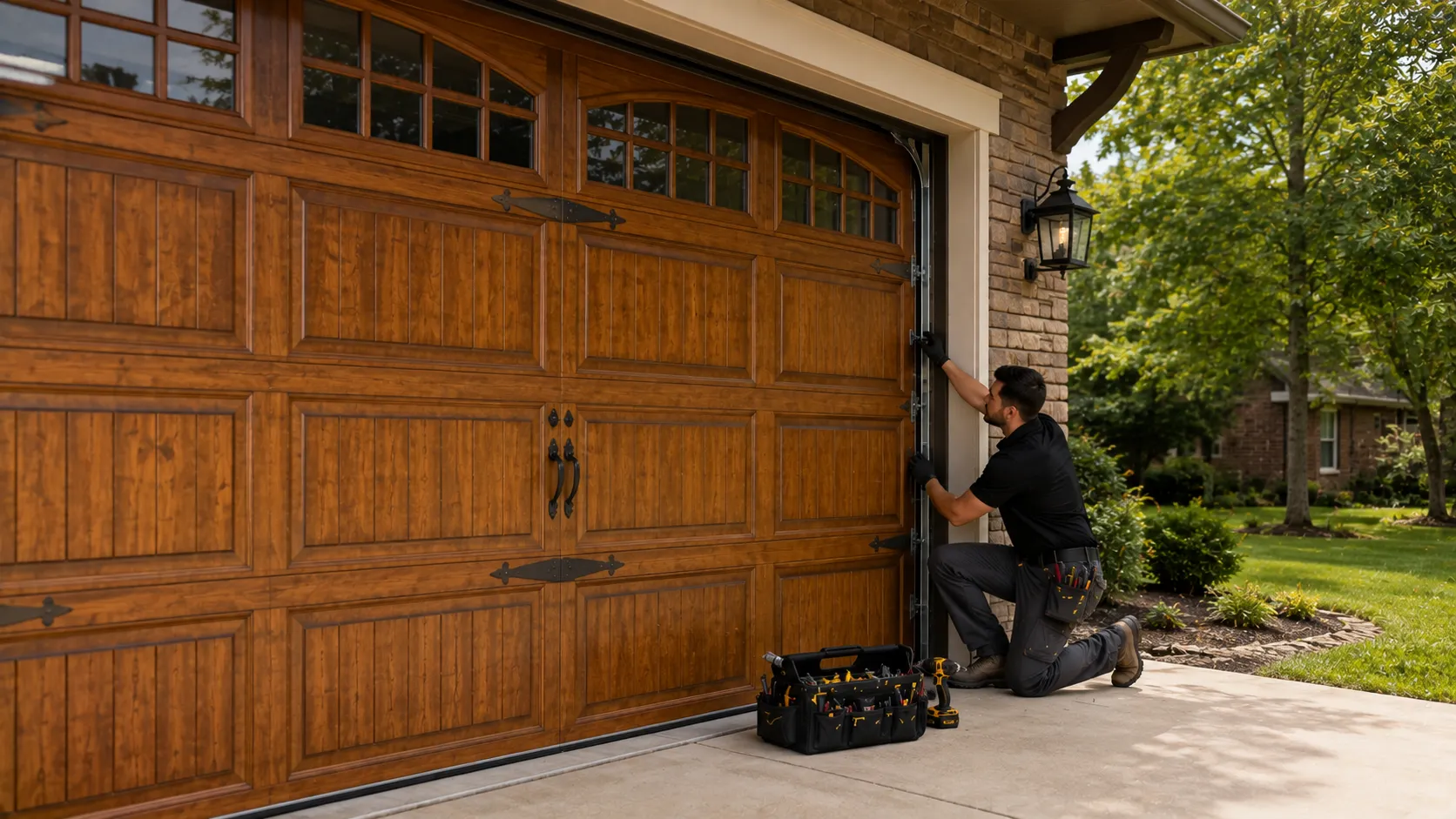
If your door has a torsion spring above the opening (most doors from this build era do), do not touch the roller brackets near the bottom fixture without releasing tension first. That's the part of this job that sends people to the ER, not the roller itself.
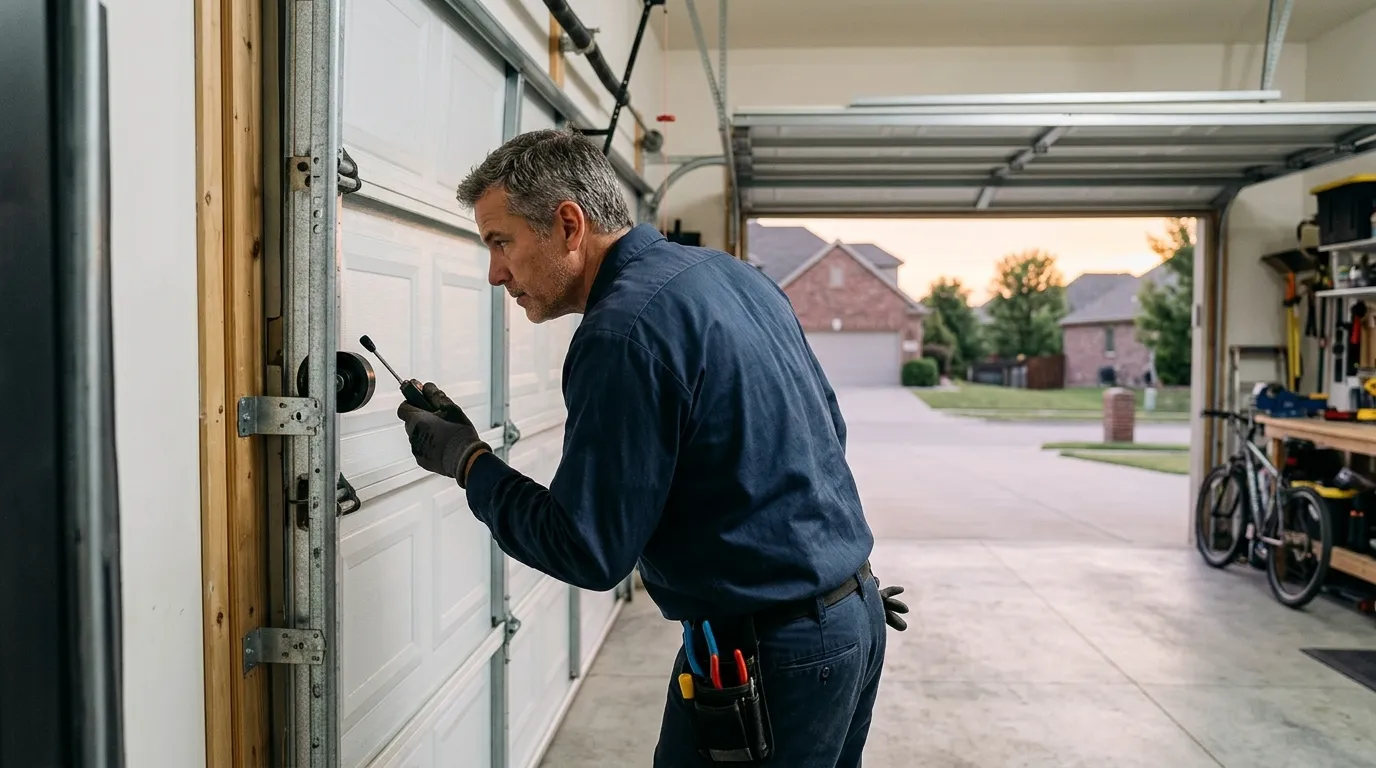
What you can safely do: pull one roller by hand (door down, opener disconnected) and look for a cracked wheel or a bent stem. That tells you whether you're looking at a roller job or something the track needs too. If the door binds or drags in the same spot every time, that's a track issue, not something a new roller alone fixes.
What You Pay
We're not going to put a number here that isn't accurate for your door, and roller jobs vary too much on a house this age to quote blind - a straight roller swap costs a lot less than a roller-plus-track repair, and you often don't know which one you've got until we're looking at the track.
What we will say: Hebron's median household income sits well under the wider service area's, and we price roller work as a repair, not as an excuse to sell a new door. If your track is straight and the rollers are just worn out, that's what you'll pay for - rollers, labor, the visit. If the track's grooved out from decades of the old hardware grinding on it, we'll tell you that adds to the job before we start, not after.