How to Book
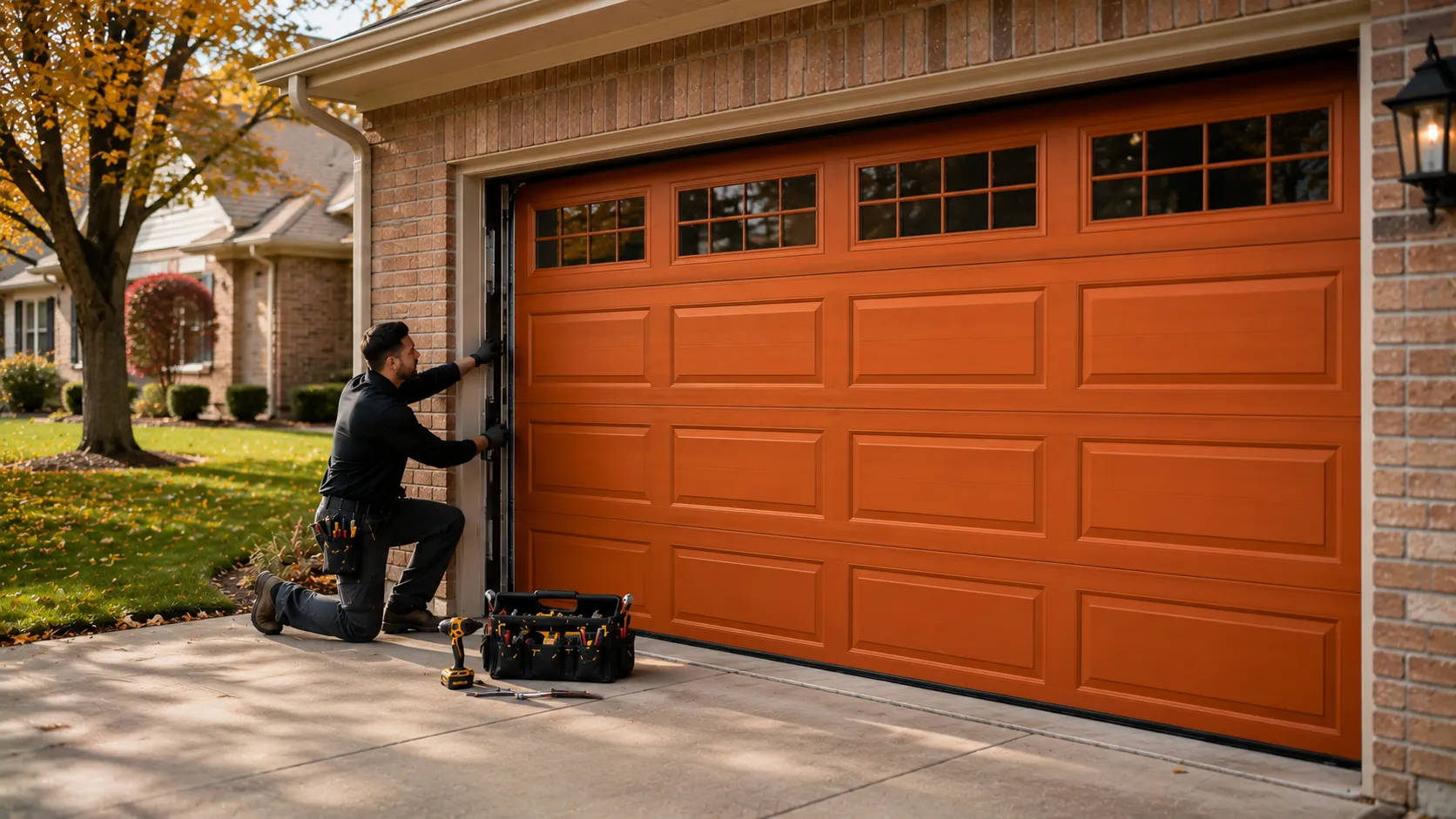
We're based in Newark, four miles out, and Granville is a short run for us - not a separate branch, just a regular stop on the truck's route. Call and describe what the door is doing: won't open, opener grinding, one side dropping faster than the other. We ask about the age of the house if you know it, because Granville's stock runs newer than a lot of what we see closer to Newark, and that changes what we bring on the truck before we've even pulled into the driveway. We schedule the visit, diagnose on site, and quote before any work starts. If the part isn't something we carry, we tell you that up front rather than guessing at a fix. We don't operate a Granville depot and won't claim a response window we can't back up - the honest answer is we come from Newark every time, and the drive is short enough that it's rarely the bottleneck.
Links: Granville garage door repair or, for other work across the wider service area, see garage door service in Newark, OH.
How We Fix It
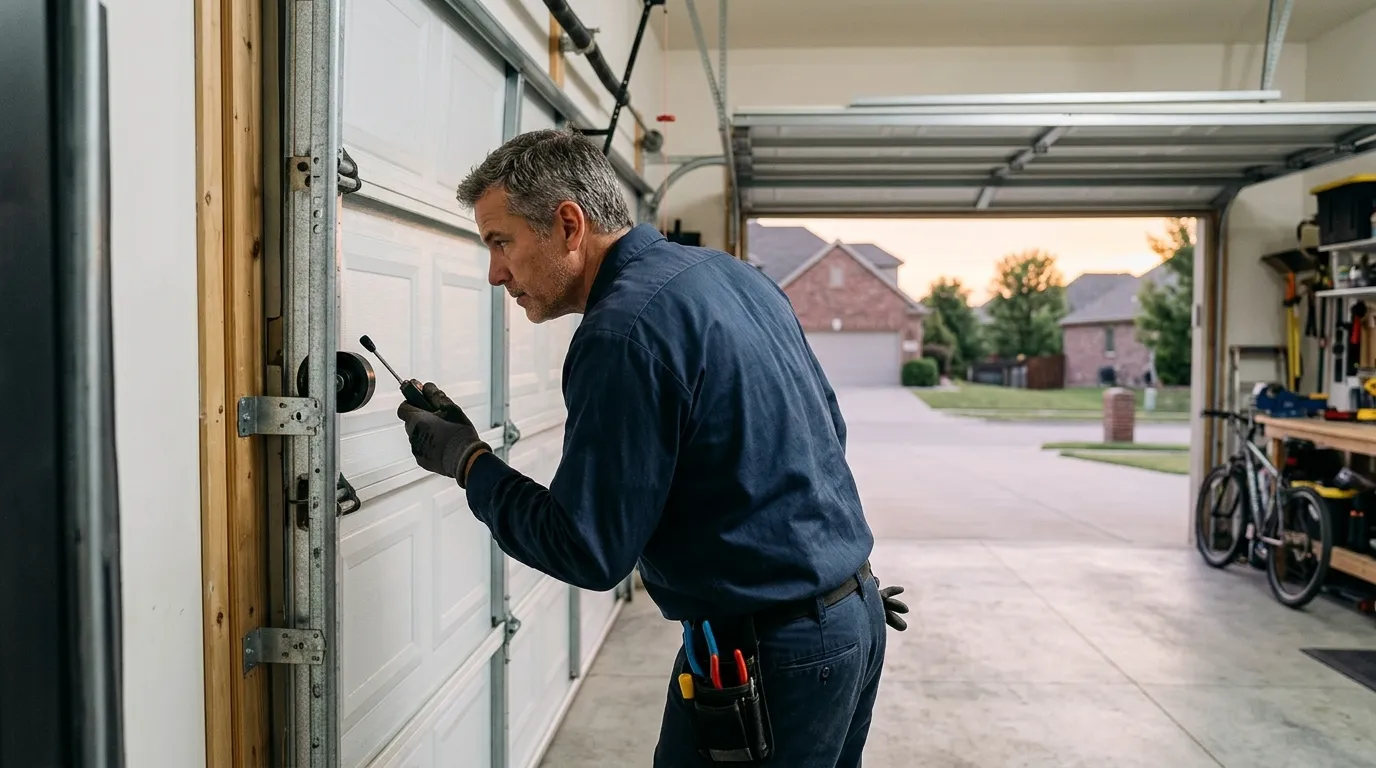
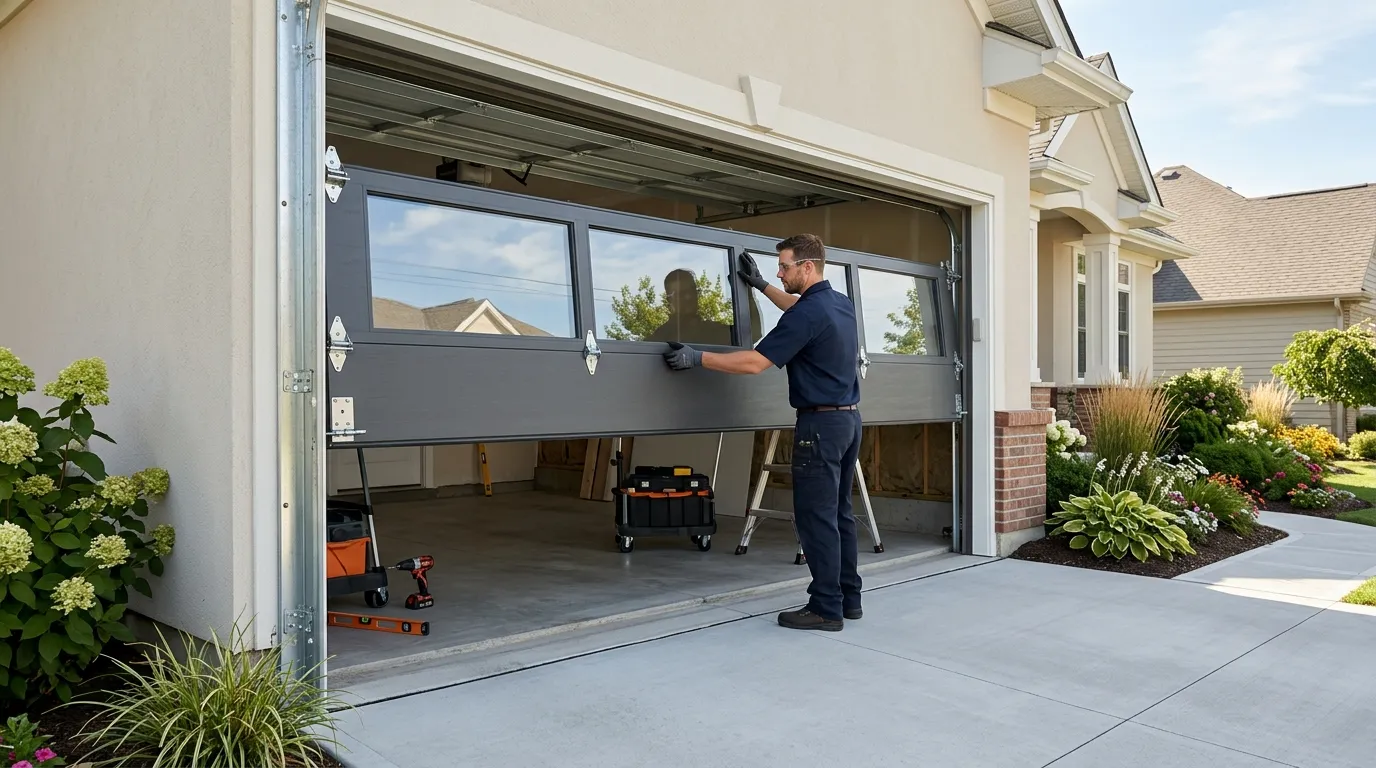
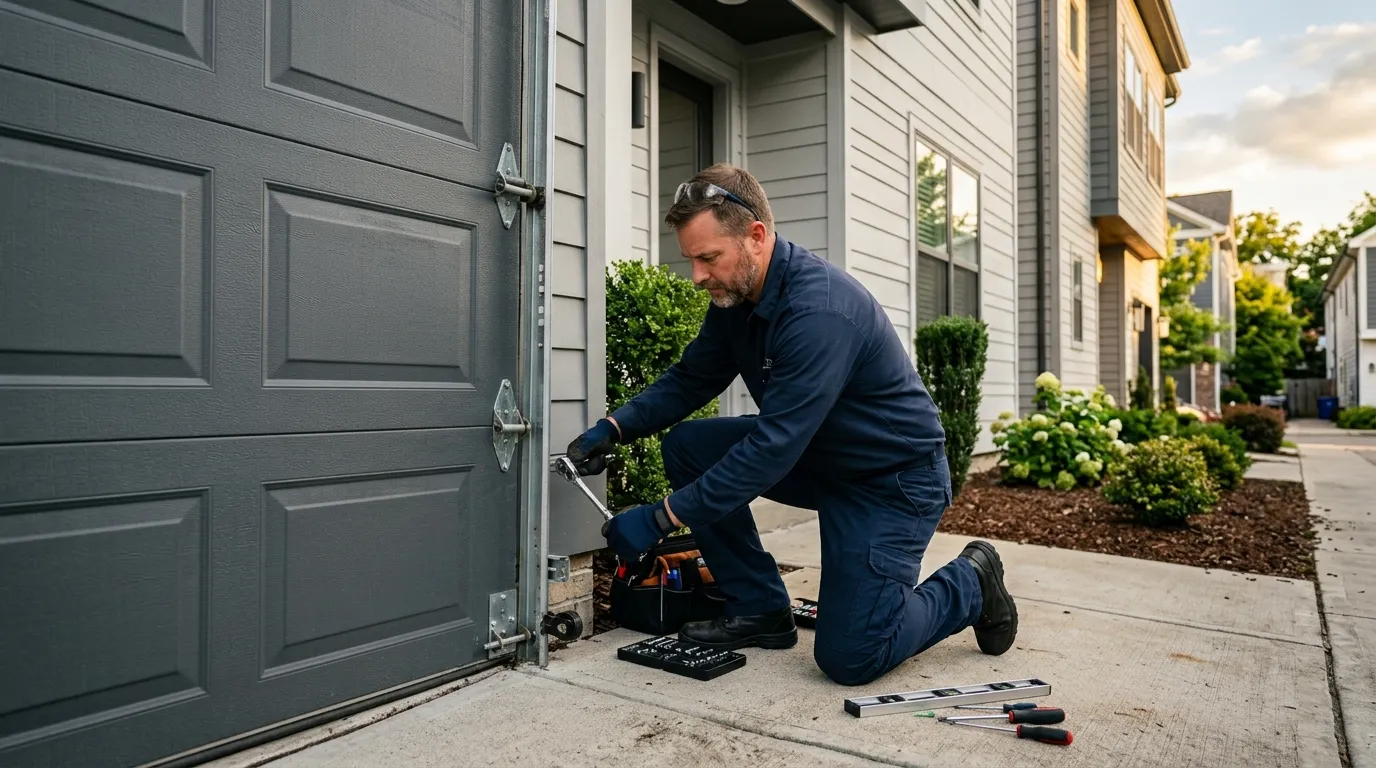
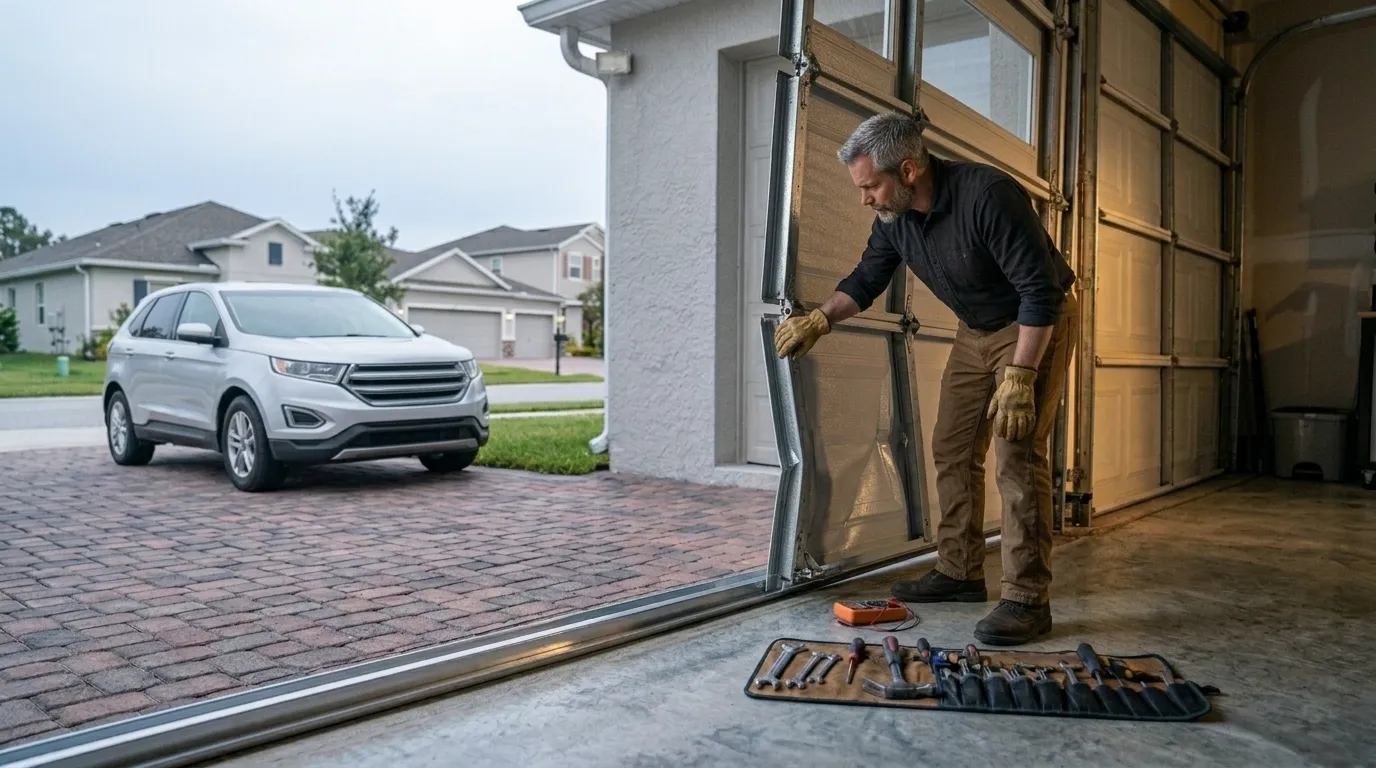
Median build year in Granville runs to 1986, a good ten years newer than the broader Newark-area median of 1976. That decade matters. Doors built in the mid-80s are steel sectional units, usually on extension springs mounted along the horizontal track rather than the torsion setups on a center shaft that came standard later. We check spring balance first - a door on failing extension springs will slam down or won't stay put halfway - then look at the opener, since chain and belt units from that build era are old enough now that circuit boards and capacitors fail before the motor itself does.
We don't rebuild a door that's cheaper to replace outright. If the track is bent, the panels are rusted through, or the springs have stretched past safe tension, we say so rather than patching around it. Most of what we see in Granville is repairable: a spring swap, a cable replacement, an opener logic board. We fix what's fixable and we're direct about the jobs that aren't worth it.
Parts We Carry
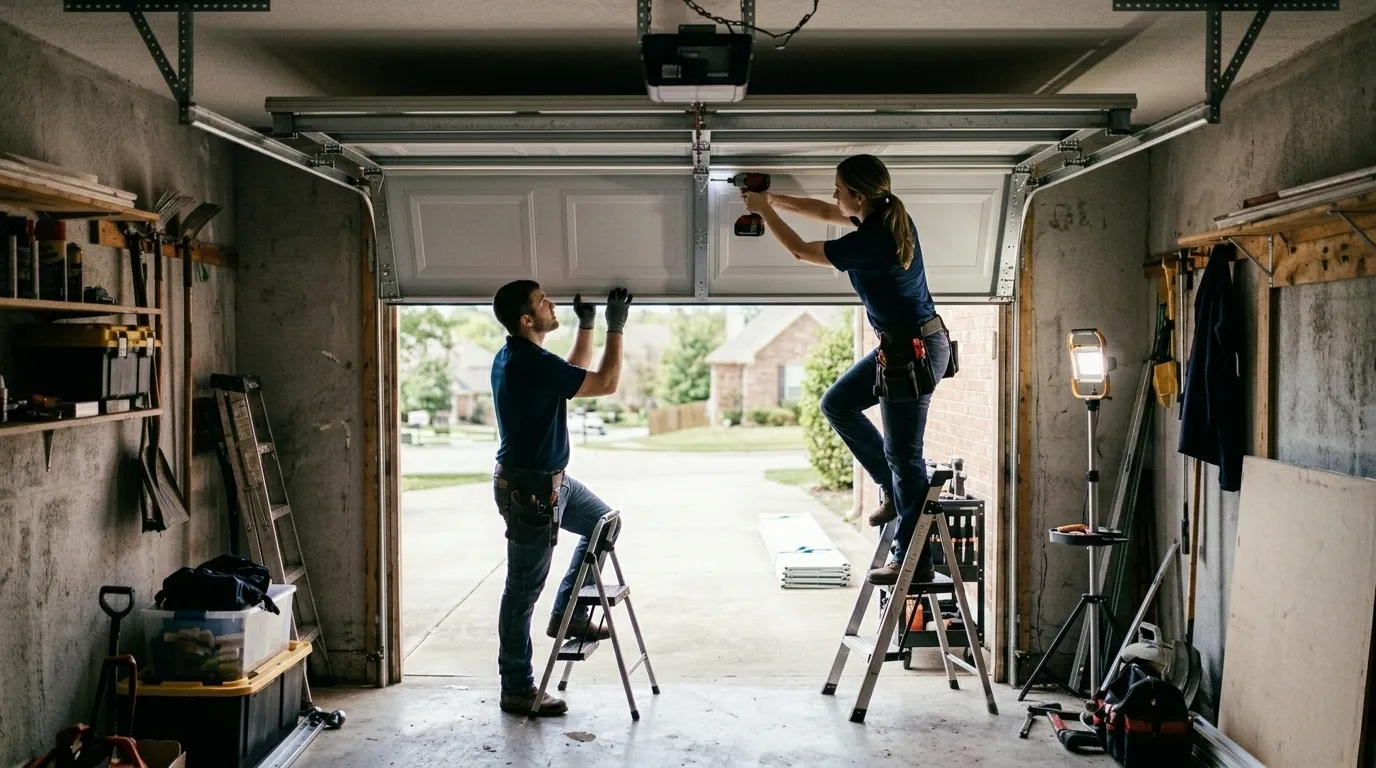
For the extension-spring doors common to Granville's 1980s-era garages, we carry replacement extension springs in the standard residential weights, along with the safety cables that should run through them - a lot of original installs from that period skipped the cable, and it's one of the cheaper upgrades we make while we're already on site. We stock steel panel sections for common widths, rollers, and end bearings.
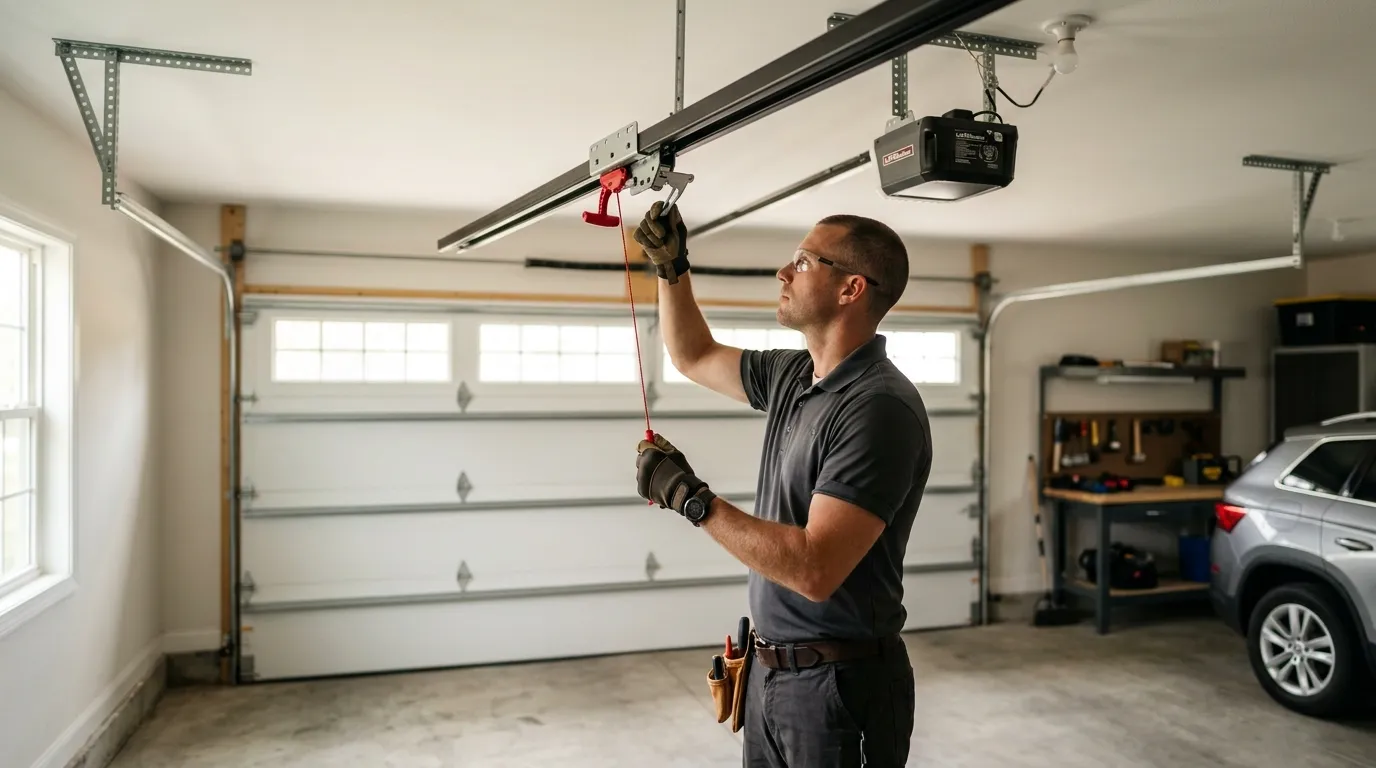
For openers, we carry logic boards and drive components for chain and belt units, but we don't stock every board for every model built in the mid-1980s - some of that hardware is old enough that a specific part has to be ordered, and we'll tell you that timeline before you commit to the repair rather than after. If a full opener swap makes more sense than chasing a discontinued board, we'll say so plainly; that's usually the case once a unit is pushing forty years old.
What Causes It Around Here
Two things drive most of the calls we get from Granville. First is straightforward age: with a median build year of 1986, a lot of the original hardware - springs especially - is closing in on or past its rated cycle life. Extension springs don't fail gradually; they go all at once, usually on a cold morning.
Which is the second factor. This region sits in a severe cold climate band, and steel contracts in low temperatures - springs lose a little give, lubricant thickens, and a door that was borderline all autumn finally lets go once the temperature drops hard. We see a real jump in spring and cable failures through the coldest stretch of winter, concentrated on doors that are already near the end of their working life. It's not one cause pushing on another gently; it's an aging part meeting a season it wasn't built to handle indefinitely. Regular lubrication in the fall helps more than most homeowners expect, but it doesn't stop a spring that's already worn thin.