What You Pay
We don't have a set price to quote you here, and we're not going to make one up. What drives the cost on a roller job is how many rollers need swapping, whether the track has to come off with them, and whether you want plain steel rollers again or sealed nylon. In a neighborhood built mostly in the mid-1970s, we're usually replacing a full set of 10 rollers at once rather than one or two, because if one steel roller from the original install has worn through its bearing race, the rest are close behind on the same clock. Granville South's household incomes run well above the wider Newark service area, and we see that reflected in more owners choosing to upgrade to sealed nylon rollers rather than replace steel-for-steel, since the price difference is small next to the noise and maintenance it saves. We'll give you the real number after we look at the track and the rollers in hand, not before.
Can You Do This Yourself
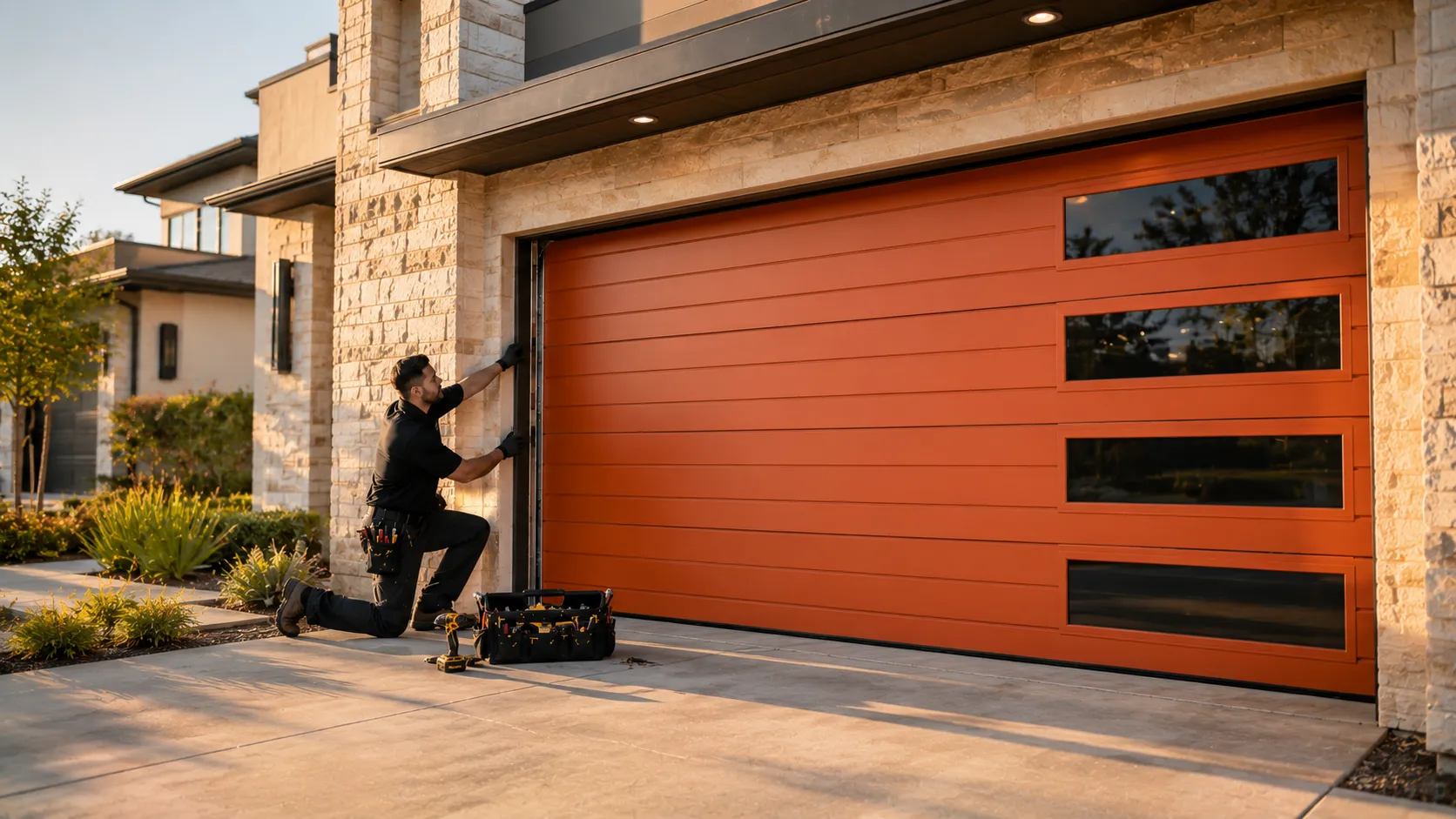
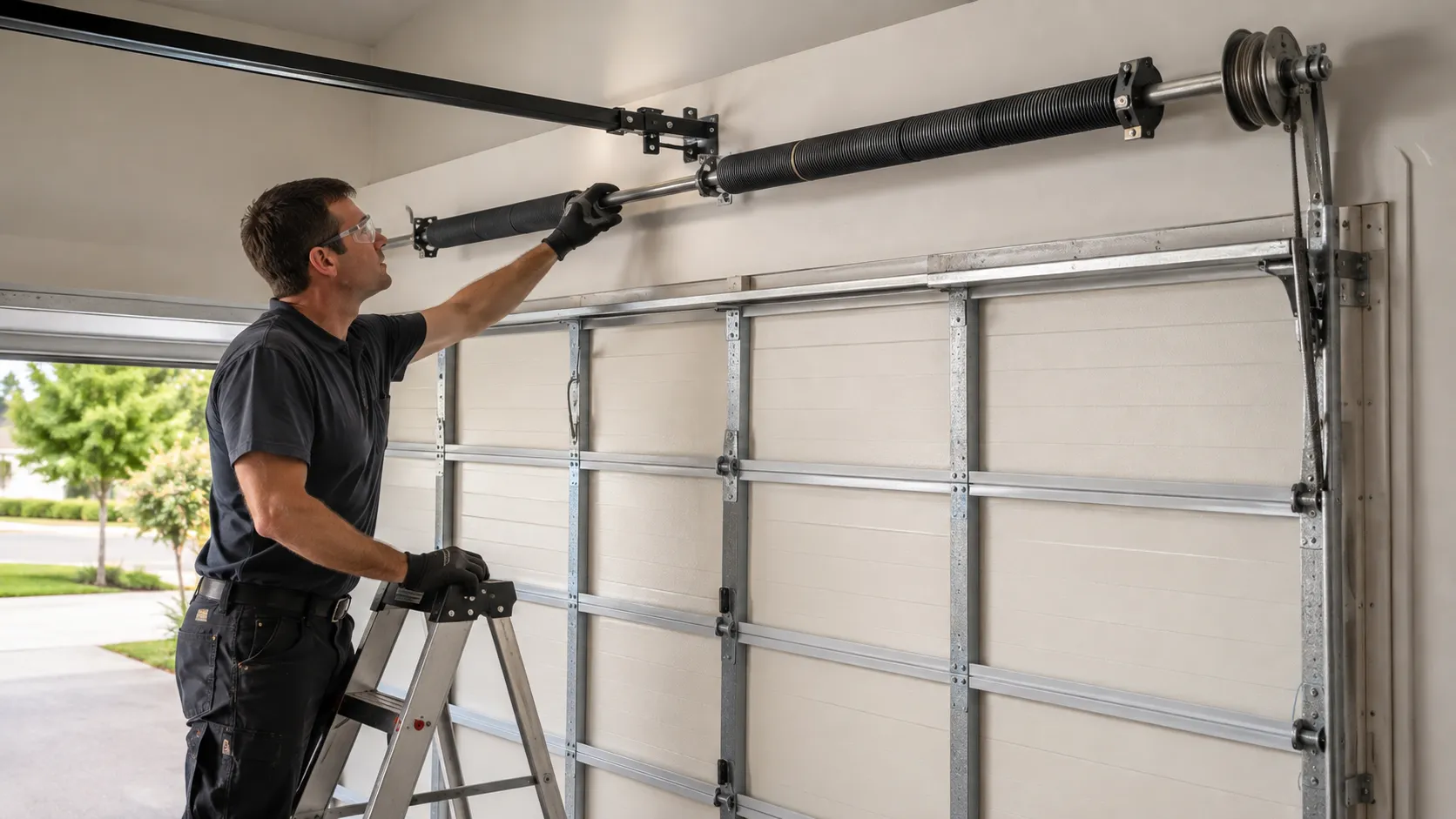
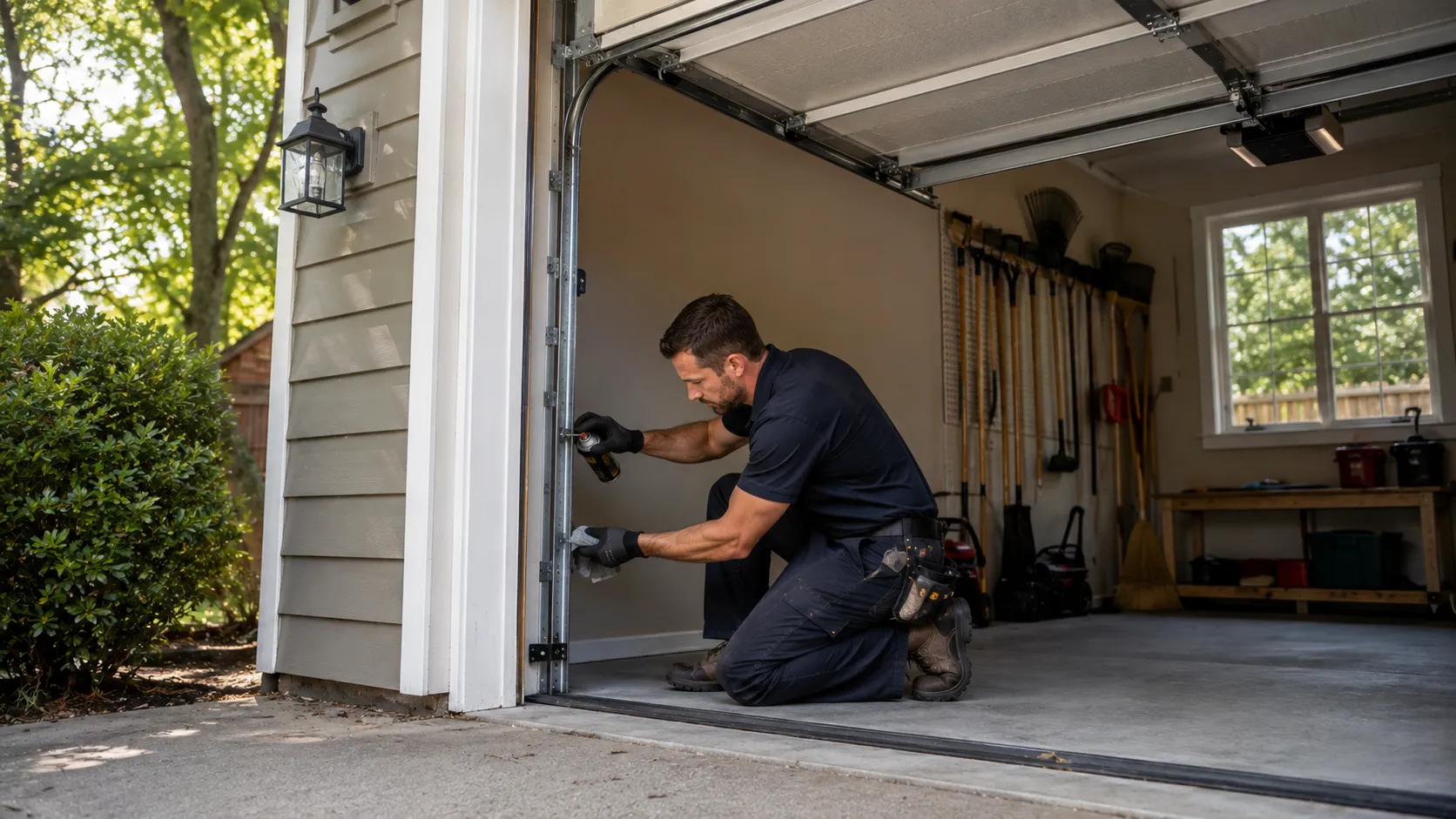
A single roller on a light single-car door is within reach for someone comfortable with a ladder and a socket set - loosen the track bracket, slide the old roller stem out, slide the new one in. Where it gets dangerous fast is a torsion spring under load, and on doors from this housing era that's most of what you're dealing with. Original 1976-vintage tracks are also often slightly narrower than today's standard, which means a roller that looks like a match at the hardware store can bind in the track and wear a groove into it within a season. If you're only swapping one roller on a door that isn't sagging or binding, it's a reasonable weekend job. If the whole set is original and worn, or the door drops when you release the opener, that's a job for someone who does it daily - not because you can't turn a wrench, but because the spring makes a mistake expensive.
What Can Go Wrong
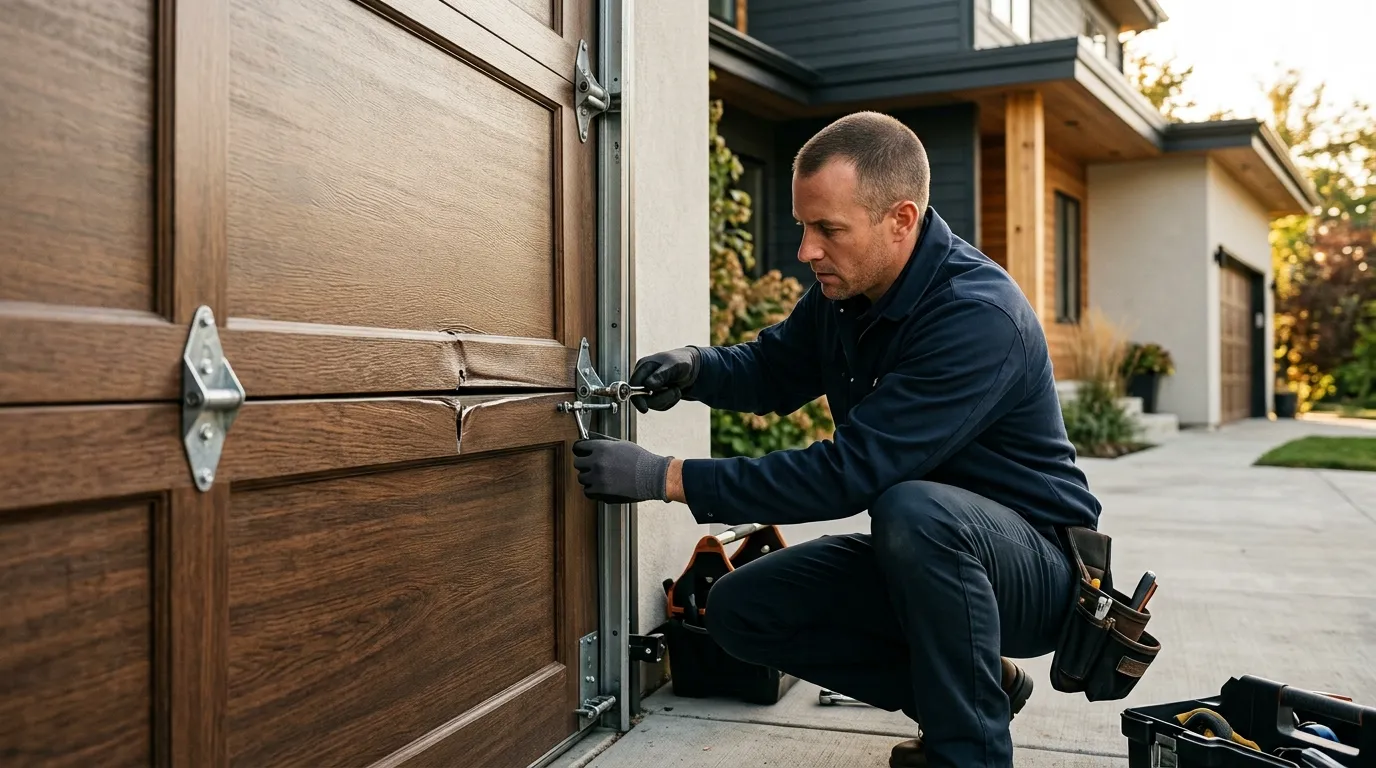
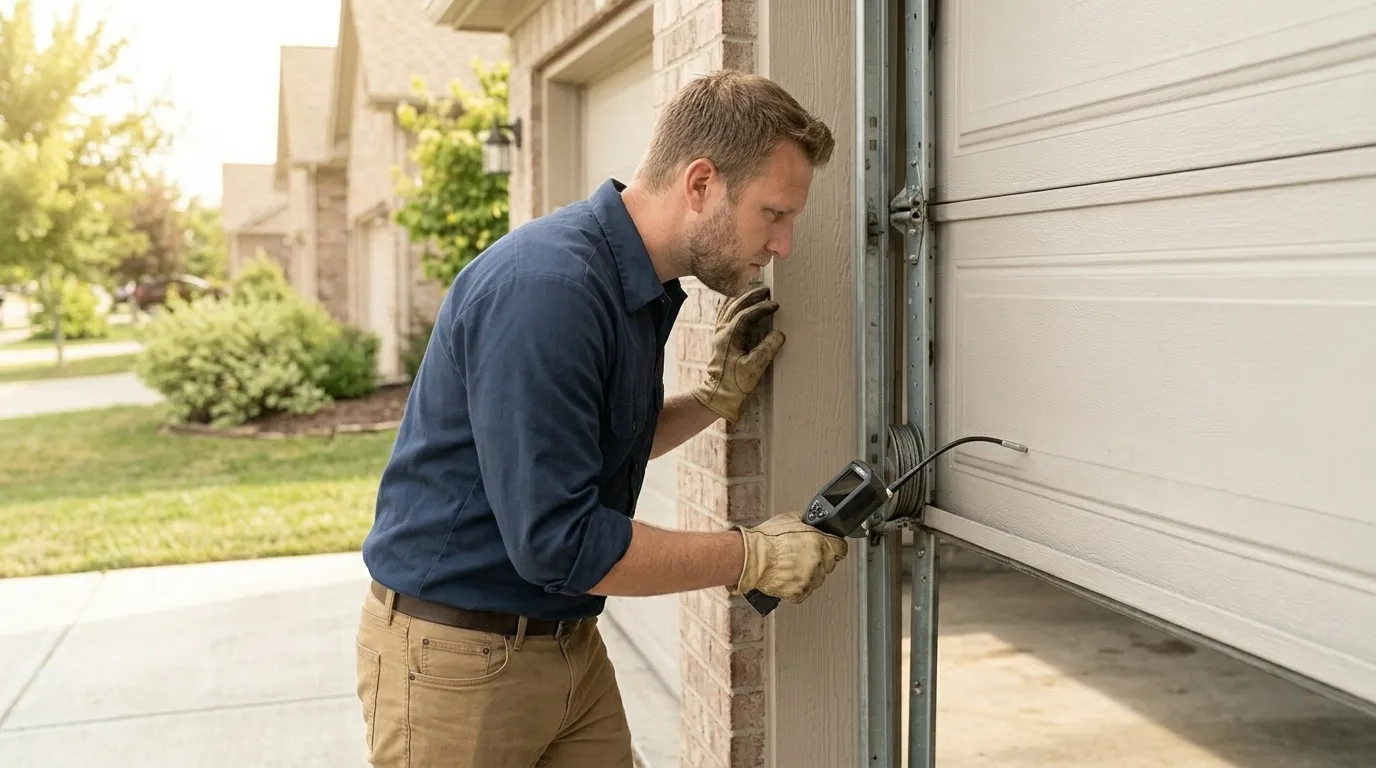
The main risk with original hardware this old is that a track worn by decades of steel rollers won't seat a new roller cleanly, so we sometimes find the track itself needs straightening or replacing at the same time - that's the honest limitation here: a roller swap on its own can't fix a track that's been ridden hard for 45 years. Skip that step and the new rollers wear the same way the old ones did, just faster. Winters here are cold enough that grease inside an old bearing can gum up and crack rather than lubricate, which is part of why steel rollers from this era fail in clusters rather than one at a time. We check the whole run - rollers, track, hinges - before we call it a roller job and not something bigger.
How Long You Are Without the Door
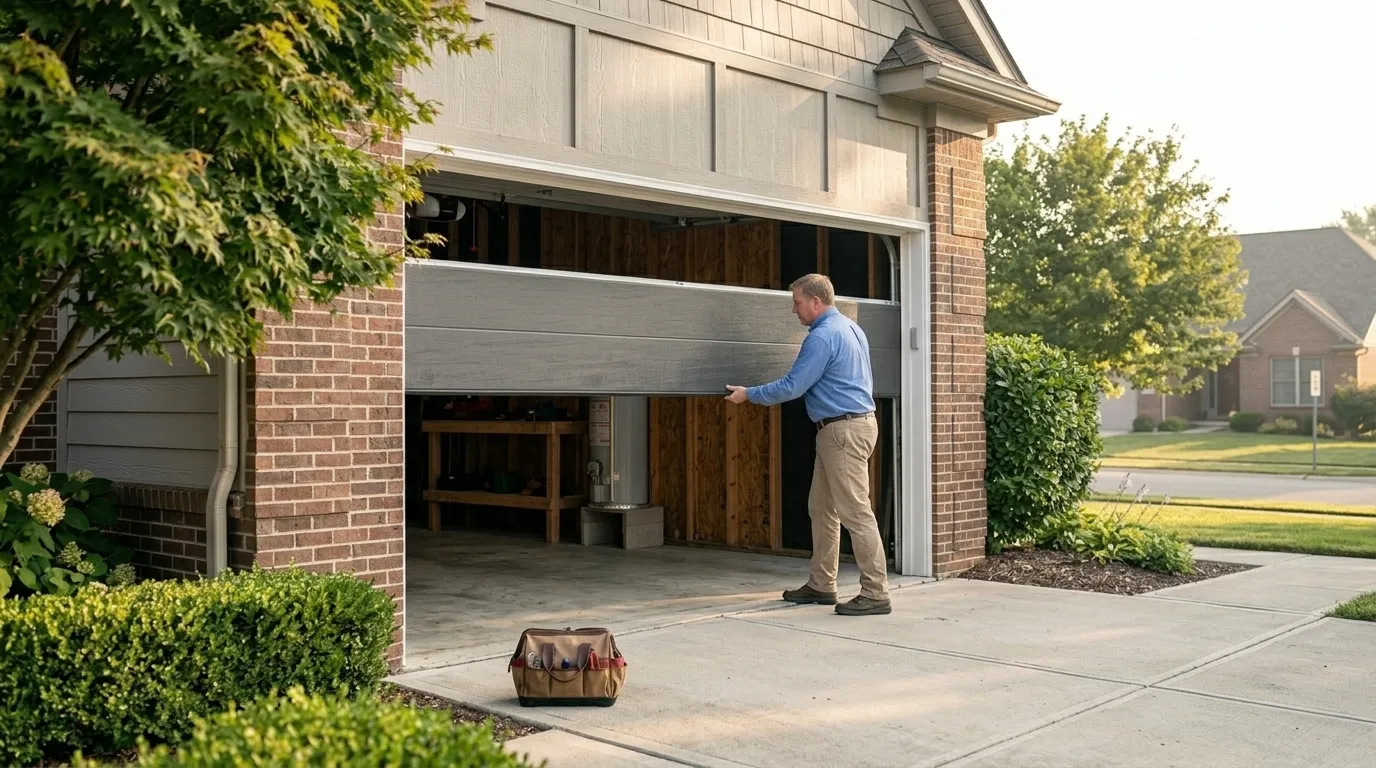
We work out of Newark and Granville South is about 6 miles out, so travel isn't the bottleneck - the job itself is. A straightforward full-set roller swap on one door, sealed nylon rollers on hand, is usually finished the same visit, door back in service before we leave. If the track's worn enough to need replacing too, that adds time on site since we're aligning a new track section rather than just dropping rollers in. We don't carry a promise on hours here beyond that - it depends on what we find once the door's open, and we'd rather tell you that straight than give you a number we can't back.