
Can You Do This Yourself
Johnstown's median household income sits at $94,955, above the $91,819 median across the wider Newark service area, and that number matters more than it sounds like it should. At that income level, a lot of homeowners can afford to replace a door outright instead of nursing along a cable or a bent track, and for anything built around 1992 - roughly when most Johnstown houses went up - that's often the smarter call once a repair bill starts climbing past a couple hundred dollars.
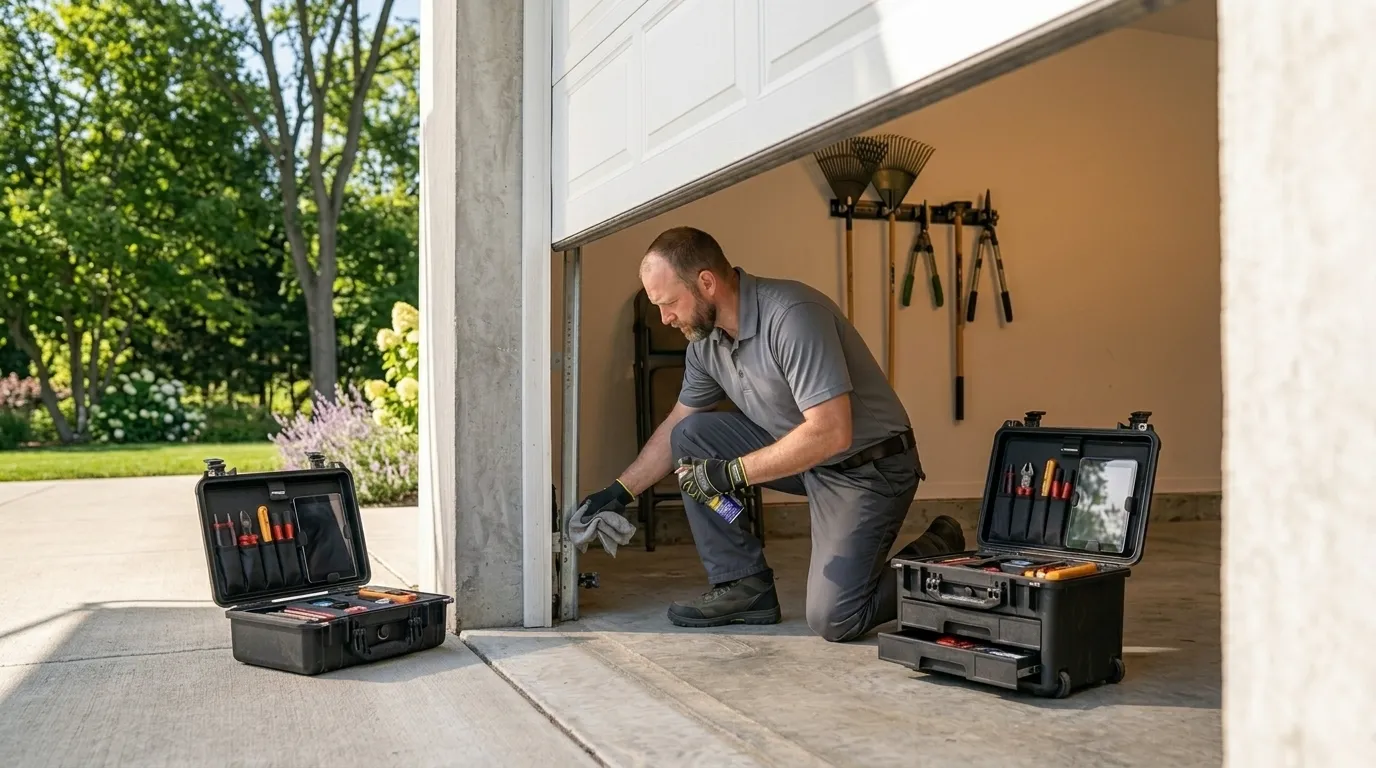
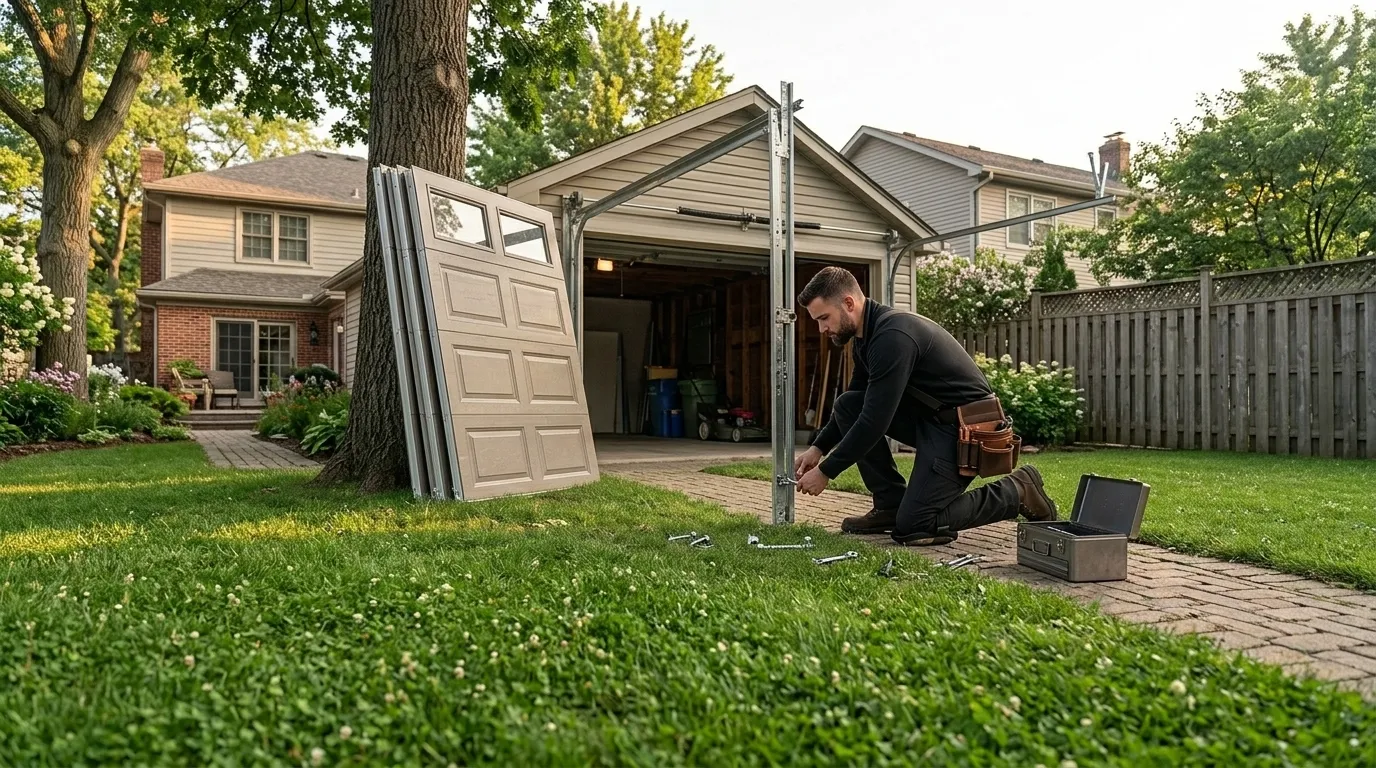
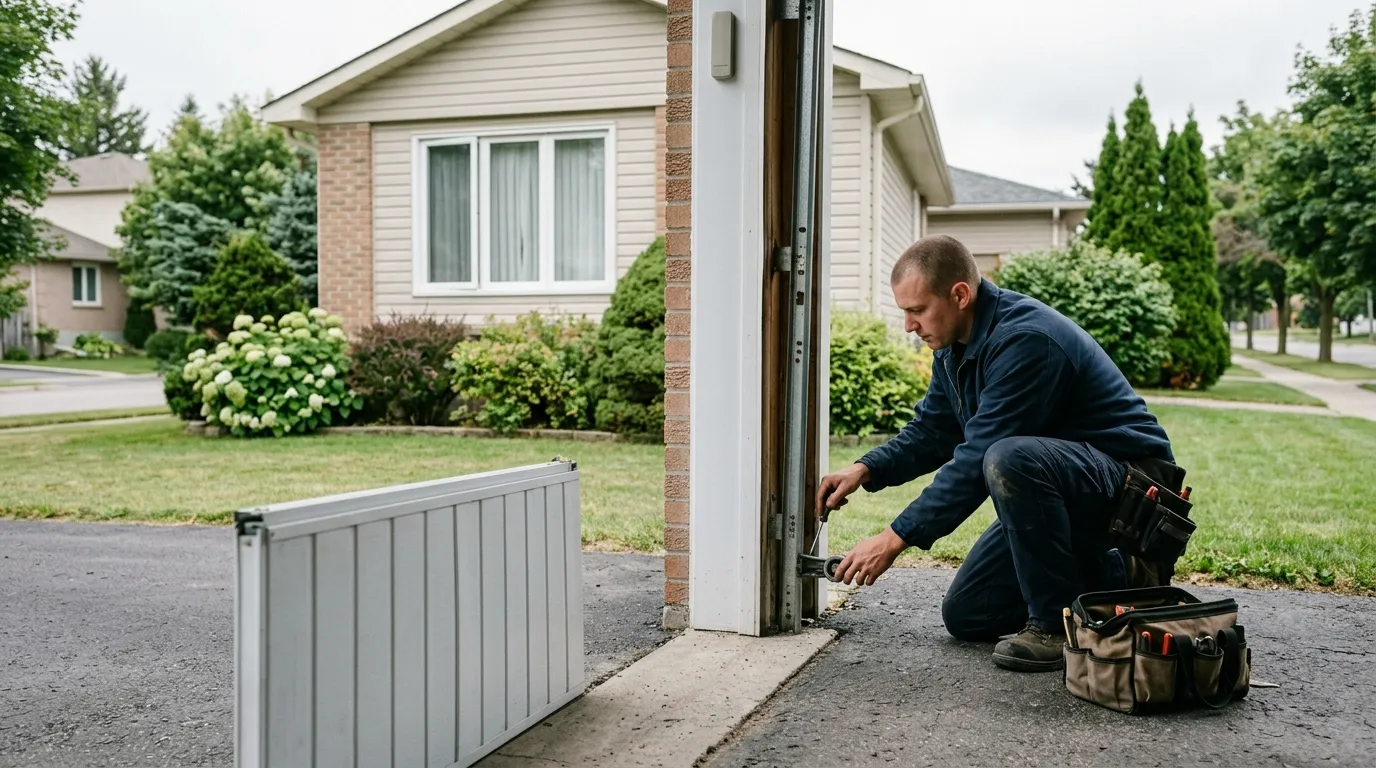
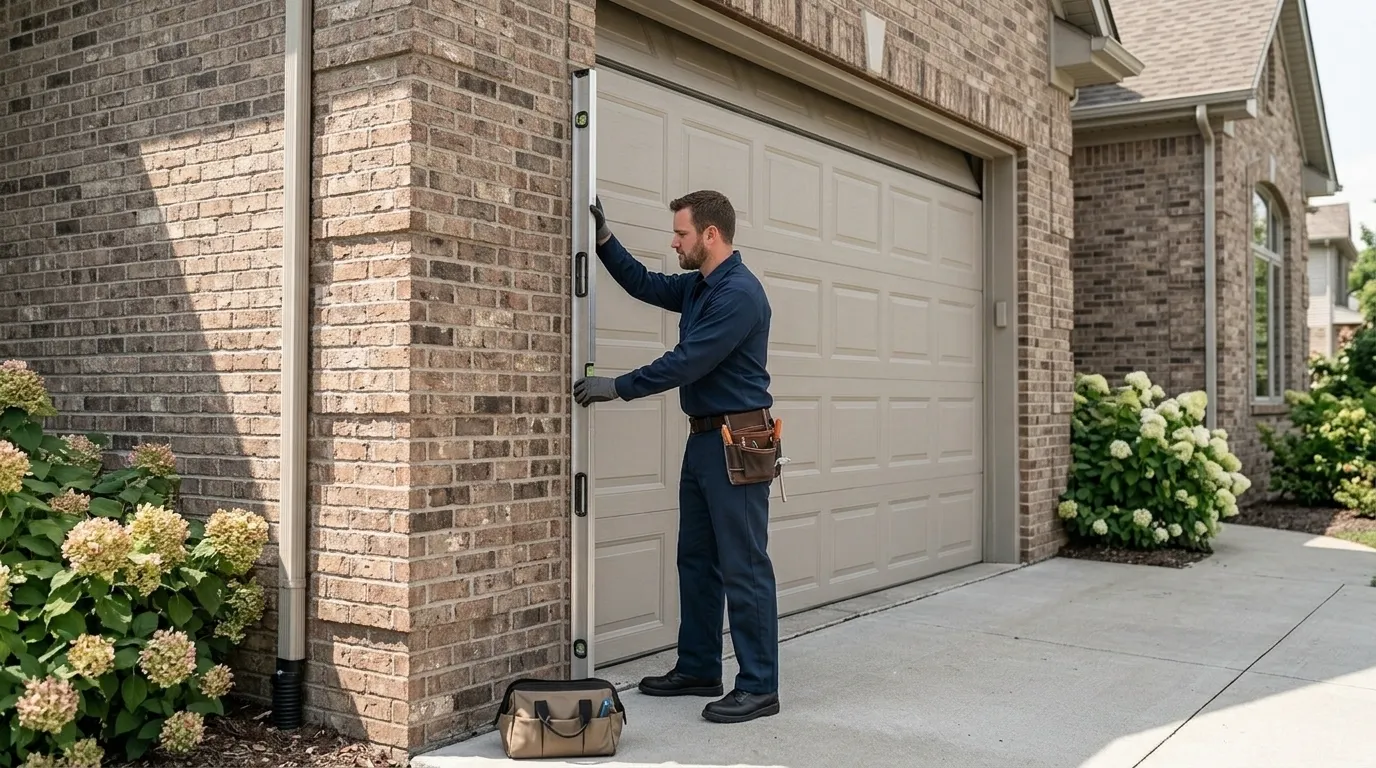
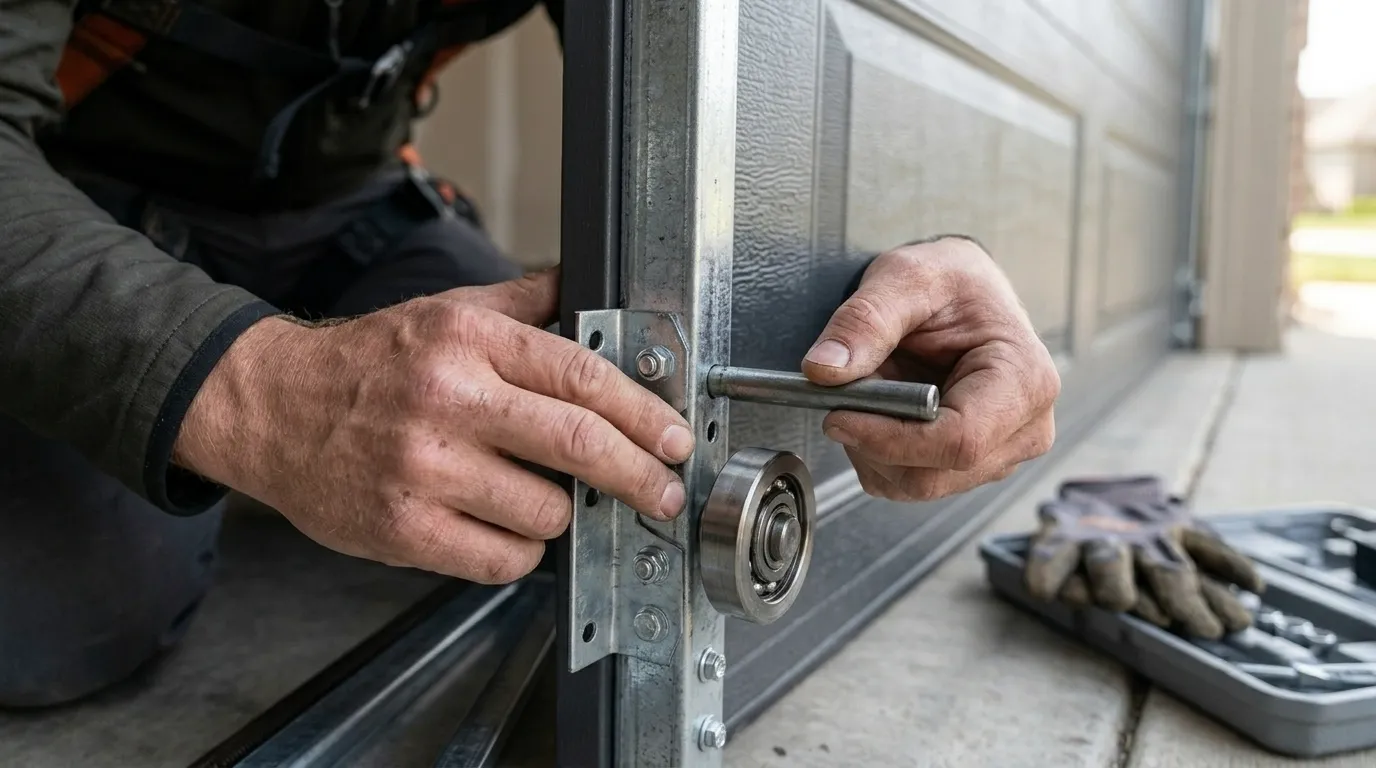
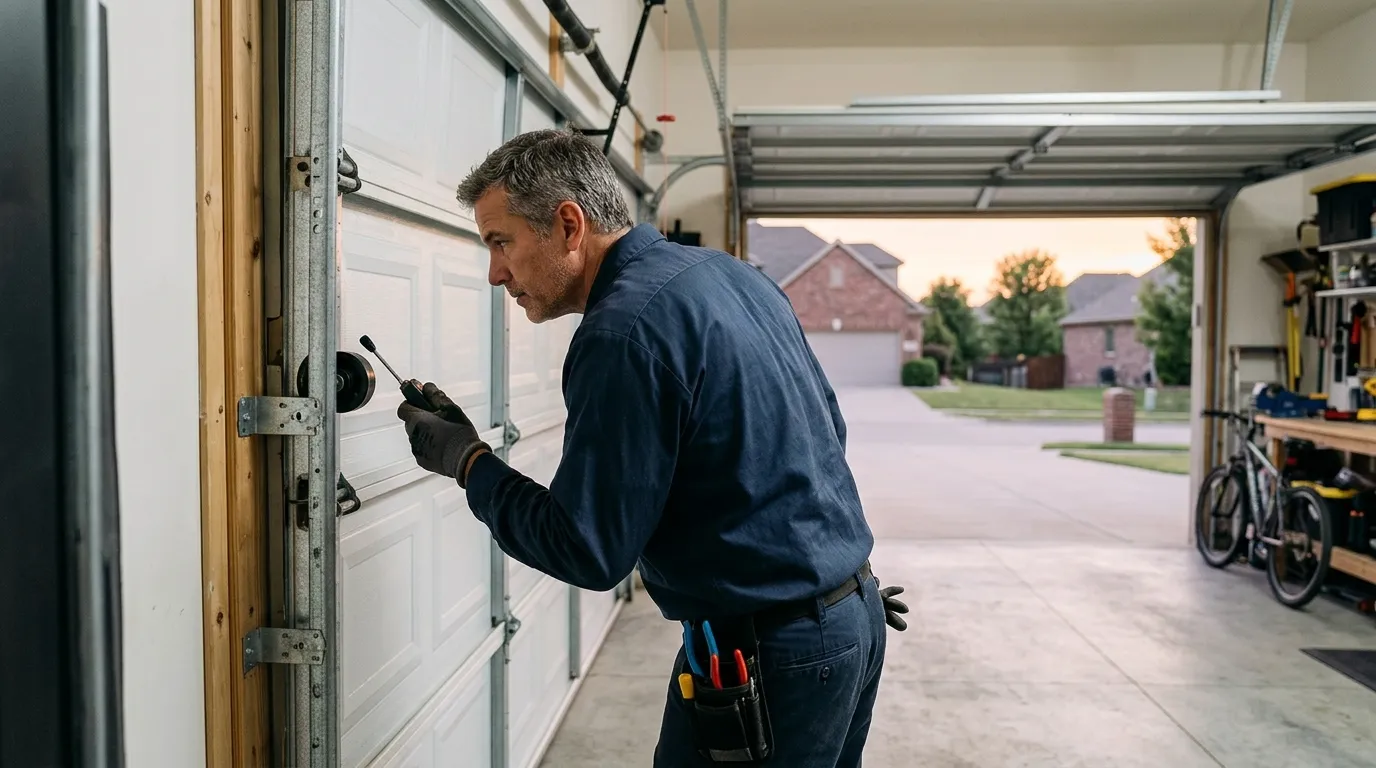
That said, plenty of jobs here are simple enough to do yourself. Swapping worn rollers, tightening loose track bolts, lubricating hinges, and replacing a photo-eye sensor that's gotten knocked out of alignment are all reasonable weekend jobs if you're comfortable with a ladder and a socket wrench.
What you should not touch is the torsion spring or anything under tension - the cable, the drum, the winding cones. Those parts store enough force to break a bone or worse, and a 1992-era door on original hardware has had three decades to fatigue that spring past where it should be. If your door won't open, or opens and slams down, that's a call, not a project.
One honest limitation: we come from Newark, 15 miles out, so we can't offer a same-day emergency window the way a shop based in town could. Plan around that if the door is your only way to get a car out.
What Can Go Wrong
Houses built around 1992 in Johnstown were part of a later wave than most of the service area, where the bulk of the stock is 1960s and 70s. That gap matters for the kind of failures you'll see. A door from this era is more likely to have a factory-installed opener with a chain drive and an aging logic board than the older side-mounted torsion setups common on the earlier homes elsewhere in the territory.
The common failure on a 30-plus-year-old opener isn't the motor - it's the circuit board losing its memory of the travel limits, which makes the door reverse early or slam the last few inches. The second most common failure is the torsion spring itself. Steel fatigues on a cycle count, not a calendar, and a spring rated for 10,000 cycles that's run two garage doors a day for three decades is well past due.
Cables fray at the drum end first, usually invisible until one strand goes and the door drops crooked. Rollers, especially the original nylon ones, crack and shed pieces you'll find swept into the corner of the garage months before the door itself starts binding.
We don't stock every control board for every opener brand on the truck - some of the older boards for 1990s-era chain drives are special-order parts now, and that can add a few days to a repair rather than same-visit.
What Causes It Around Here
Johnstown sits in the same severe cold climate band as the rest of the Newark service area, and that matters more for garage doors than people expect. Steel springs contract in cold weather, which changes how much force they deliver on a given wind, and a spring that's already near the end of its life is more likely to snap on a January morning than a July afternoon.
Beyond the cold, the age of the stock here does most of the explaining. A door and opener installed when a house was built around 1992 is now well past the point where original hardware is considered reliable. Nothing failed because of bad weather or bad luck - it failed because torsion springs, cables, and nylon rollers all have a working life measured in cycles, and three decades of daily use gets any of them there eventually.
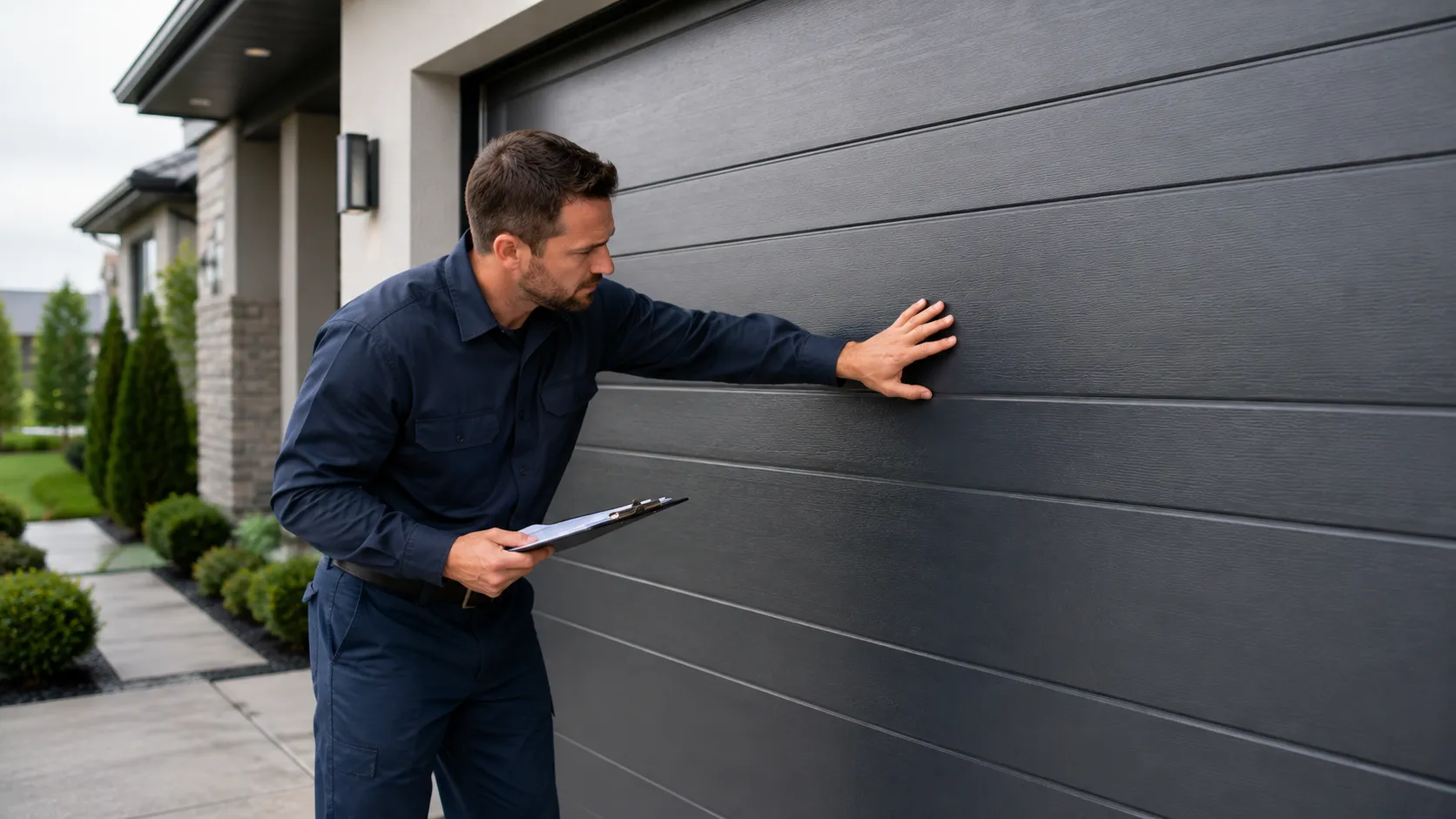
Humidity swings between a heated garage and an unheated one also take a toll on wood-panel doors from that era, warping panels at the bottom where moisture collects. If your door drags at one corner but swings free everywhere else, that's usually what's going on, not a track alignment problem.