Can You Do This Yourself
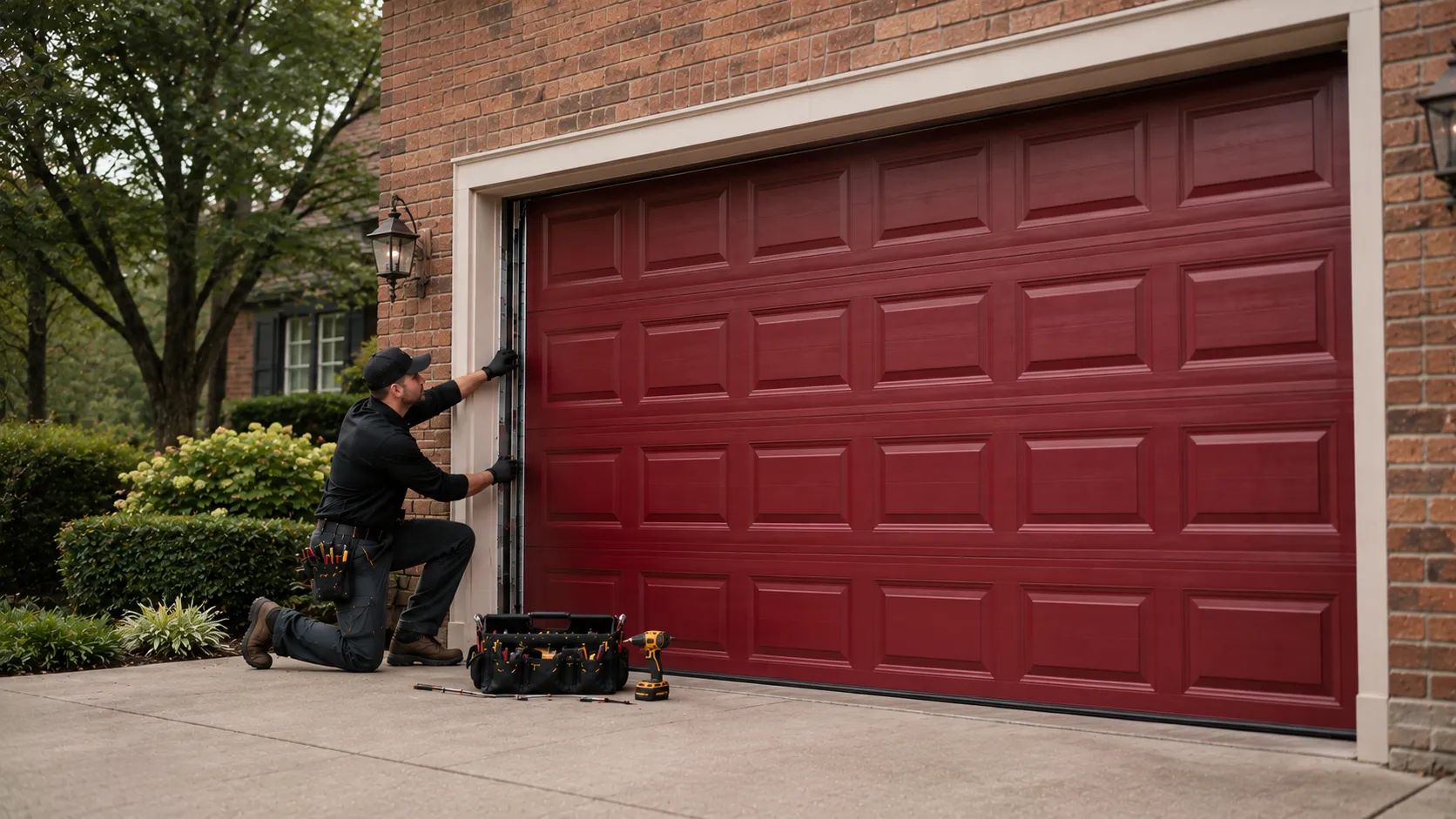
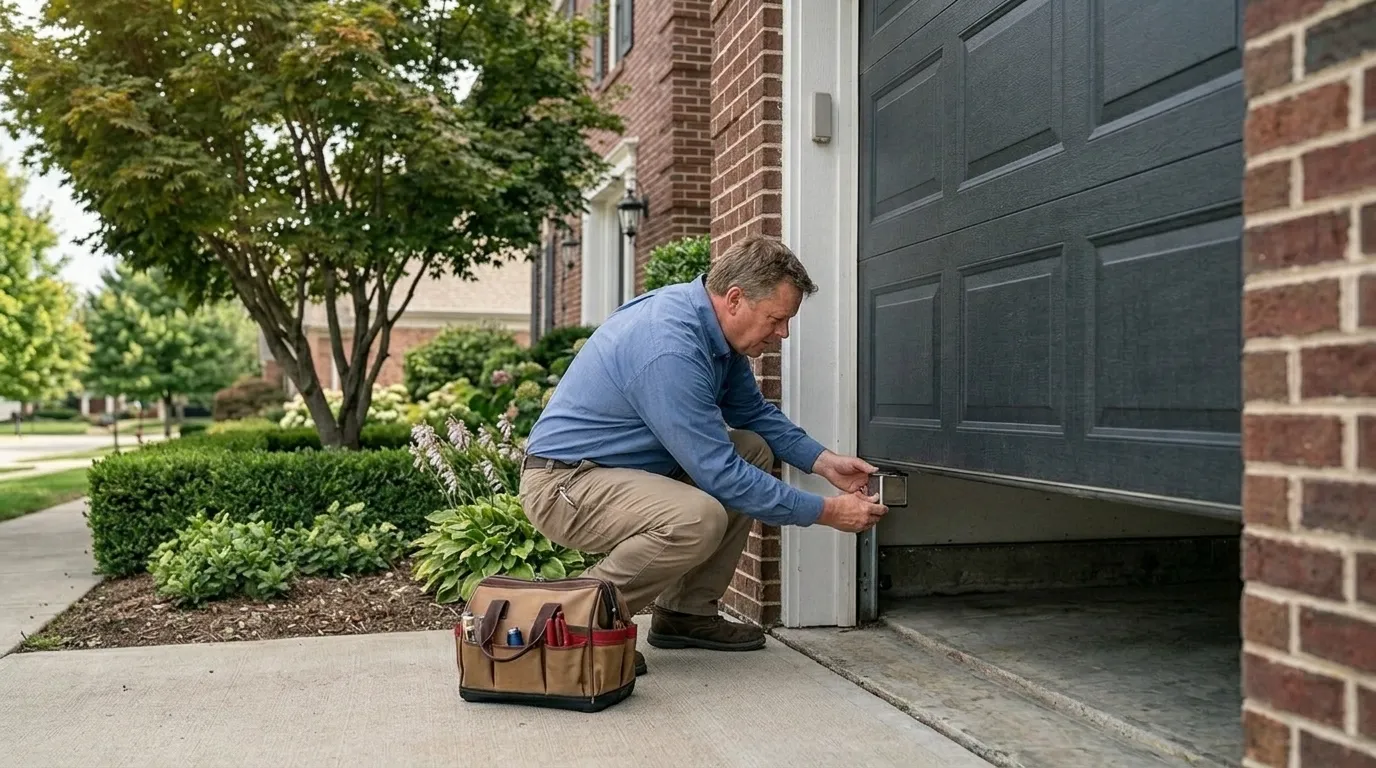
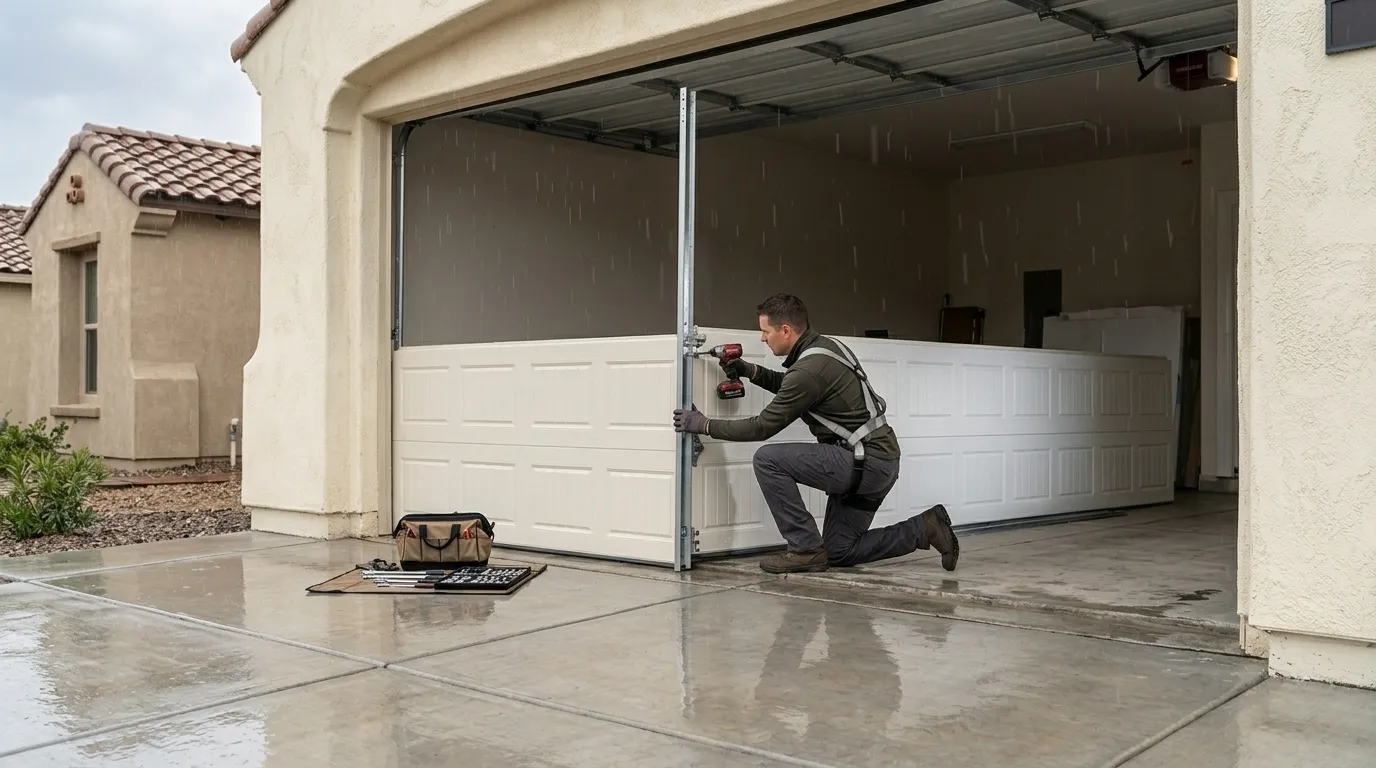
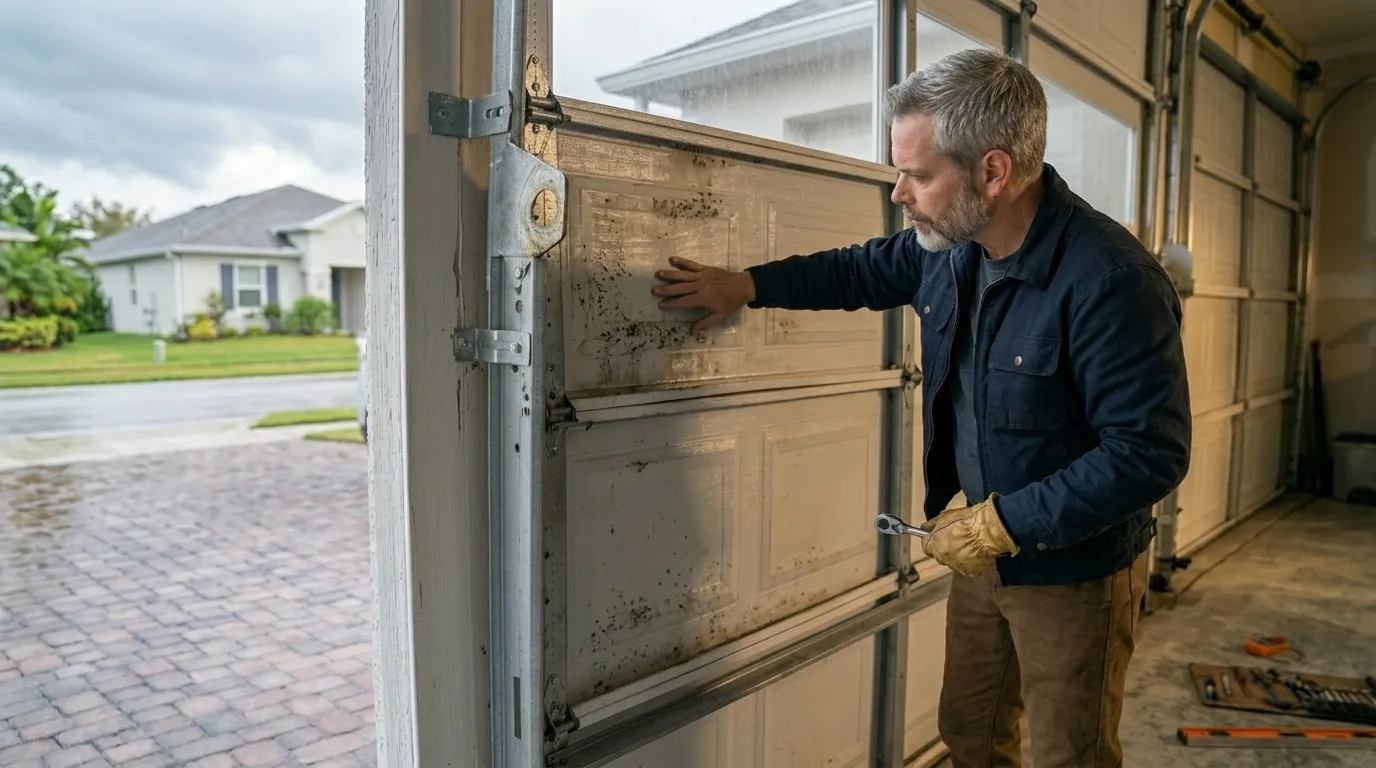
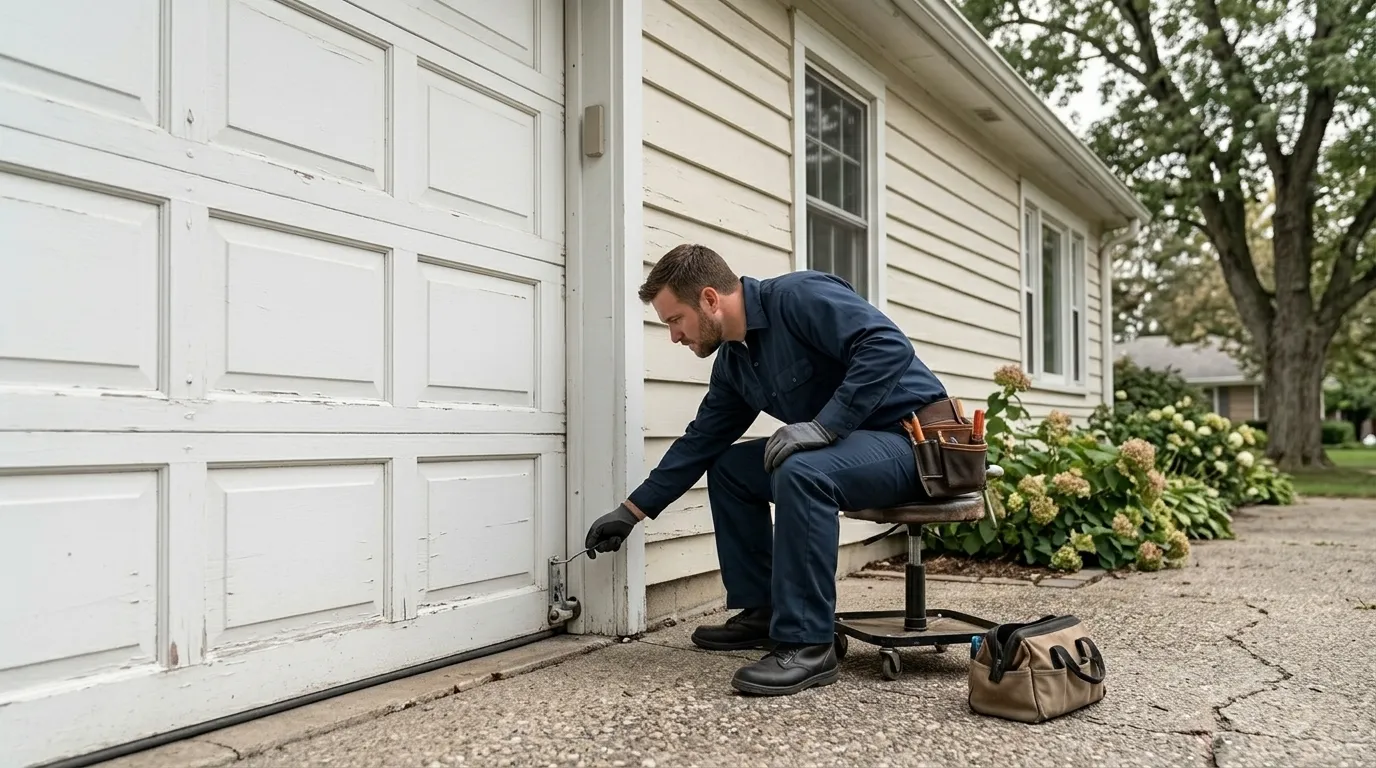
Swapping rollers is one of the more doable garage door jobs for a homeowner, but it's not a job to start without knowing what you're pulling. The bottom rollers sit under spring tension from the door's own weight, and the track near the bottom bracket has a lip that will take a finger off if you're careless with it. If your door has a single torsion spring over the header, leave that alone entirely - rollers you can do, springs you call for.
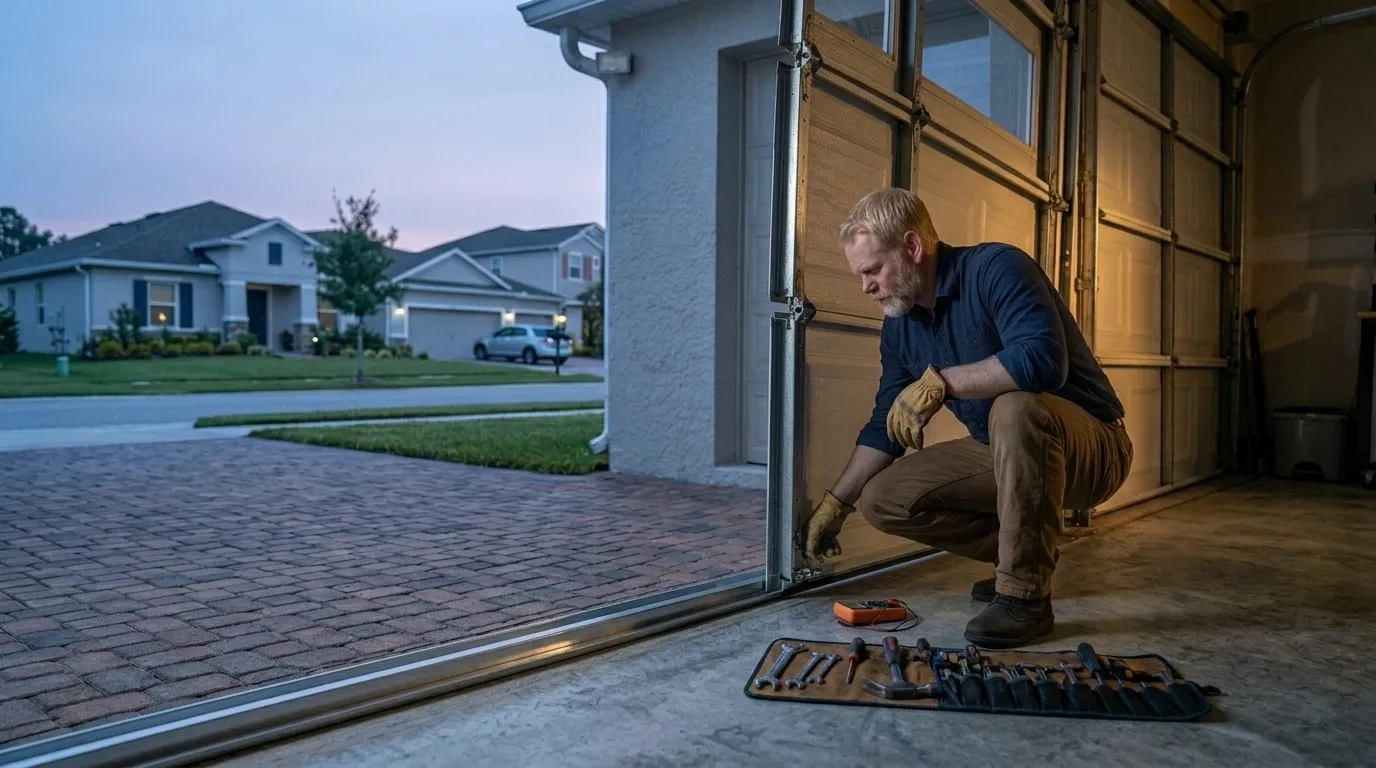
We travel 15 miles out from our Newark shop to reach Johnstown, so if you start the job and get stuck halfway - door off the track, one side hanging - that's a call, not a same-hour fix, because we're loading the truck and driving, not sitting on a lot three streets over. Plan the job for a weekend morning, not a Friday evening before company comes.
What you need: the right roller stem length for your track depth, a step ladder, a nut driver, and a way to keep the door from dropping once you pull a bracket free. Nylon rollers with sealed bearings are the standard swap now - steel rollers are noisier and wear the track faster, and we don't recommend putting them back in even if that's what came off.
What Can Go Wrong
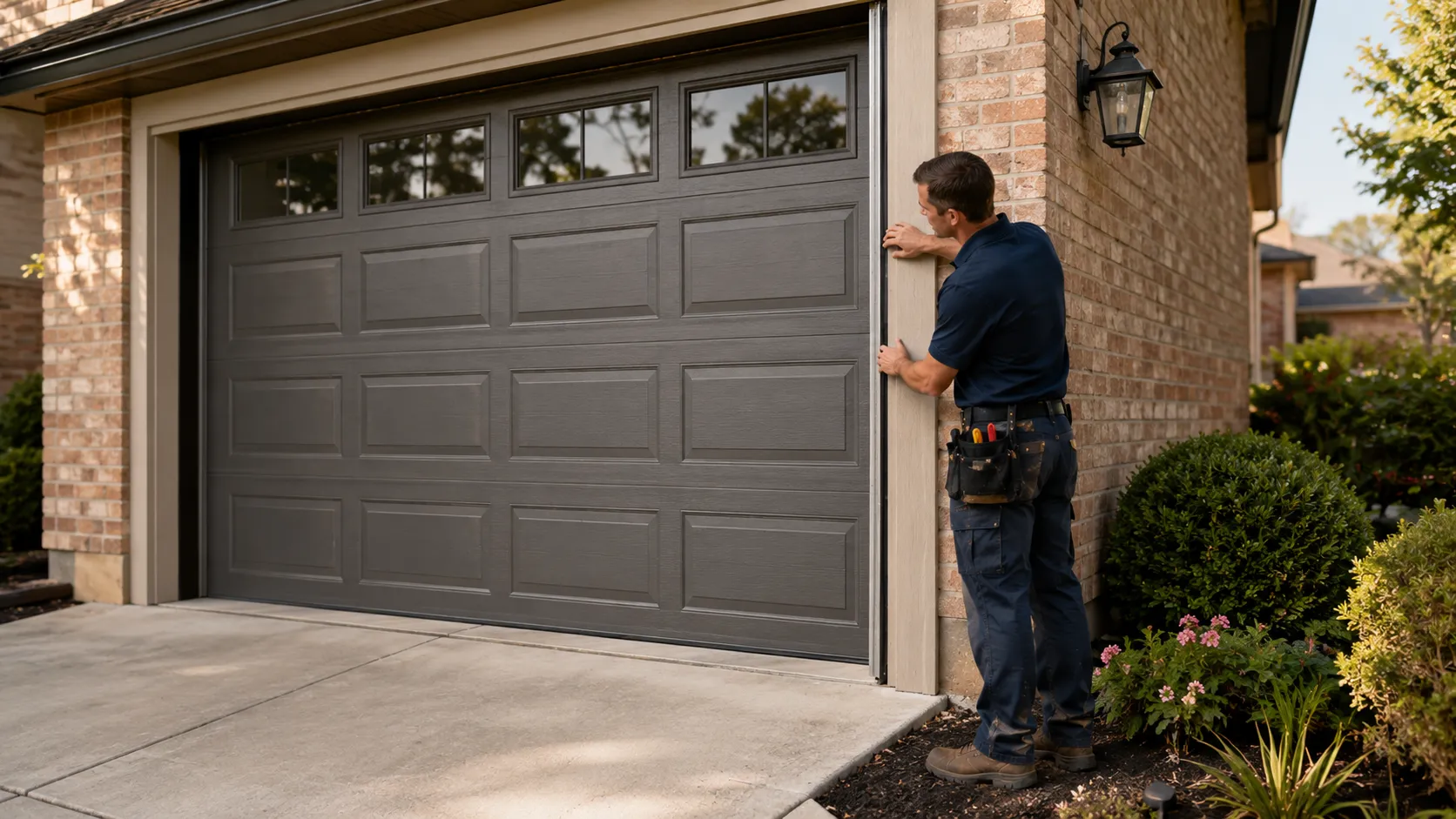
The most common mistake is buying rollers off a shelf without measuring stem length against your actual bracket depth - too short and the roller binds in the bracket, too long and it rides up out of the track under load. Second most common: pulling more than one bracket loose at a time on a double door, which lets the whole panel shift and pinches whatever's still holding it.
A lot of the newer builds around Johnstown - the area's housing runs later than the county average, with a lot of it going up in the early '90s - have doors with plastic end caps on the rollers rather than the older cast brackets. Those caps crack if you overtighten the mounting screw, and once cracked they let the roller wobble sideways in the track, which chews the track lip in a season.
We won't tell you a roller job always stays a roller job. If the track itself is bent from a wobbling roller left too long, or the bottom bracket has pulled its lag screws out of a softened jamb, that's a different repair, and it's honest to say so before you start buying parts.
What Causes It Around Here
Johnstown's housing stock runs newer than the median across our service area - a lot of it went up through the '90s rather than the '60s and '70s stock that's common in older parts of Licking County. That later build era means most doors out here came factory-fitted with steel rollers on plastic end caps, a cheaper original-spec part that manufacturers used through that period before switching to sealed nylon as standard. Those original rollers are past due almost everywhere they haven't already been swapped.
The cold winters here do the rest. Steel roller bearings pack with grease that thickens hard below freezing, and a door that gets run once or twice a day through a Johnstown winter puts a lot of stop-start cycles on rollers that are already fighting stiff grease. That's the pattern we see most on this side of the county: original-spec steel rollers, installed when the house was built in the early '90s, finally giving out after enough cold seasons of grinding through a stiff bearing instead of rolling clean.