Can You Do This Yourself
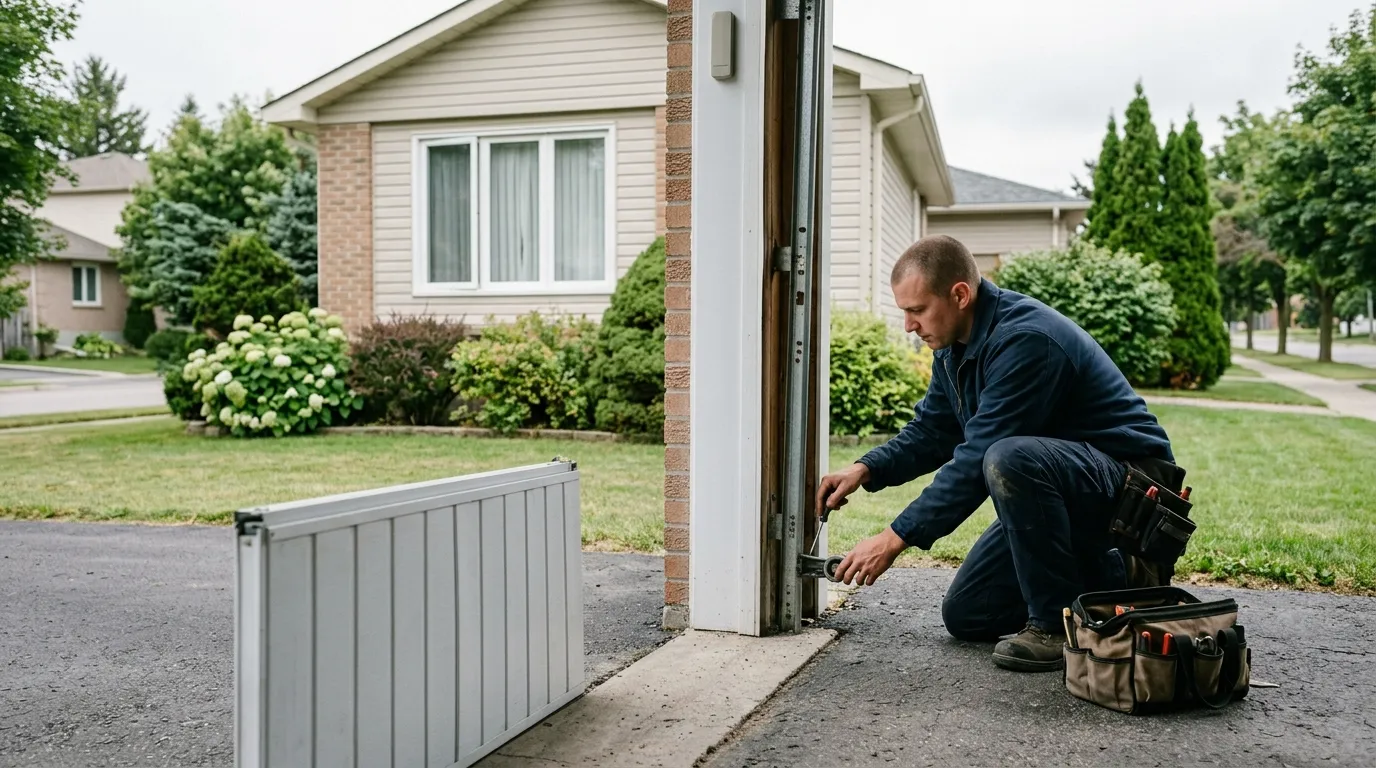
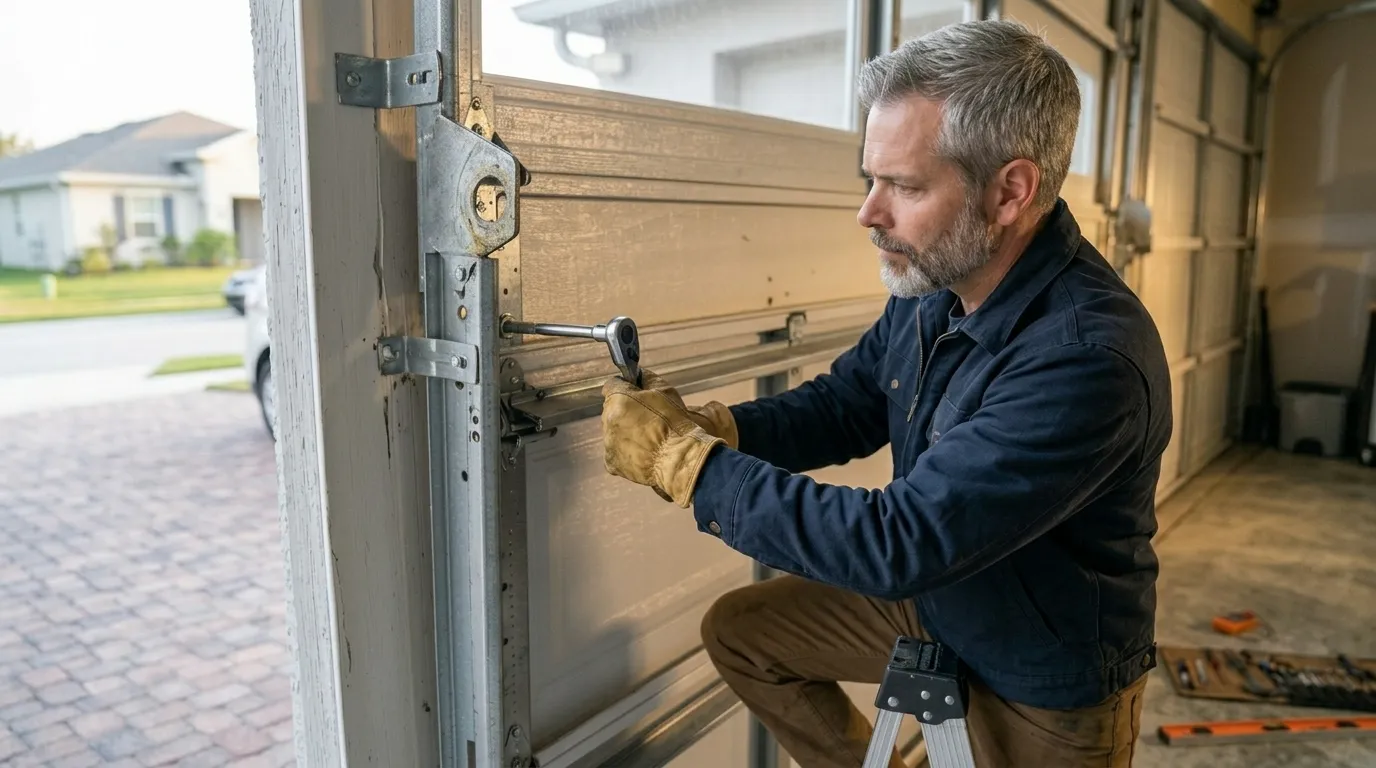
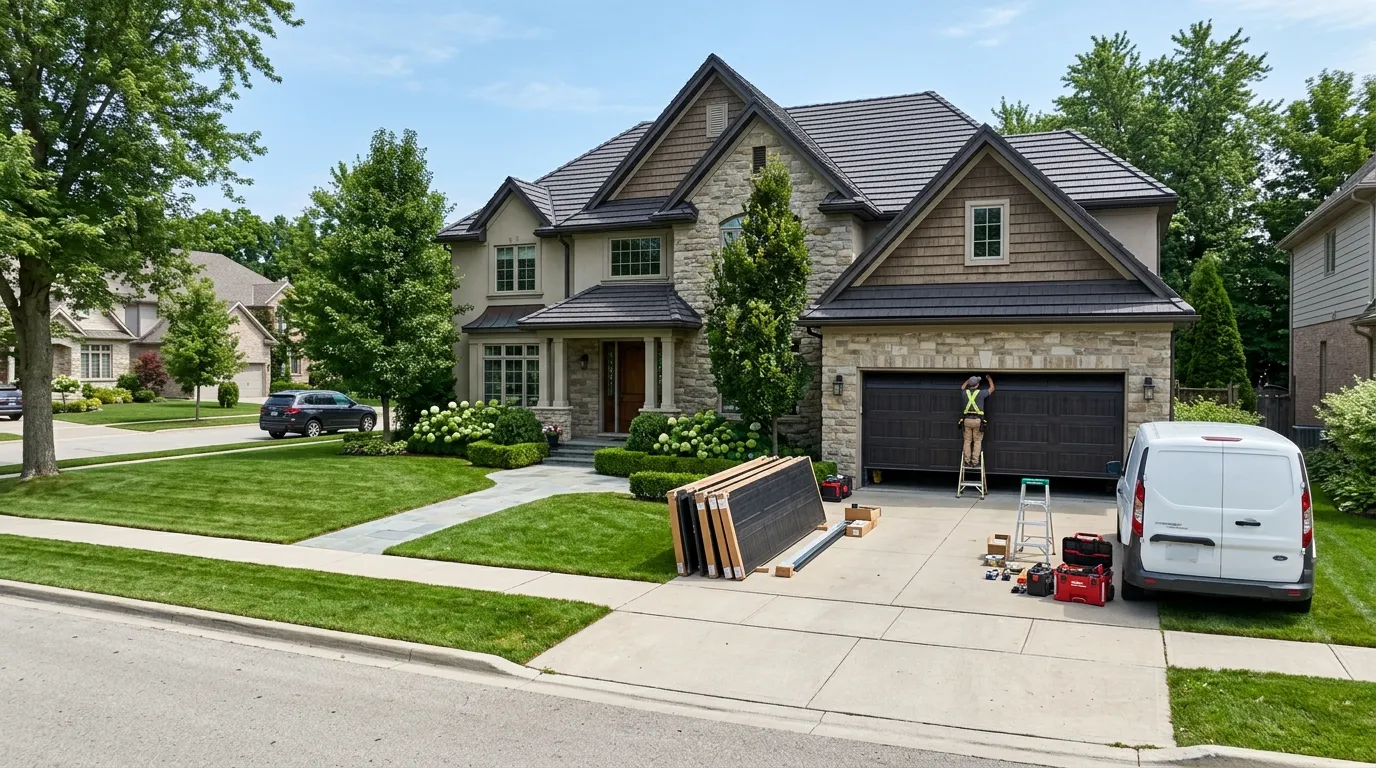
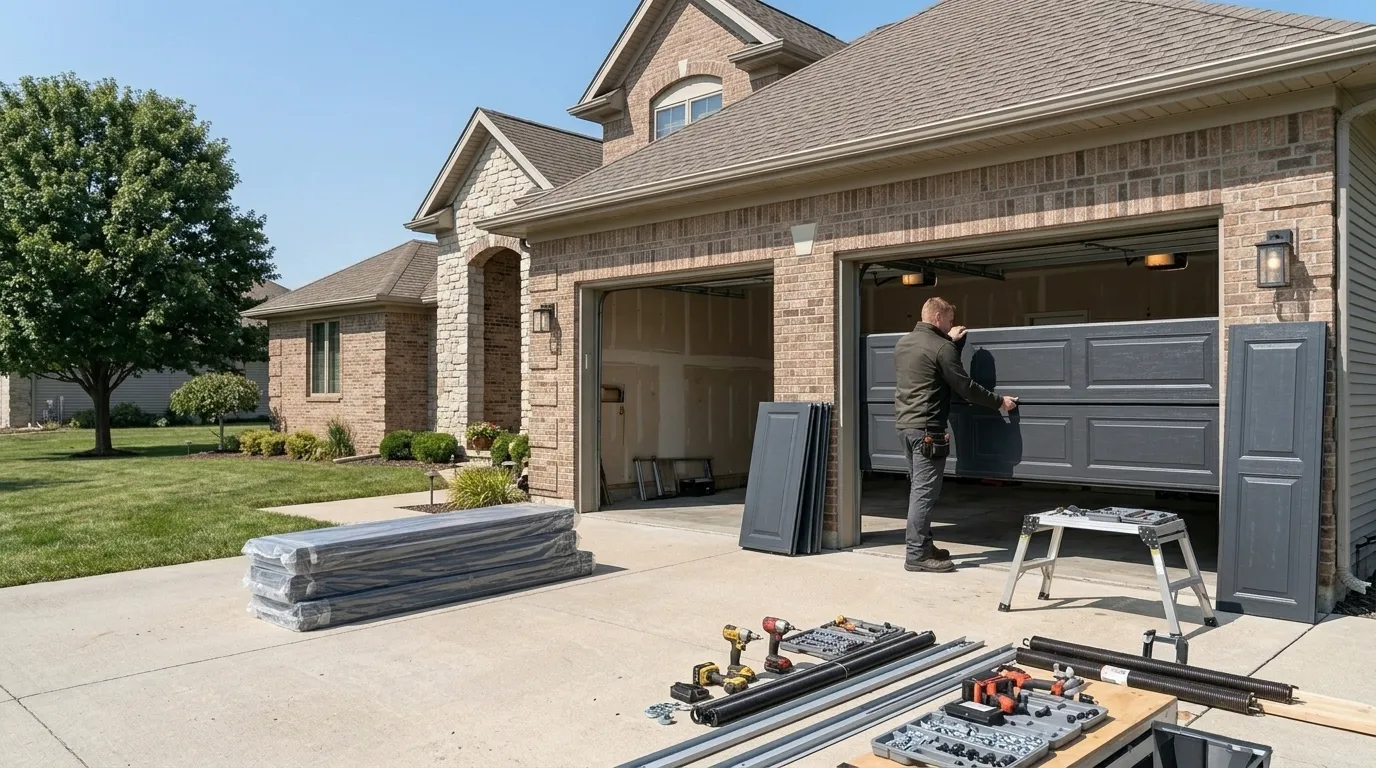
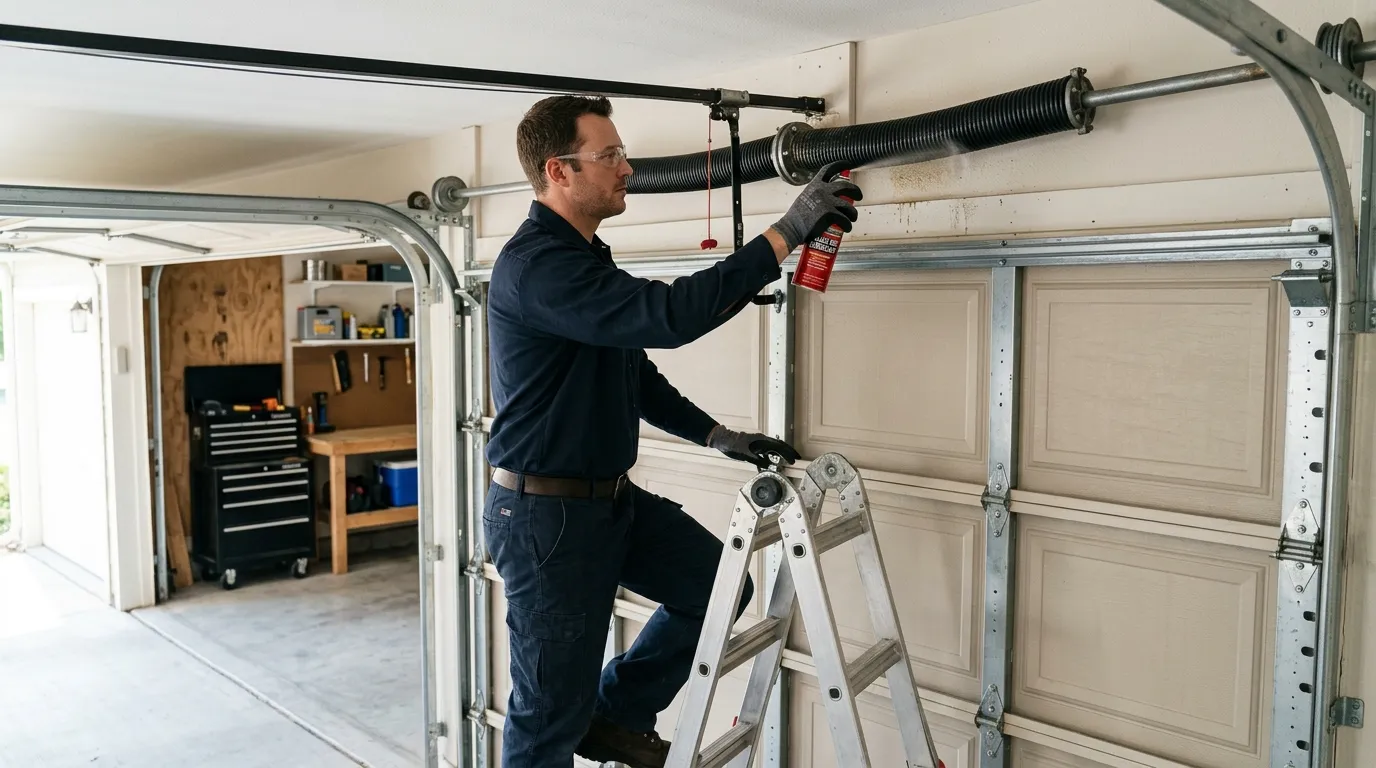
Most houses in Johnstown went up around 1992, give or take a few years either side. That means the doors on them are steel, sectional, with a raised-panel look pressed into the metal rather than actual wood trim. Swapping one bad section on a door like this is more doable than on the older flat-panel wood doors you'll find in some of the other towns Newark covers, because the hardware is more standardized and the section sizes are common. That said, matching the exact panel profile and finish still trips people up. Colors fade differently depending on sun exposure, and a mismatched section on an otherwise clean garage door looks worse than the dent did. You also need the door off its springs safely before you touch a hinge, and that's where a lot of DIY jobs turn into a second call - this time for a spring, not a panel. If you're comfortable with a socket wrench and patient about ordering the right match, a single bottom panel on a level driveway is within reach. Anything above the bottom row, or a full side, gets harder fast because you're working with the door partly loaded.
What Can Go Wrong
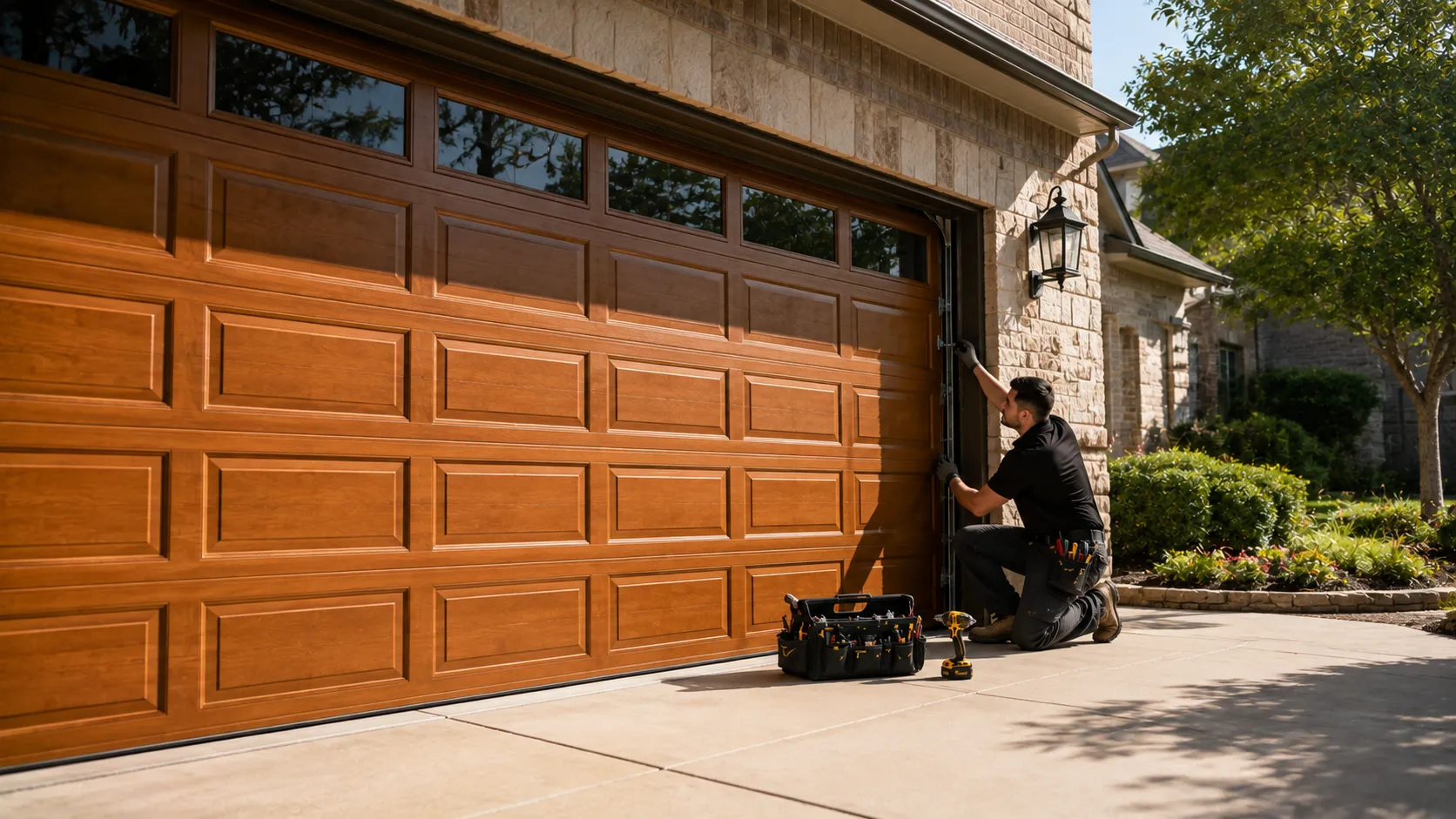
The most common misstep is ordering a panel by color name instead of by the door's actual model and manufacture date. Steel doors from the early 1990s used different panel depths and screw patterns than what's sold today, and a section that's close but not exact will bow the track alignment over time. Another issue: replacing one section without checking the panel next to it for hairline cracks from the same impact - you fix the visible damage and the door still doesn't seal right at the bottom. We've also seen owners try to save the trip by ordering a universal replacement panel online, only to find the hinge spacing is off by a fraction of an inch, which throws the roller alignment on the whole section. None of this is exotic - it's just specific to doors of this age, and getting it wrong usually means paying for the part twice.
What Causes It Around Here
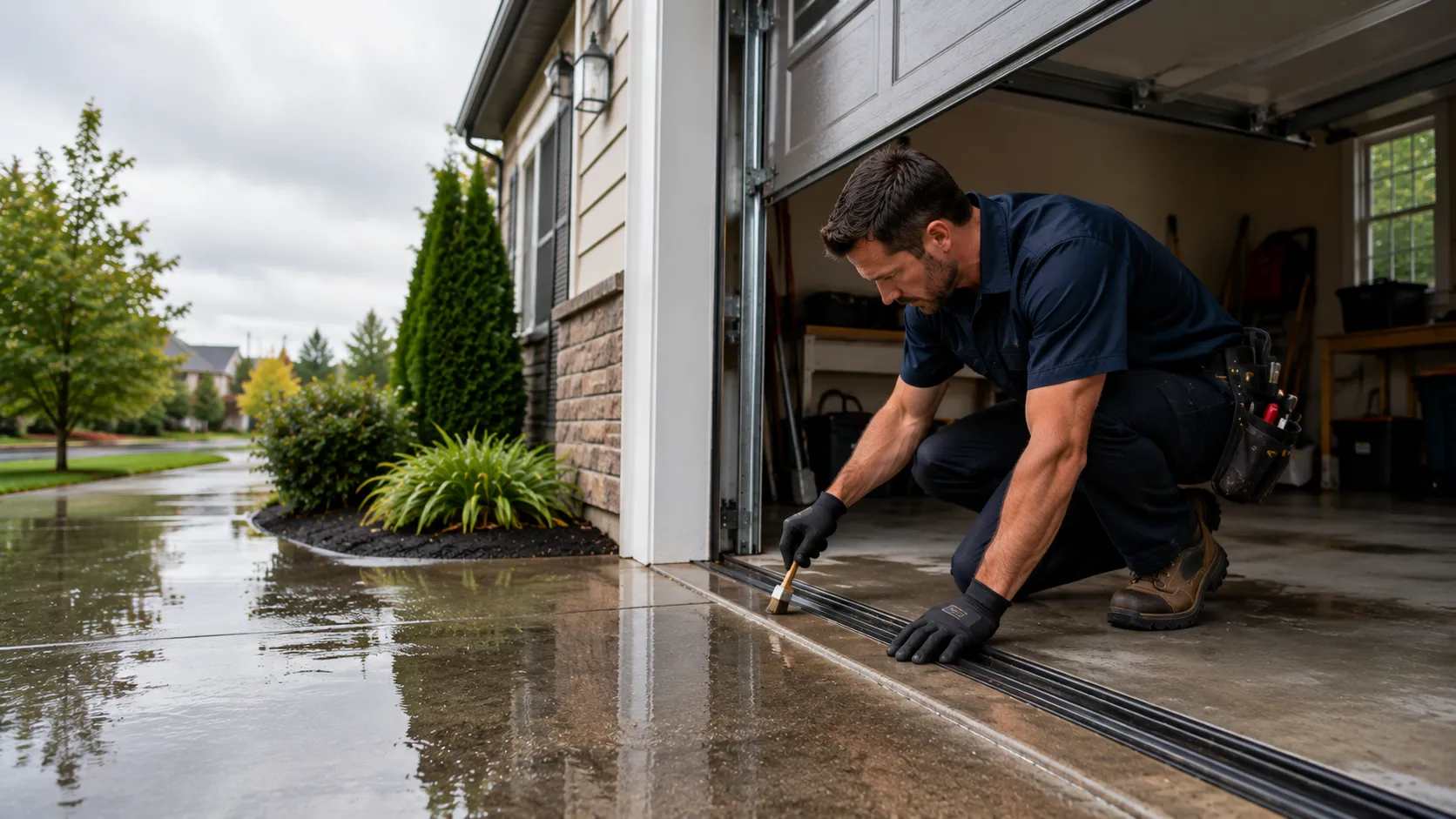
Johnstown sits in the same cold-climate band as the rest of the Newark service area, which means winter freeze-thaw cycles work on any existing dent or hairline crack in a steel panel faster than they would somewhere milder. Water gets into a seam in November, freezes, expands the gap, and by February the crack has traveled. Combine that with a driveway that sees regular vehicle traffic - backing a trailer or a second car in tight - and the bottom two panels take the brunt of it. Since most of Johnstown's housing dates to the early 1990s, these doors are now over thirty years old, which is past the point where the original steel gauge holds up to repeated minor impacts the way it did when new. It's less about one big event and more about small hits adding up on a panel that's already thinner than it used to be. We come out from Newark, about 15 miles away, for jobs like this - it's not a same-day walk-in trip, so a call ahead to check parts availability saves everyone time.