Can You Do This Yourself
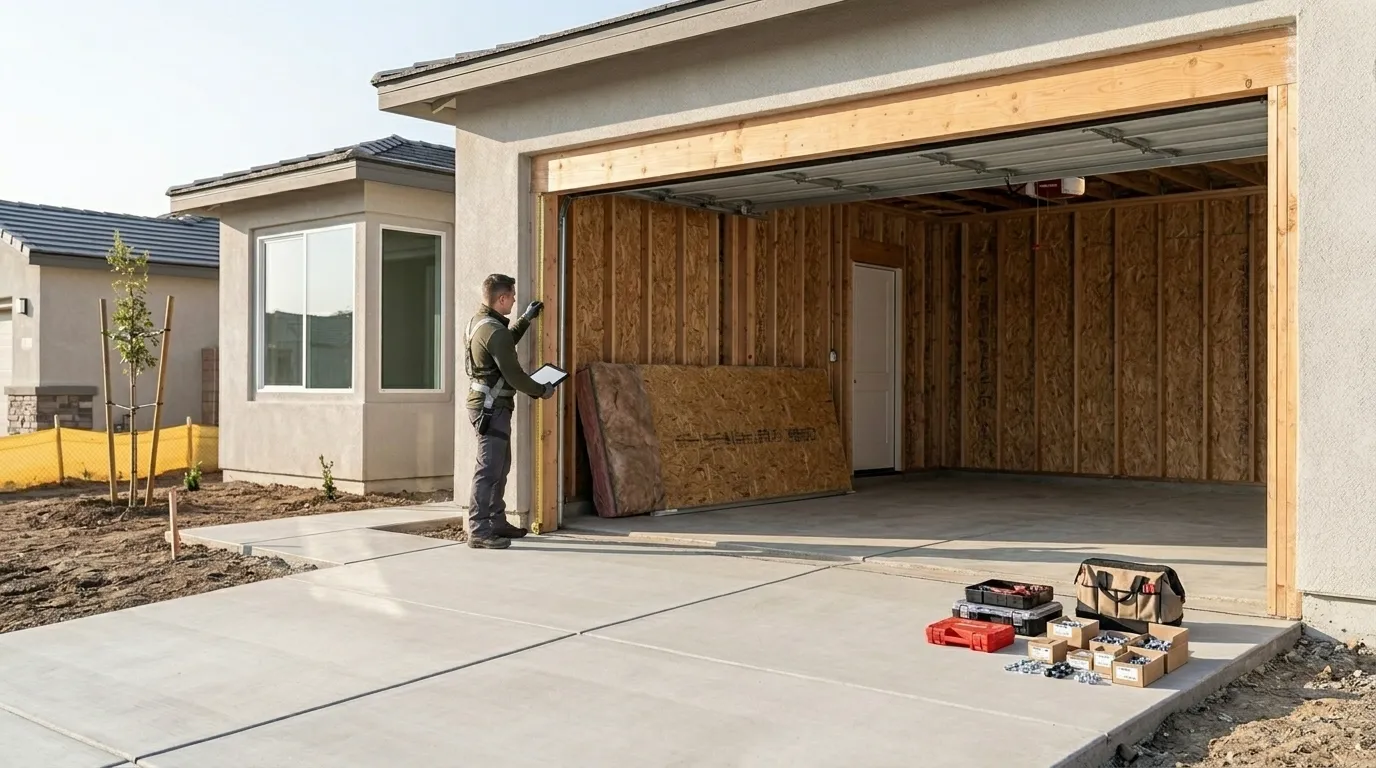
A lot of Johnstown houses went up in the early 1990s, and the openers that came with them were mid-range chain or belt drive units built for a two-car steel sectional door - nothing exotic, but not a five-minute fix either. If your opener runs but the door won't move, check the wall switch and the safety sensors at the bottom of the track first; a bumped sensor or a dead switch battery causes more no-go calls than anything mechanical. If the motor hums and nothing happens, or the unit clicks and stalls, that's usually a stripped gear or a capacitor giving out, and neither is a part you can pick up at a hardware store and swap in an afternoon. We'll say plainly: if your opener is original to a house built around 1992, you're at the age where the circuit board itself can go, and boards for units that old are often discontinued, which turns a repair call into a replacement conversation. Don't force a door that's binding - a jammed opener straining against a stuck track burns out motors that would otherwise have years left.
What Can Go Wrong
The openers installed in Johnstown through the 1990s and early 2000s are mostly chain-drive, and the failure pattern is consistent: the drive gear (a nylon part inside the housing) wears down first, usually somewhere between year 15 and year 25, and it strips quietly - the motor keeps running but the chain stops pulling. After that, the logic board is next, especially in units that have sat through severe winters, since cold repeatedly stresses the solder joints and capacitors on the board. Remote receivers fail too, but that's cheap and quick next to a board swap. What we don't do is guess: if a board's gone and the manufacturer stopped making that model's replacement part years ago, we'll tell you a new opener costs less than chasing down an obsolete board, and we'd rather lose the smaller job than sell you a stopgap.
What Causes It Around Here
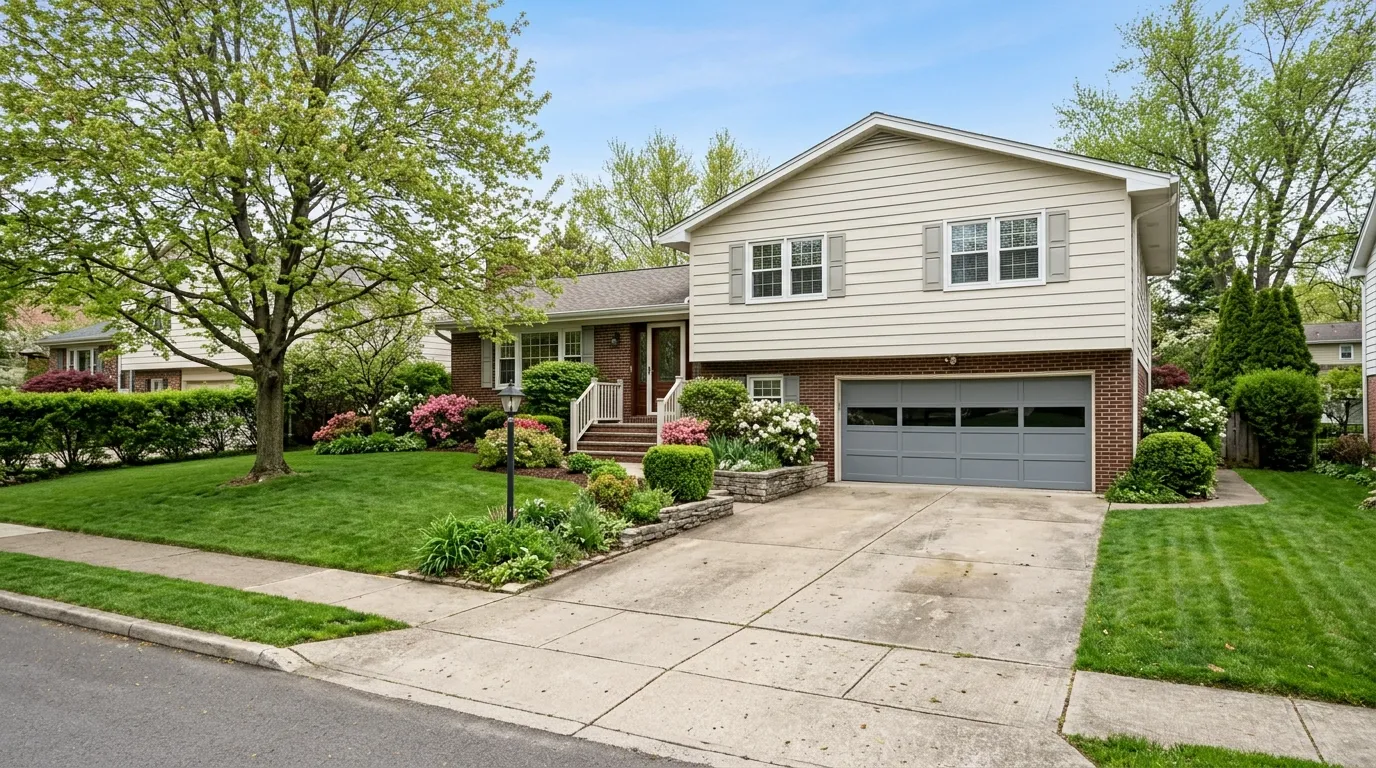
Johnstown sits about 15 miles from our shop in Newark, and the age of the opener stock out here is the real driver of the calls we get: a house built around 1992 is now old enough that its original opener has outlived a reasonable service life, and the winters in this part of Ohio are hard on the electronics inside that housing. The cold band we work in - real single-digit stretches most winters - puts repeated thermal stress on capacitors and solder joints, which is why board failures cluster in January and February more than any other months. Median household income in the areas we cover runs close to $95,000, which is worth mentioning only because it means most Johnstown households replace an aging opener with a newer, better-insulated unit rather than patch a 30-year-old board - a choice that holds up better against the next cold spell than a repair does.