Can You Do This Yourself
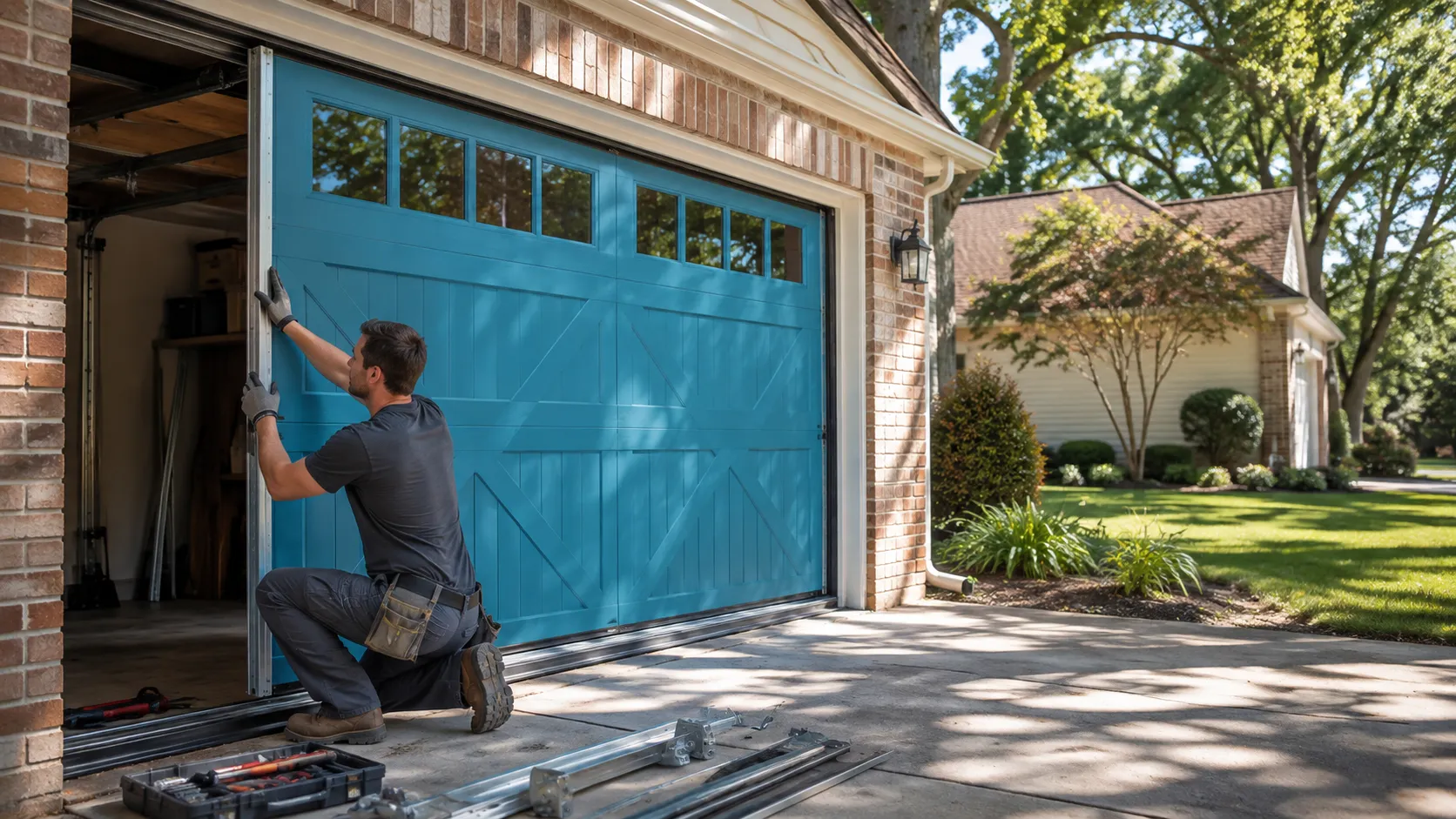
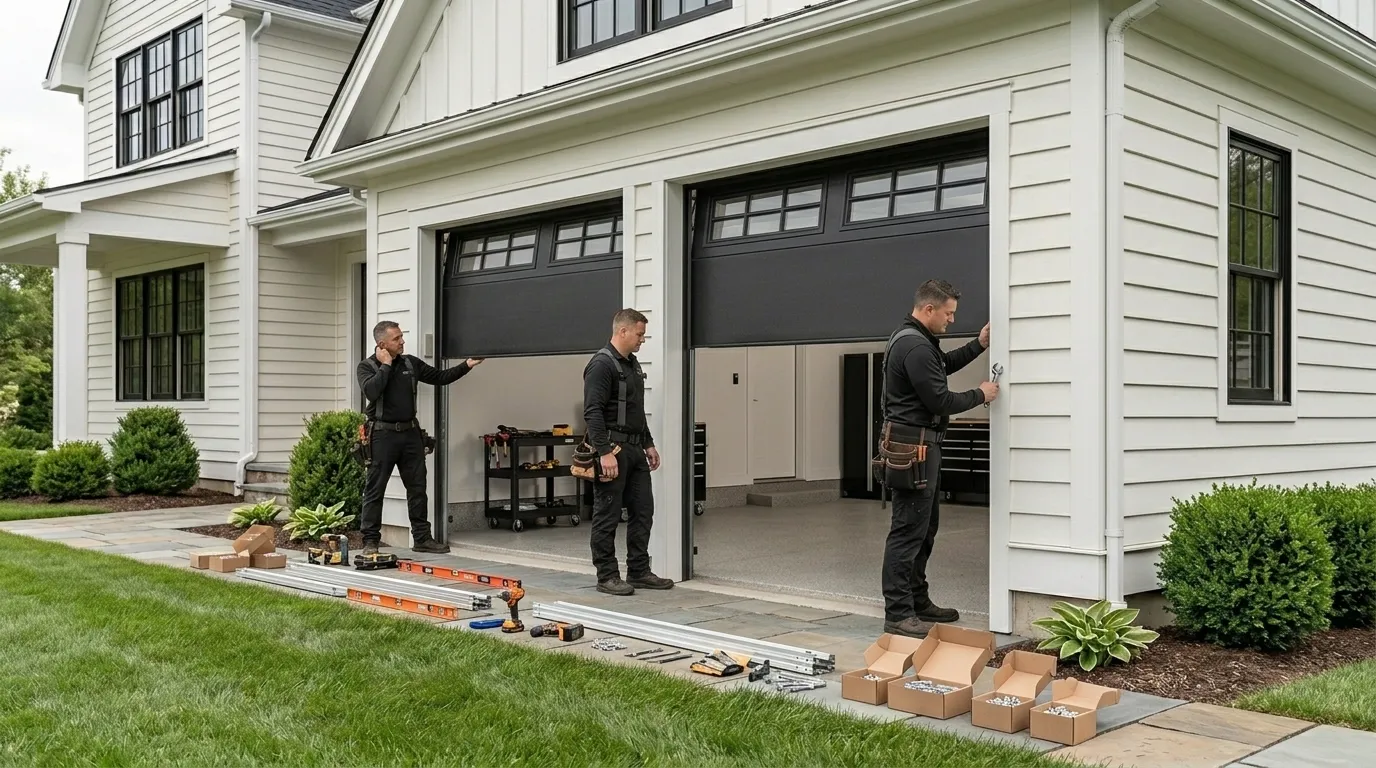
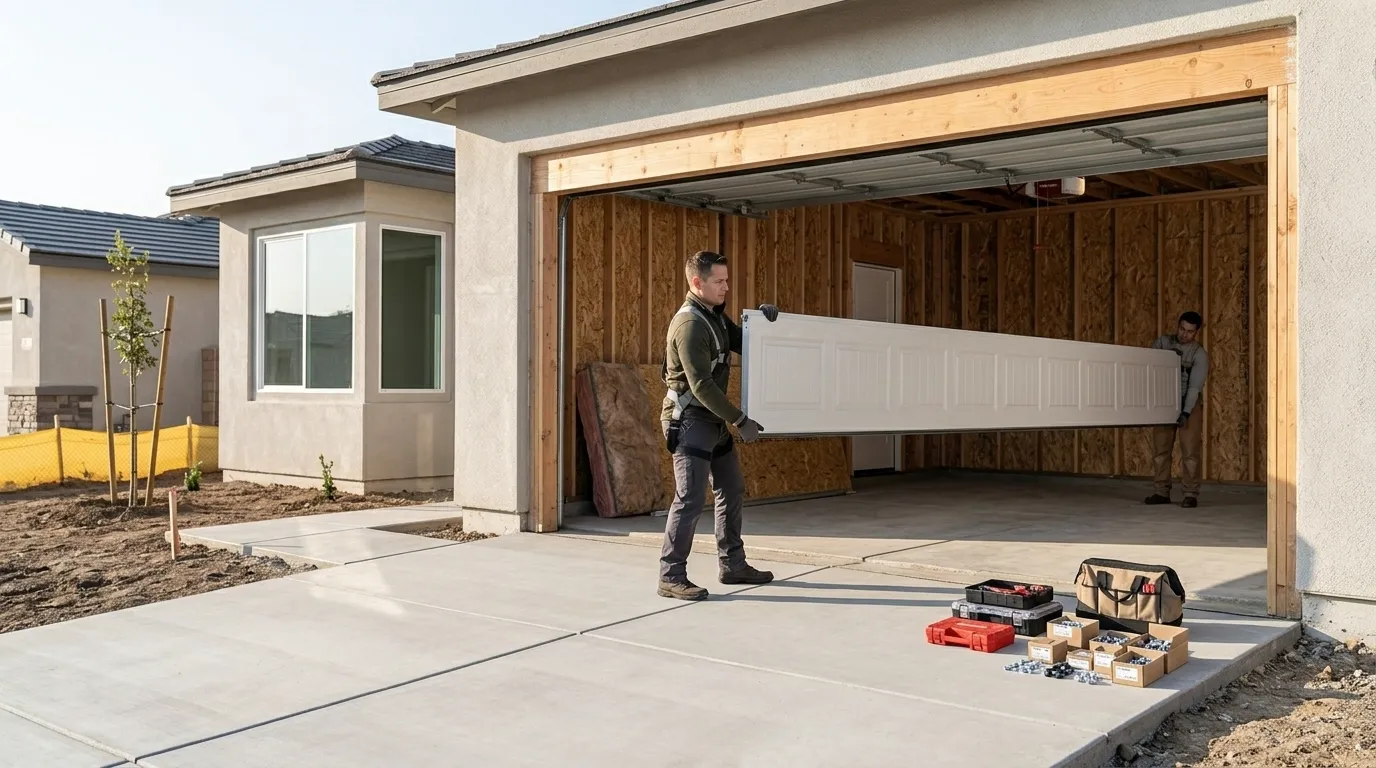
A full door swap is not a weekend job, and Johnstown's housing stock makes that more true, not less. Most of the neighborhoods here went up around 1992, which means you're not dealing with a door from the 1970s that's obviously shot - you're dealing with a door that looks fine, still opens, and is quietly 30-plus years into a run that builder-grade steel wasn't meant for.
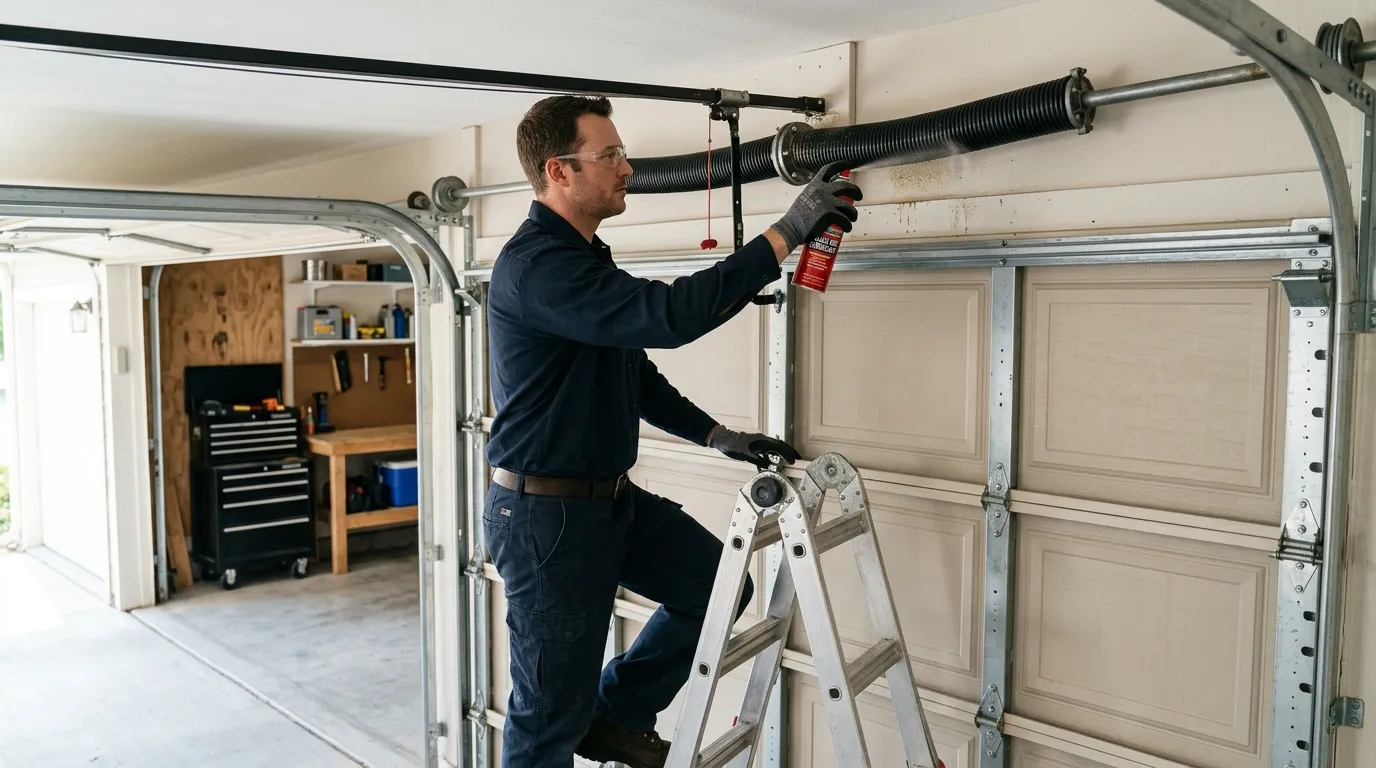
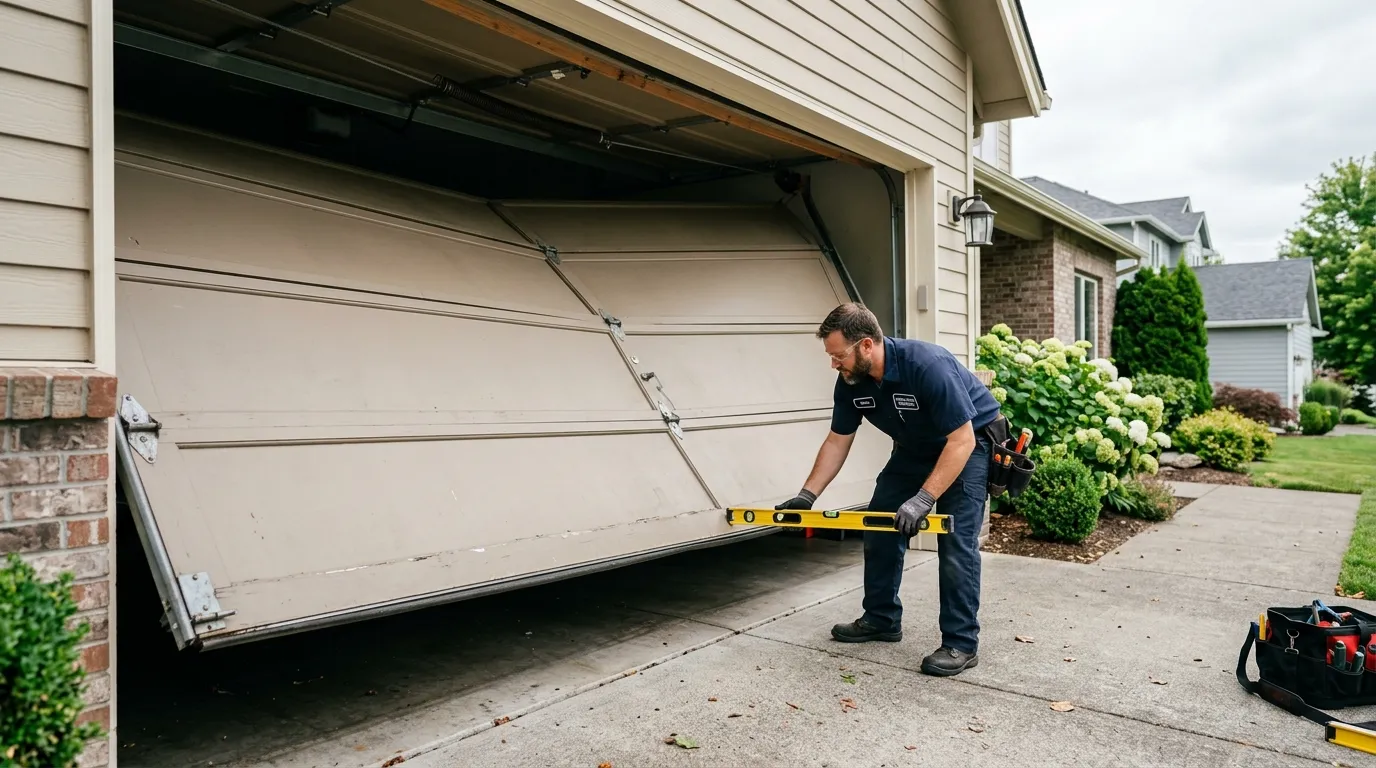
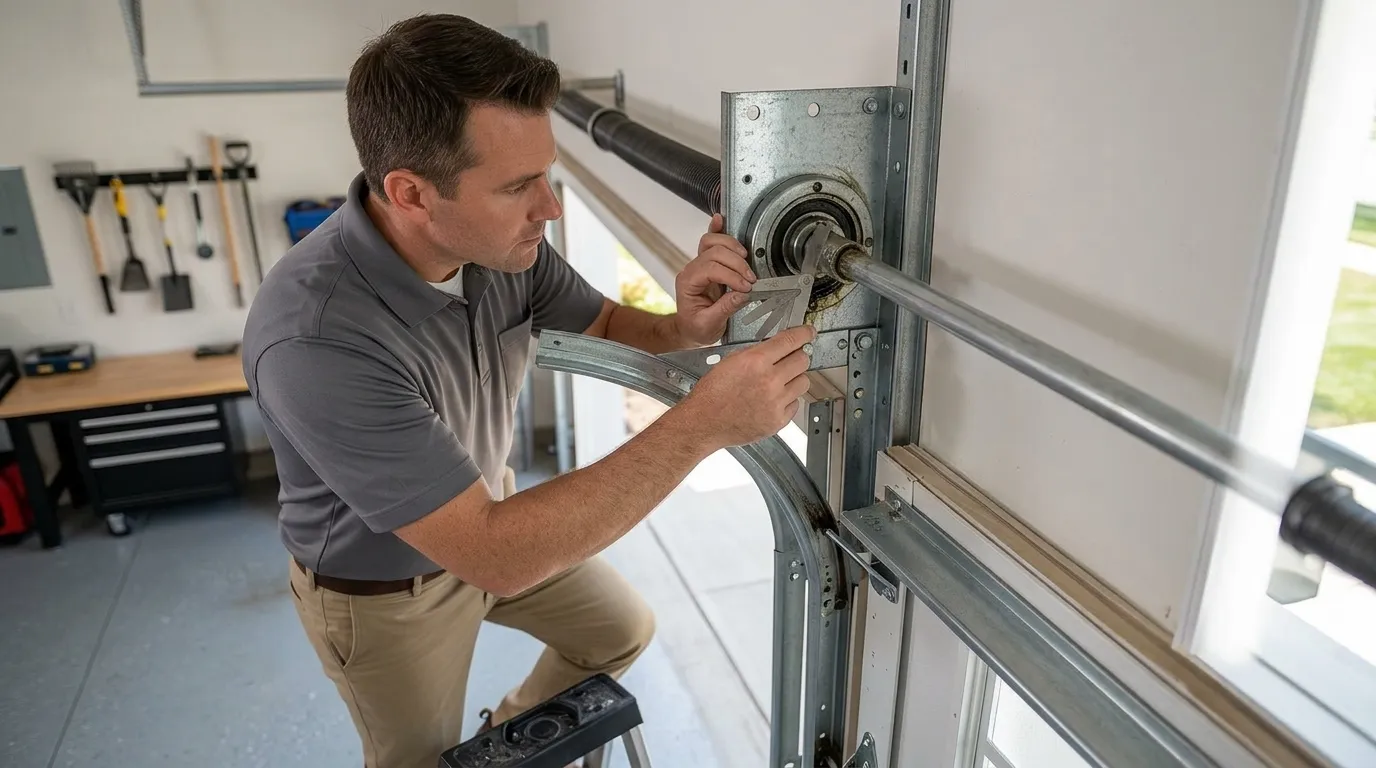
Swapping panels is within reach for someone comfortable with tools, but sizing the new door to an opening that's three decades old isn't always a straight match to a big-box kit. Framing settles, tracks get re-set over the years, and a door ordered to "standard" dimensions can bind on an opening that's shifted a half-inch since 1992. Torsion spring work on a double door is also not a place to learn by doing - the spring stores enough force to break bones if it lets go while you're setting it.
We'll say plainly: if you're comfortable with the mechanical side and just need the door itself, that part of the job doesn't need us. Where people get hurt or end up buying a door twice is skipping the measure-and-inspect step before ordering. That's the part we'd rather do right the first time than fix after.
What Can Go Wrong
Homes built around the early '90s building boom in Johnstown mostly shipped with single-layer steel doors and chain-drive openers as standard builder equipment - not upgrades, just what came with the house. Three decades later, that's the equipment failing now, all at once, across a lot of houses that were built in the same few years.
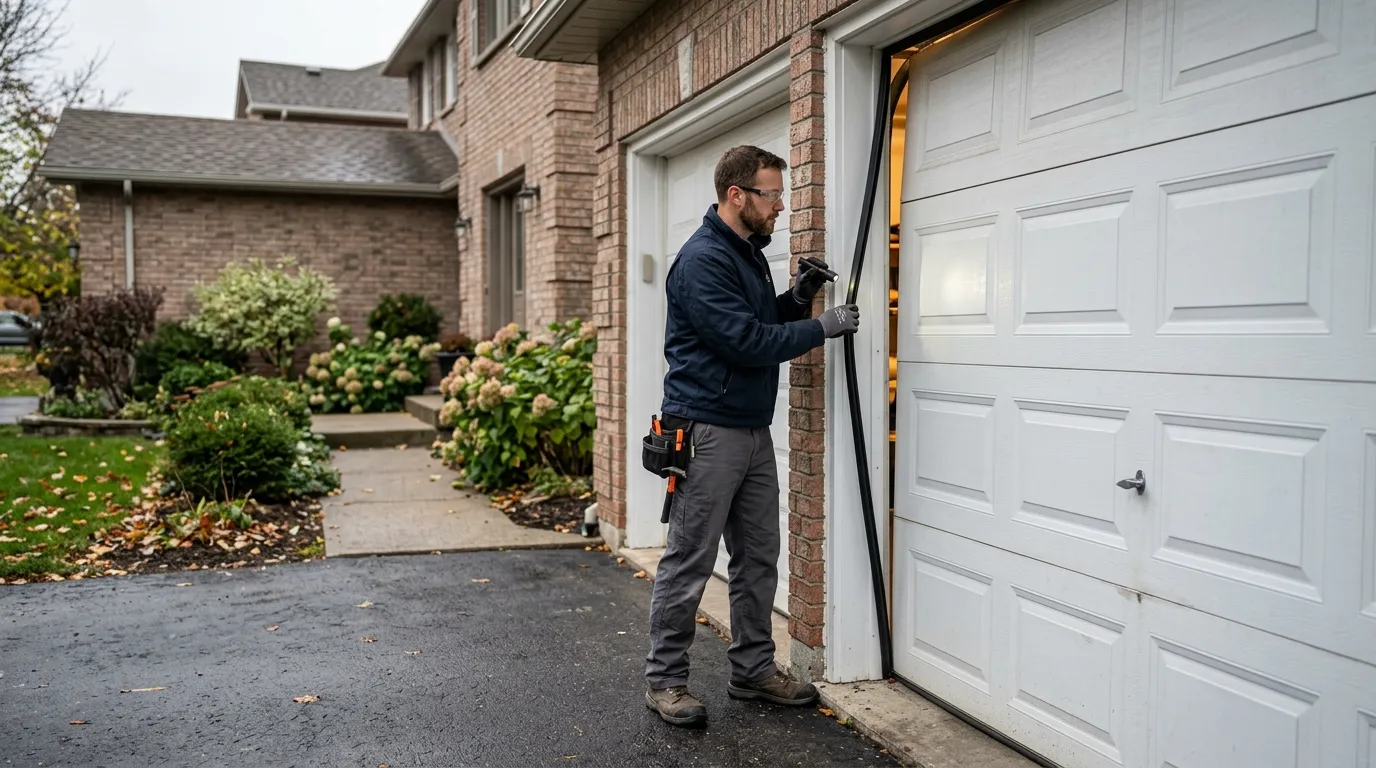
The most common failure we'd expect to see here isn't a broken spring - it's a door that's structurally fine but an opener that's aged out, paired with hardware nobody stocks in the exact original spec anymore. Track brackets from that era used a slightly different mounting pattern than what ships today, so a straight opener swap sometimes needs bracket work too.
The honest limitation: if the door itself is original steel from that period and still square, replacing just the opener is often the better call, not a full door swap. We won't sell a new door onto a house where the existing door has another decade in it. That's a repair job, not an install, and it's a different conversation.
What Causes It Around Here
This area sits in a severe cold climate zone, and that matters more for installation than people expect. A door and opener spec'd for a milder region won't necessarily hold up the same way here - seals stiffen, steel contracts, and lubricant that's fine in September gums up by January. Any new install we spec for Johnstown accounts for that, not a catalog default.
The other piece is simply age lining up with era. A house built in 1992 is now old enough that its original door and opener are past the point where parts are easy to source, but not so old that homeowners always expect to be replacing it yet. That gap is where a lot of surprise failures happen - not neglect, just equipment quietly running out its clock.
We cover Johnstown from our Newark shop, about 15 miles out, so a new install here gets scheduled as a planned job rather than a same-day emergency run. For an active break or a door stuck in place, that's a different call - see our Johnstown garage door repair page. For the broader rundown of what we install and how we price it out of Newark, that's on the Newark installation page.