Parts We Carry
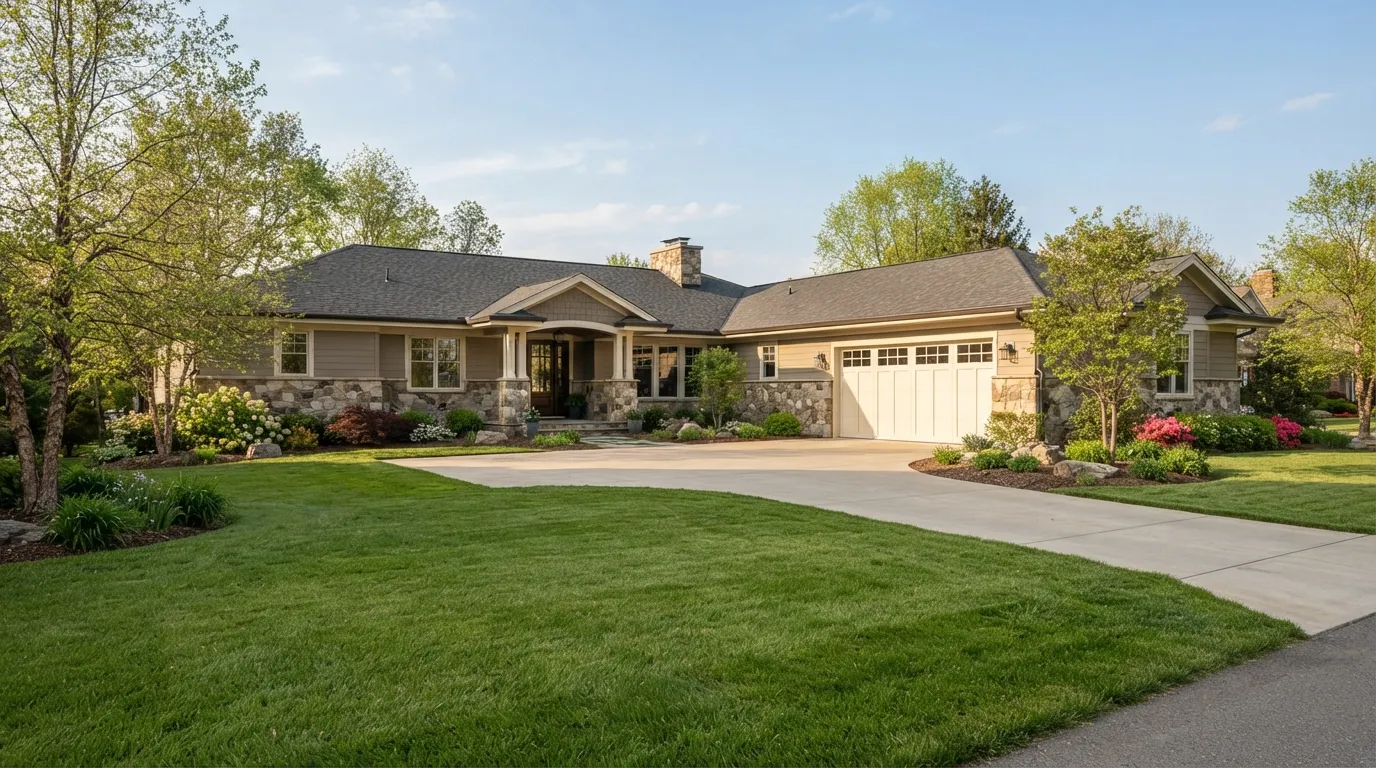
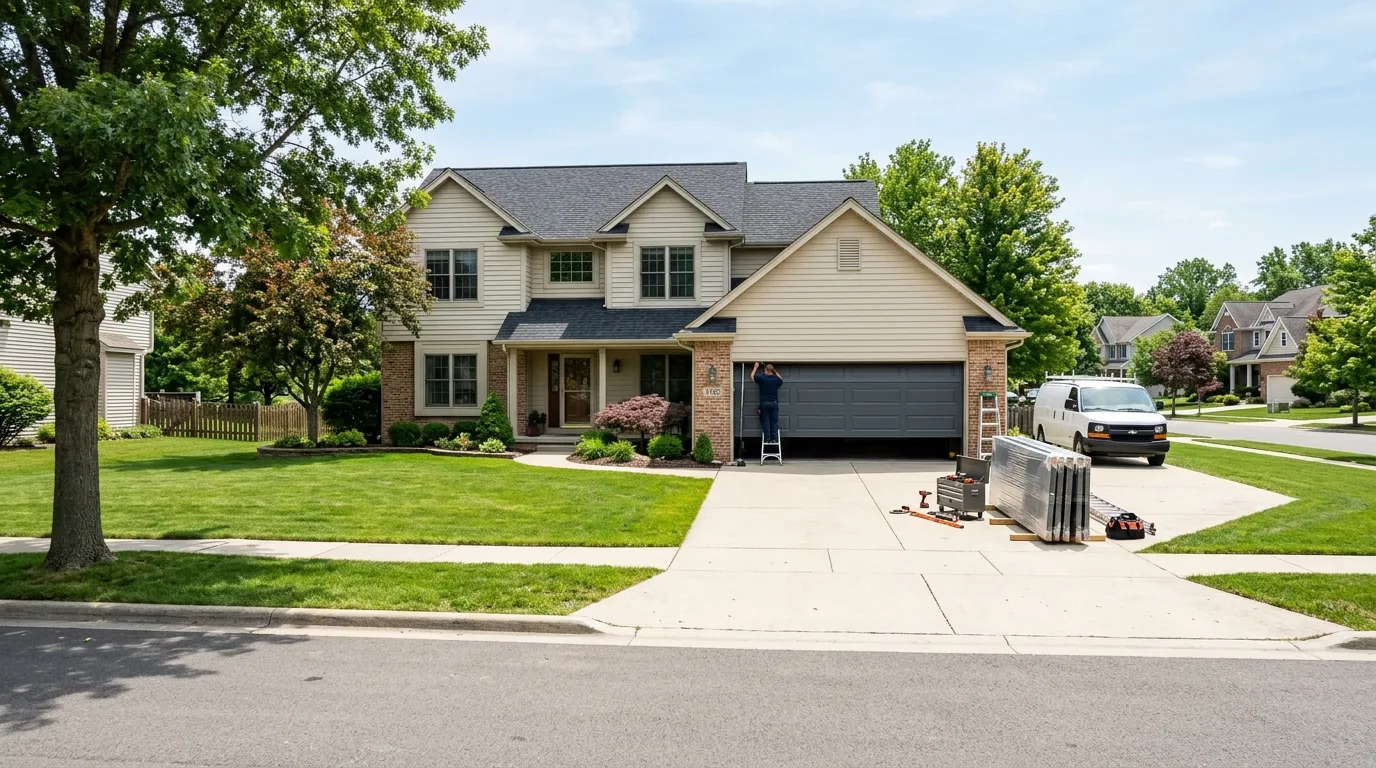
Most garages in New Albany went up around the same time - the neighborhood's median build year sits at 2005, close to thirty years newer than the older sections of our Newark coverage area where houses still carry original 1970s hardware. That means the doors we're pulling parts for out here are steel, insulated, and paired with chain or belt-drive openers built with circuit boards rather than the simple relay switches you'd find on an older unit.
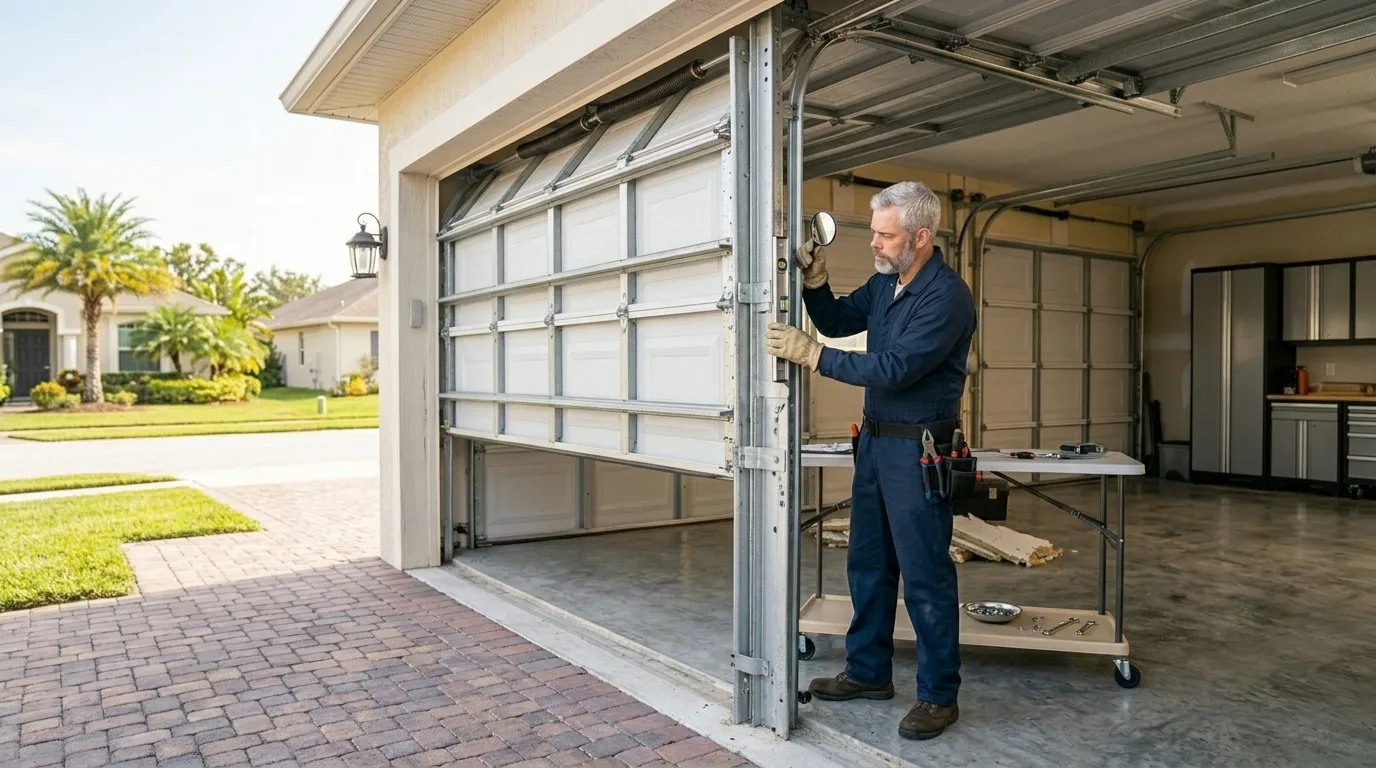
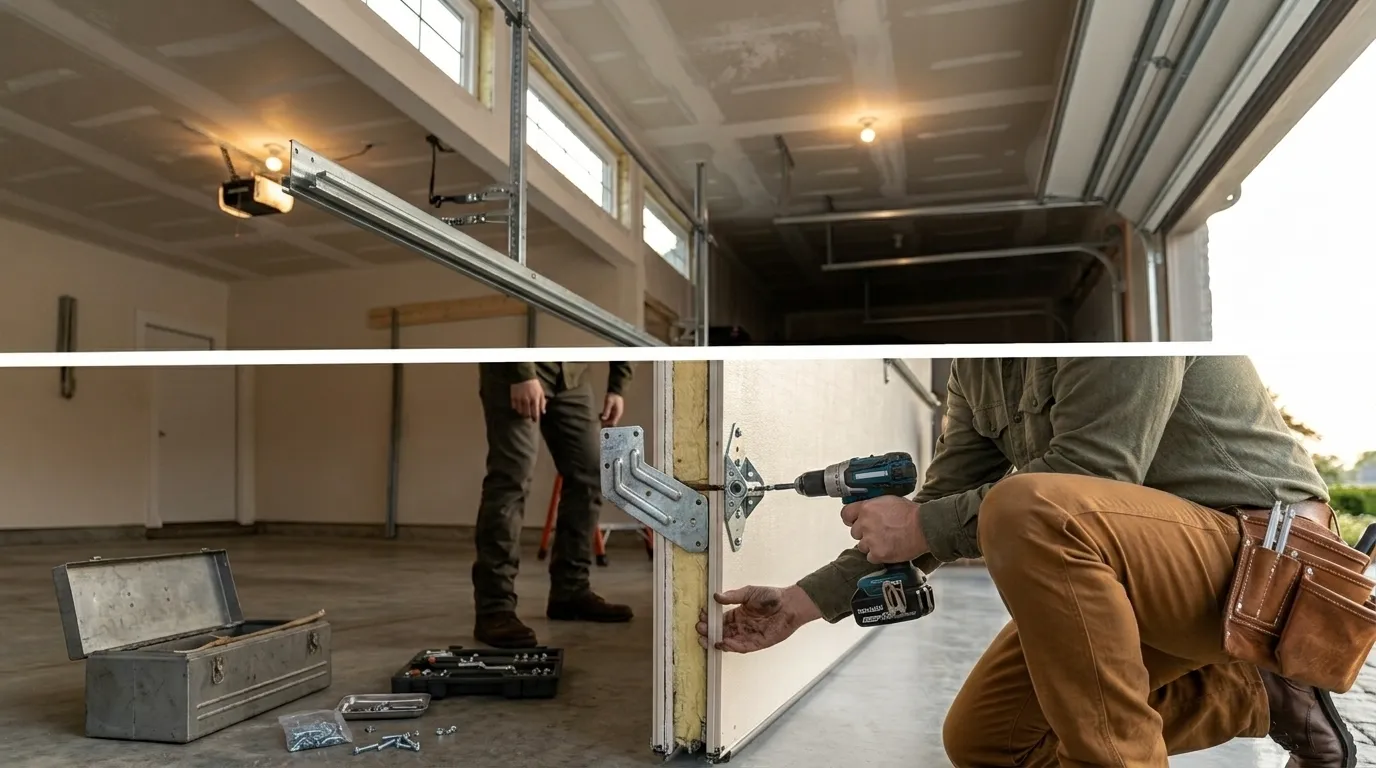
We carry torsion springs, extension springs, cables, rollers, and hinges for the standard sizes that fit these builder-grade doors, plus replacement drive gears and belts for the openers most common to homes from this era. What we don't always have on the truck is the exact circuit board for every builder-installed opener model - some of those boards are proprietary to the brand a builder used in 2005, and getting the right one can mean a short order wait. We'll tell you straight if that's the case before we start the job, not after.
Can You Do This Yourself
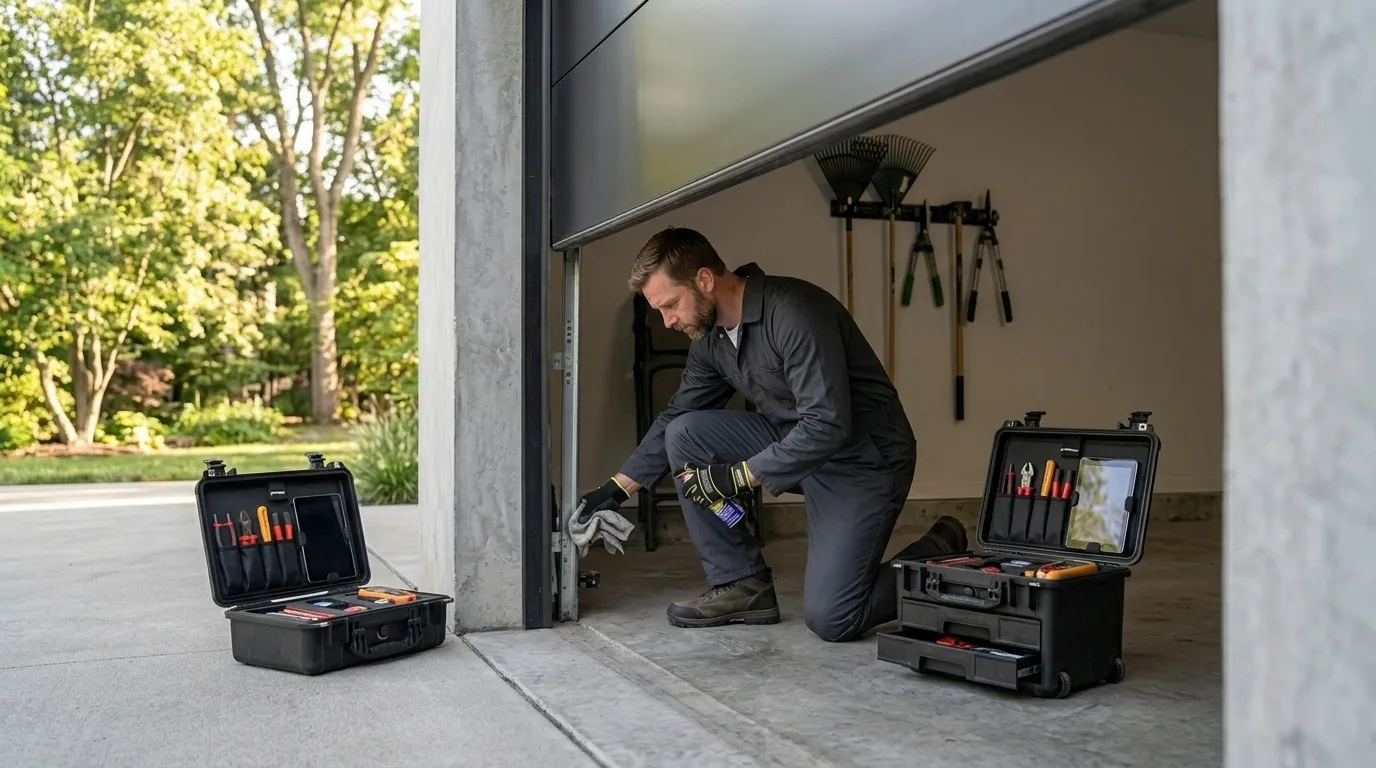
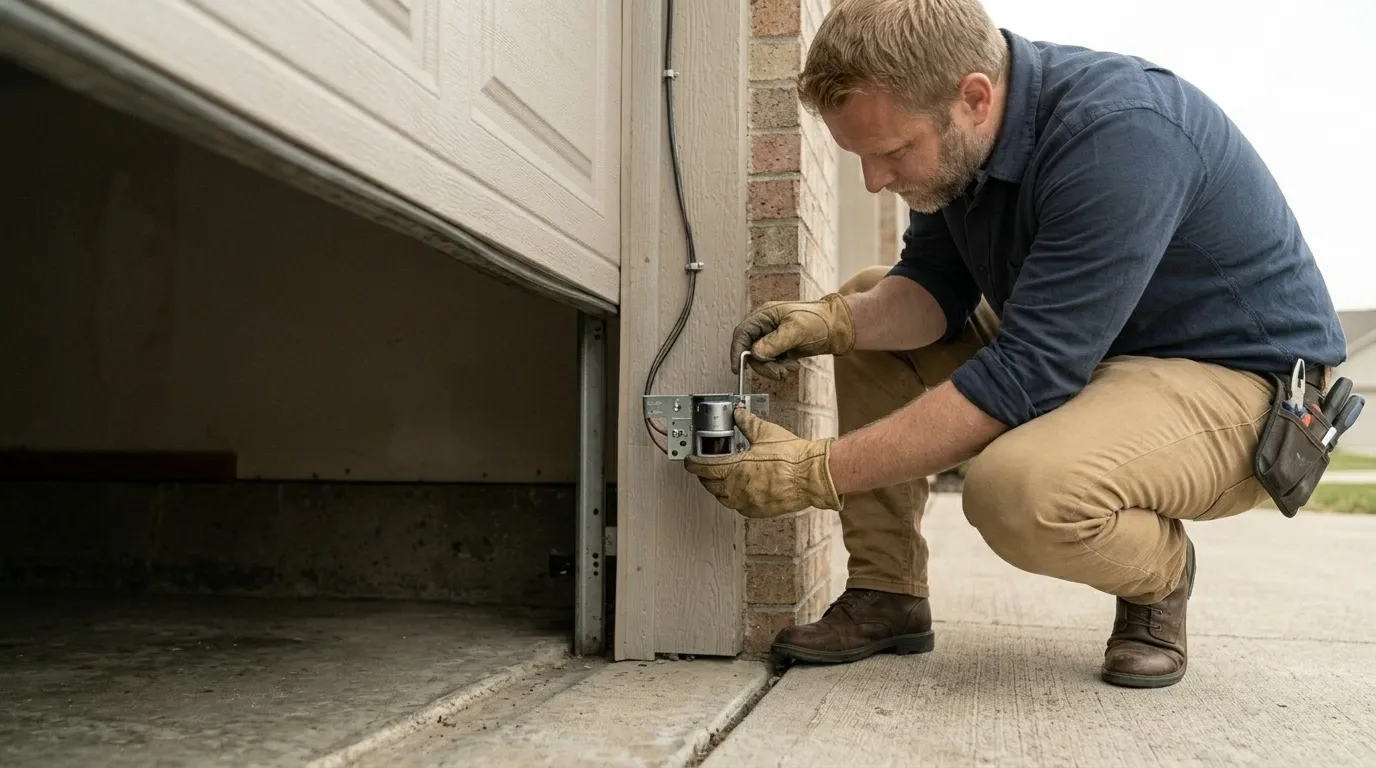
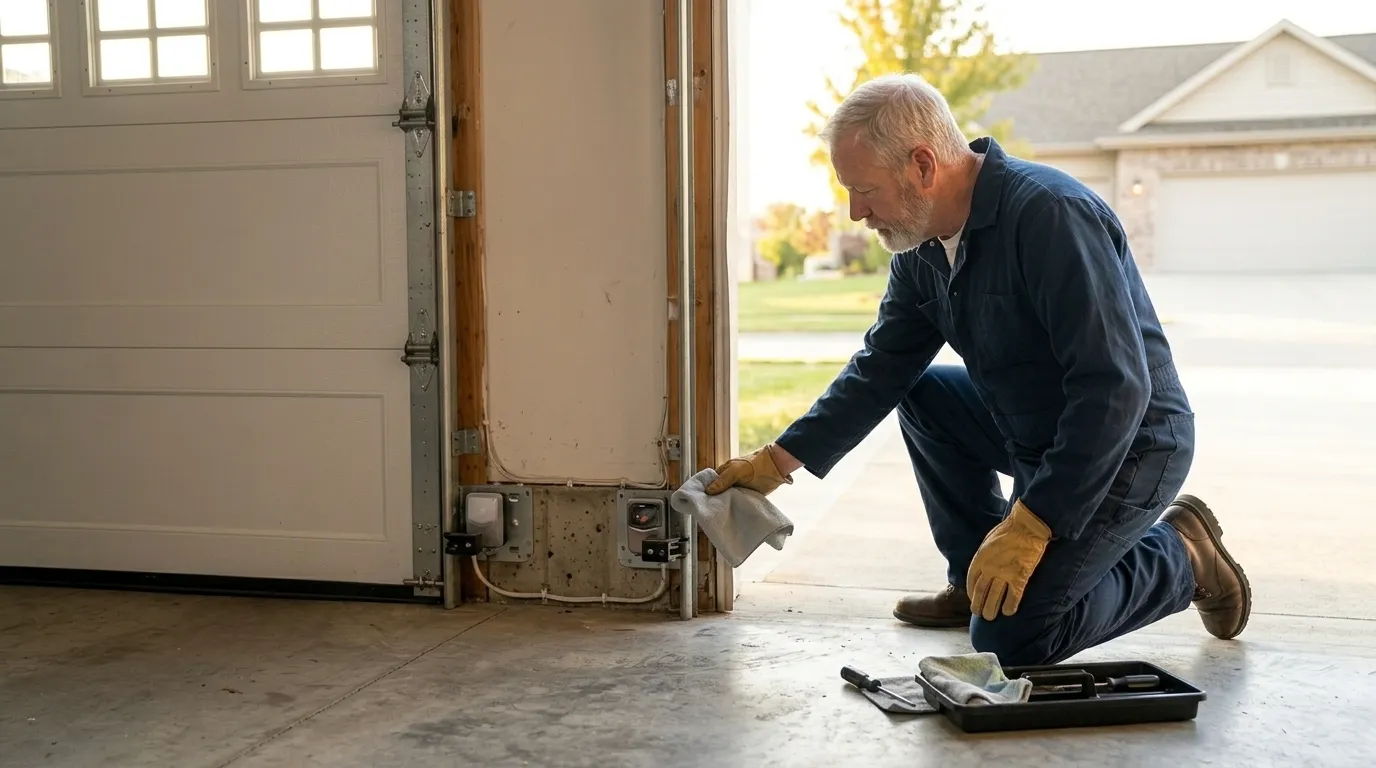
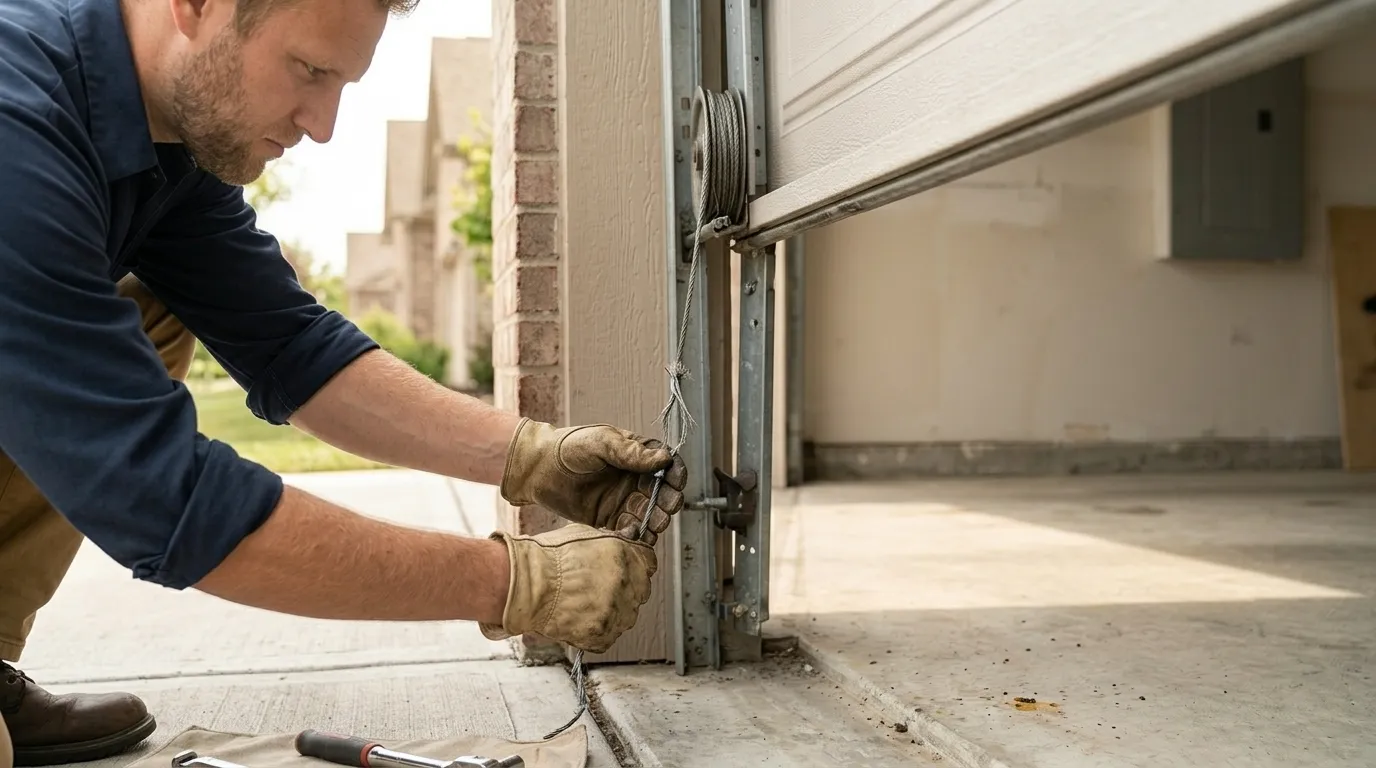
A broken torsion spring is not a do-it-yourself repair on any door, new or old - the spring holds enough tension to break a bone or worse, and that doesn't change because your garage is newer than the ones on the other side of our service area. What's different on a 2005-era door is the electronics. If the opener won't respond, the first two things to check yourself are the photo-eye sensors near the floor and the wall console - a knocked-out-of-alignment sensor is the single most common cause of a door that won't close on these newer builder-grade systems, and it costs nothing to check.
Past that, diagnosing a circuit board fault or a worn belt-drive gear takes a meter and some time with the specific opener model, and guessing wrong can mean replacing a part that wasn't broken. If the light on the opener is blinking a pattern, write down how many blinks before you call - it saves diagnostic time on the phone.
How It Shows Up
On a 2005-era opener, trouble usually shows up as a light, not a sound. The wall console blinks or the motor unit's indicator flashes a pattern before the door stops responding altogether - that's the circuit board or the safety sensors talking, and it's a different first symptom than the grinding or popping you'd hear from an older torsion spring giving out.
Cold matters here too. This part of Ohio sits in a severe cold climate band, and builder-grade grease on chain and belt drives stiffens up in a hard freeze - the door hesitates on the way up, or the opener strains and reverses before it fully closes. That's not the same fault as a dead spring; it's friction, and it usually eases once the door's run a few cycles or the garage warms a degree or two. If it doesn't ease up, that's when the strain has already worn something down.
What Can Go Wrong
The circuit board is the part most specific to this stretch of newer homes. Builder-installed openers from the mid-2000s often used boards tied to a brand that isn't sold retail anymore, so when one fails, the fix isn't a shelf part - it's tracking down a compatible board or, if the model's discontinued, replacing the opener outright. We'll tell you which situation you're in before we order anything.
Photo-eye sensors get knocked out of alignment by a bumped bike or a stored ladder more than they fail outright - that's an easy fix, five minutes, no parts needed. Worn belts and drive gears show wear faster on doors that get used several times a day, which tracks with a town where household income runs well above the rest of our coverage area and garages tend to double as storage and workspace, not just car parking. None of that is a spring problem, and treating it like one wastes a service call.