Parts We Carry
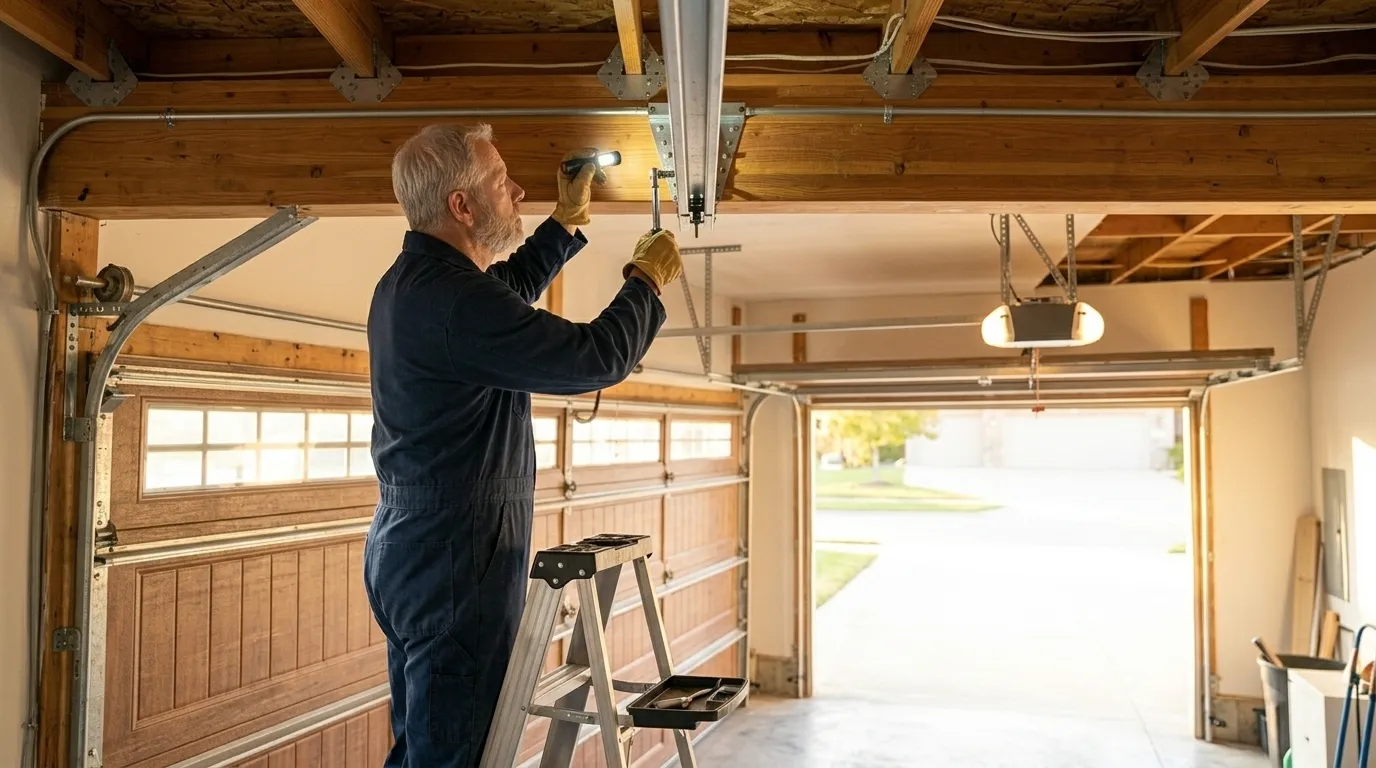
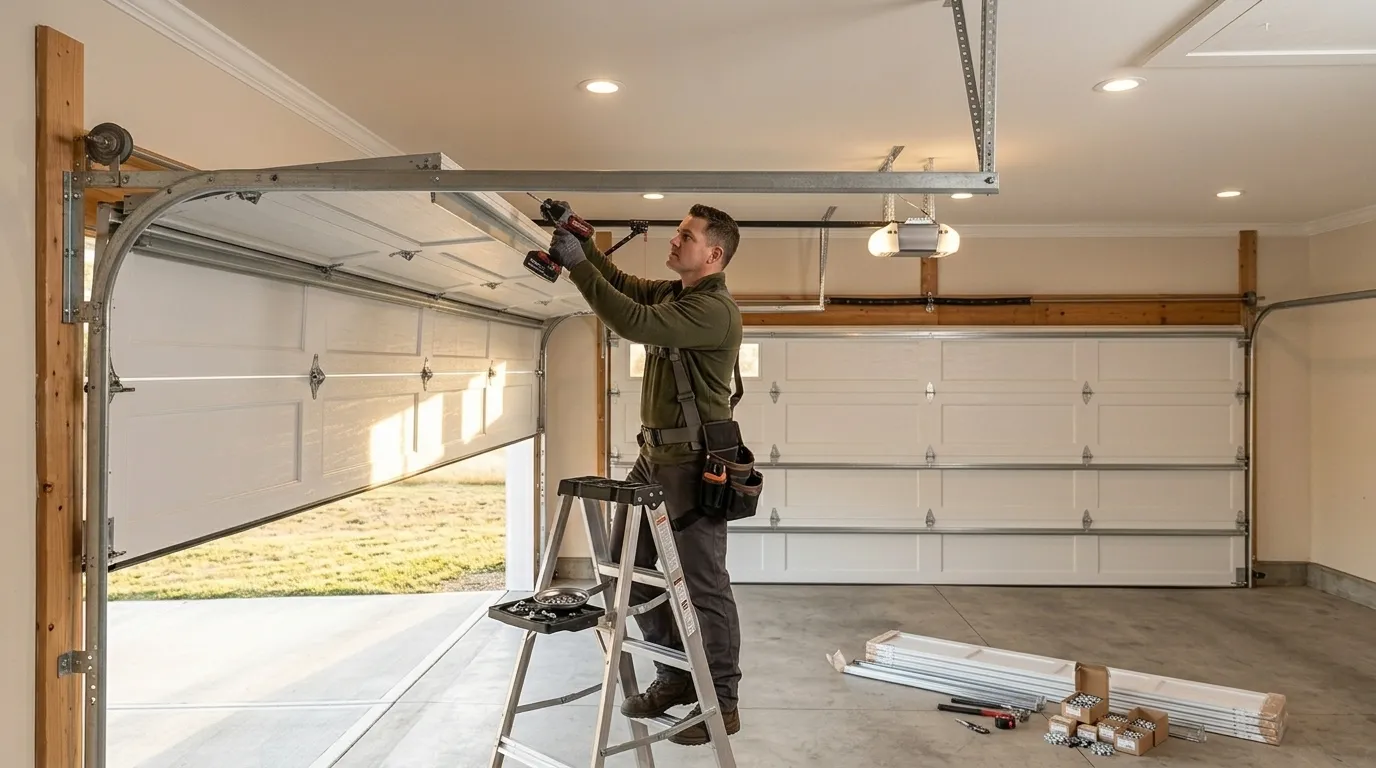
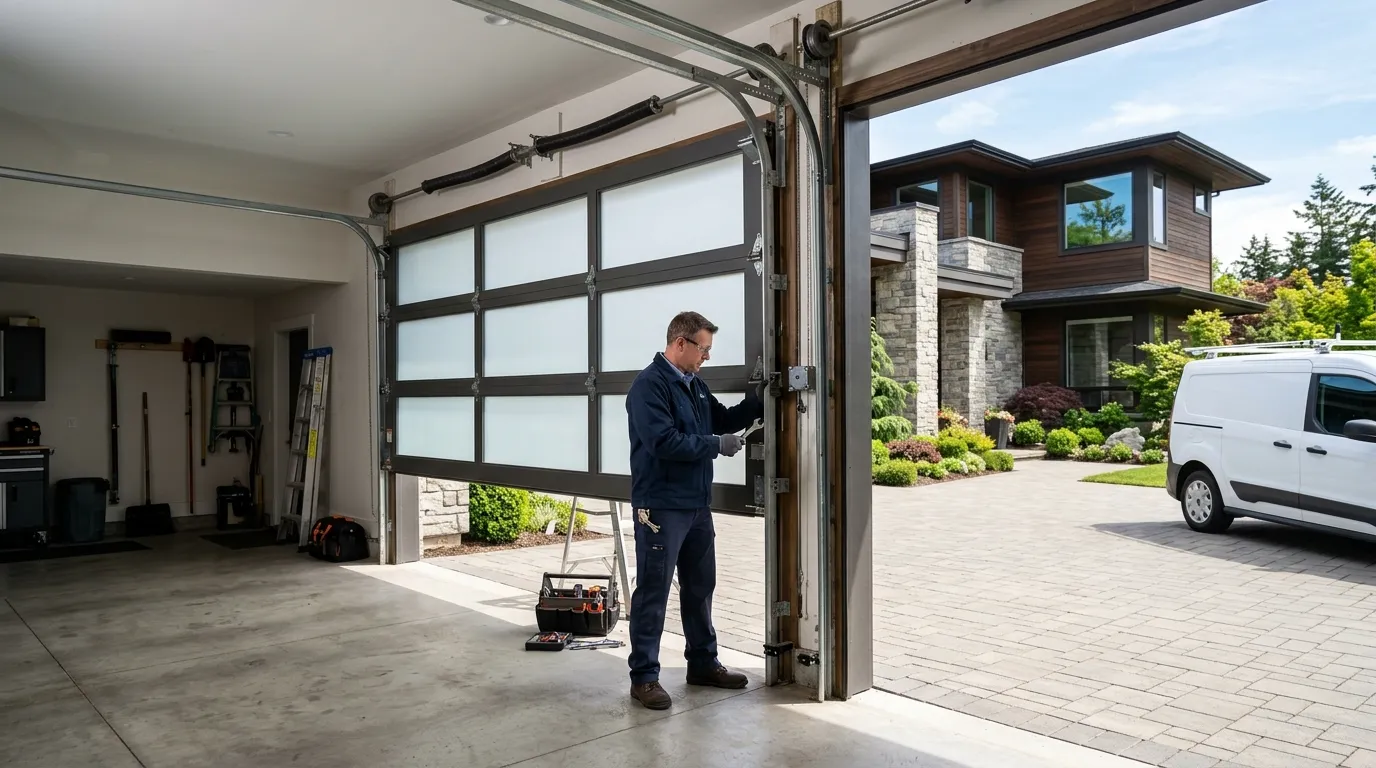
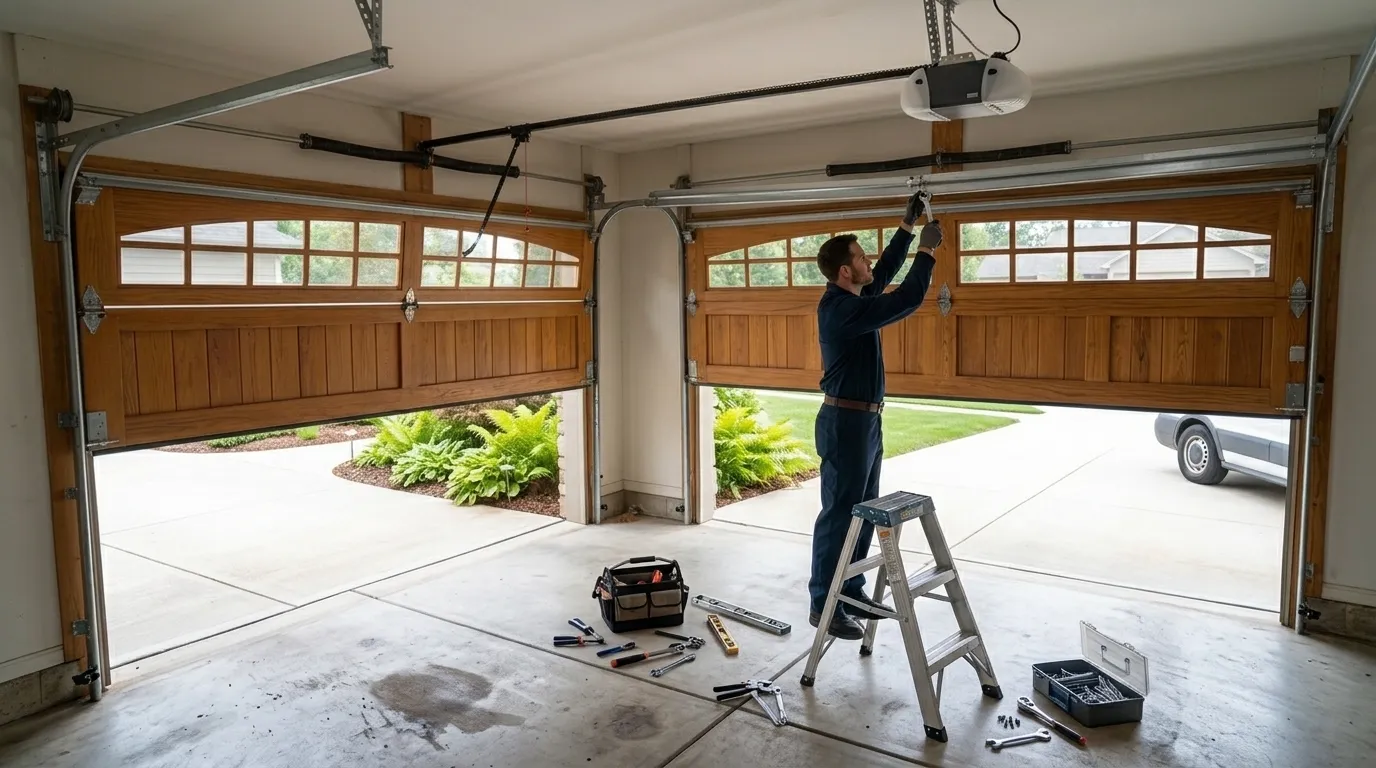
Most of what we pull off the truck for a New Albany call is stock sized for the newer builds here. The median build year across this part of the county sits around 2005, a good three decades past the 1976 median for the wider area we cover out of Newark, and that gap matters at the parts counter. You're less likely to be running a 1970s single-torsion setup on a lightweight steel door, and more likely to have a heavier insulated panel on dual torsion springs rated for that weight. We carry standard-wind torsion springs in the sizes those doors actually use, steel rollers, galvanized cable, and the circuit boards and logic modules that go with mid-2000s to late-2000s opener lines. What we don't stock on the truck are obsolete opener boards from openers that have already been discontinued by their maker - if your unit is one of those, we tell you up front instead of guessing at a fix.
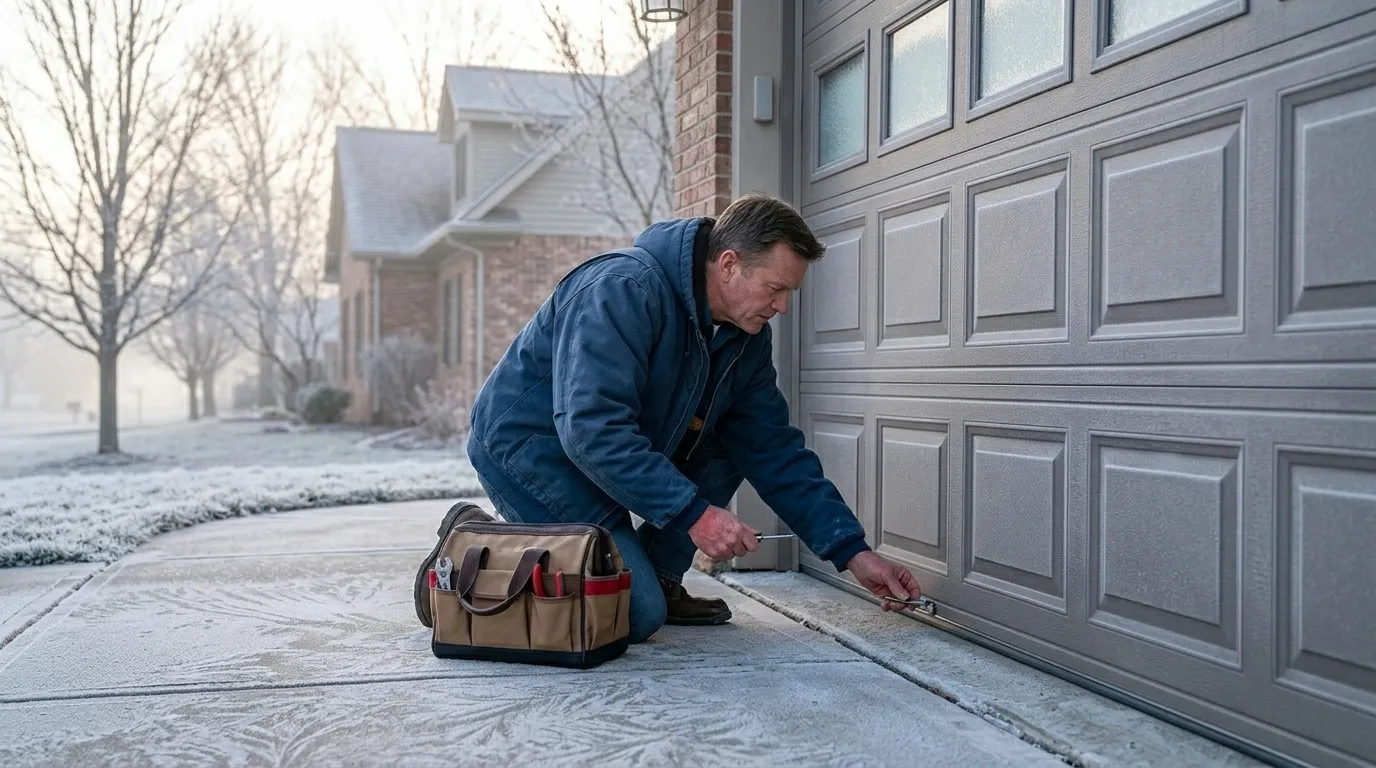
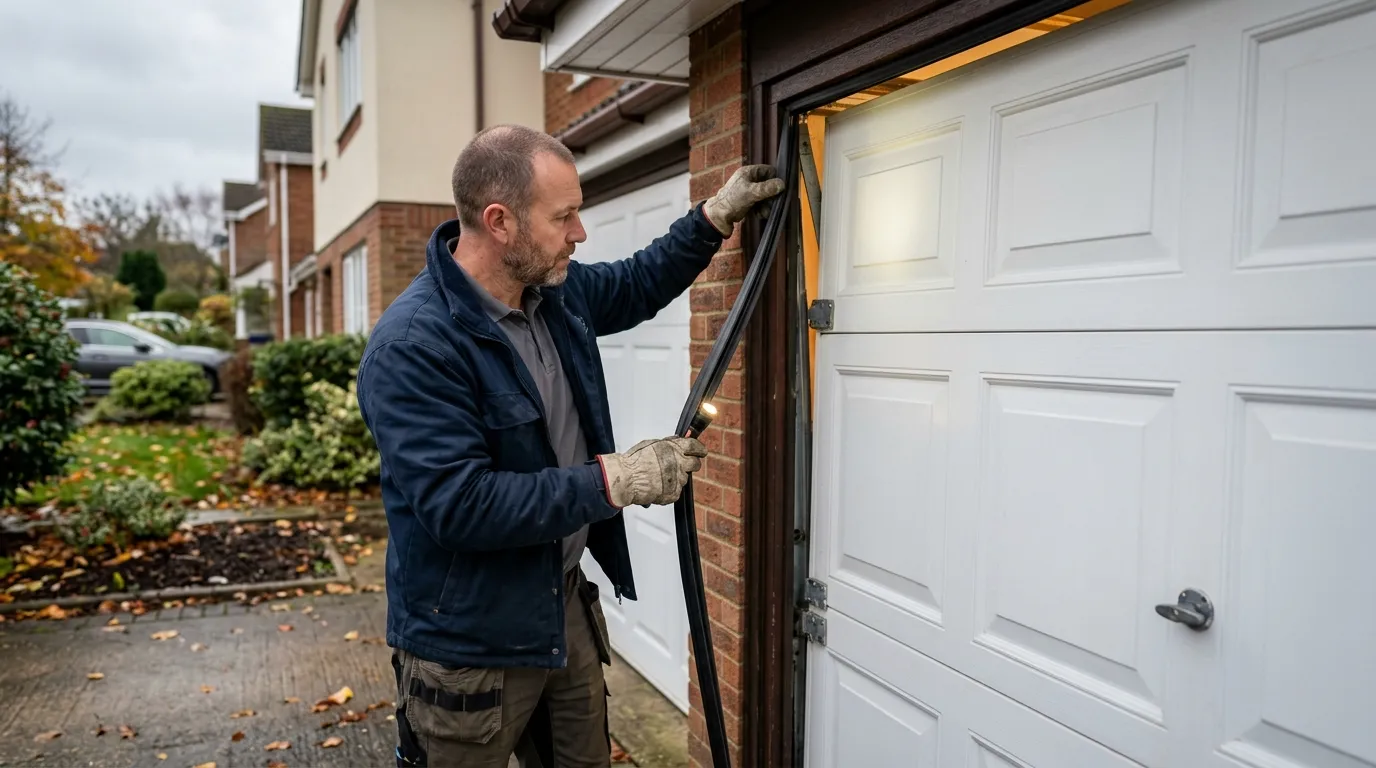
Winters here fall in the same cold-severe climate band as the rest of our coverage area, so we also carry the weatherstrip and bottom seal profiles built for that swing, along with the heavier-duty lift cables that stand up to a cold garage better than the thin stock ones.
Can You Do This Yourself
A torsion spring on a door built in the last twenty years is still wound to the same tension as one from any other era, and that tension is what puts people in the ER - not the door's age. If your door is heavy, insulated, and running dual springs, the leverage on those winding bars is higher than it looks, and that's exactly the kind of door common in New Albany. We're not going to tell you it's fine to eyeball it.
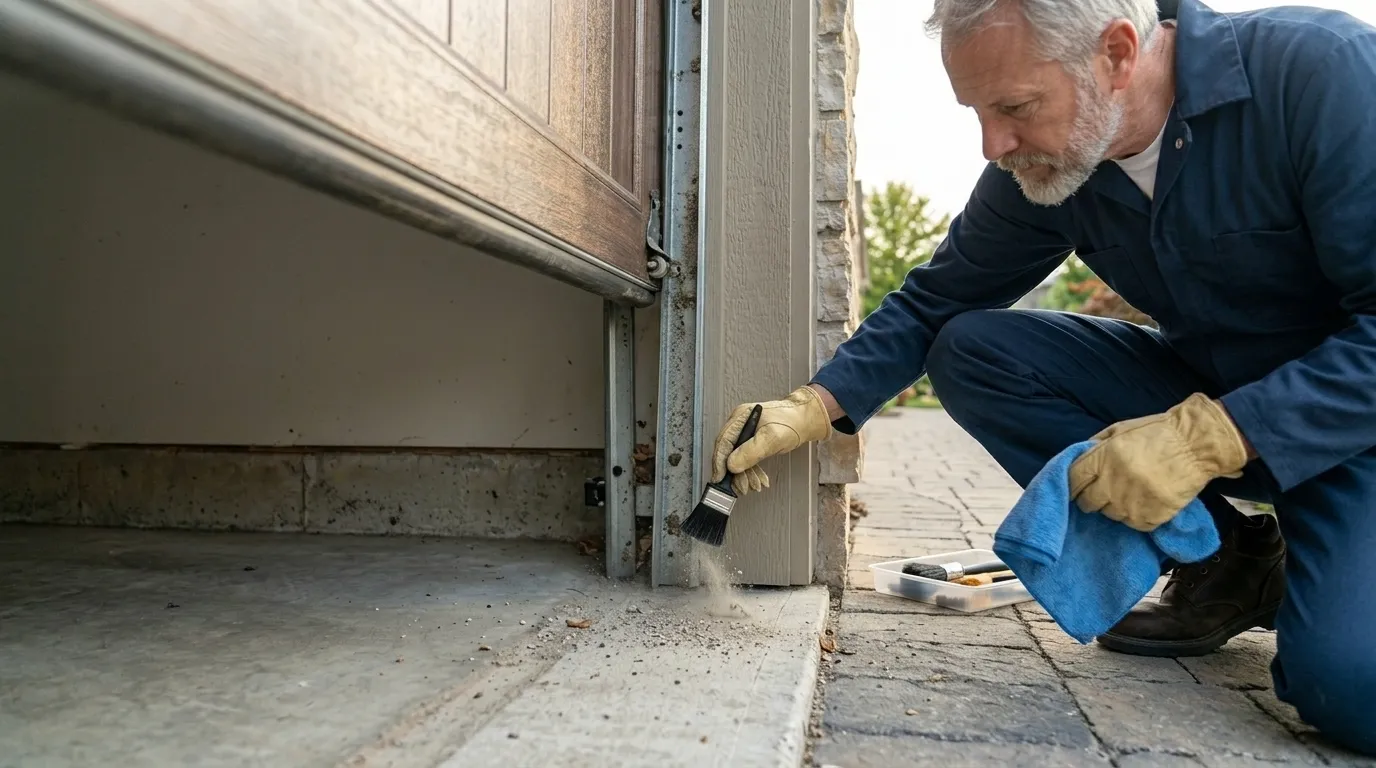
What you can reasonably do yourself: check and tighten loose hardware, lubricate rollers and hinges, clean the photo-eye sensors if the door won't close, and replace weatherstripping. What we don't recommend doing yourself: winding or unwinding a torsion spring, adjusting the force or limit settings on an opener with the cover off, or replacing a cable under tension. If you're not sure which category a job falls into, that's a fair question to ask us before you start, not after.
How It Shows Up
On a door from this era, the failure usually announces itself through the opener before it shows up in the spring. A door that reverses right before it hits the floor, or won't close at all with the light blinking, is almost always the photo-eye sensors - out of alignment, dirty, or wired loose. That's a five-minute check, not a spring problem.
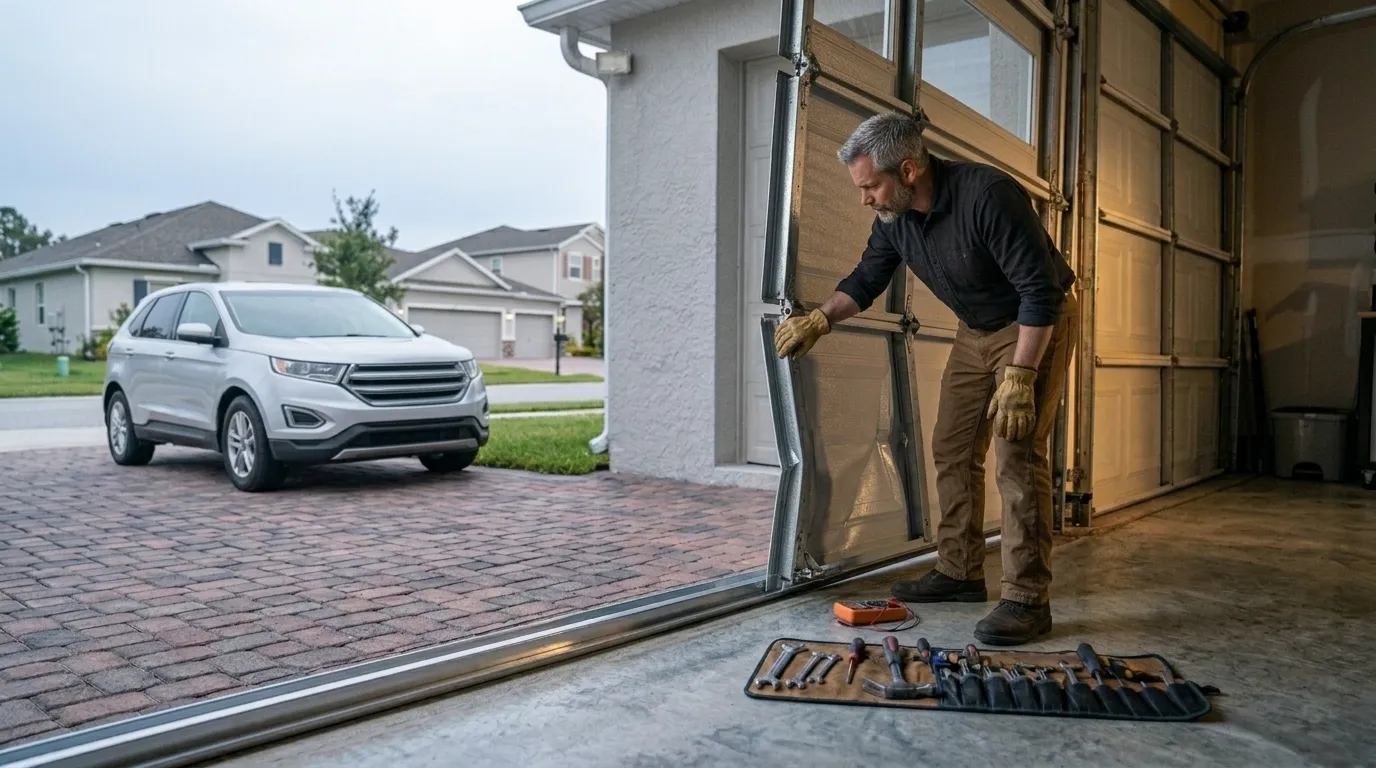
When it is the spring, you'll usually hear it before you see it: a loud bang from the garage, then the door feels twice as heavy to lift by hand or won't budge with the opener at all. On the heavier insulated doors common in newer New Albany construction, a single broken spring can feel like the door is stuck rather than just heavy, because the second spring alone can't carry that panel weight.
A door that opens and closes but grinds or shudders partway through the cycle is more often a roller or a section of bent track than anything structural - worth a call before it turns into a bent panel.
What Can Go Wrong
The oldest garage door equipment in New Albany is now pushing twenty years old, which puts a fair share of original springs and openers right at the end of their rated cycle life. A torsion spring is rated for a set number of open-close cycles, not a set number of years, but a household using the garage door as a main entrance racks those cycles up fast, and twenty years is enough to get there on a door installed when the home was built.
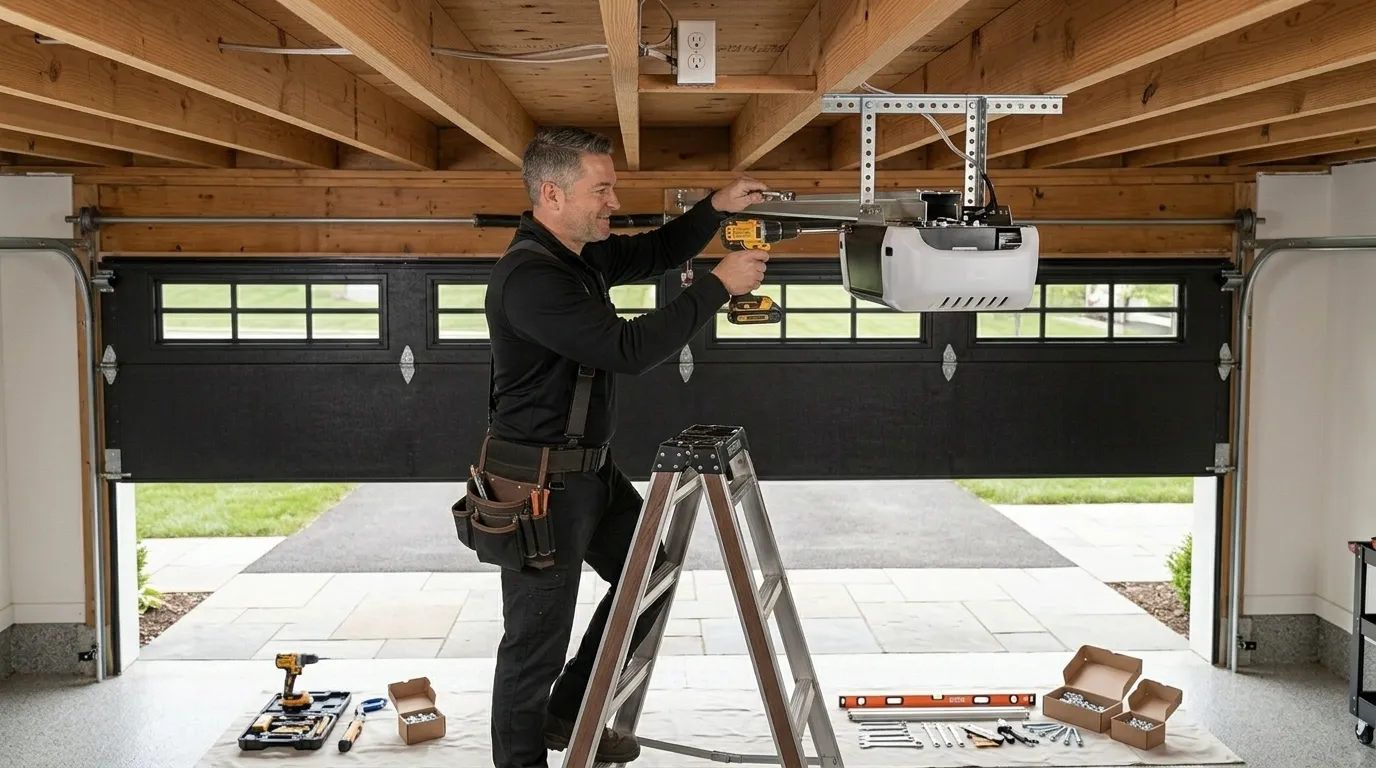
On the opener side, circuit boards from that generation are starting to fail the way electronics do - slowly, then all at once. You'll sometimes see intermittent behavior for weeks (works fine, then randomly doesn't) before the board quits for good. That's different from a spring failure, which is usually sudden and total.
One limitation worth saying plainly: if your opener is from a line that's been discontinued, we may not be able to get an exact replacement board. At that point replacing the opener outright is usually the better call than chasing a part that's getting harder to find every year.