Parts We Carry
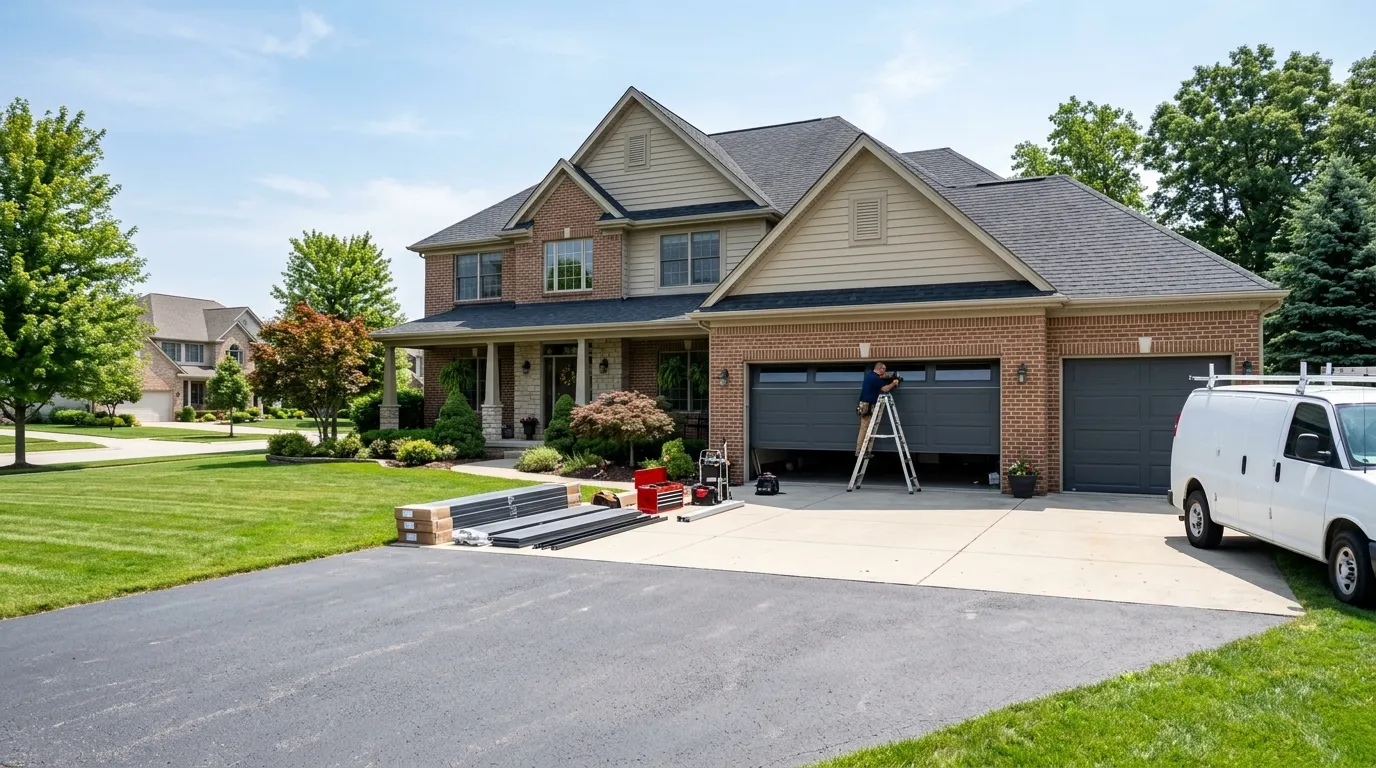
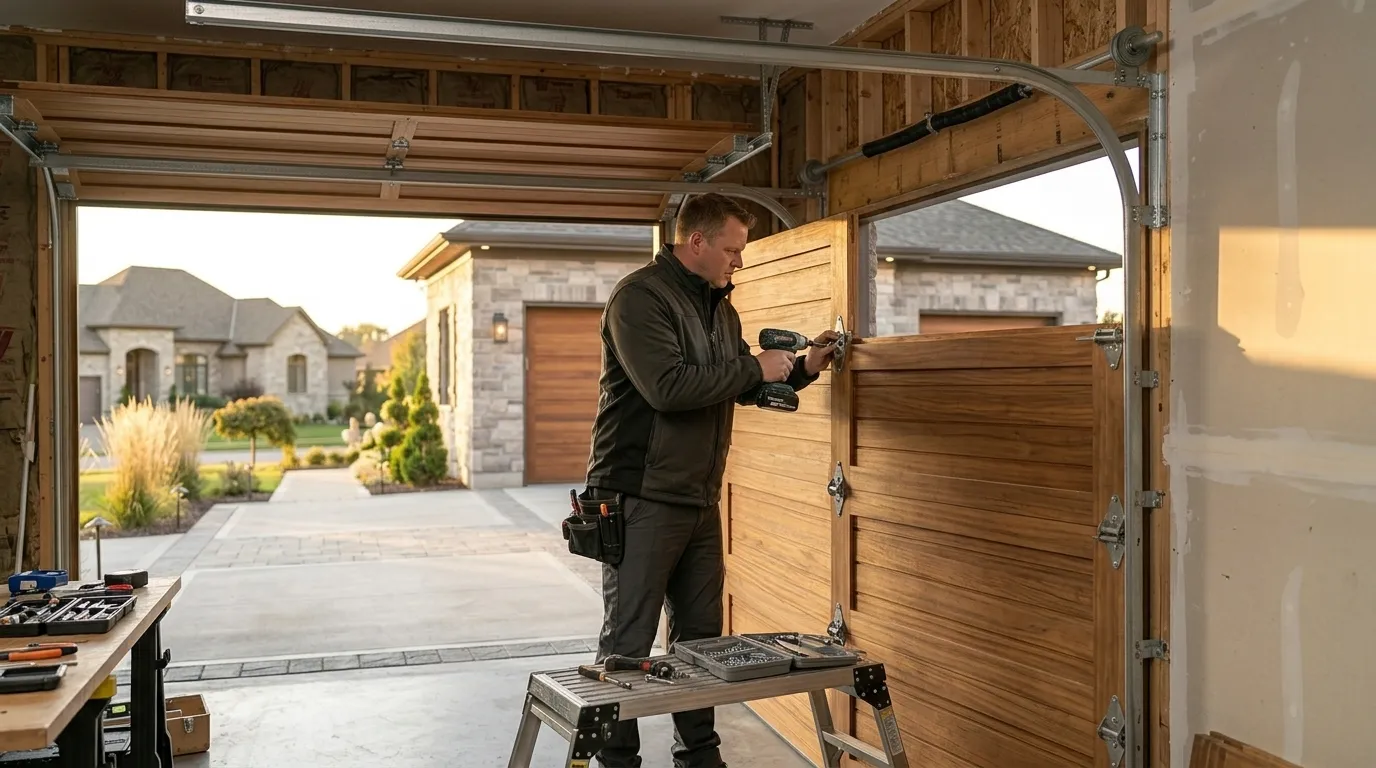
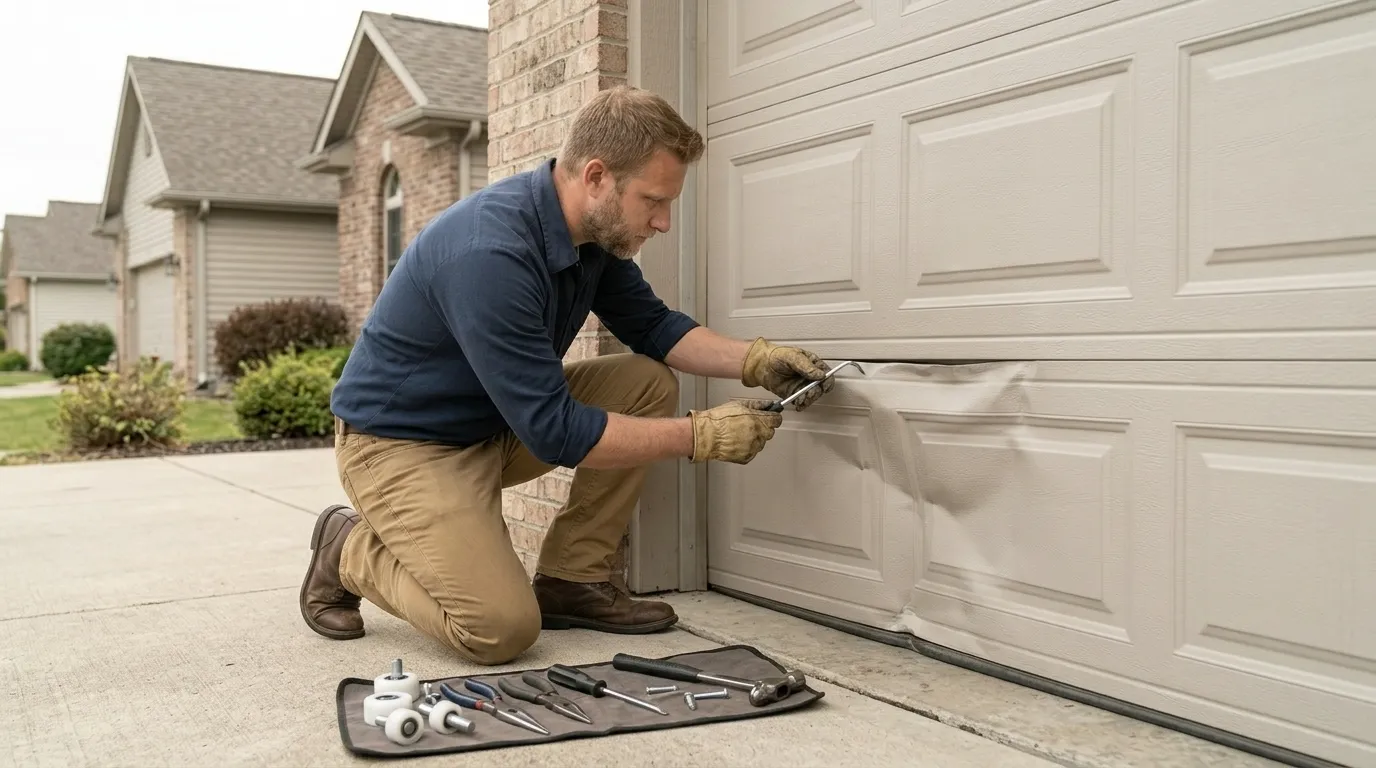
New Albany's median household income sits at $232,524, well above the wider Newark service area's $91,819. That gap matters here because it changes the math on rollers: at this income level, most owners aren't stretching a $150 roller job into a $2,000 door replacement just to avoid a truck visit. We carry sealed 10-ball nylon rollers as the standard swap, and steel rollers with sealed bearings for doors that see heavy daily cycles. Nylon is quieter and doesn't need lubrication as often, which matters in a cold-climate service area where grease stiffens up in an unheated garage. We stock common stem lengths and the 7-inch and 4-inch shaft options that cover most sectional doors built from the 1990s through the mid-2000s, which is the bulk of what's on the ground in this suburb given a median build year of 2005. Older stem styles with riveted brackets are less common here than in Newark's older neighborhoods, but we carry a few on the truck in case a track was replaced with mismatched hardware at some point. One limit: if a roller has seized and scored the track badly, that's a track repair or replacement on top of the roller swap, not a simple part swap.
Can You Do This Yourself
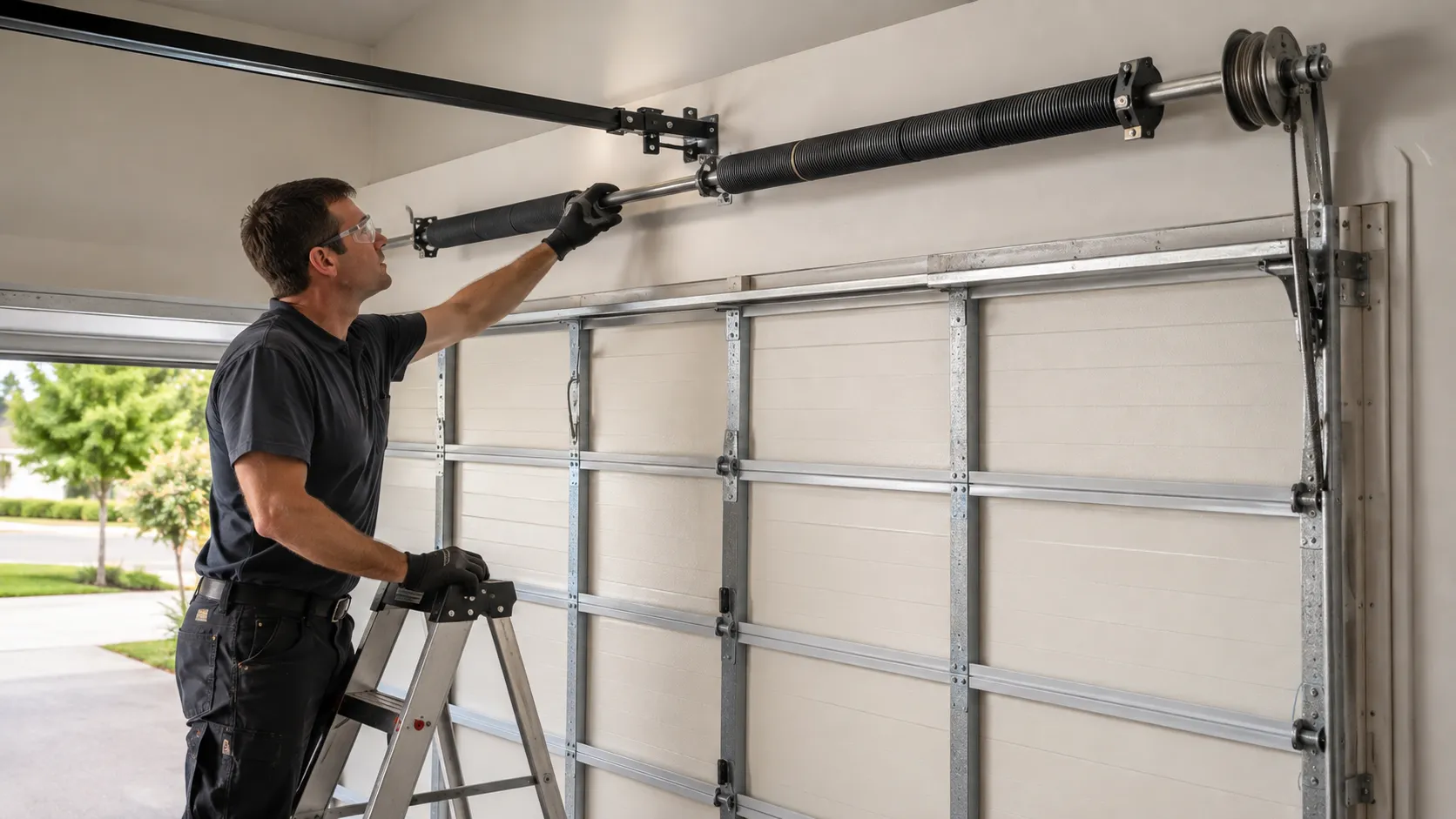
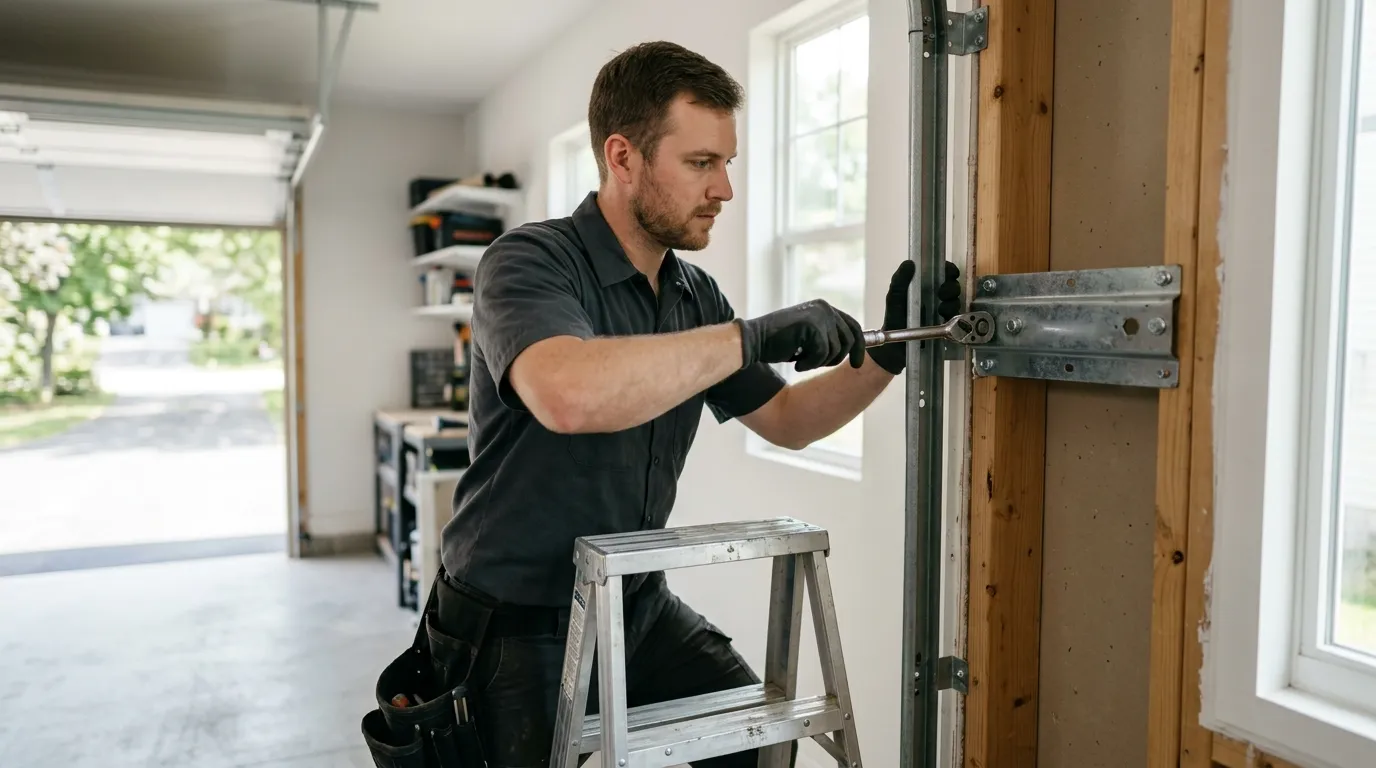
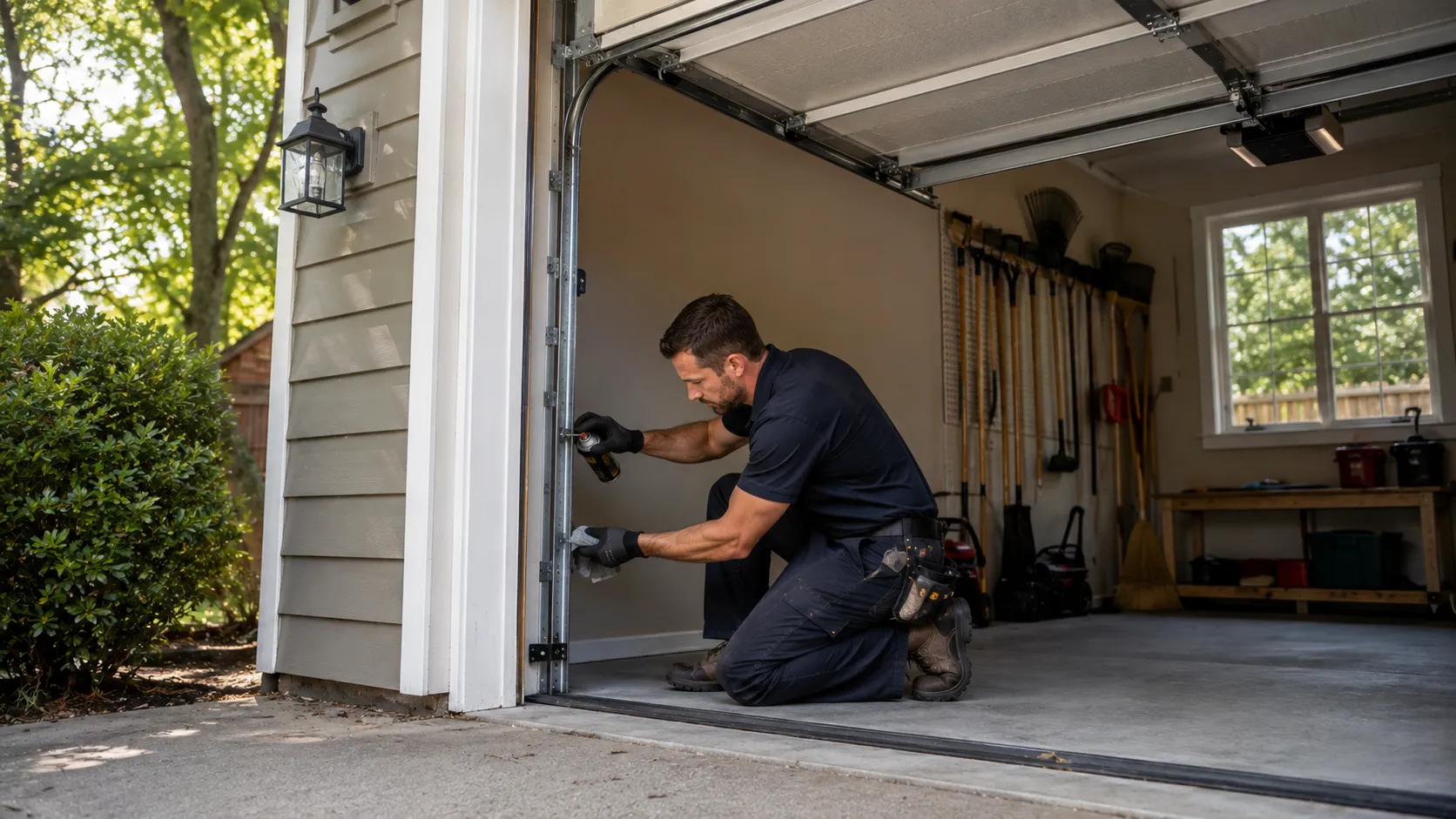
A single bottom roller on an unpowered door is within reach for a careful homeowner with a nut driver and a winter afternoon. The bottom section is low, the door isn't under spring tension at that panel edge, and the roller just slides out of the bracket once the hinge screws are loose. Where it stops being a DIY job is the top two rollers on a door with the opener still attached, because those brackets sit close to the spring system, and on a 16-foot double door the cable and track alignment near the top can put real force behind a mistake. New Albany's housing stock, mostly built in the 1990s and 2000s, tends to have factory-original tracks that are still true and unbent, which makes DIY roller swaps here more forgiving than on an older, warped track. Still, if you're not sure whether the door is under spring tension at the point you're working, stop and call. We'd rather talk you through the easy bottom-roller swap for free than replace a hand.
How It Shows Up
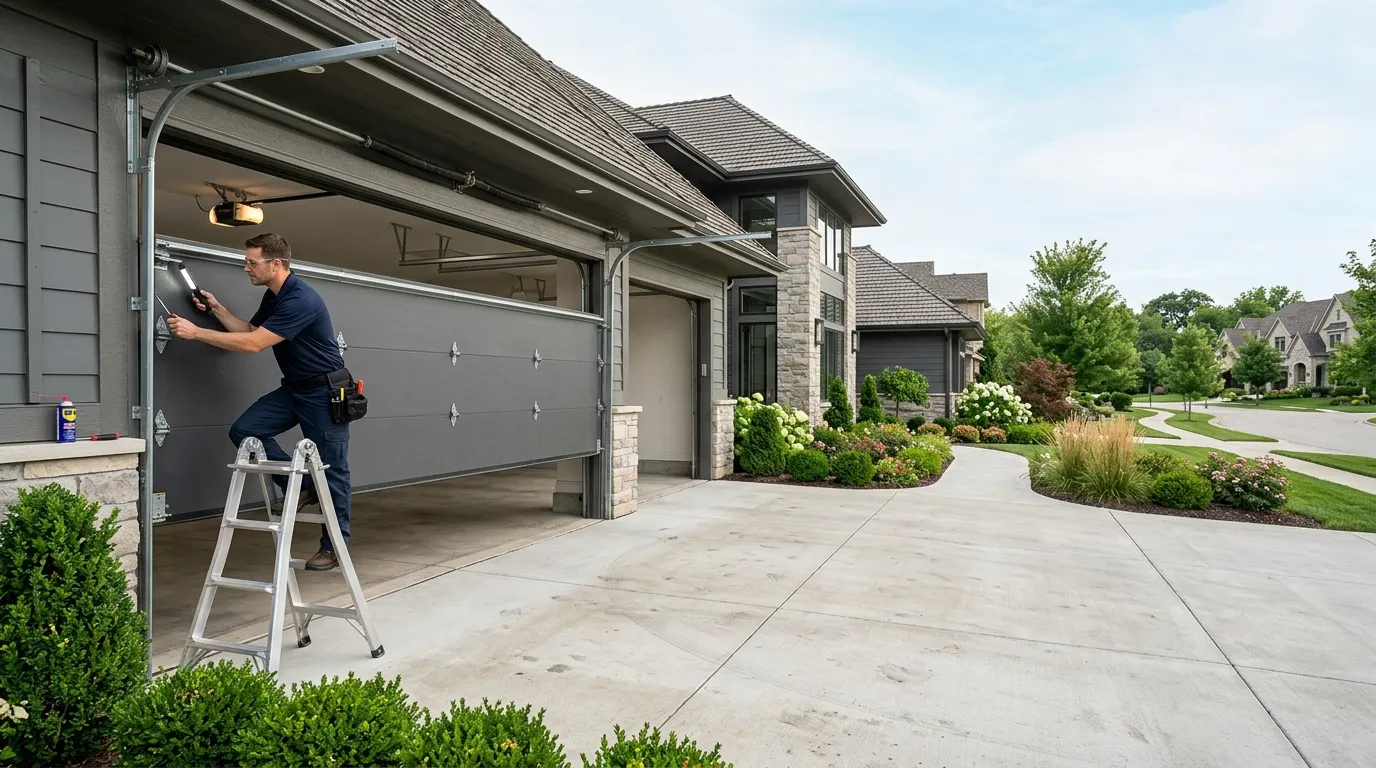
The tell is noise before it's a jam. A roller that's starting to go grinds or squeals as it passes the bracket, and it's usually louder at the top of the travel where the door picks up speed. In a climate rated cold and severe, nylon rollers get brittle faster than they would somewhere milder, and a hairline crack in the roller body can widen over a few freeze-thaw cycles until a chunk breaks off and the door binds. Households in this area skew newer-build, which means garages here are more likely to be insulated and attached, so the roller noise is more noticeable indoors than it would be with a detached, unheated garage further out. Owners often describe it as a scraping sound on the way up, then a hard stop or a door that won't fully close. That hard stop is the roller finally jumping the track, not the opener failing.
What Can Go Wrong
The most common mistake we see is replacing one bad roller and leaving the other nine on a 30-year clock, then getting called back in six months for the next one. We'd rather do all ten rollers in one visit if the door's old enough that they're wearing evenly, which is worth discussing before we start rather than after. The other failure mode is a roller that seized against the track and the track absorbed the damage silently for months. In that case the roller swap fixes the noise but the door still doesn't run straight, and the real fix is a track adjustment or replacement on top of the rollers. Given the income level in New Albany, we've found owners generally prefer we say so up front rather than patch it and get called back. We don't stock every obscure stem length on the truck, so an unusual bracket setup may mean a short parts delay.