How to Book
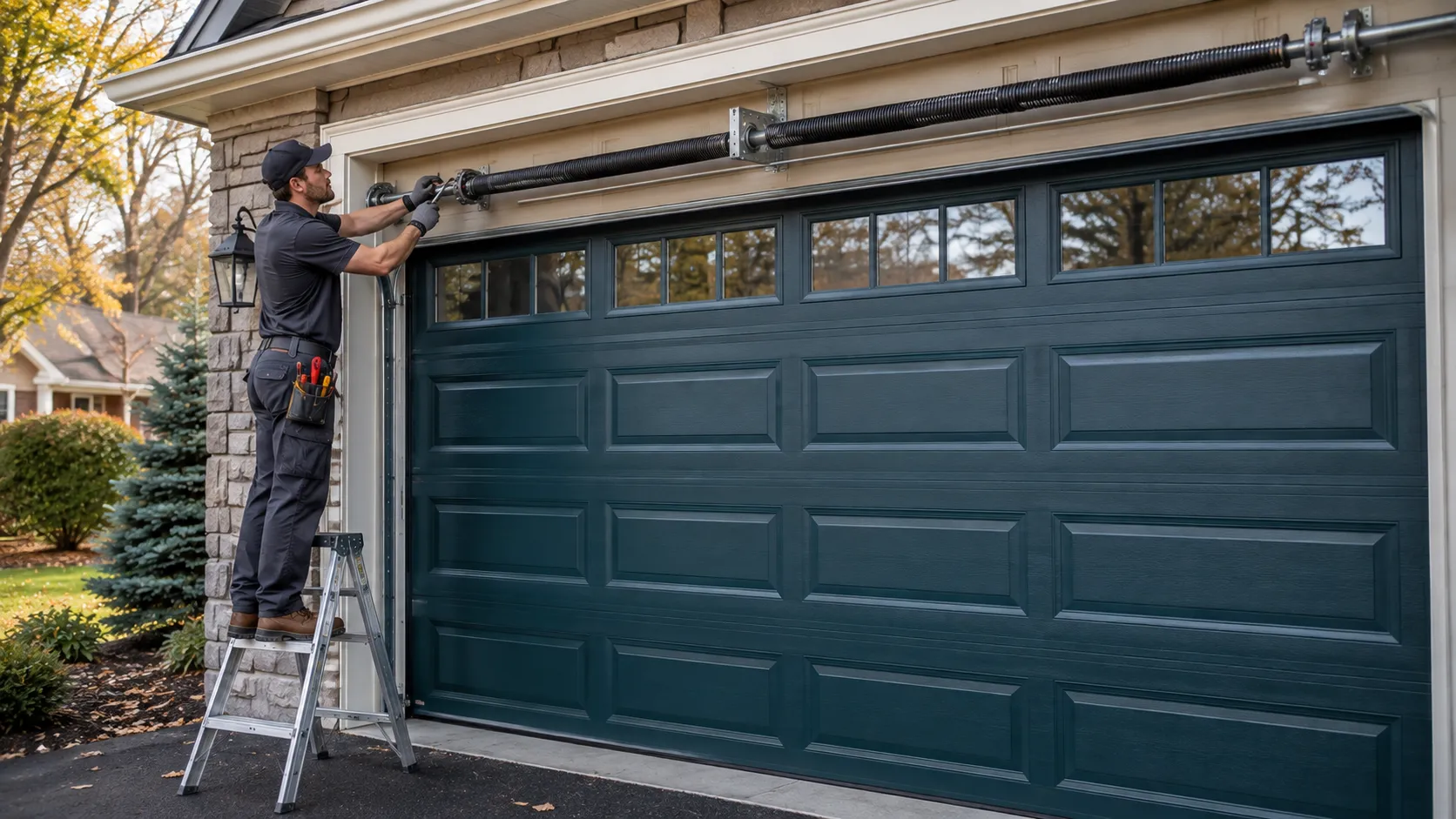
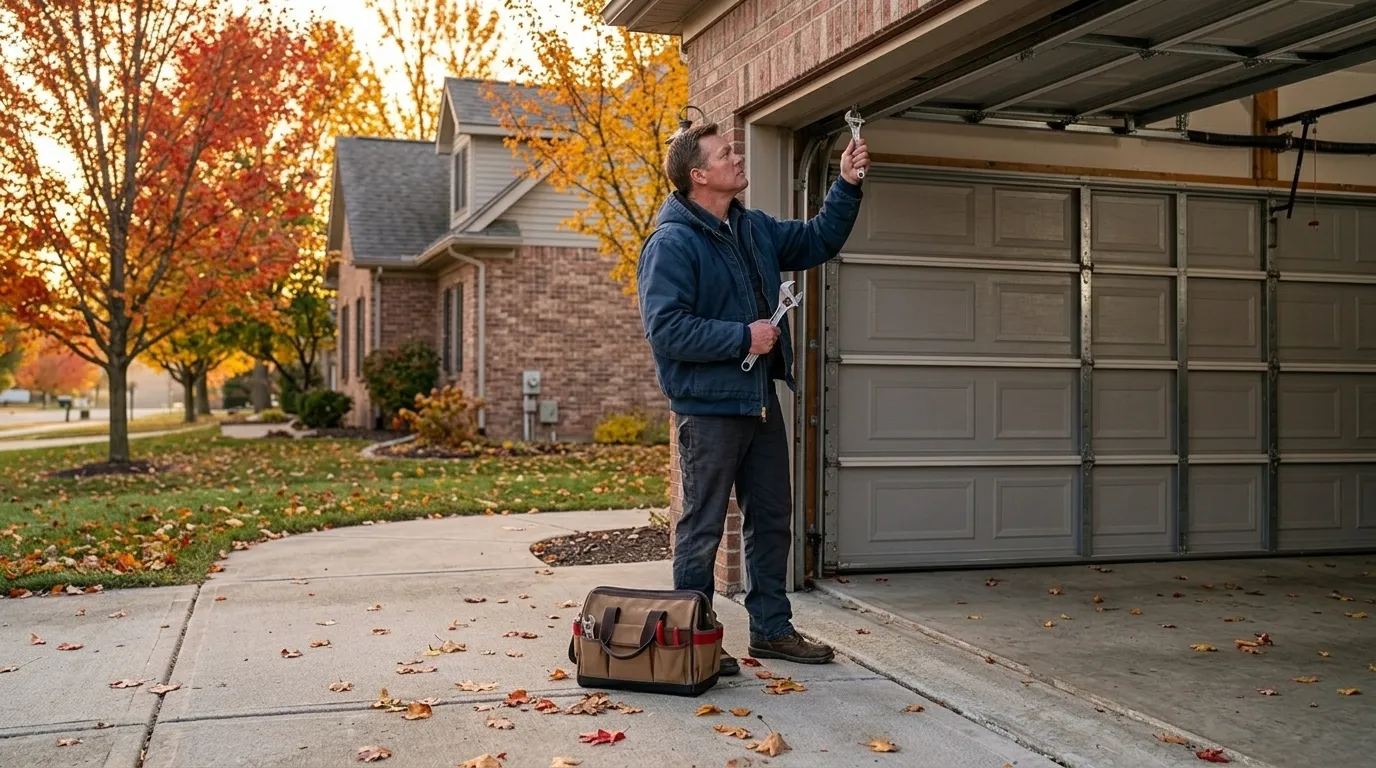
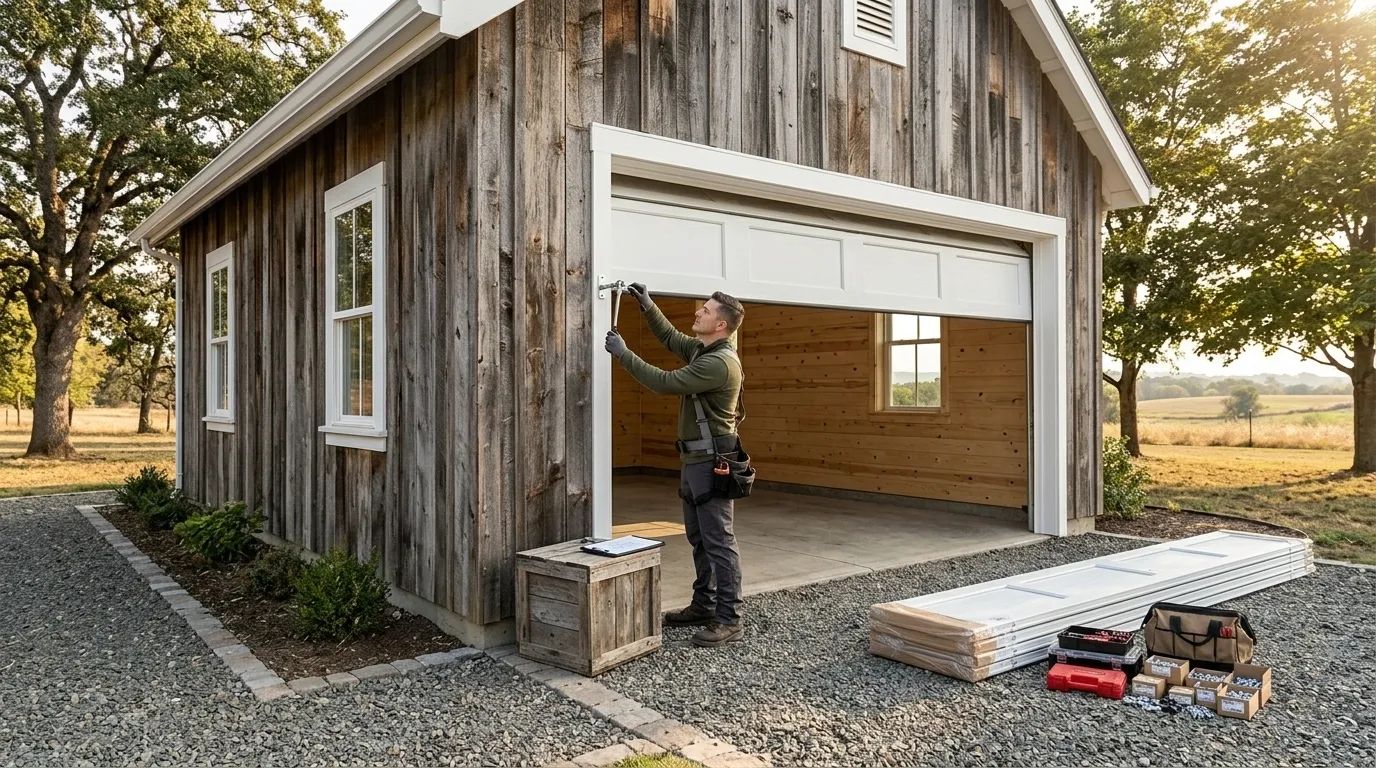
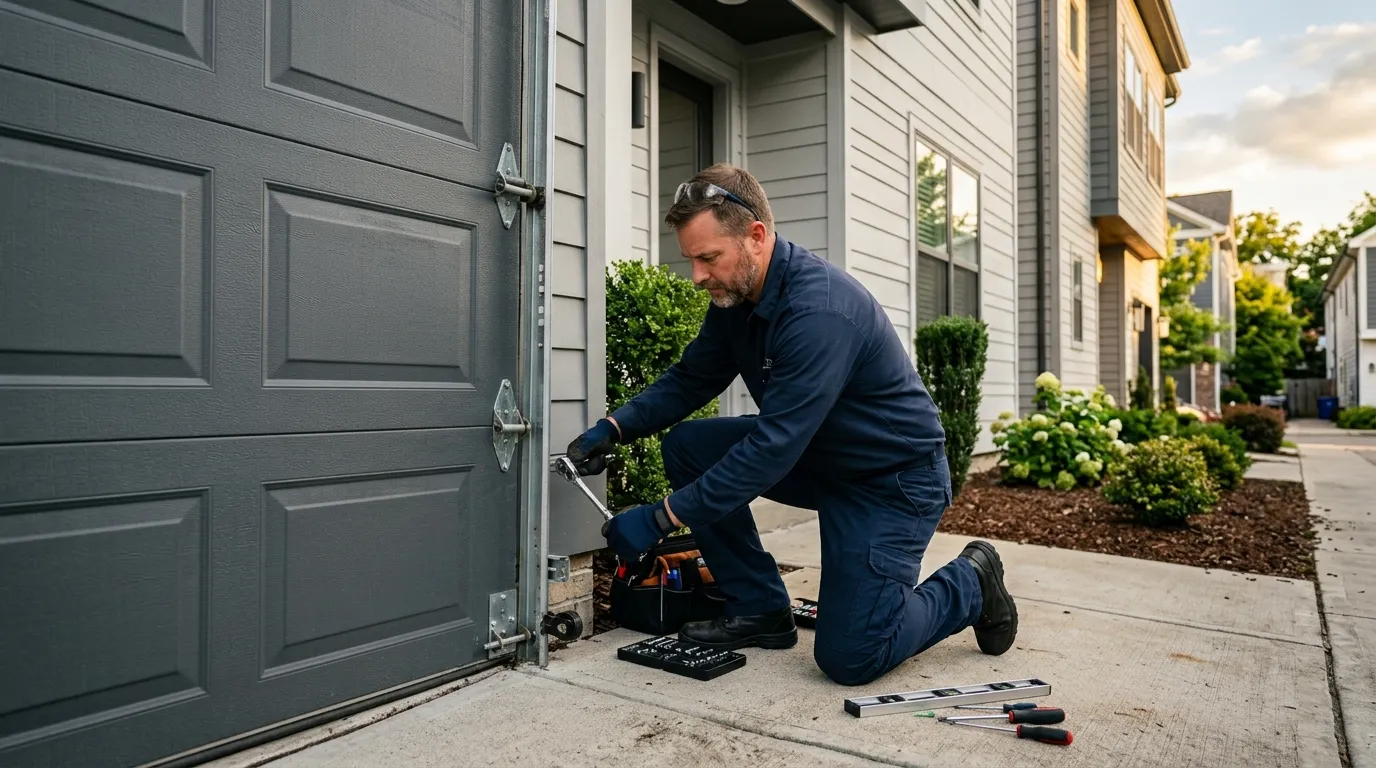
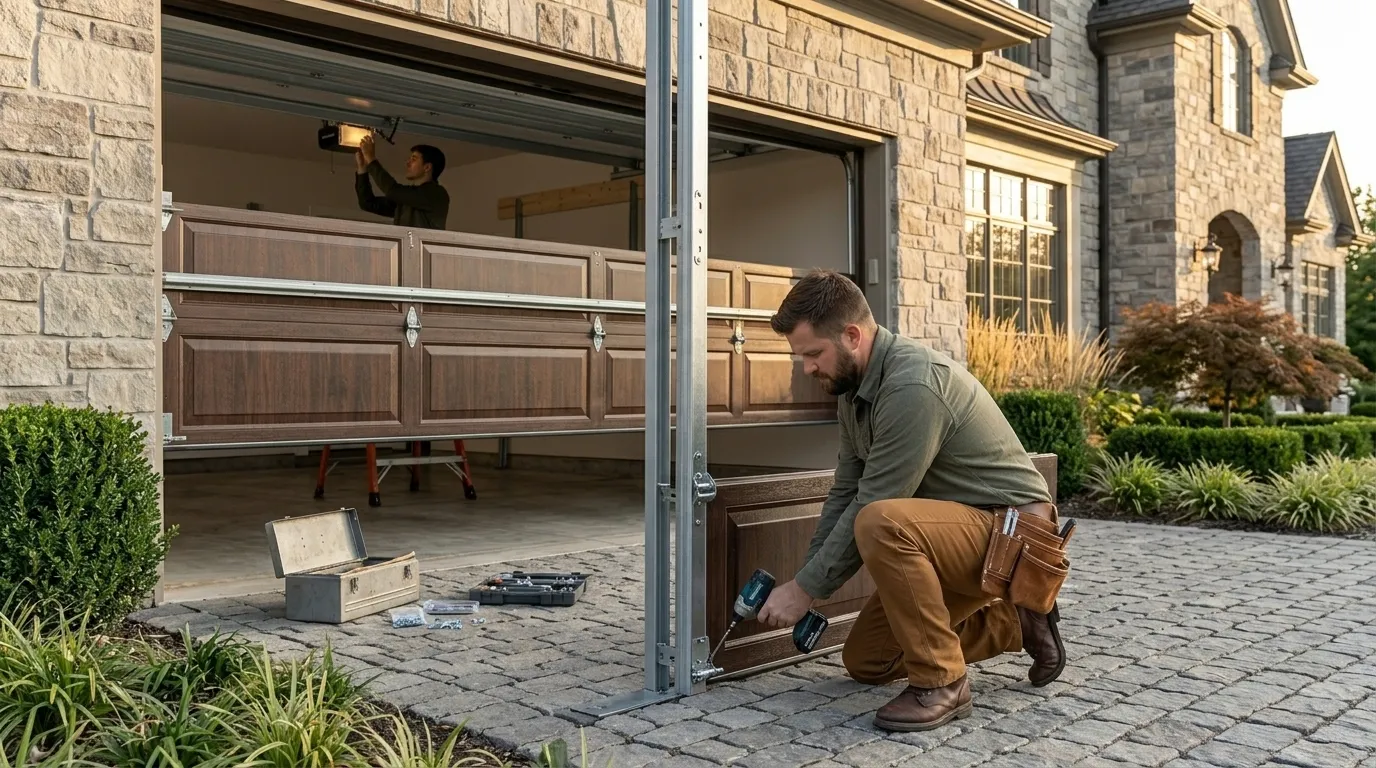
Buckeye Lake sits about 10 miles from our shop in Newark, so we build the trip into the schedule rather than treating it as an add-on. That means we ask more questions up front than we would for a job closer to home - door width, current opening size, whether it's a single or double bay - so the truck that rolls out already has the right door and hardware on it. A wasted trip out here costs more time than the same mistake would closer to Newark, so we'd rather get the measurements right on the phone or from photos you send us. Once we've got those, we'll set a date and give you a window, not a vague day. We don't run a branch or drop-off counter in Buckeye Lake itself, so every install starts as a drive, and we plan for that instead of pretending it isn't part of the job.
What Causes It Around Here
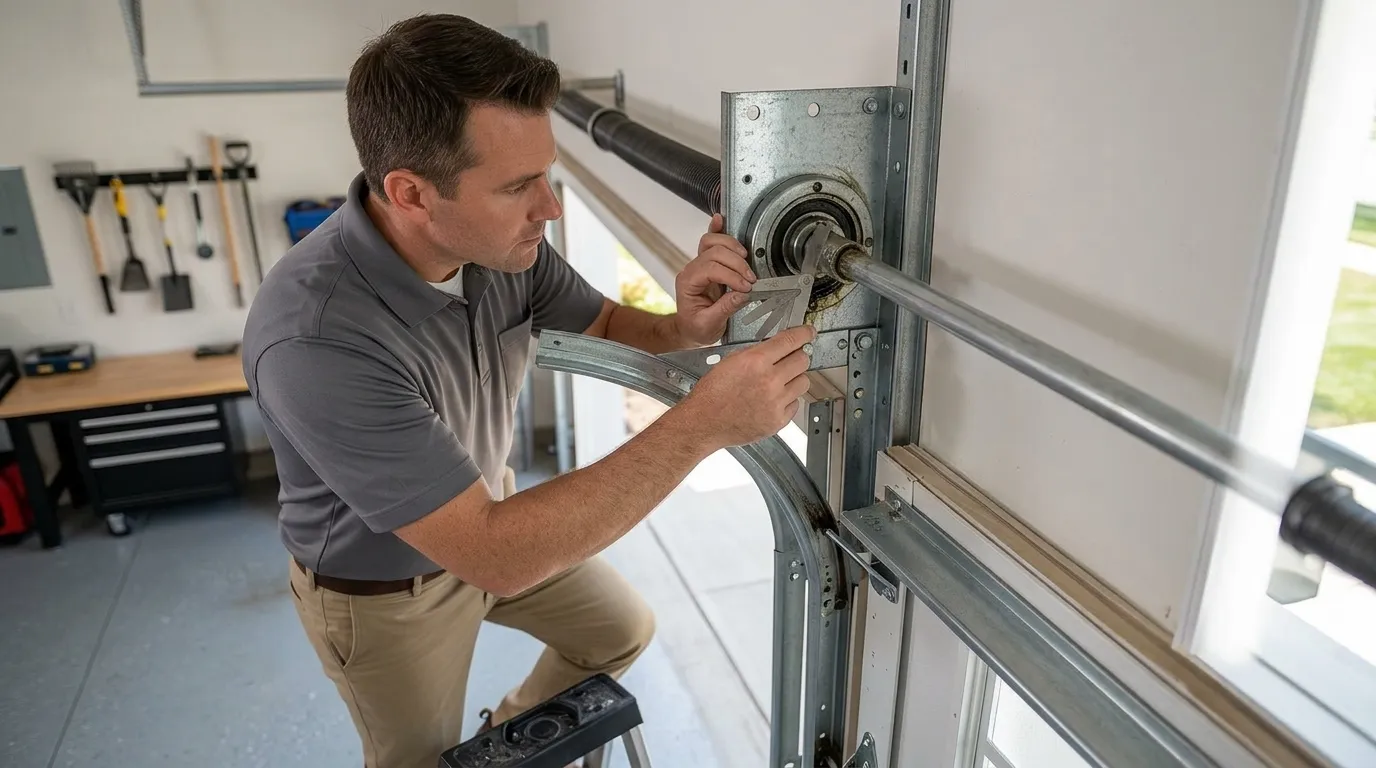
The median home in Buckeye Lake went up around 1975, which puts most of the housing stock squarely in that 1960s-70s wave that shows up across this whole service area. Doors and openers from that era were built to different width standards than what's sold today, and a lot of them are still running on the original track and hinge spacing even after the door itself got replaced once. When a homeowner here calls about a new door, it's usually because the old one is a single-layer steel or wood panel door from that build period, warped or dented past the point of adjustment, or an opening that was never insulated and now costs real money to heat in a winter that gets genuinely cold and stays that way. We're not guessing at what's behind the wall - a house built in 1975 has known bones, and we bring hardware sized for that, not for a 2020 spec sheet.
How It Shows Up
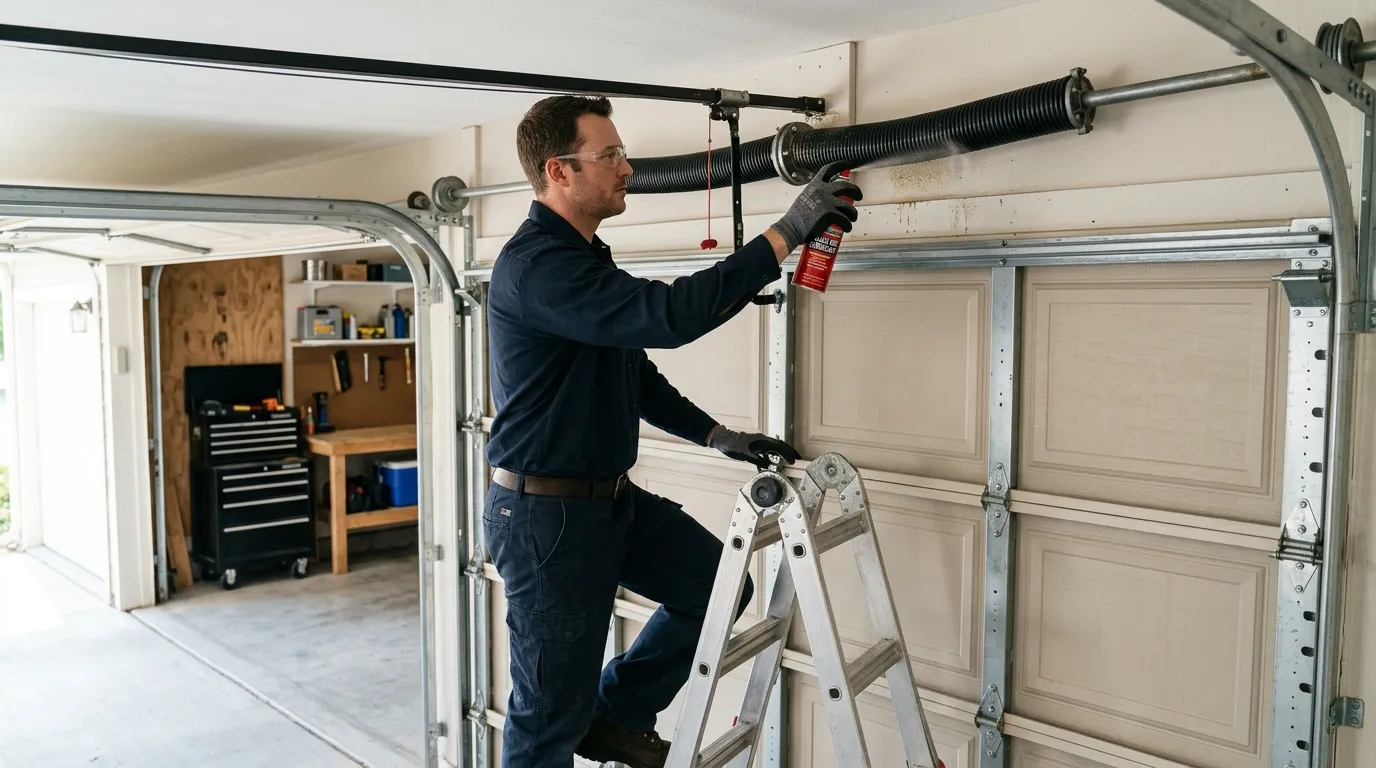
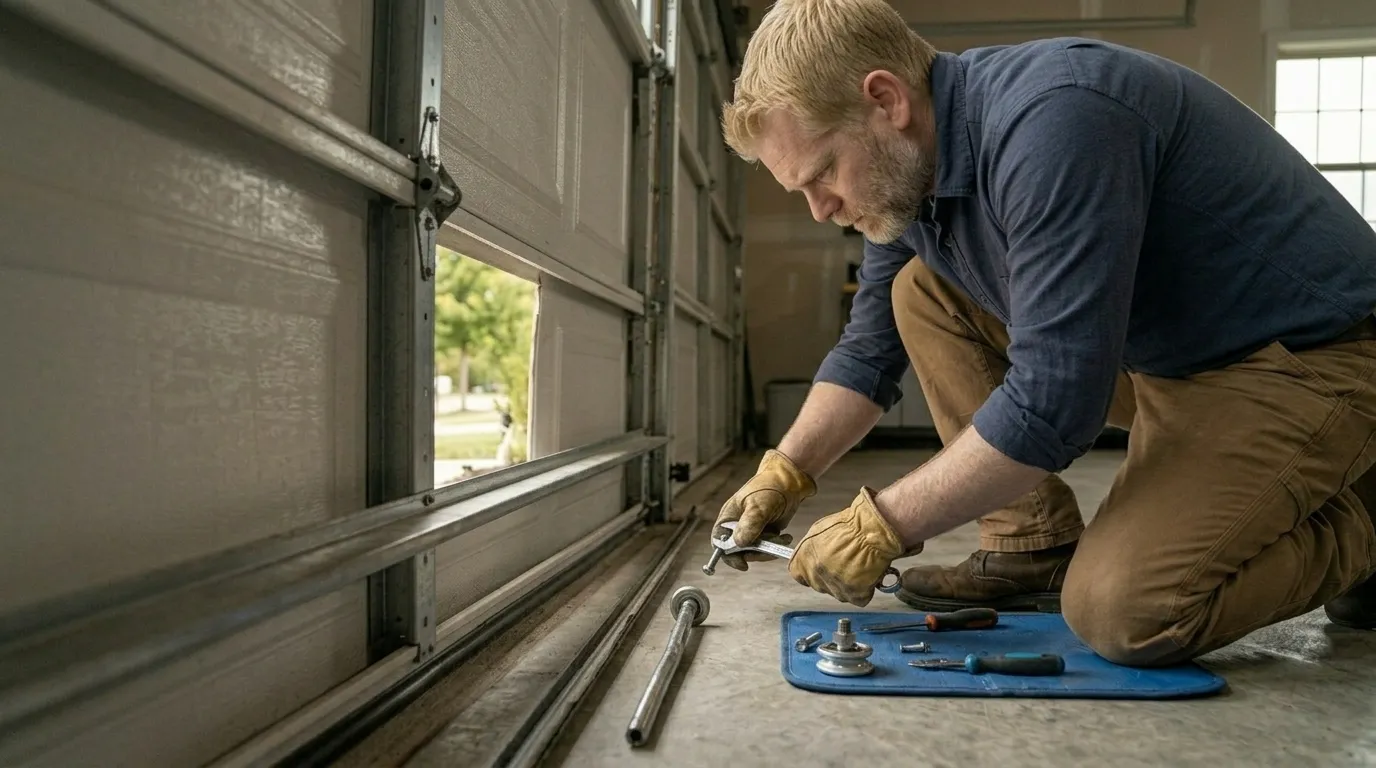
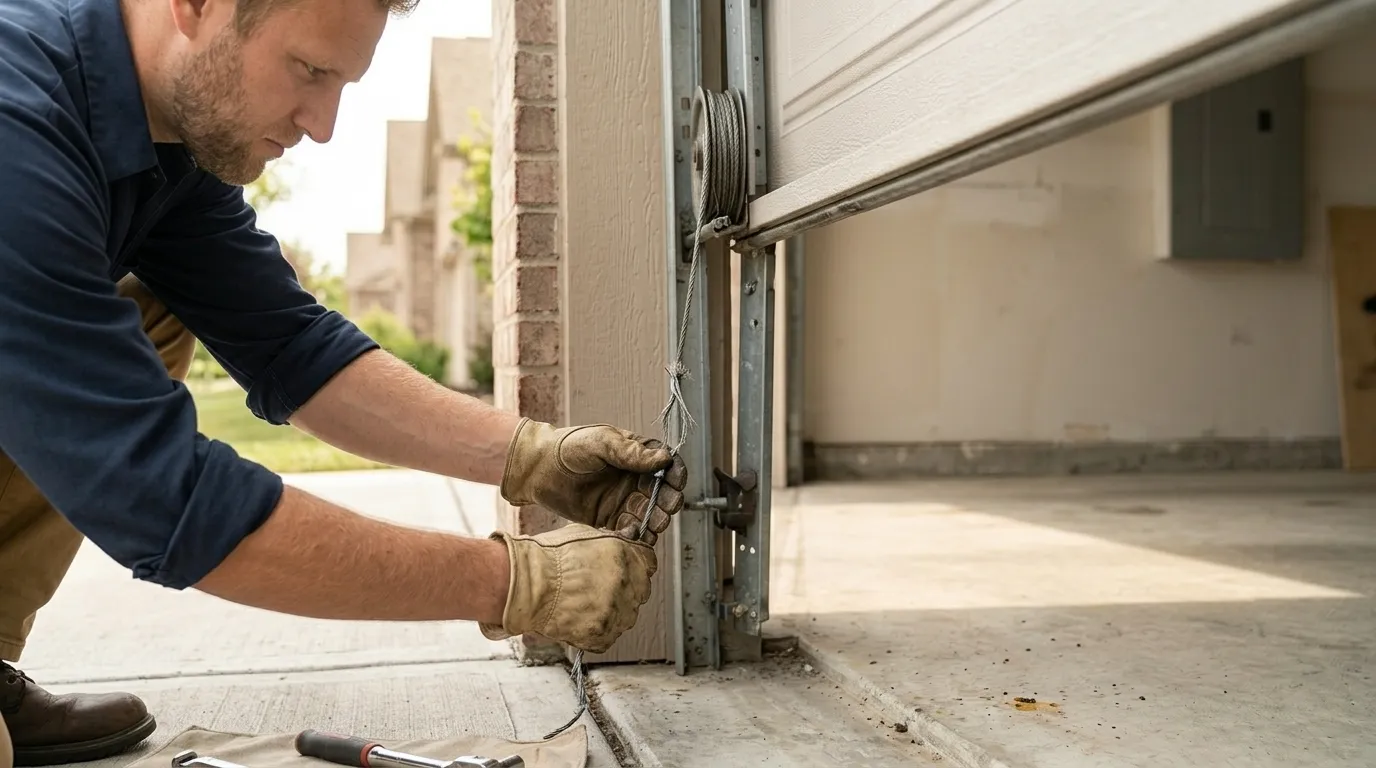
On a lot of these 1970s-era Buckeye Lake homes, the tell is a door that's heavy to lift by hand, or an opener that strains and clicks before it gives up partway through the cycle. Sometimes it's simpler: the door still moves, but the bottom seal is cracked through and gone, or the panels have rusted from the inside out after decades of condensation in an unheated bay. Given the area's cold winters, a fair number of calls come in once temperatures drop and an old, unsealed door starts costing noticeably more to heat around. We also see it as a resale or refinance issue - an appraiser or inspector flags an original door and track as end-of-life, and the homeowner decides it's time to replace before it becomes a bigger problem.
What Can Go Wrong
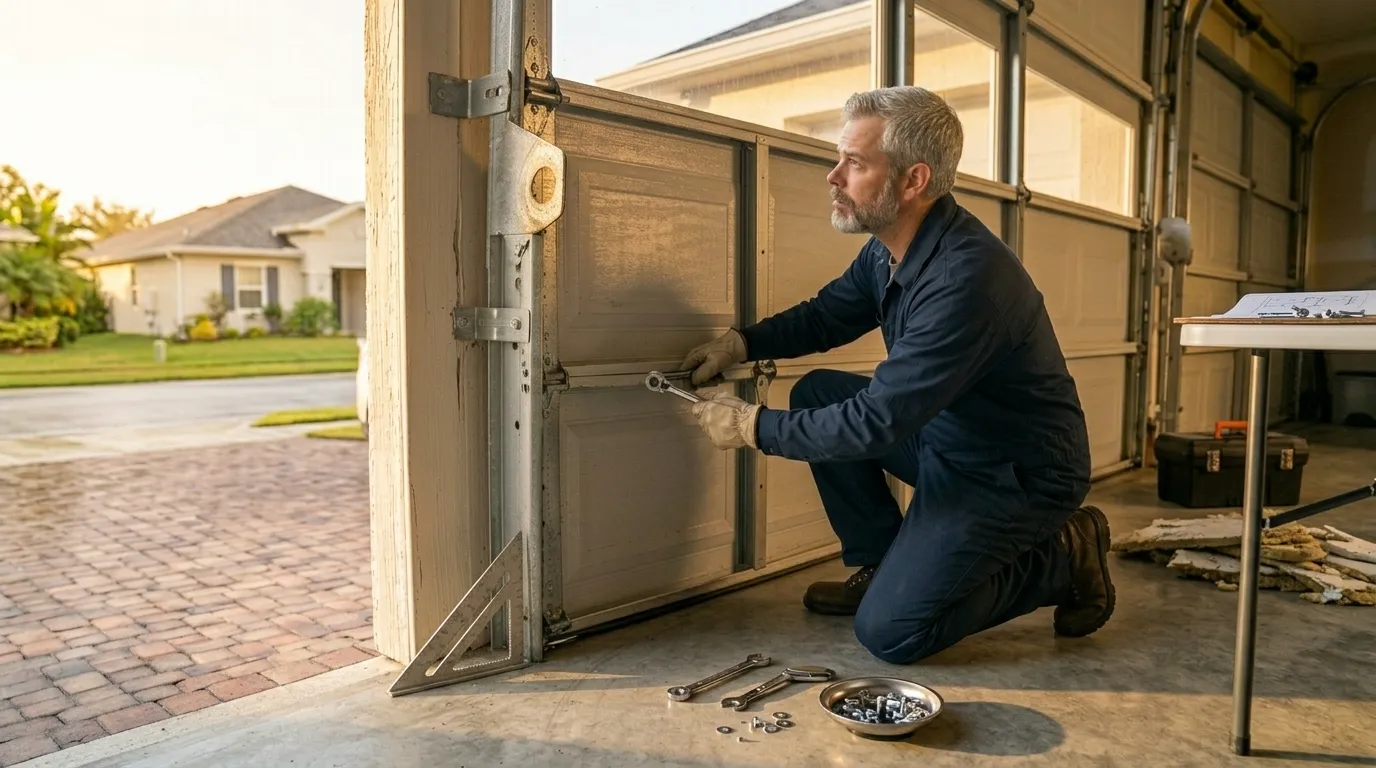
Not every old opening is standard-width, and on some of these older Buckeye Lake homes the framing has settled enough over 50 years that a new door needs shimming or minor header work before it'll seat right. We'll tell you before we start if that's the case, rather than forcing a door into an opening it doesn't fit. One honest limitation: we don't do structural carpentry - if the header or jamb needs real rebuilding, not just shimming, that's a separate trade and we'll say so instead of trying to make it our job. We'd also rather walk away from a job than install a door that isn't rated for the household's climate exposure just to make a sale; a door that isn't right for a cold winter here will cost the homeowner more in the long run than waiting a week for the right unit.