How Long You Are Without the Door
Heath sits four miles from our shop in Newark, which is short enough that a call here doesn't turn into a half-day wait behind three other jobs across the county. That drive matters more than it sounds like it should - on a broken spring or a door stuck open overnight, four miles is the difference between someone getting to your place the same morning versus getting worked into an afternoon route that started somewhere twenty minutes farther out. We don't promise a clock number we don't have, but the distance itself is one of the shorter ones we cover, and it's worth knowing that before you call around.
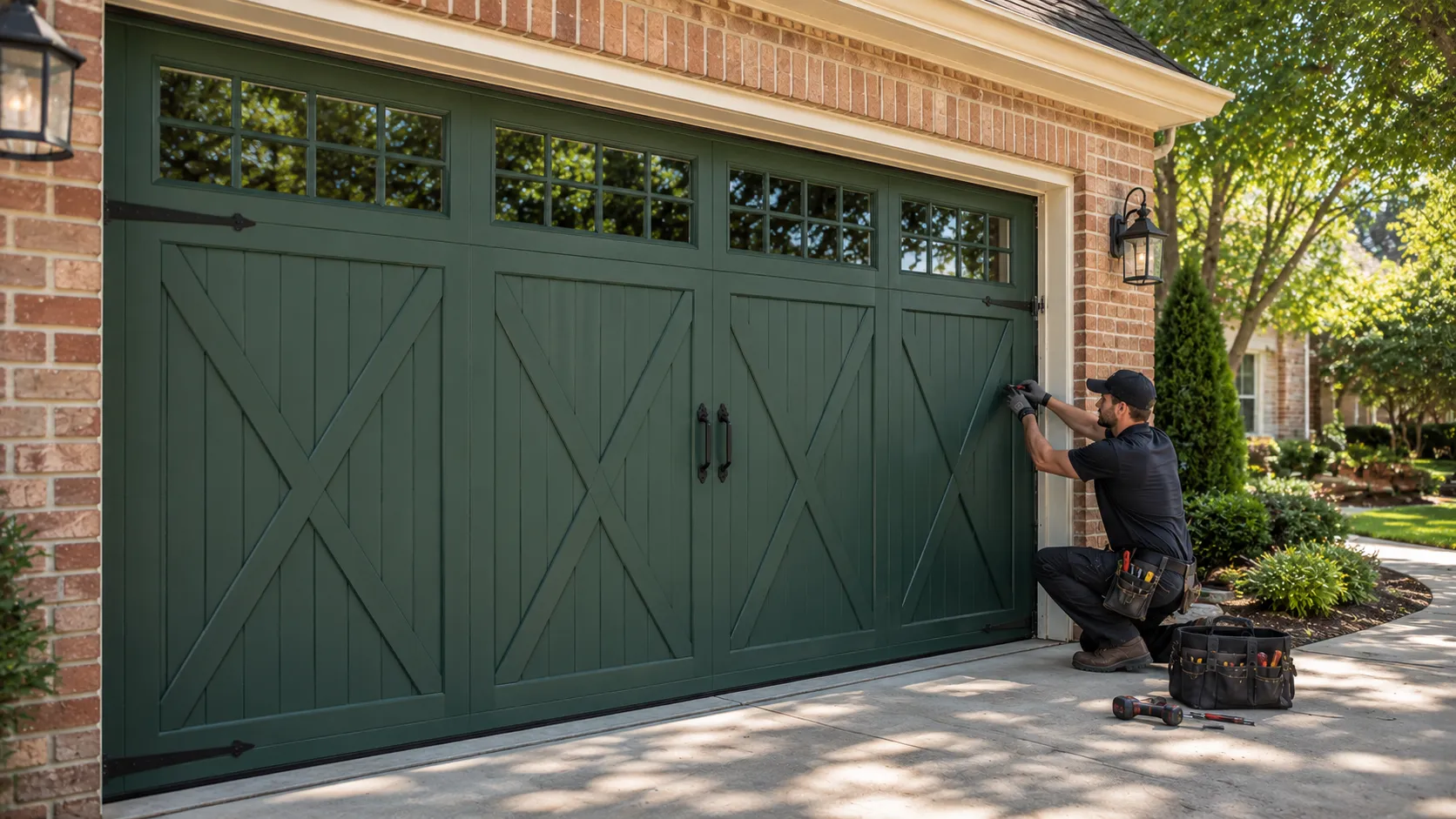
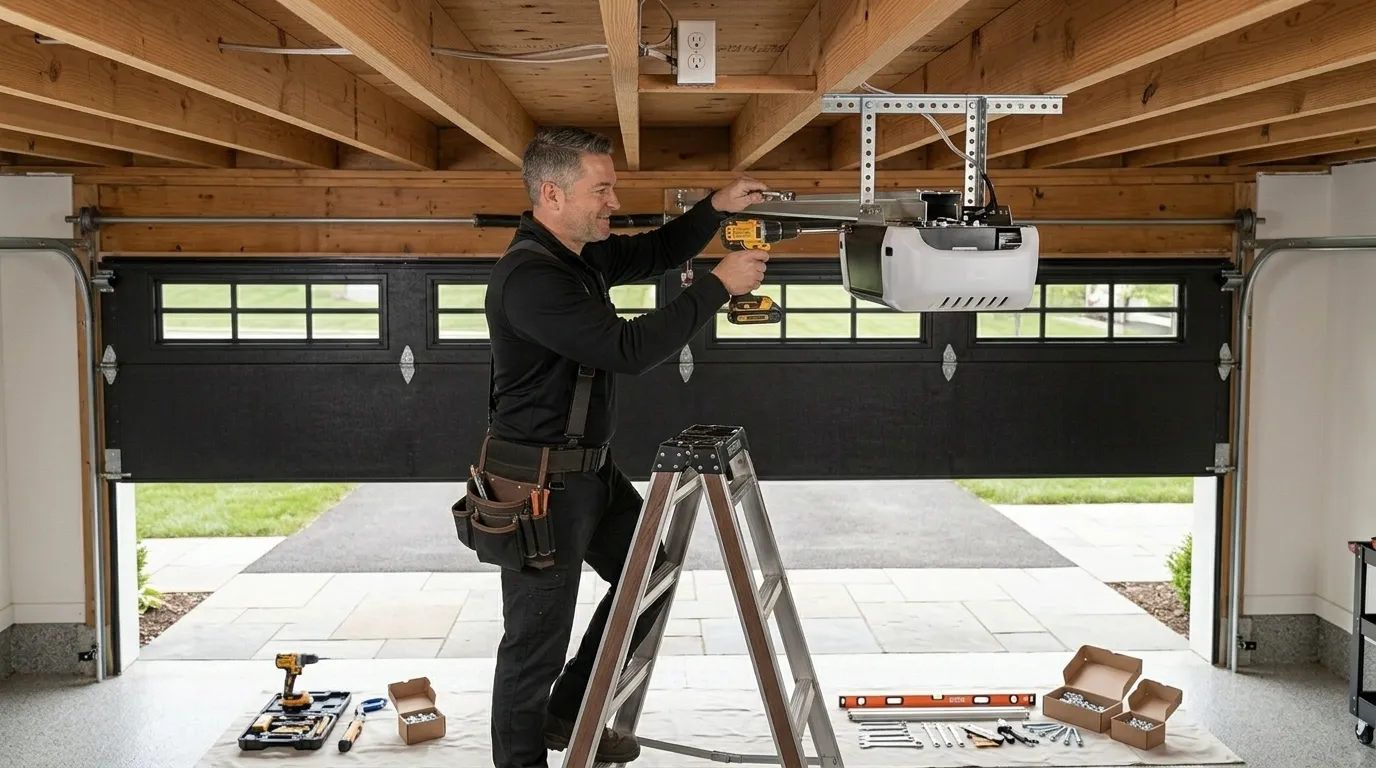
What actually eats the time once we're on site is diagnosis, not travel. A cable that's jumped the drum looks different from a spring that's snapped clean, and both look different again from an opener that's just lost its logic board. We ask what the door was doing right before it quit - stuck at the top, stuck at the bottom, moving crooked, or not moving at all - because that one detail usually tells us what's in the truck before we knock on your door.
How We Fix It
Heath's housing sits a touch newer than the broader Newark-area average - median year built here runs around 1978, right at the tail end of the 1960s-70s wave that put up most of the houses on this side of the county. That means a lot of doors and openers original to construction are now coming up on fifty years old, and the torsion springs, drums, and track brackets from that era were sized for lighter, thinner panels than what's sold today.
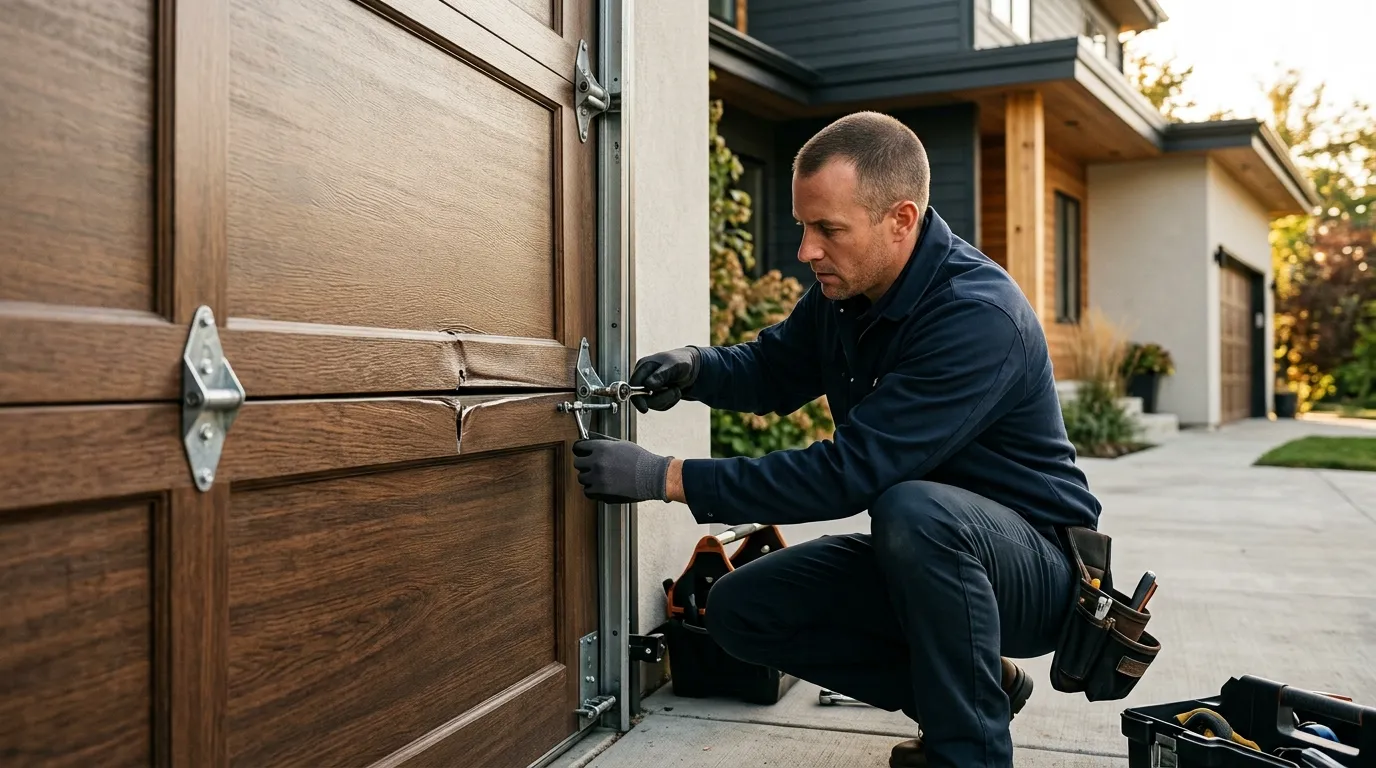
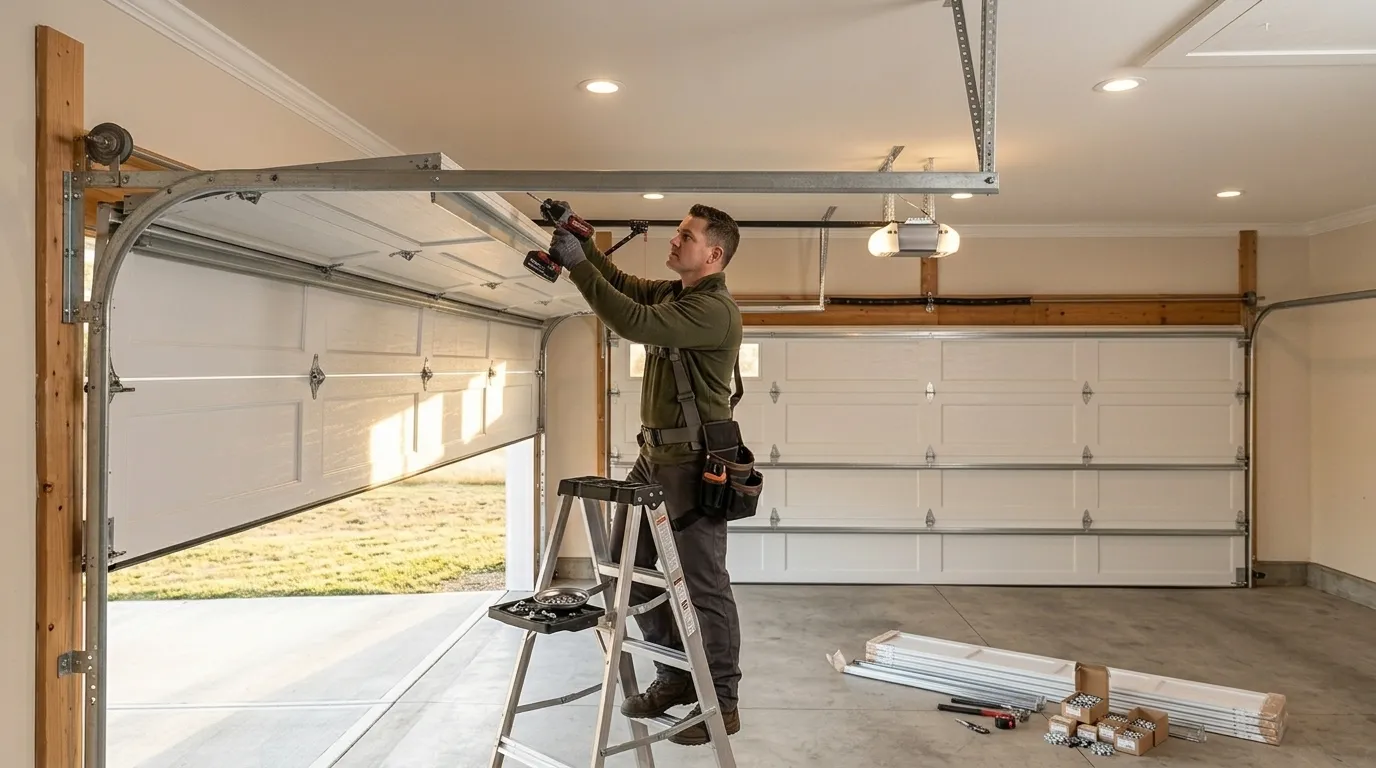
When we get a call here, we're usually pulling one of two jobs: matching a replacement part to older, narrower track hardware that newer stock doesn't fit right out of the box, or replacing that hardware outright because a part from 1978 has simply worn past what a spot fix can hold. We carry both options and tell you honestly which one your door needs once we've got eyes on the spring and the drum, not before.
What Can Go Wrong
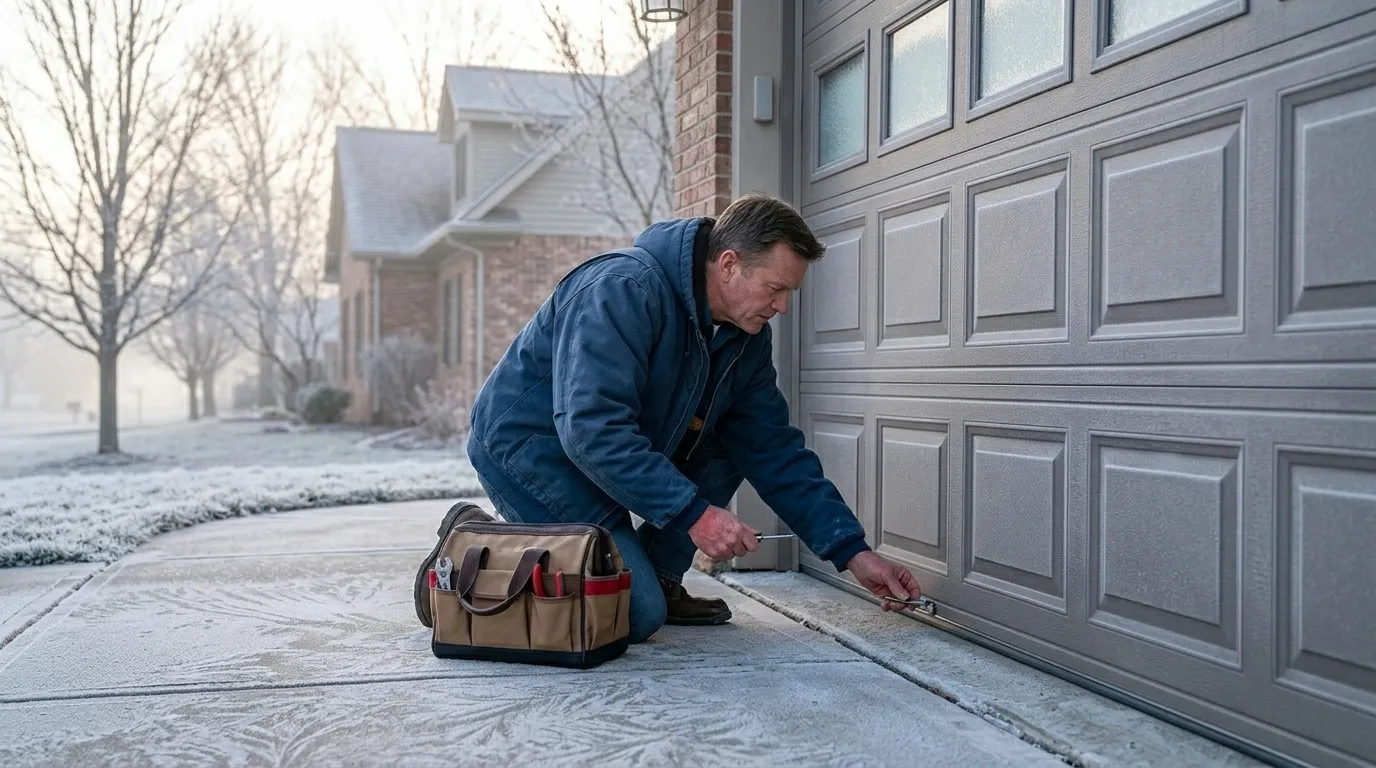
Ohio winters put real load on a garage door - the cold-severe climate band this area sits in means steel contracts, lubricant thickens, and a spring already near the end of its life is more likely to let go on a January morning than a July afternoon. That's a straight mechanical fact, not a scare line: a torsion spring under tension behaves differently at 15 degrees than it does at 75.
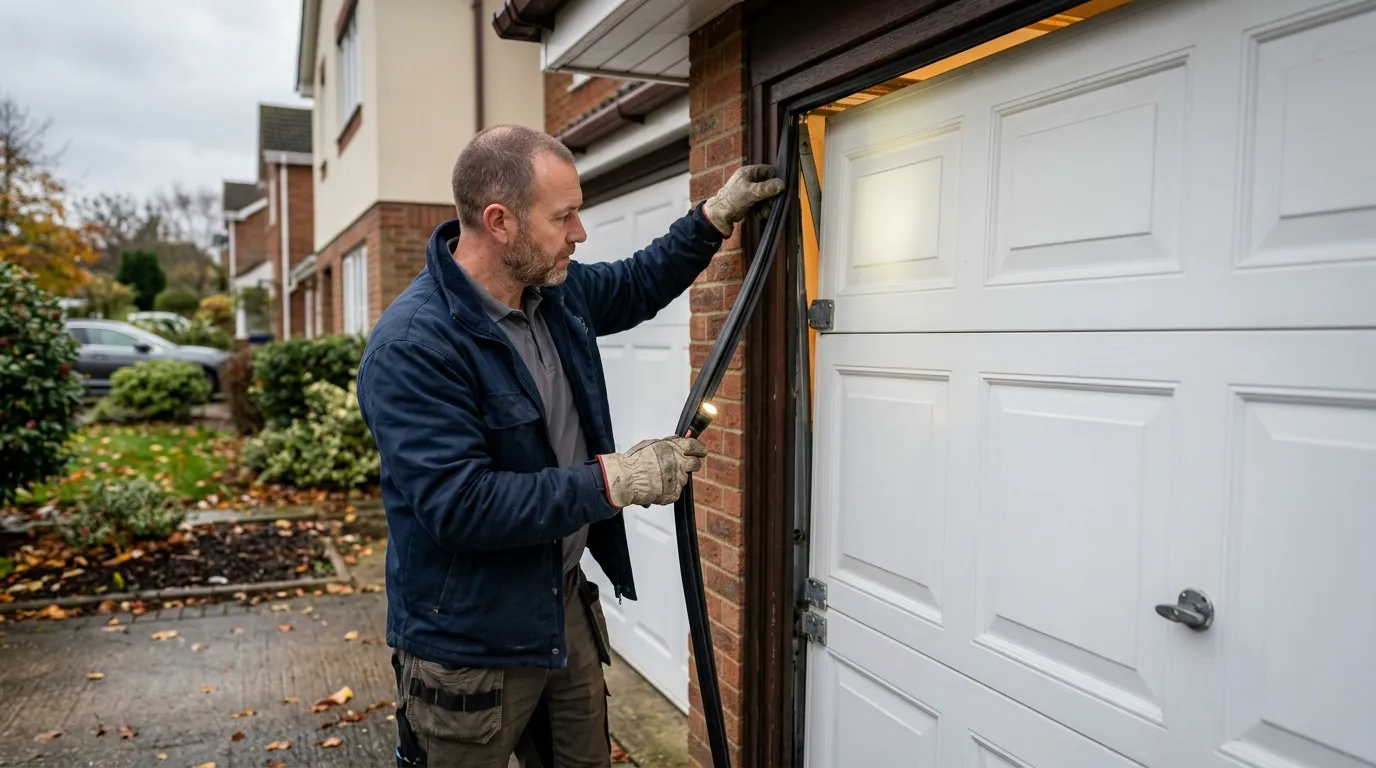
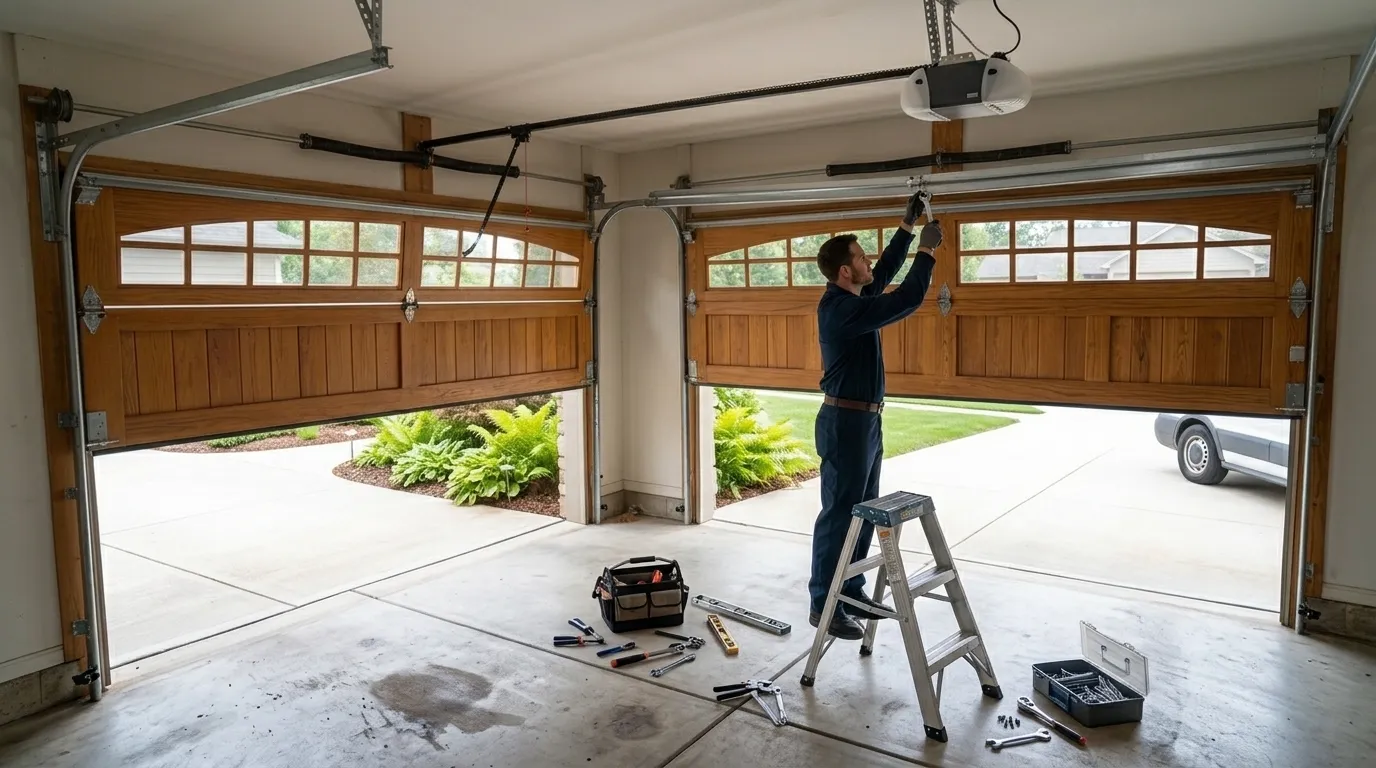
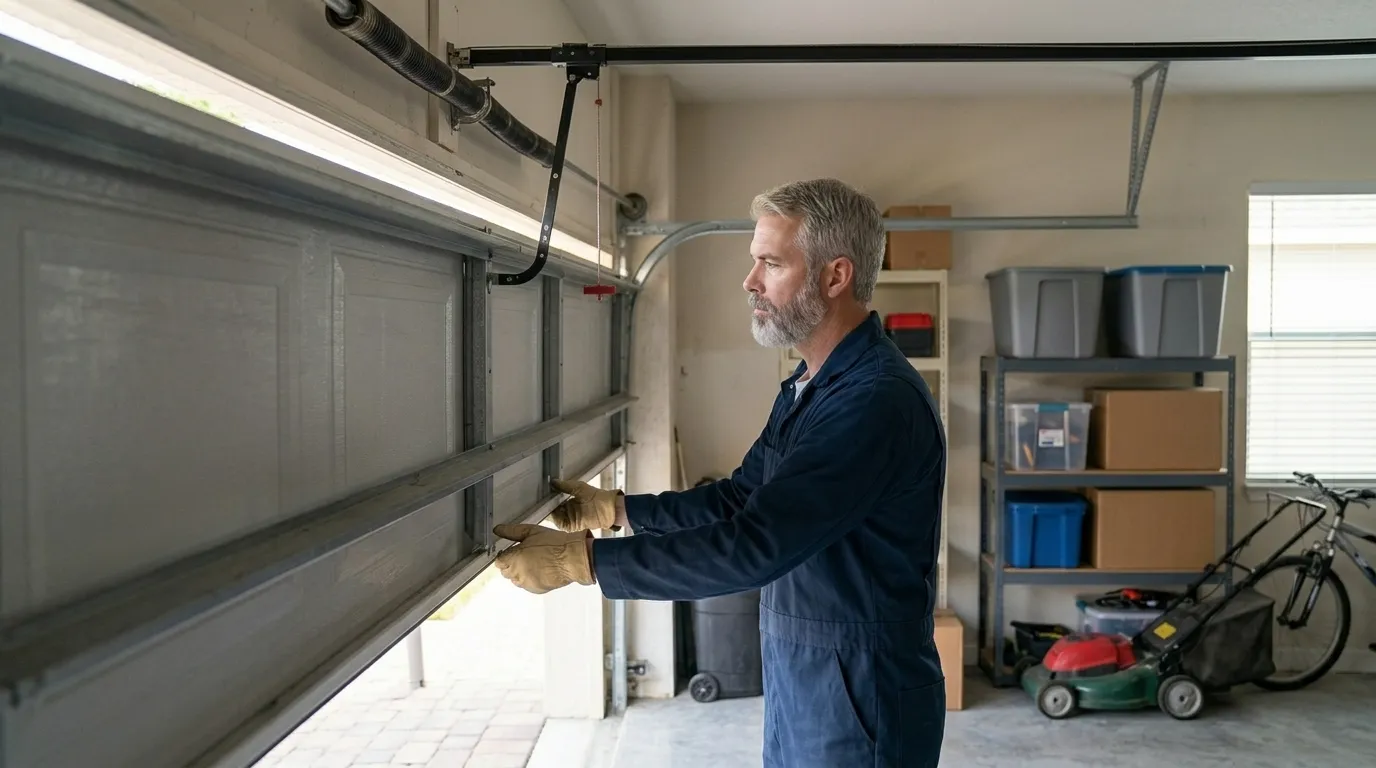
Beyond the cold, the most common failure we see on Heath's older stock is a worn cable fraying at the drum, usually paired with a roller that's seized in its track. Left alone, that combination pulls the door off-square and can bind the opener's drive gear, which turns a $20 cable job into a $200 opener repair if it sits too long. Catching it early is cheaper than catching it late, and there's no way around that.
Can You Do This Yourself
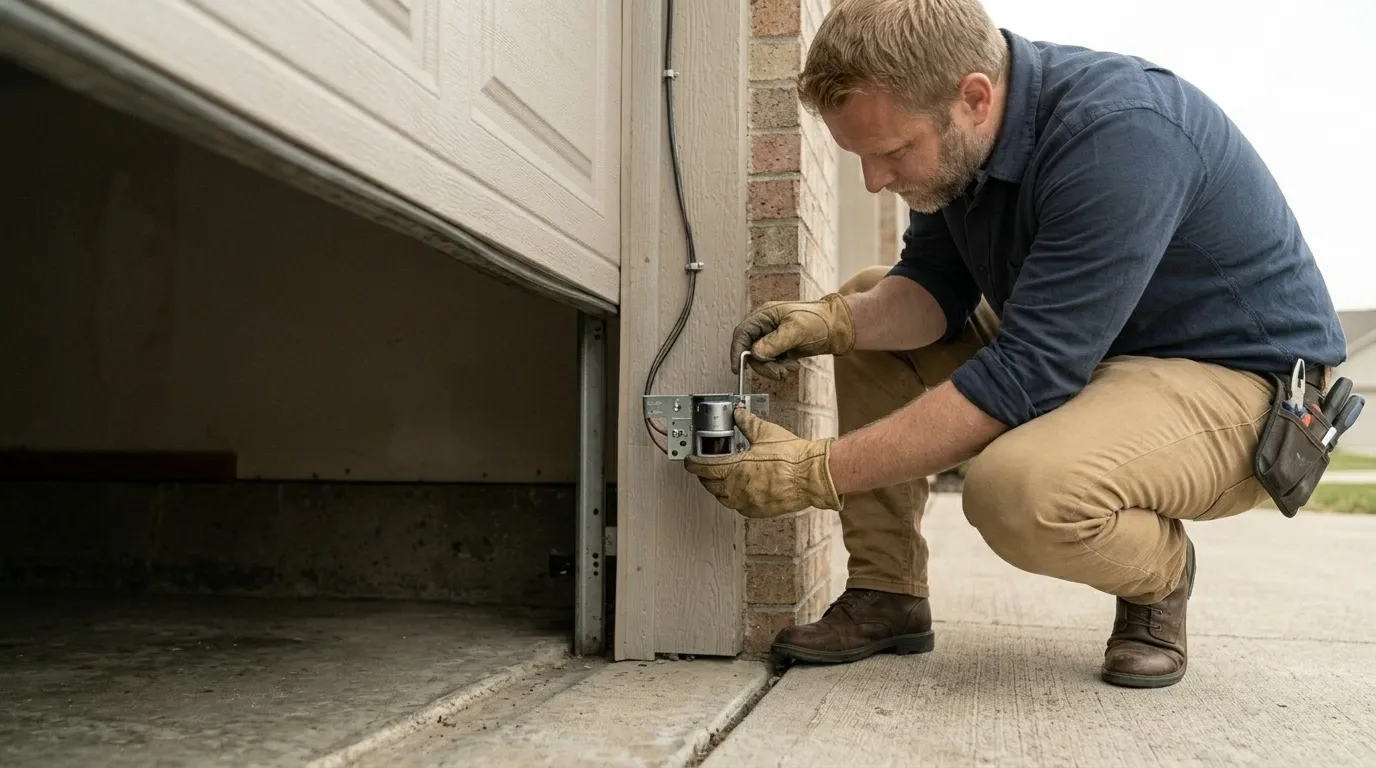
Some of it, yes. Lubricating hinges and rollers, tightening loose bolts on the track, and clearing the photo-eye sensors of dust are all fair game with the door unplugged and no tools beyond a screwdriver. We'd rather you do those than call us for them.
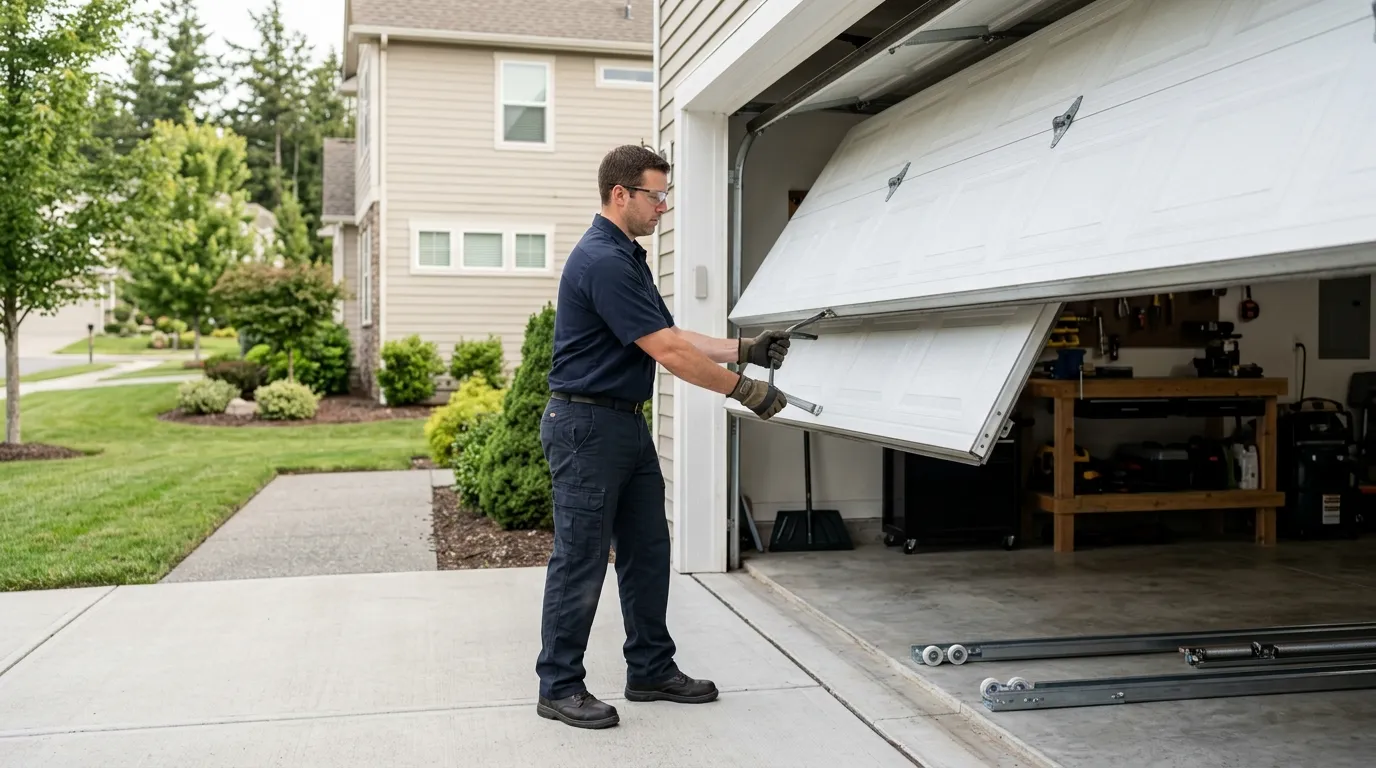
What we won't talk you through over the phone is anything touching the torsion spring itself. That spring holds enough stored tension to break a wrist or worse if the winding bar slips, and it's genuinely not a job for a first attempt with a household's median income here sitting under six figures and most people rightly unwilling to gamble a hospital bill against a repair bill. If the door won't move and you can hear or see a spring that's separated, step back and call - that one's ours to take.