How Long You Are Without the Door
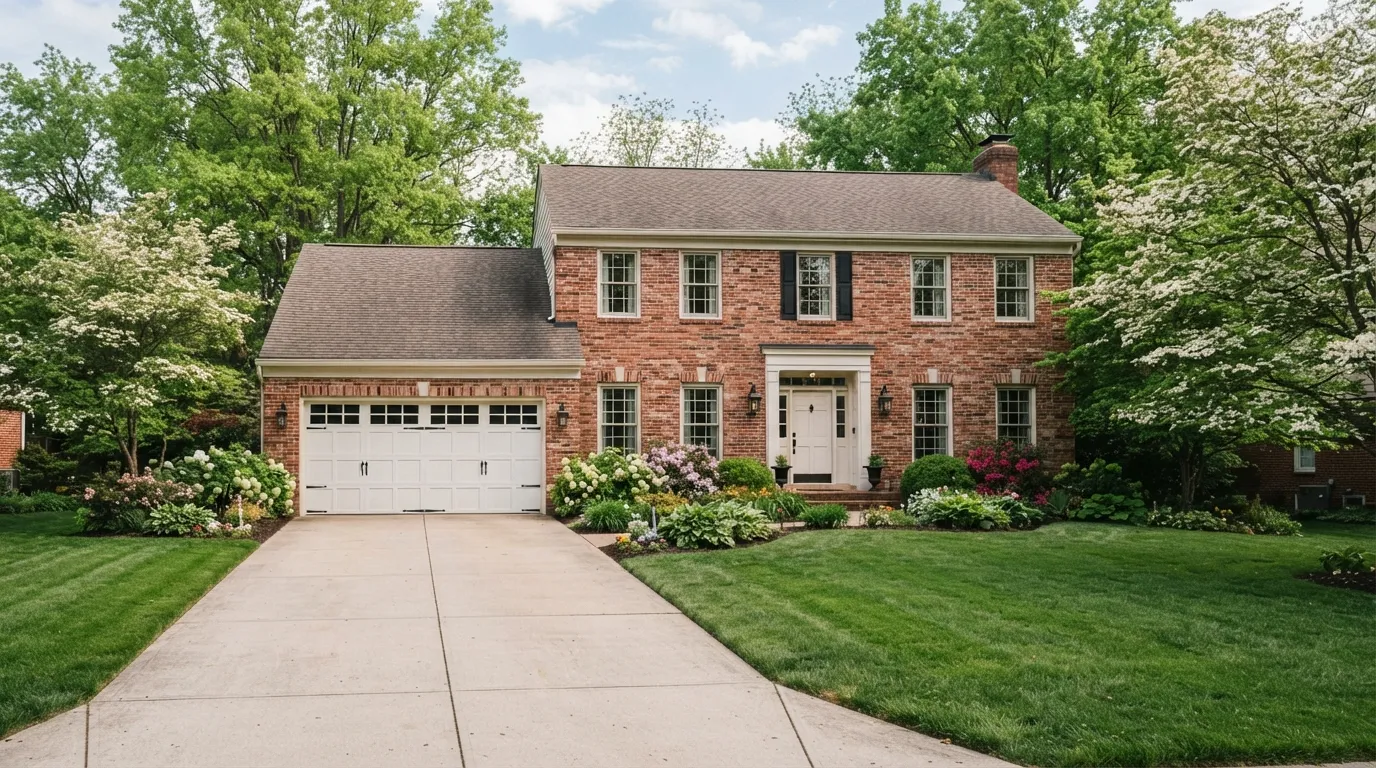
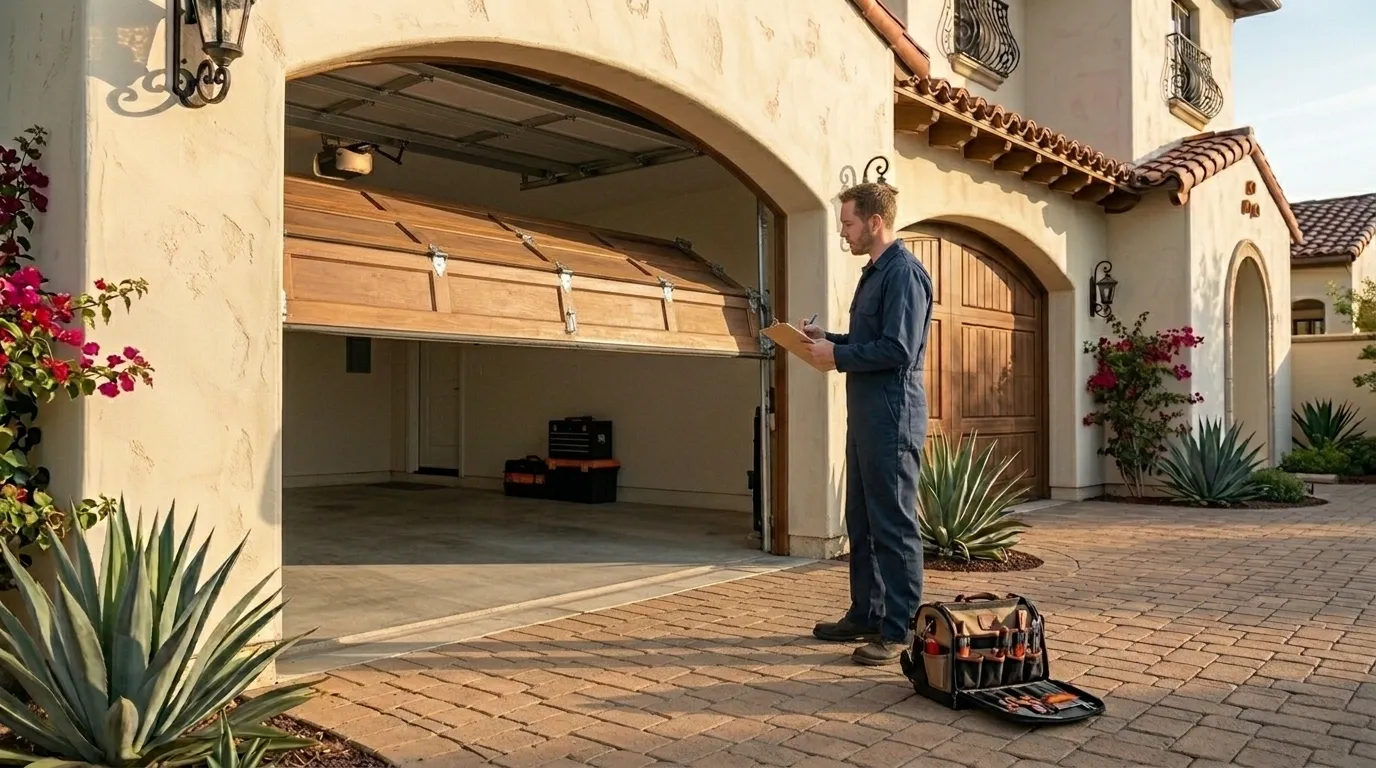
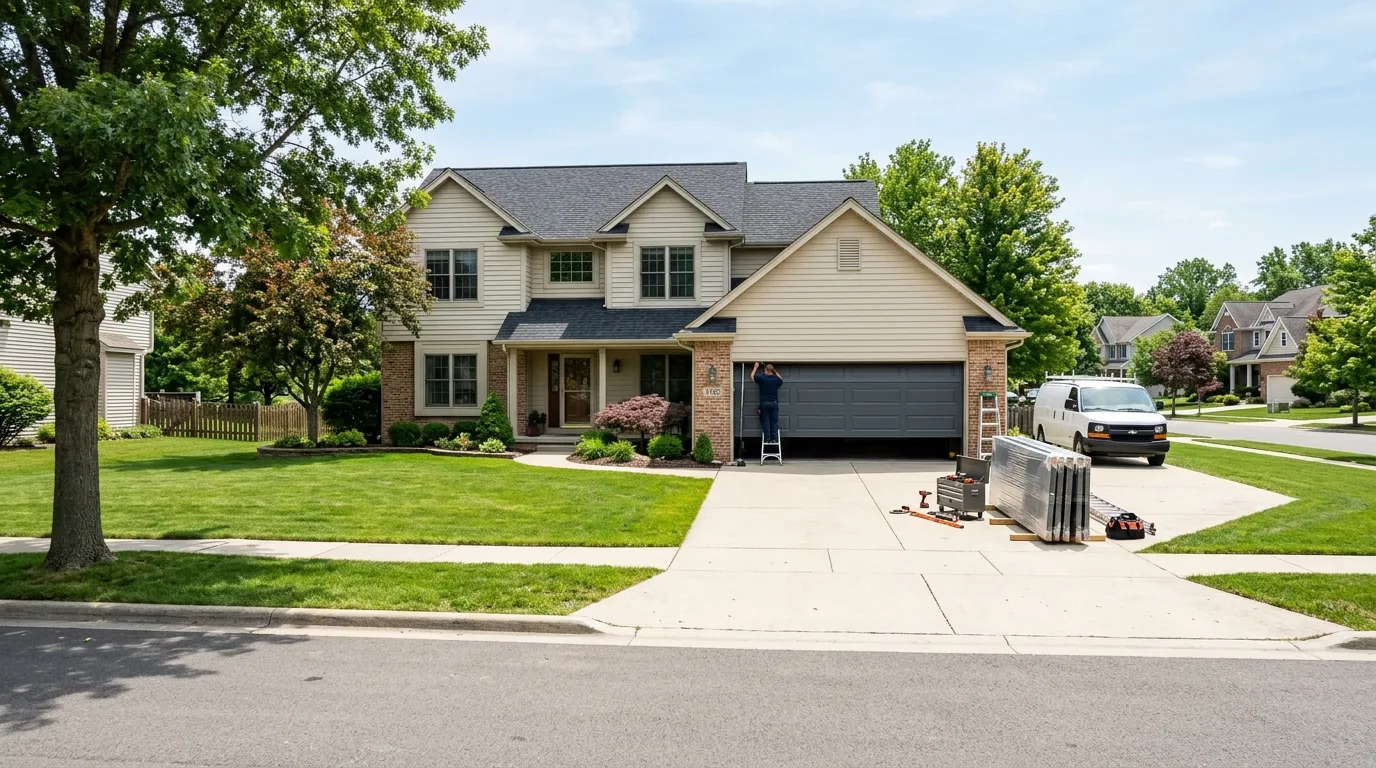
Heath sits about 4 miles from our shop in Newark, so a crew isn't driving across the county to get to you, but we don't keep a branch or a truck stationed in town, so plan for a scheduled visit rather than a same-hour drop-in. Most panel jobs here run one visit once the part is confirmed. The variable is the panel itself. Heath's housing stock centers on a median build year of 1978, which means a lot of doors still wearing their original steel sections in sizes and colors that newer manufacturers don't stock off the shelf. If your door is a standard 16-foot double from a builder-grade run, we can often match or source a compatible panel fast. If it's an older single or an odd width from that mid-70s build wave, we may need to order the section, and that adds days, not hours. We'll tell you which situation you're in before we quote anything, not after.
How We Fix It
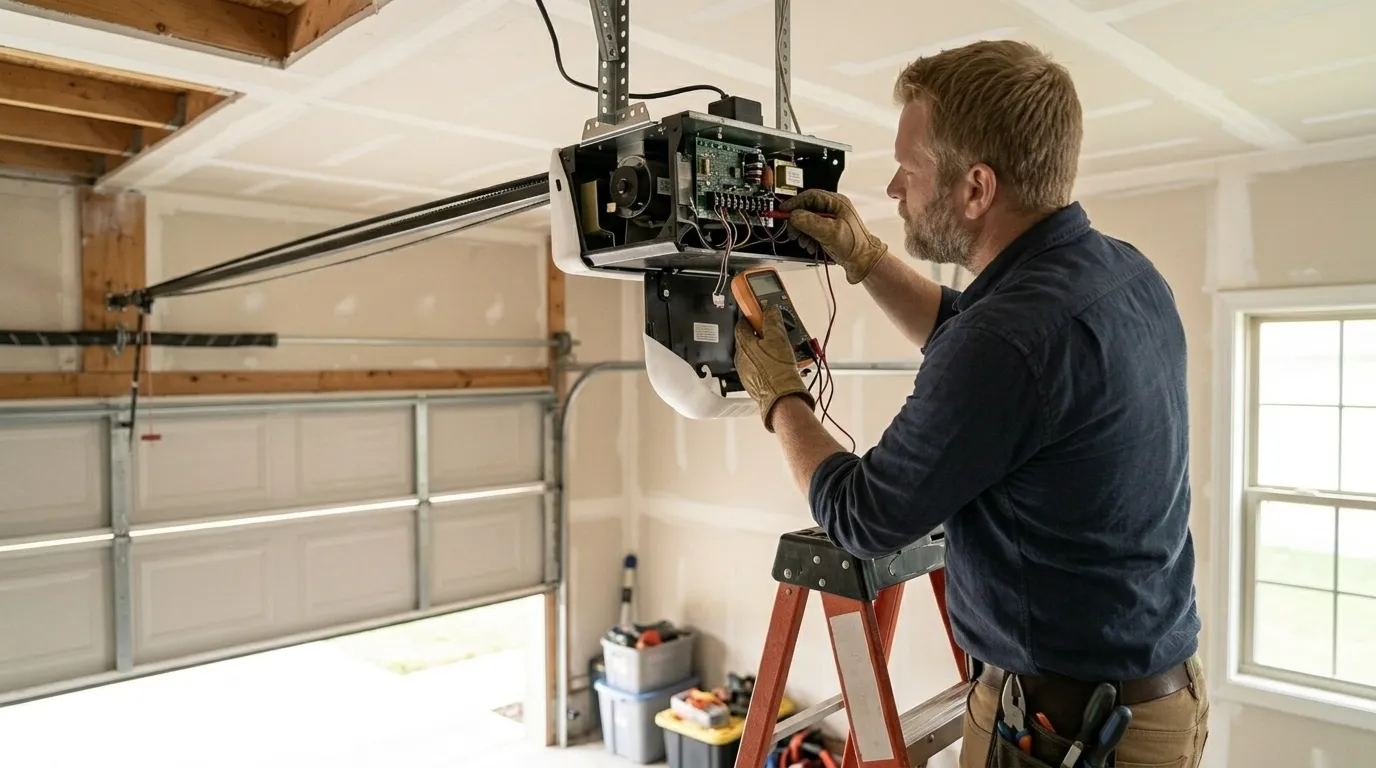
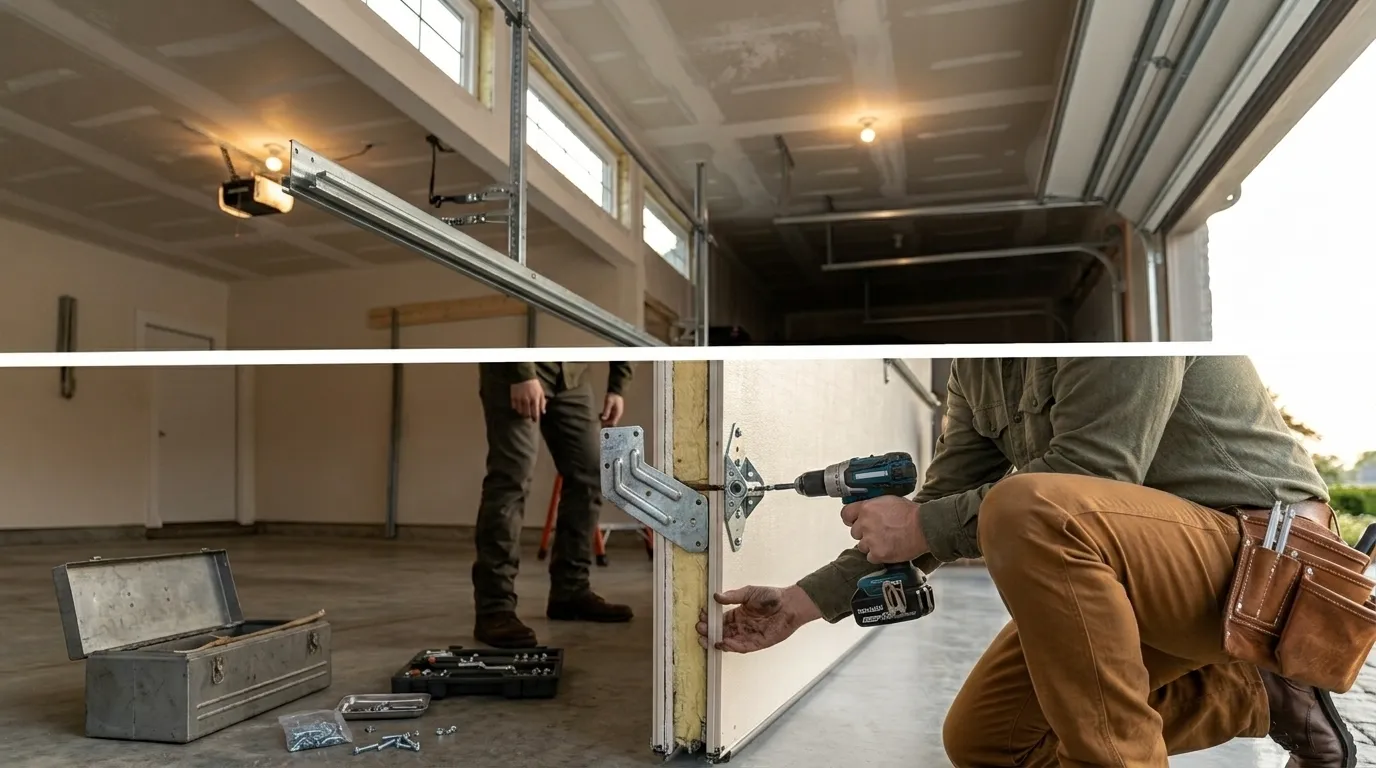
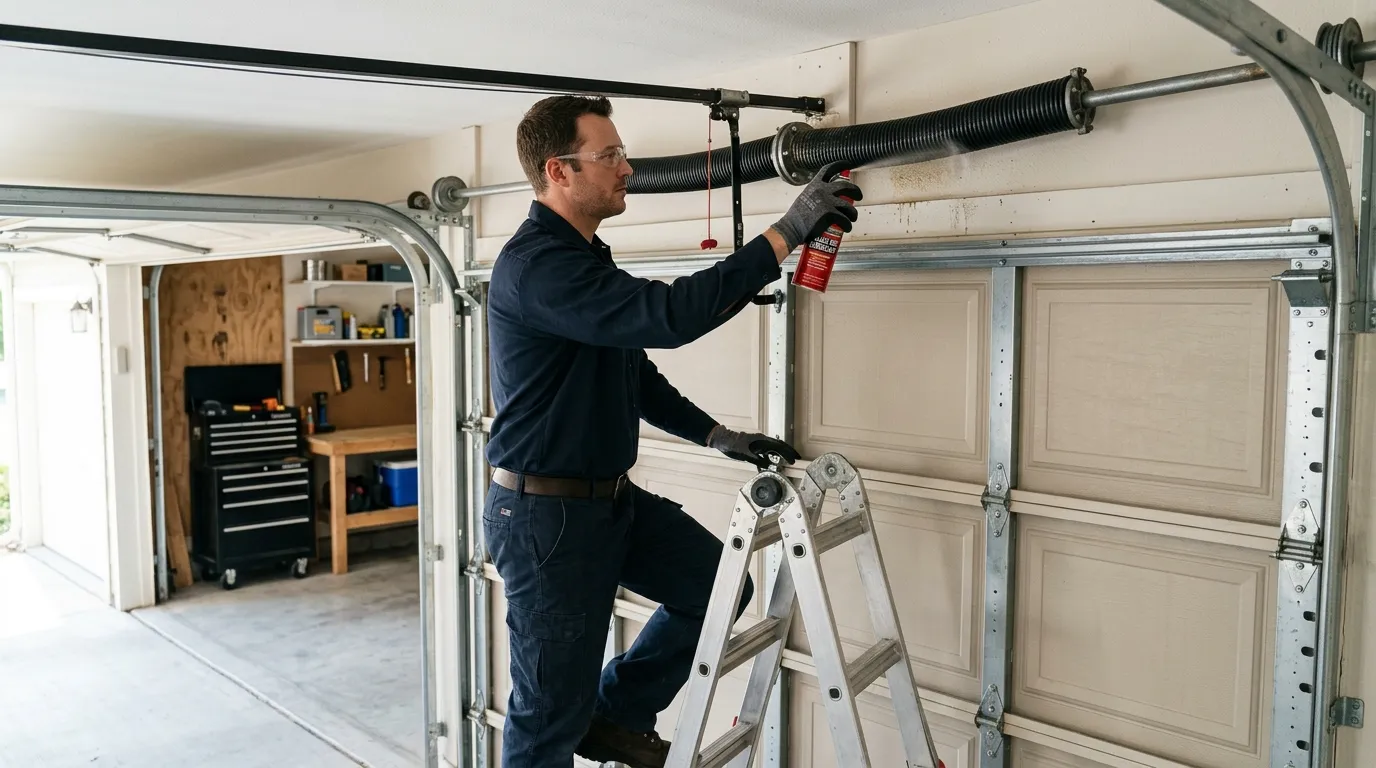
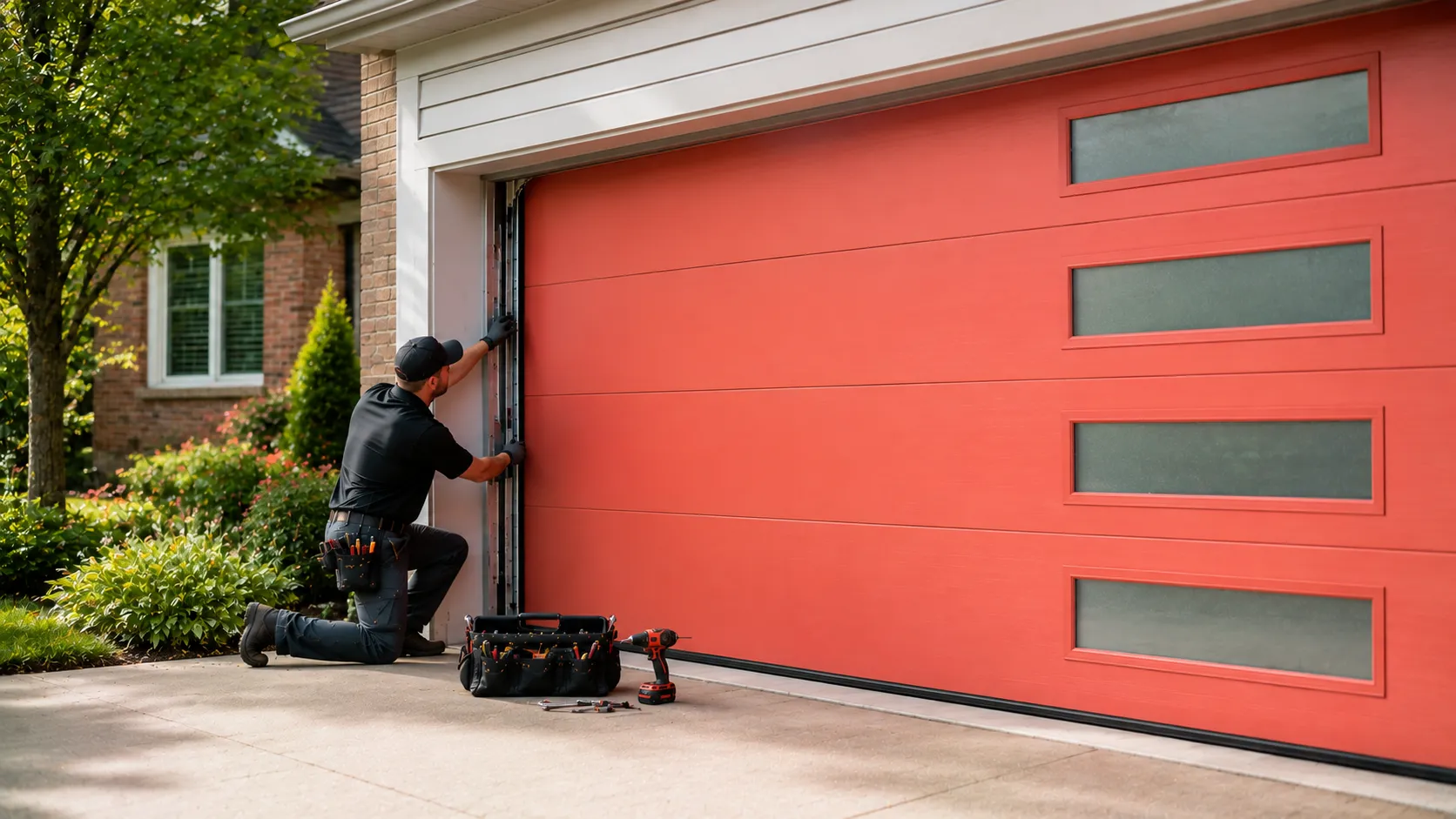
We pull the damaged section, check the hinges and rollers on either side of it for stress cracks or bent tracks, and match the replacement panel to your door's existing run so the new section doesn't stick out in color or rib pattern. On a torsion-spring door this is usually a contained job - we're not touching the spring unless the panel damage bent the track hard enough to throw the door out of alignment. Given the 1978 median build year across Heath, we're regularly working on doors with steel that's thinner-gauge than what's sold today, so we check the surrounding panels for hairline cracks before we button things up, since a new panel bolted next to brittle old steel is a short-term fix. In a COLD-severe climate zone, we also check the weatherstrip along the new panel's edge - mismatched seals are one of the more common comebacks we see on partial replacements.
What Can Go Wrong
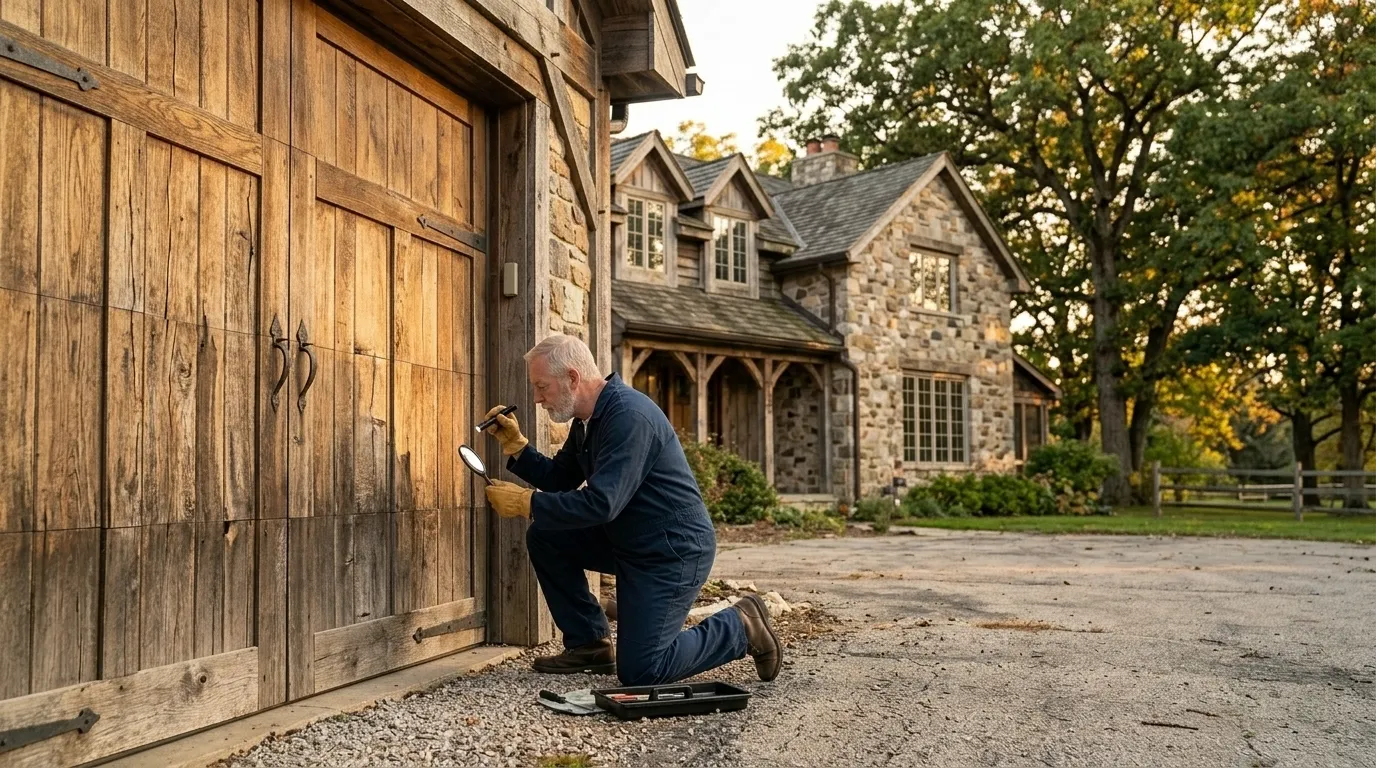
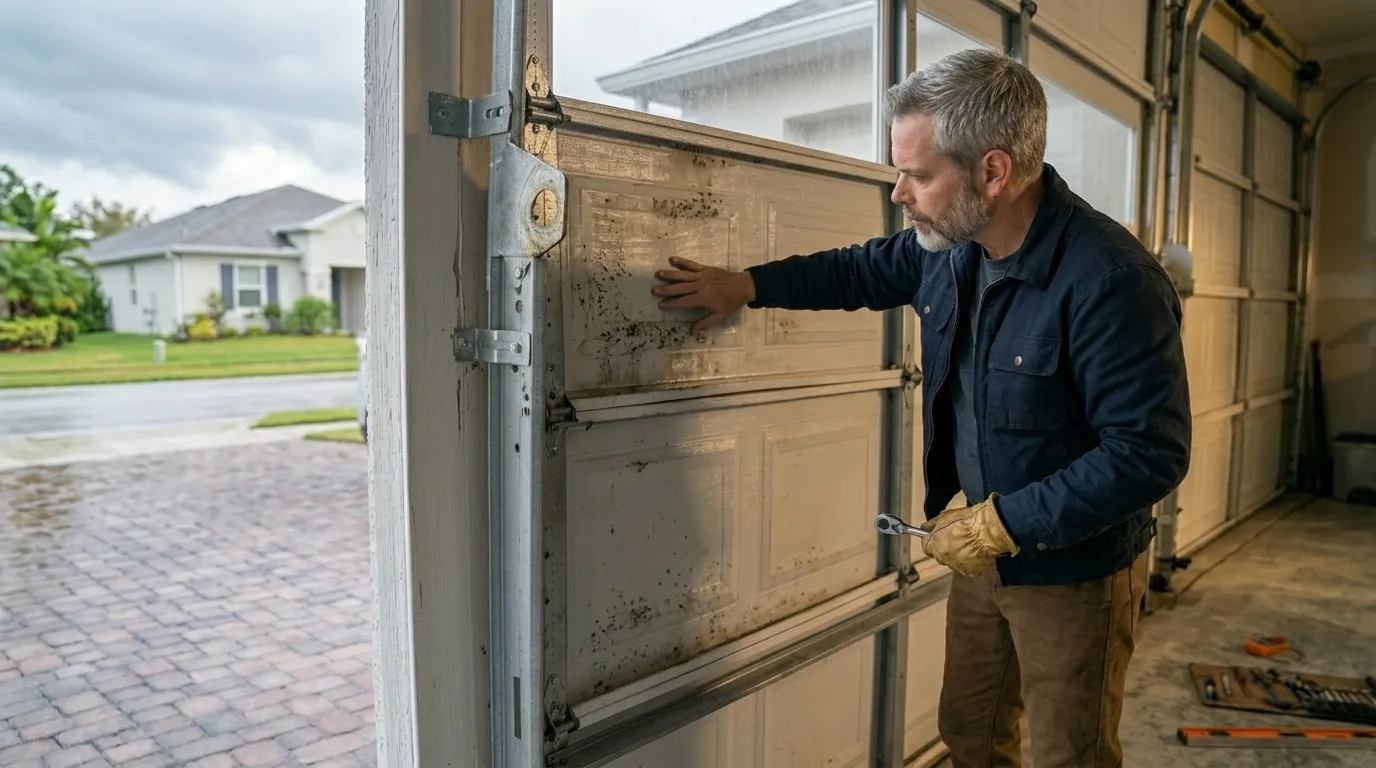
The panel is rarely the whole story. On doors from Heath's 1978-era stock, a dented or caved section often means the track behind it took an impact too, and a track that's bent even slightly will bind a brand-new panel just as badly as it bound the old one. We check that first. Cold-weather cycling is the other issue we see a lot in this climate band: steel contracts in winter, and a panel that was already thin from age can crack along a seam that was fine in summer. If your door has foam-core insulated panels rather than solid steel, water intrusion from a cracked seam can rot the foam from the inside, and that's not something you can see from the garage floor. We'll open the seam and check before we call a panel a simple swap.
Can You Do This Yourself
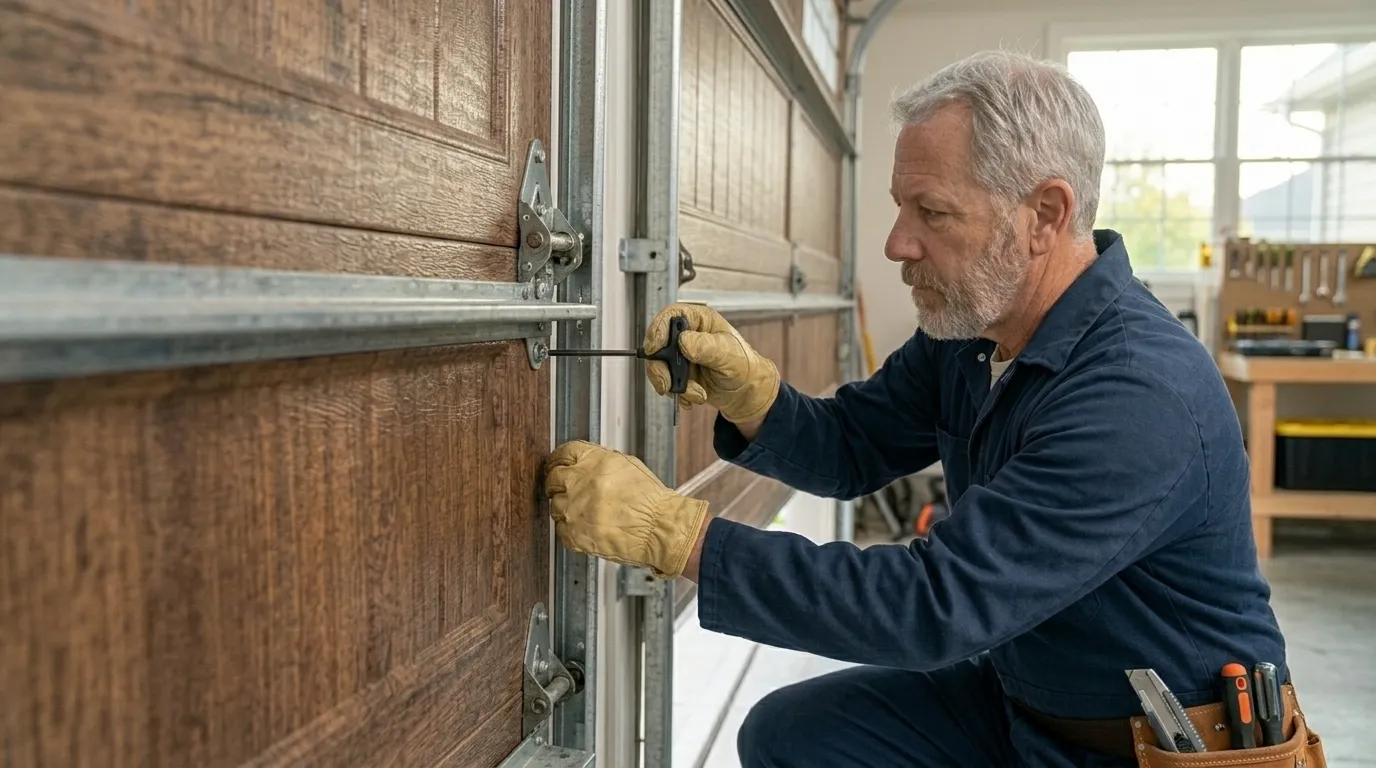
Swapping a single panel section is within reach for someone comfortable with a socket wrench and patient about matching hinge placement, and plenty of Heath homeowners do the lower panel themselves when it's just cosmetic damage from a bumper or a mower. Where we'd stop you: if the panel is load-bearing near the bottom corner brackets, or if your door is old enough that the section has to be trimmed to fit, one bad cut ruins a part you already paid for and can't return. We also don't recommend DIY on any panel near the spring side of the door if the track shows any bend - that's a job where a mis-set panel can put uneven load on hardware that's already stressed. If you're unsure which situation you're in, send us a photo before you order a part.