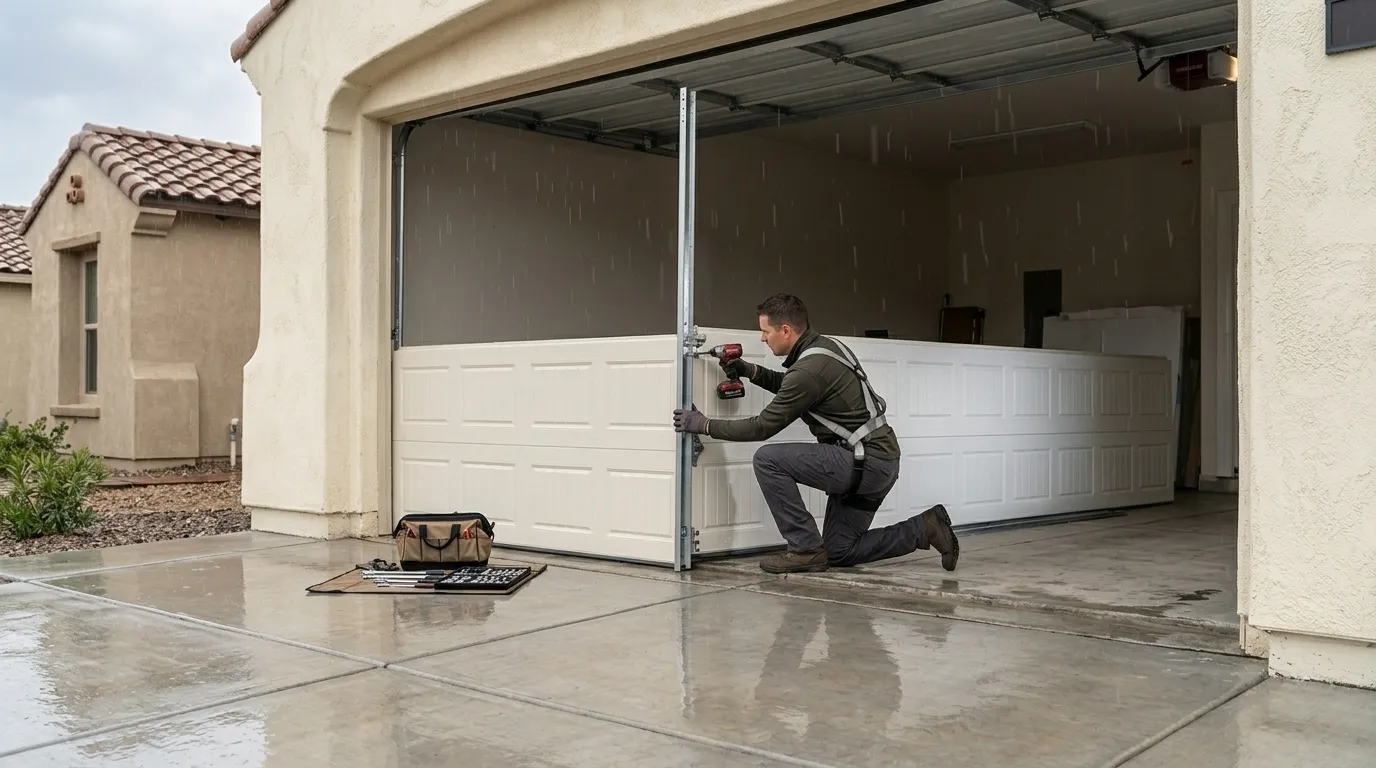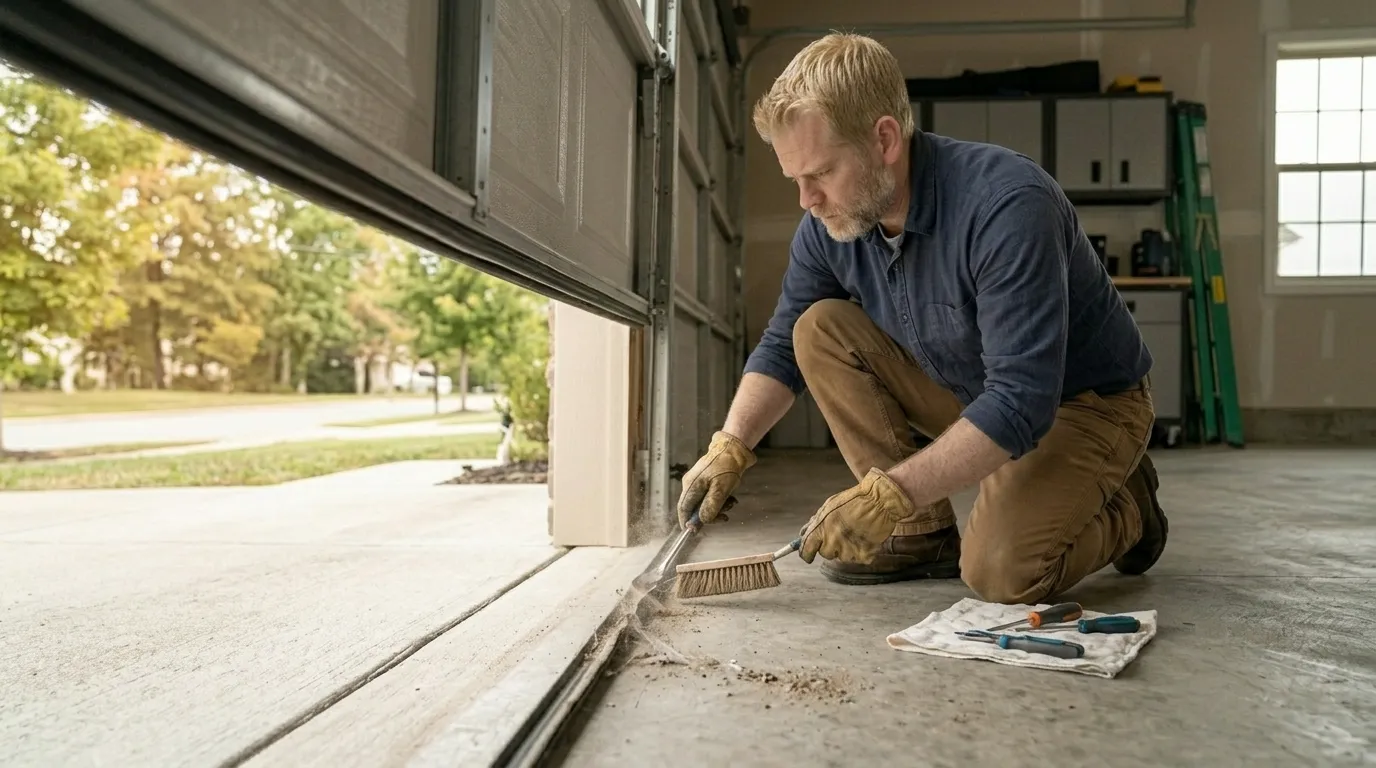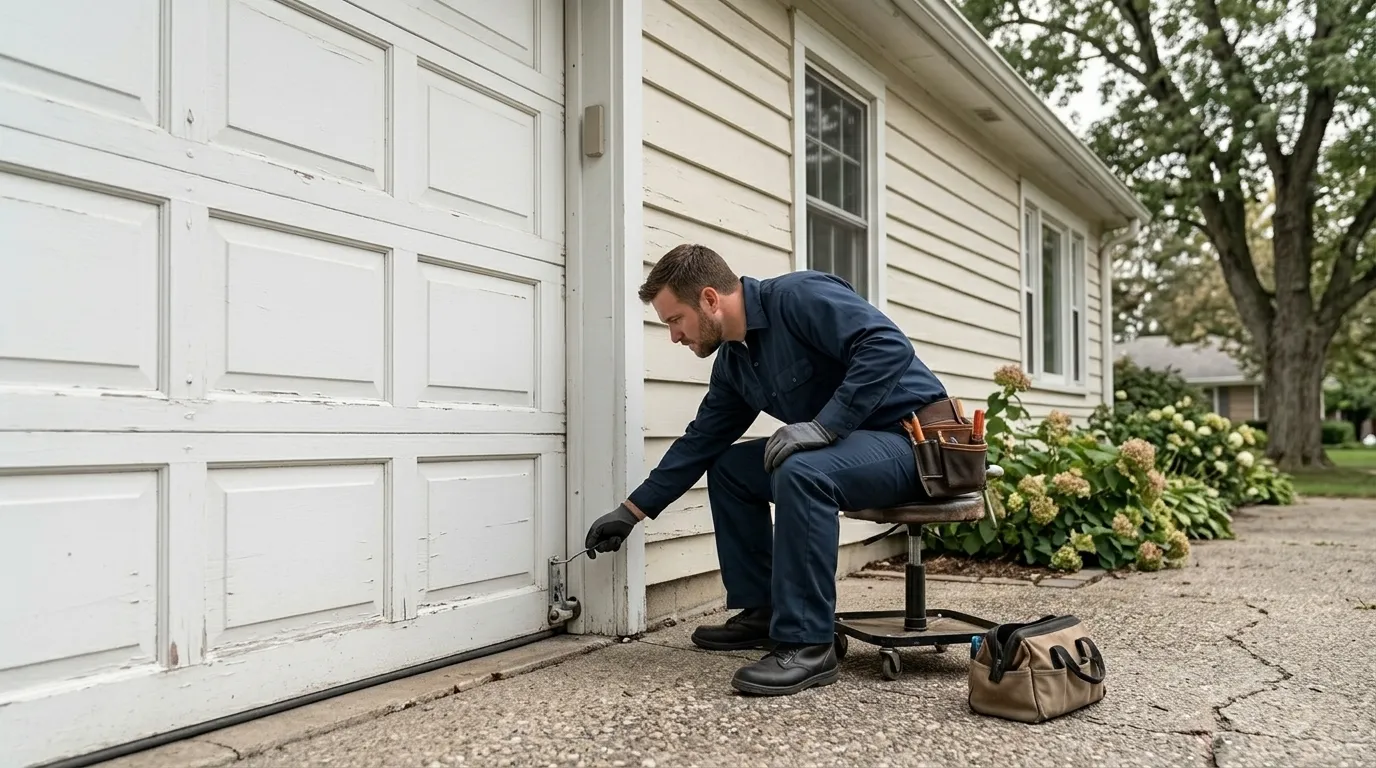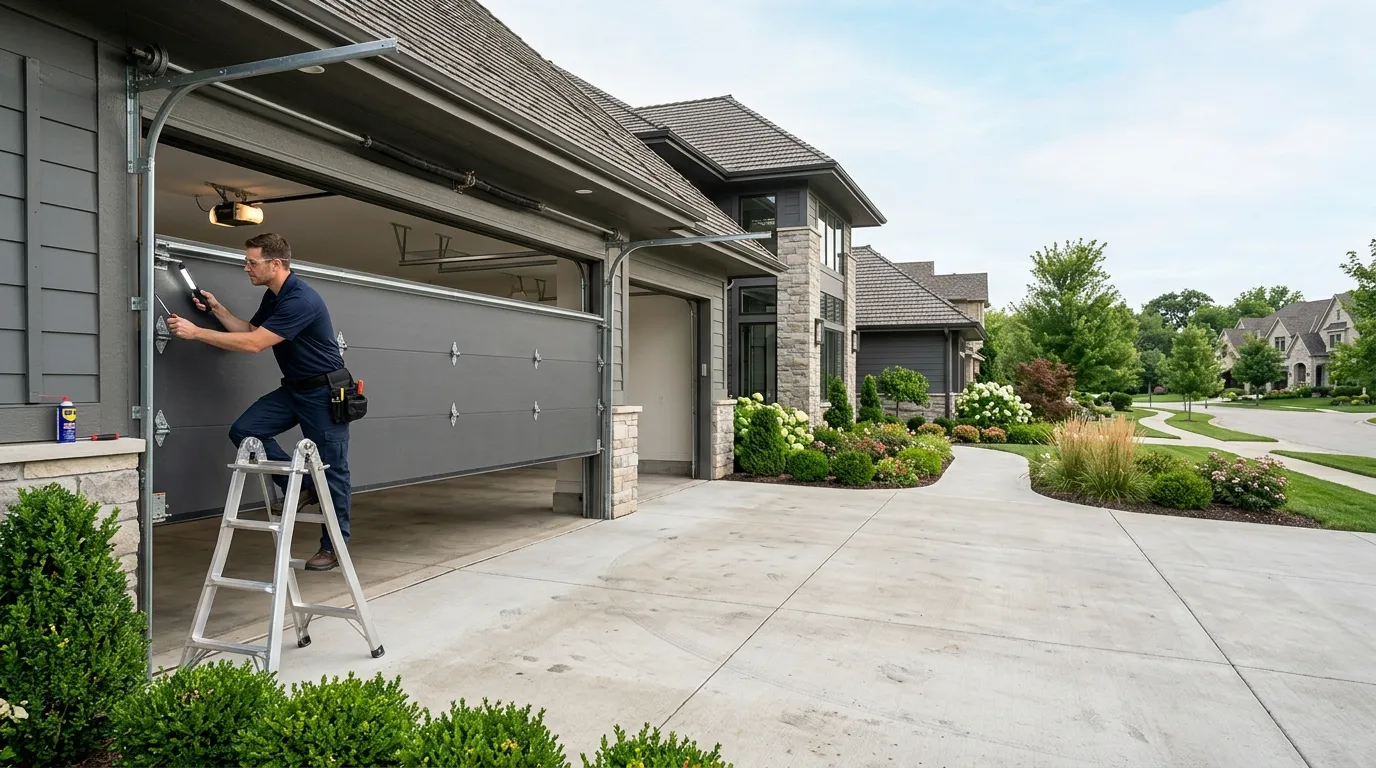
How Long You Are Without the Door
Heath has about 4,330 households, which is small enough that opener calls here don't queue up the way they do in bigger parts of the service area. That matters for how fast we get to you. We run out of Newark, four miles down the road, so a Heath call doesn't sit on a dispatch board waiting for a truck to clear a job across town - it's the same short trip every time.
What actually stretches the timeline isn't distance, it's parts. If your opener is old enough to need a logic board or a specific gear set that isn't a stock item, that part has to be ordered, and we won't pretend otherwise. A dead capacitor or a burned-out sensor we usually carry. A discontinued circuit board for a unit from the 1970s or 80s sometimes means a day or two of waiting, not because we're far away, but because the manufacturer stopped making it.
So the honest answer is: close by, fast to reach, but the part on the shelf (or not on the shelf) decides more of the timeline than the four miles does.
How We Fix It
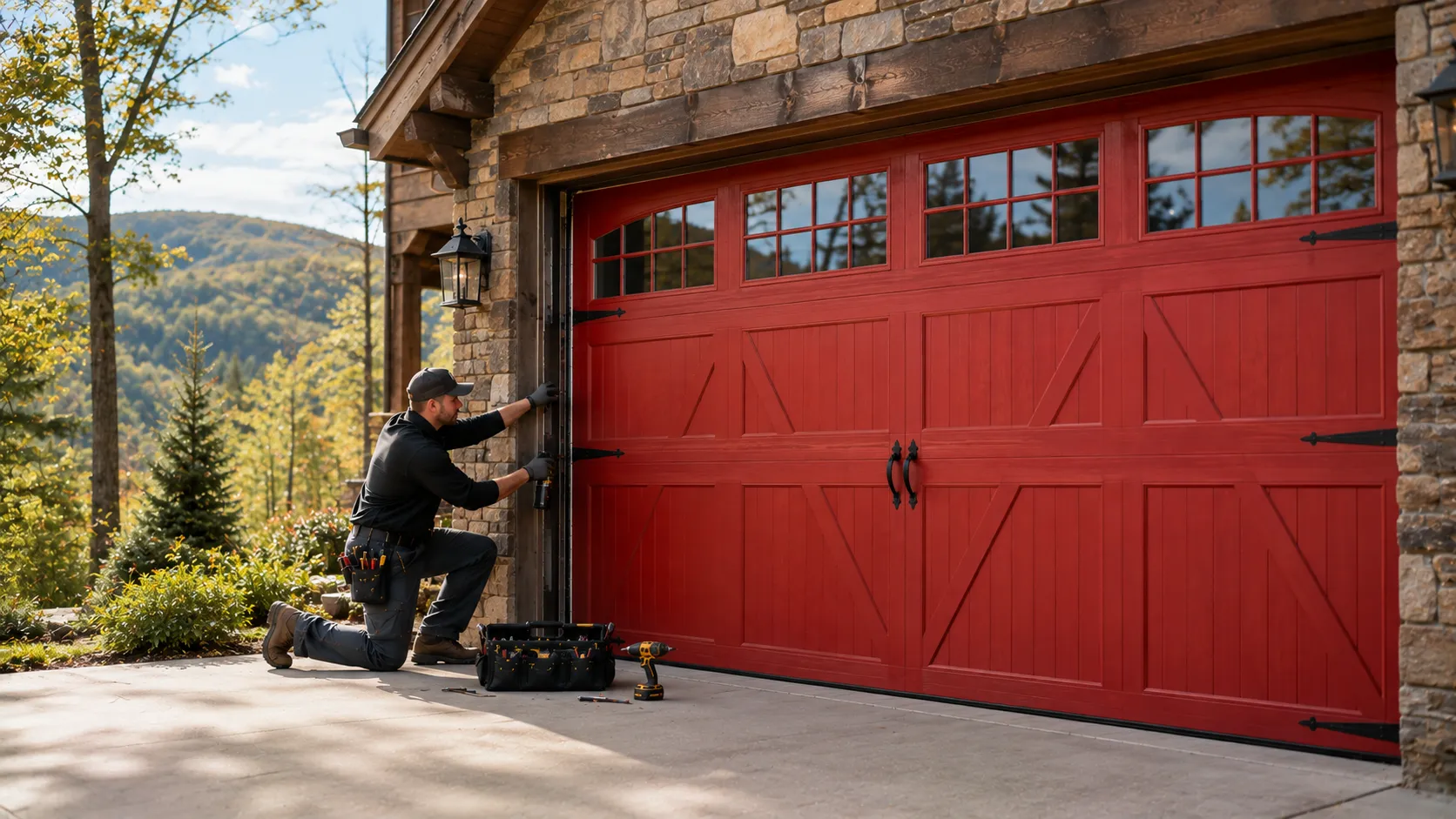
Heath's housing stock leans heavily 1960s-70s, with a median build year around 1978 for this town specifically. That era means a lot of chain-drive openers, some upgraded once already, some still running original hardware with worn nylon gears and a motor that's louder than it used to be. We start the same way every time: check the travel limits, check the safety reversal, check the drive gear for stripped teeth, then look at the logic board or capacitor if the motor hums but doesn't turn.
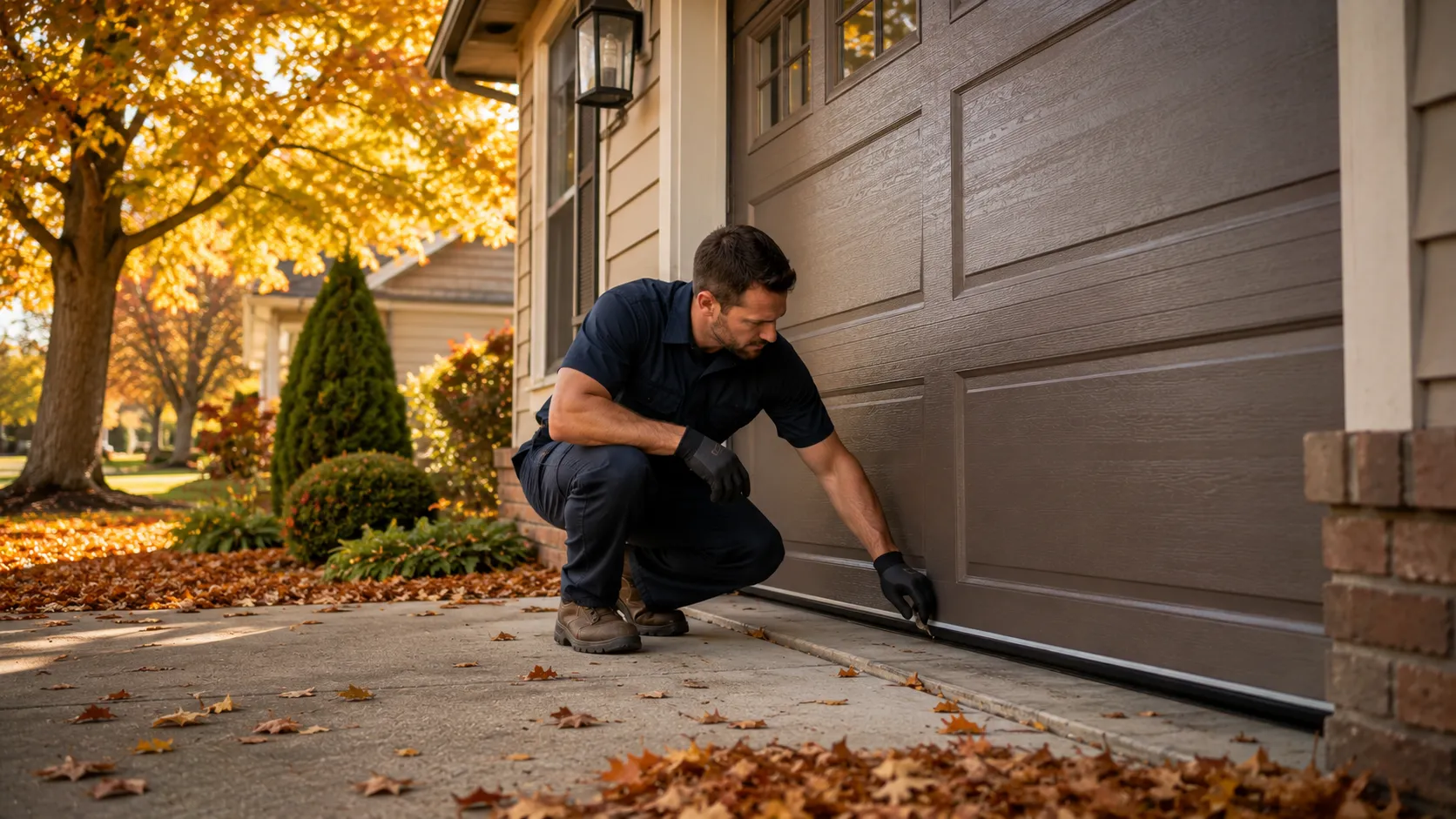
The cold matters here too. This area sits in a severe cold climate band, and unheated garages take a beating on openers over a winter - condensation in the housing, stiff grease, sensors that misread in the cold and refuse to close the door at all. We see more sensor-alignment calls in January than in July, and it's rarely the sensor itself, it's the bracket that's shifted or the lens that's fogged.
We test the whole travel cycle before we leave, not just whether the door goes up. A door that opens fine but reverses halfway closed is still a broken opener, and we treat it that way.
What Can Go Wrong
Openers installed when a lot of Heath's houses were built - late 1970s, give or take - often predate the photo-eye safety sensors that come standard now. If yours still closes with no beam across the floor, that's not a small detail; it's the single most common safety gap we find in homes this age.
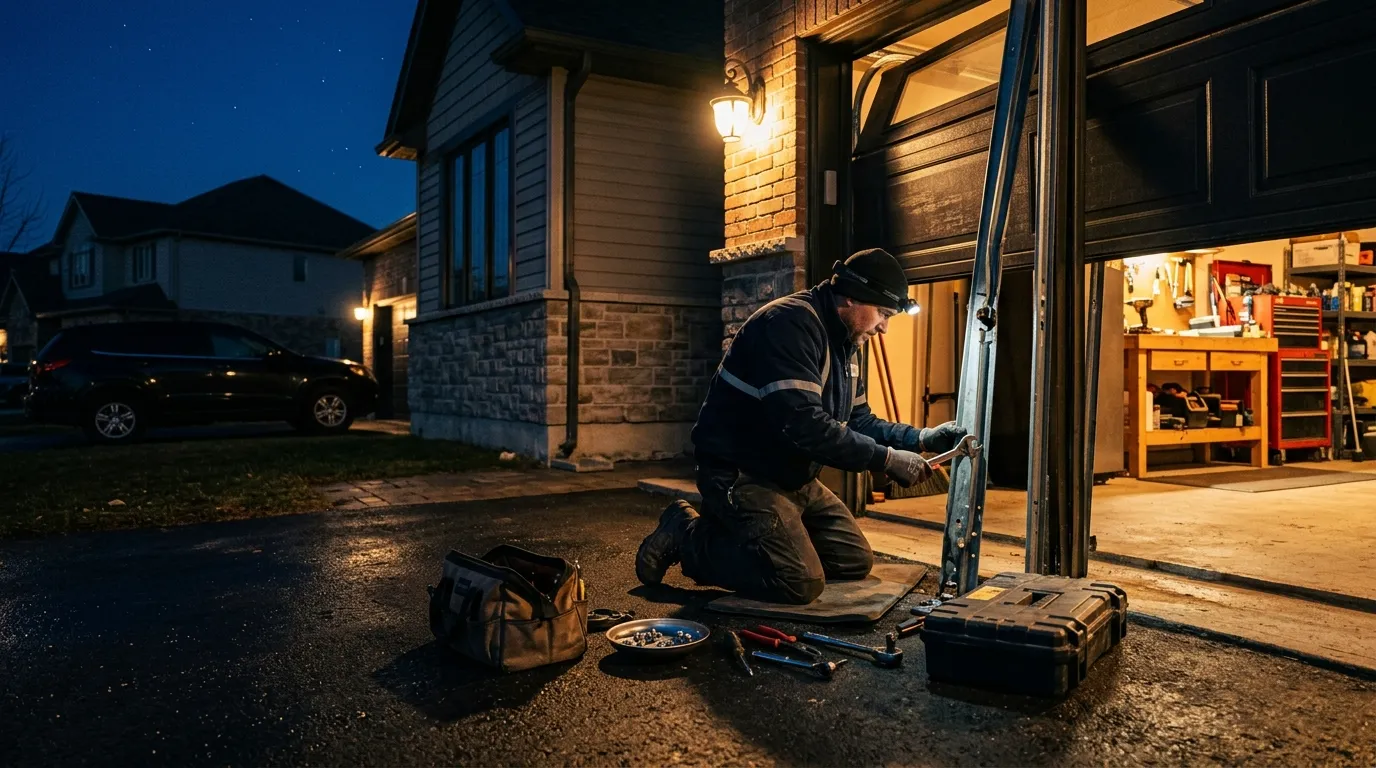
Cold makes a second kind of failure common here: a motor that runs but the door won't move, which usually means a stripped drive gear that finally gave out after years of grease gone stiff in an unheated garage. We also see wall buttons and remotes that work intermittently in winter, which points to a wiring connection loosened by temperature swings rather than the opener unit itself.
One thing we won't do is replace a motor when the actual fault is a worn drive gear or a bad capacitor - that's a cheaper fix and it's the right one. We'll also tell you plainly when an opener is old enough, and parts scarce enough, that replacement is the better use of your money than a repair that might not hold.
Can You Do This Yourself
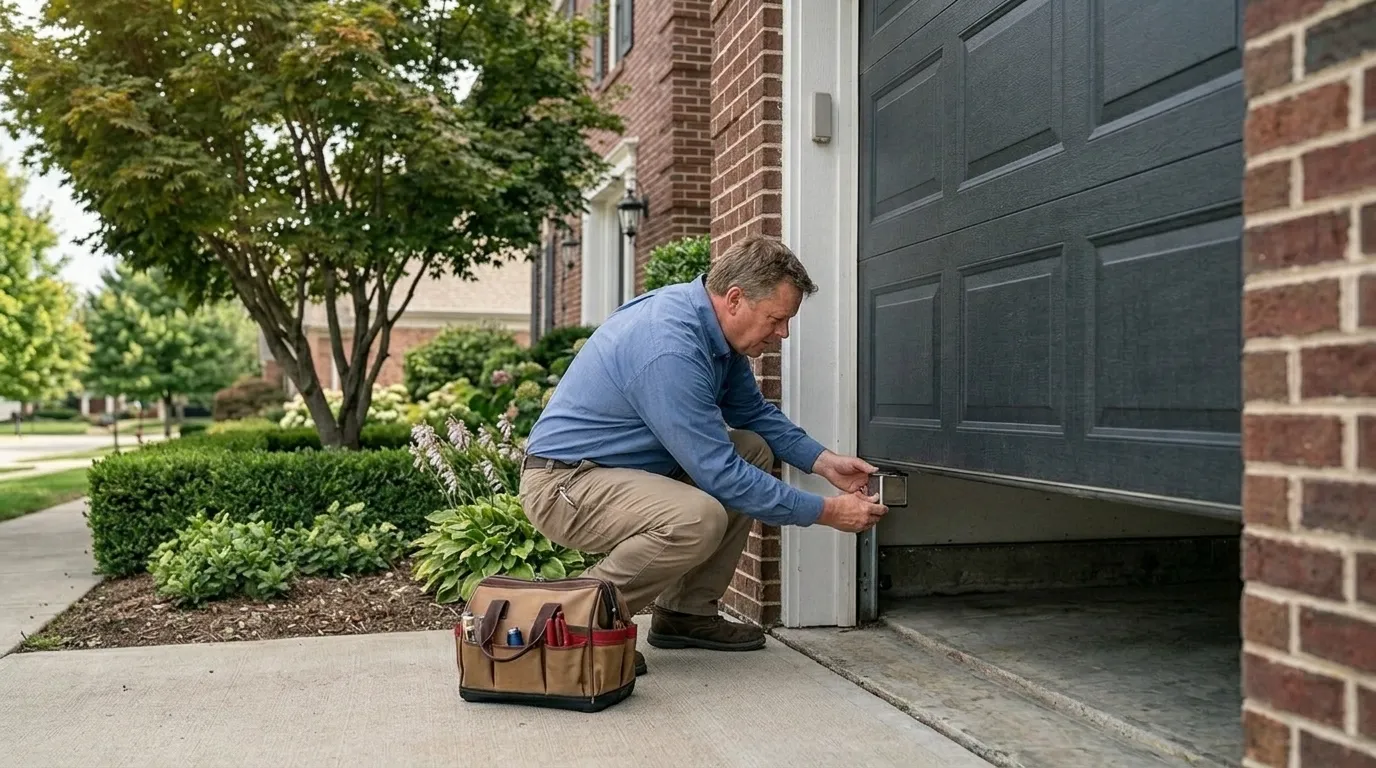
Some of this is fair to check before you call anyone. Look at the sensors on either side of the track near the floor - if the little lights aren't lit or aren't facing each other dead-on, nudge them until they line up. Pull the manual release cord and see if the door moves freely by hand; if it's heavy or binds, that's a spring or track issue, not the opener, and it's not a DIY fix. Check that the outlet the opener's plugged into actually has power, and check your breaker panel while you're at it.
What we don't recommend touching yourself: the logic board, the motor housing, or anything involving the high-tension spring system on the door itself. Openers carry electrical risk, and a door under spring tension can cause a serious injury if you don't know what you're doing. If the sensor alignment and the outlet check don't fix it, that's the point where it's worth a call rather than more guessing.