How Long You Are Without the Door
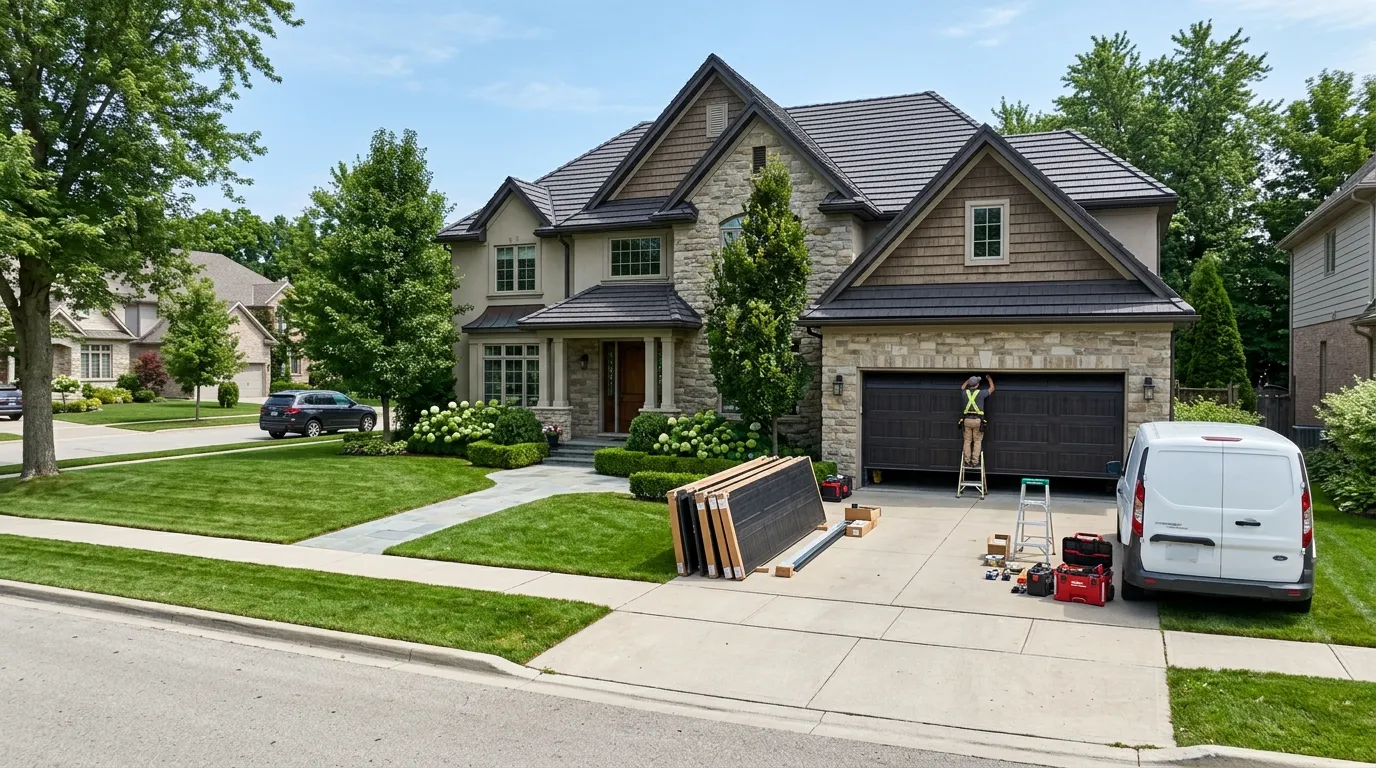
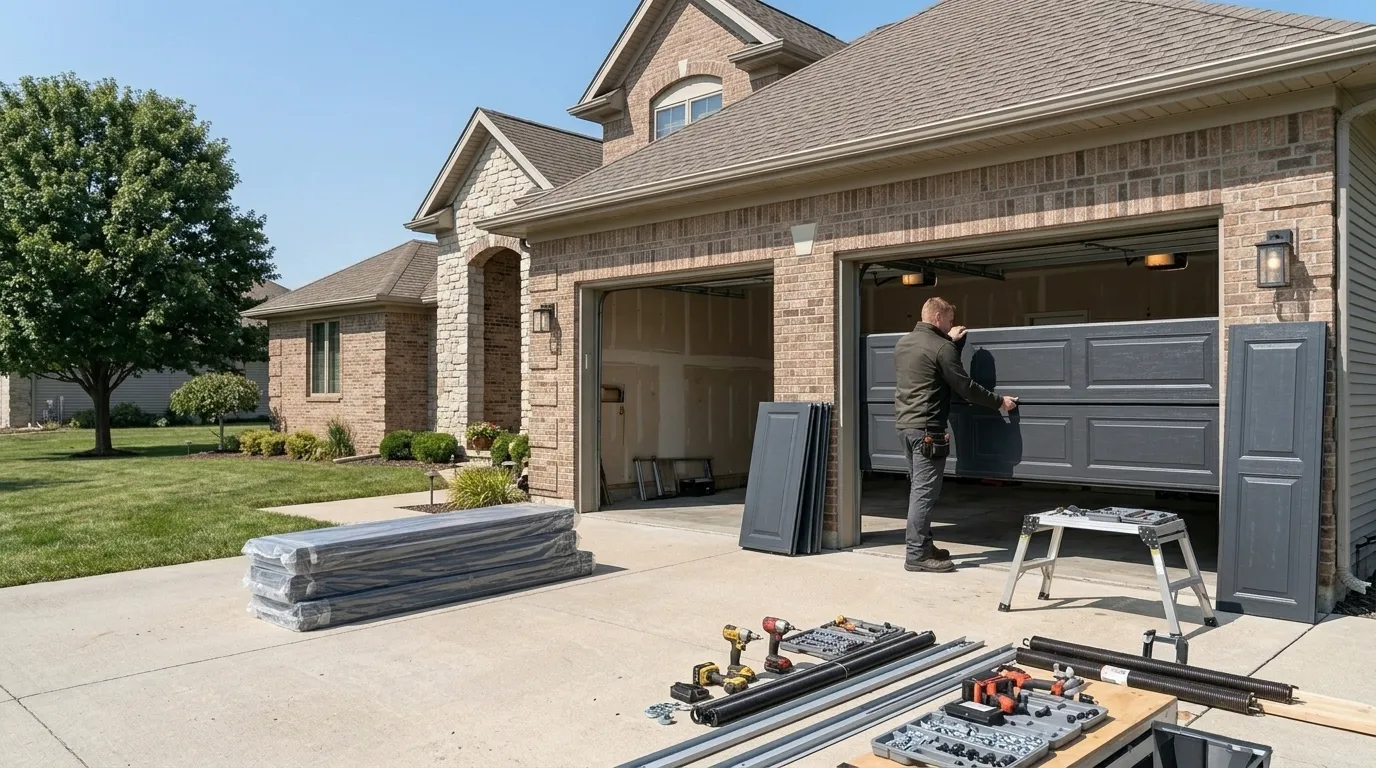
We run out of Newark, four miles from Heath, so there's no branch office here and no crew sitting idle waiting for a call. That means a job in Heath starts with a drive, not a dispatch from around the corner. Most of the houses we get calls from here went up when the town's housing stock clustered in, meaning a lot of the doors we open are the same steel sectional units that came standard through the late 1970s: 16-foot double or 9-foot single, uninsulated, hung on torsion springs sized for a lighter door than what people sometimes swap in later. That's the door you're waiting on, not a custom build, so parts are usually not the bottleneck - the drive is. We don't promise a same-day window here because we're not staged in Heath, and it would be dishonest to say otherwise. What we can tell you is that the trip is short and the door itself is a known quantity.
How We Fix It
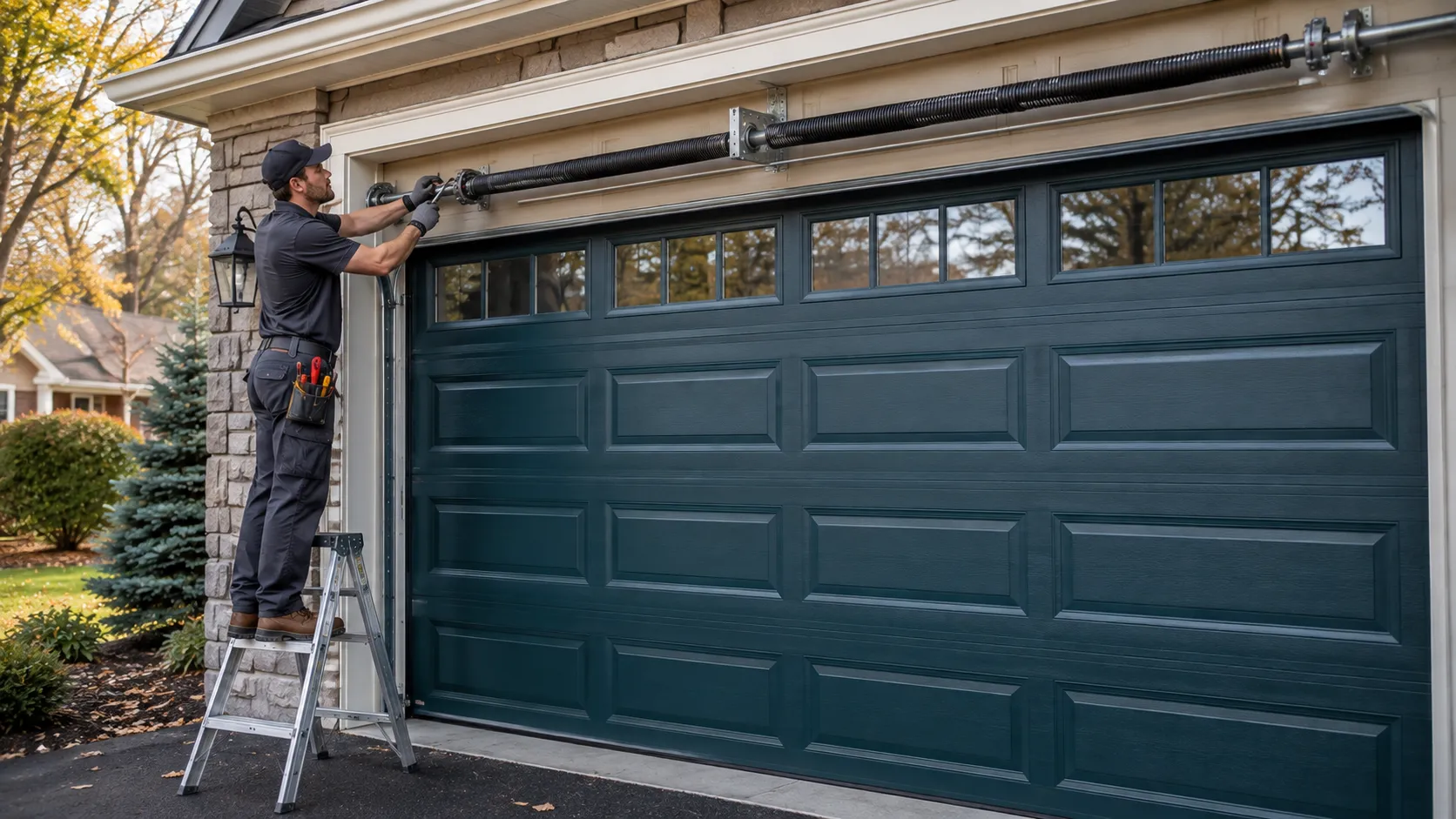
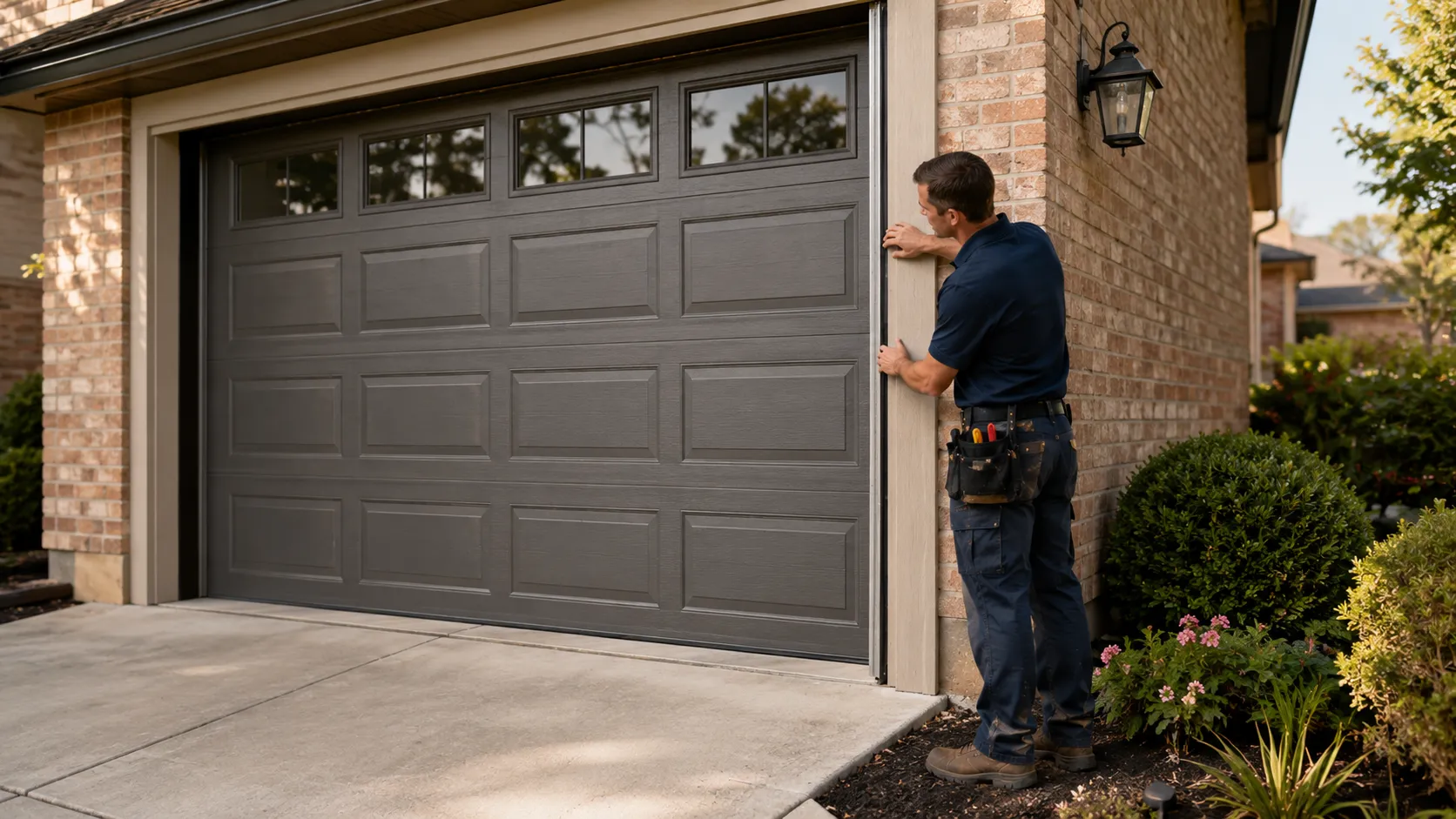
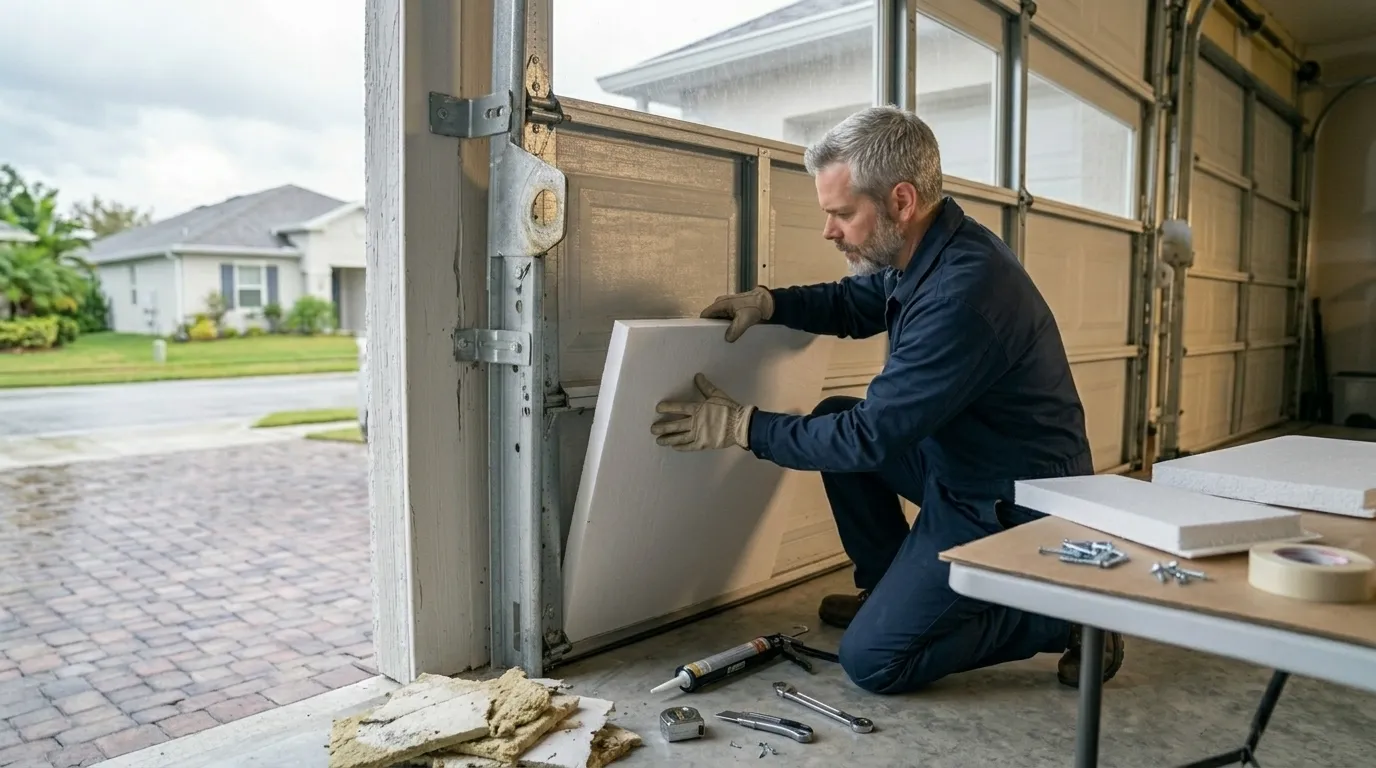
A door from a 1970s build in this part of Ohio almost always means a torsion spring wound for a lighter panel and an opener that's been swapped once or twice since the house was built. We check the spring wire gauge against the door weight first, because a lot of these doors have had a heavier insulated panel dropped onto original hardware at some point, and that mismatch is what snaps cables early. Track alignment is the other common issue - houses in this age bracket often have the original steel tracks, slightly narrower than what's sold today, so a repair sometimes means matching old hardware rather than grabbing whatever's on the truck. We fix what's there rather than pushing a full replacement unless the door itself, not just the spring or opener, has failed.
What Can Go Wrong
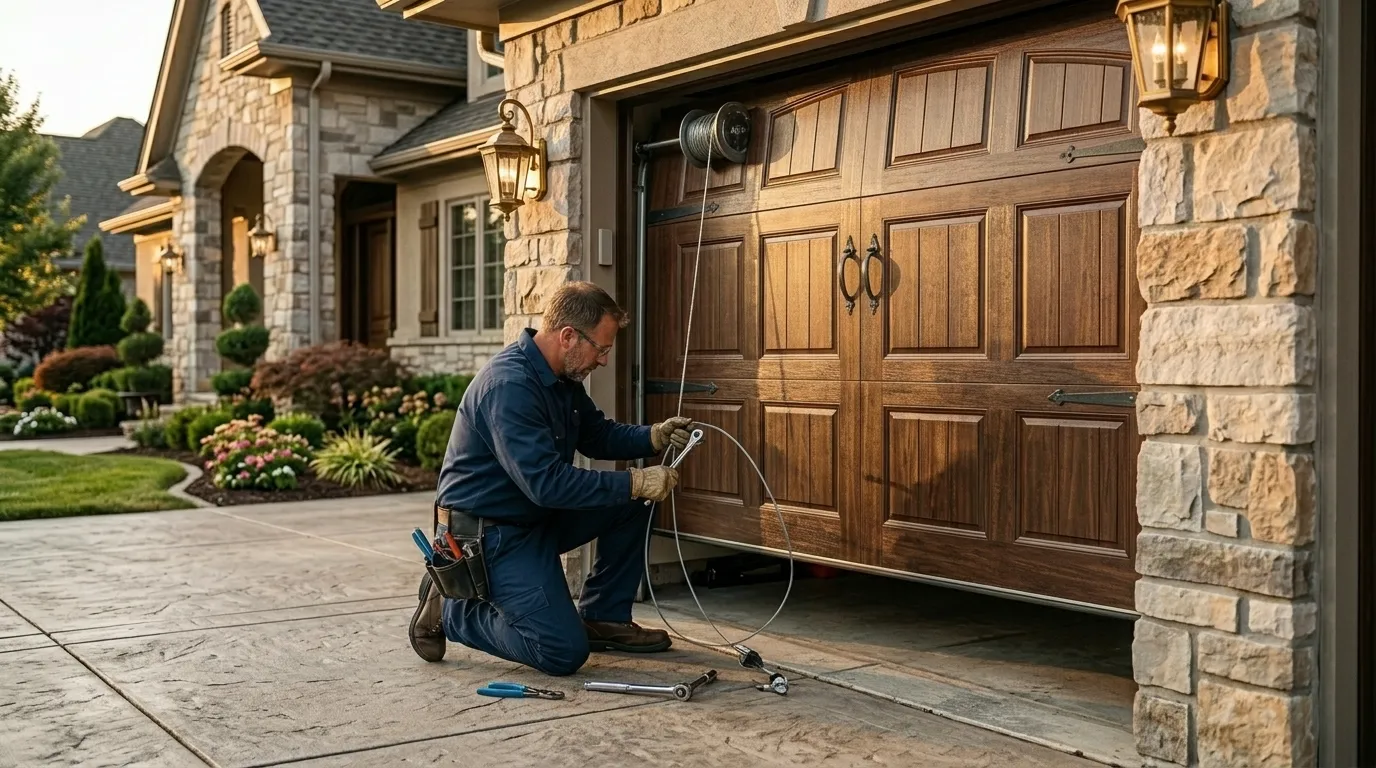
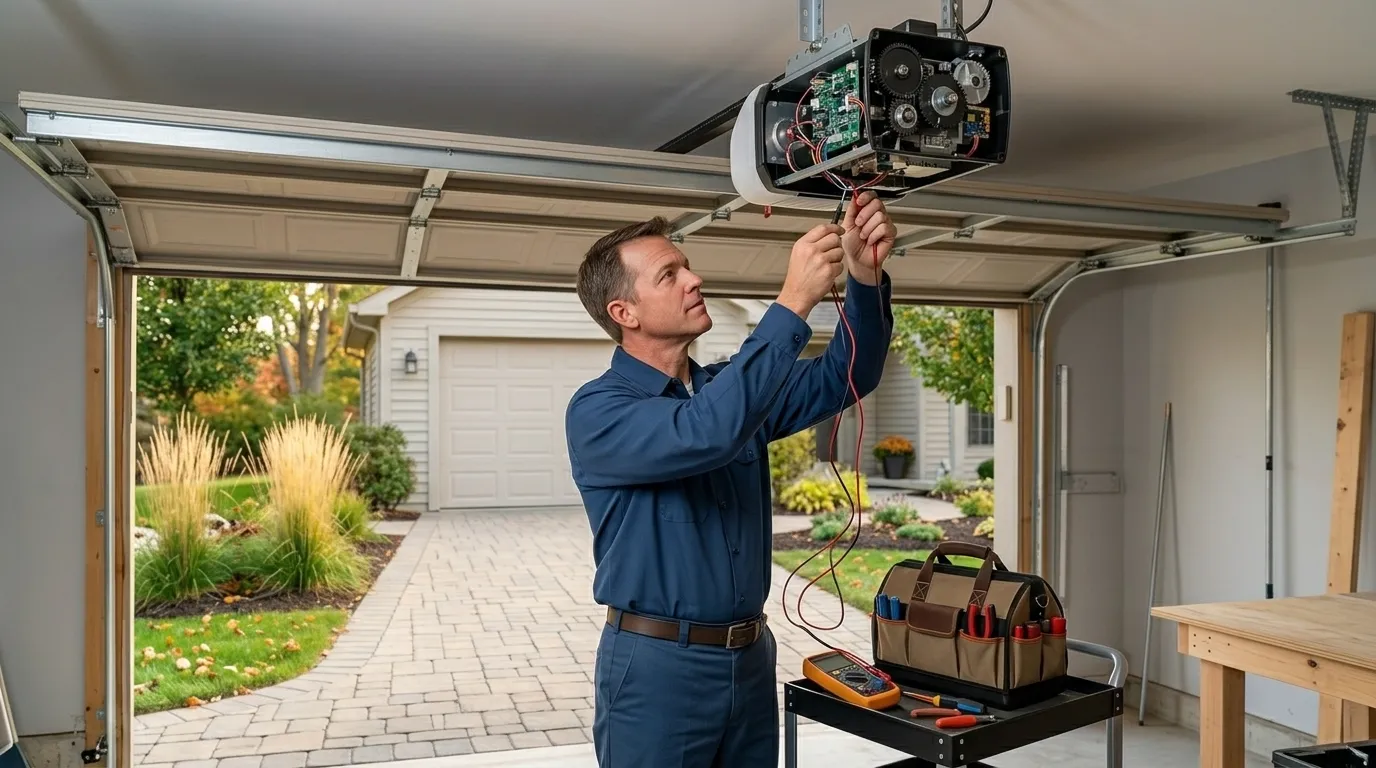
Ohio's winters sit in the severe end of the cold band, and an uninsulated steel door from the 1970s - which is what a lot of Heath still has - handles that badly. Steel contracts in the cold, and on an old door that's already lost some of its factory tension, that contraction is often what finally snaps a spring that was already tired. We also see openers from this era's houses that have been replaced once, sometimes twice, with mismatched safety sensors bolted onto a rail that predates the sensor requirement entirely. That's not a Heath-specific defect, it's what happens when a house this age gets incremental fixes instead of one clean upgrade. The one thing we won't do is replace a spring on a door with a bent track and call it fixed - that's a callback waiting to happen, and we'd rather tell you the track needs attention first.
Can You Do This Yourself
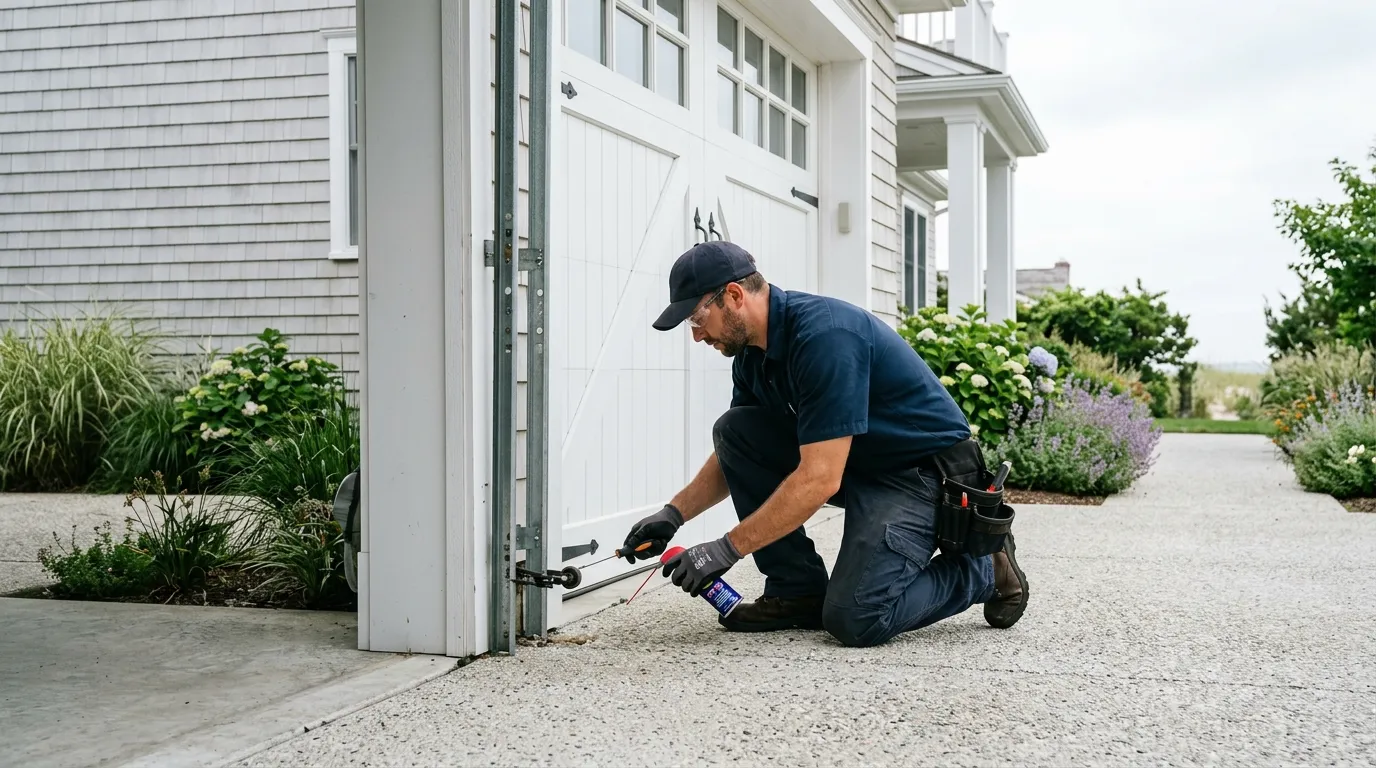
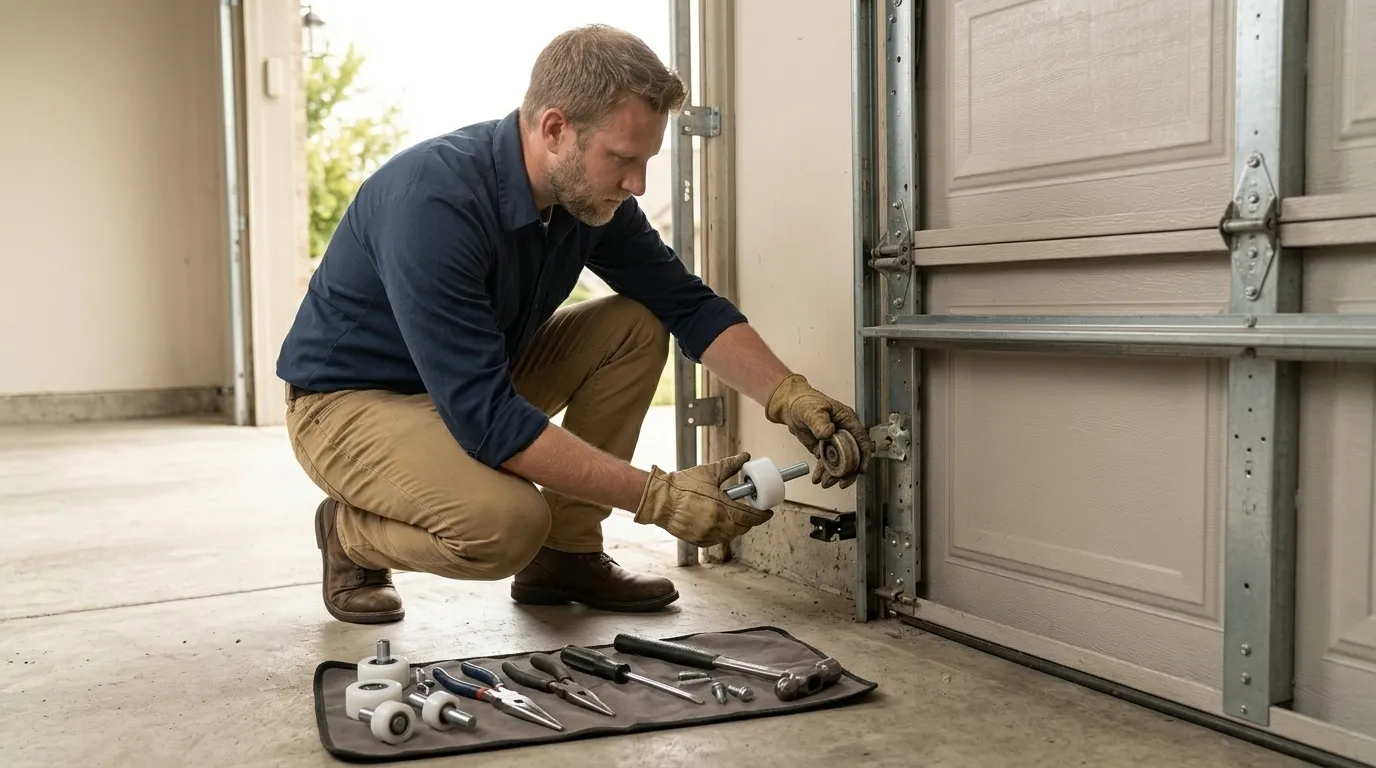
Some of it, yes. Lubricating rollers and hinges, tightening loose bolts on the track brackets, and testing the auto-reverse safety feature are all things an owner can do without tools beyond a ladder and a wrench. Torsion spring work is not on that list - the spring on a door this size is under enough tension to do real damage, and on a house from this era the wind count is often not what a generic online chart assumes. If the door won't move, or moves unevenly, that's a hardware call, not a weekend project.