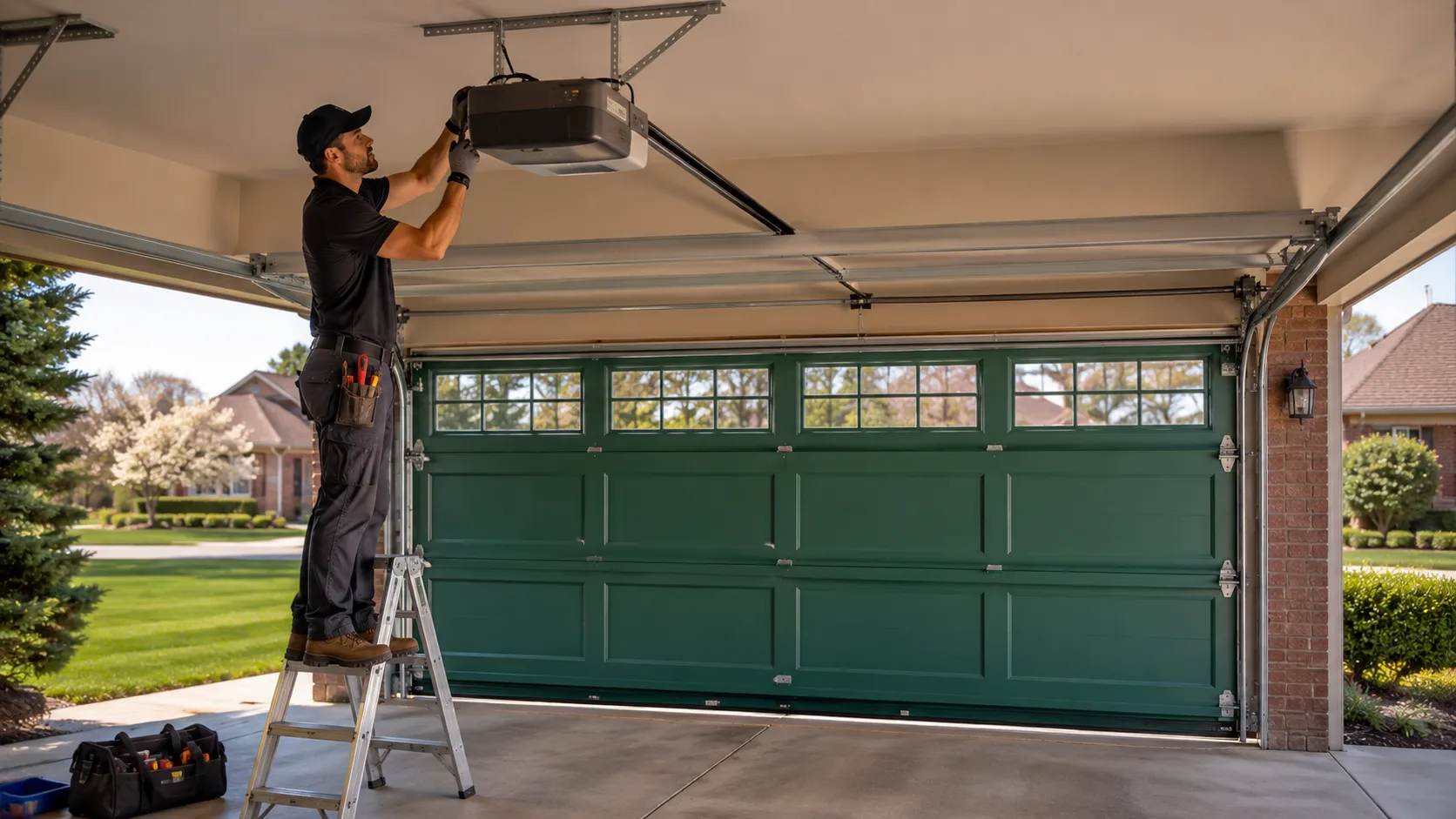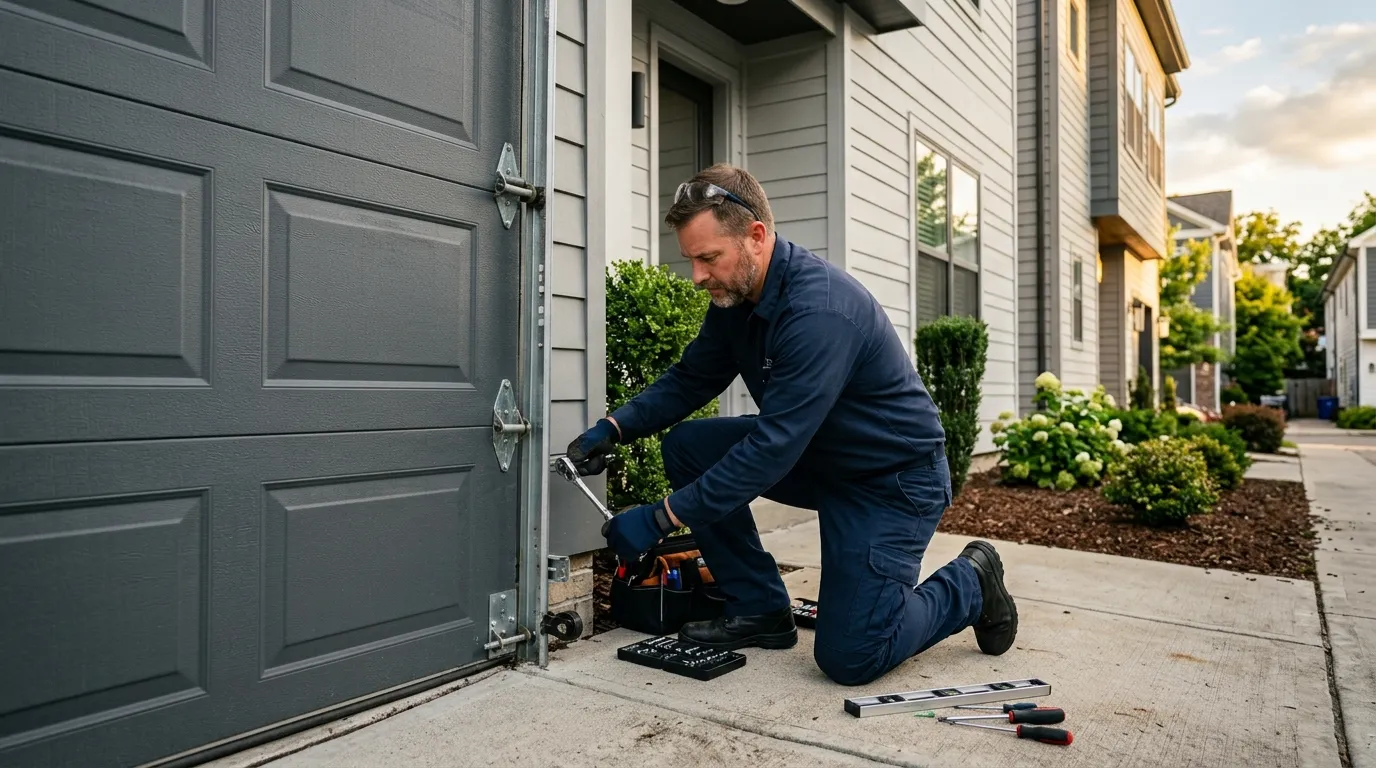
The Problem
Housing in this service area runs from 1938 to 2005, but the median build year lands at 1976, and the bulk of the stock across the 16 neighborhoods we cover is 1960s and 70s construction. That matters because none of those houses were built to any insulation code worth the name - garage doors from that era are a single skin of steel or wood over an open frame, no foam, no thermal break, nothing between your garage and the outside air but a thin sheet of metal.
If your house went up in that window, the odds are good your garage door did too, or it's a like-for-like replacement from years back that copied the same design. That single-layer door doesn't just make the garage cold. If there's a bedroom or laundry room on the other side of that wall, or the garage sits under living space, that cold soaks through. Owners often blame the furnace or the windows before they think to check the door, because a garage door doesn't look like an insulation problem - it looks like a door.
What to Check
Start with the panel itself. Knock on it. A hollow, tinny sound means bare steel with nothing behind it - original to a pre-code house. A dull thud means someone's already added foam board or a factory insulated door went in at some point.
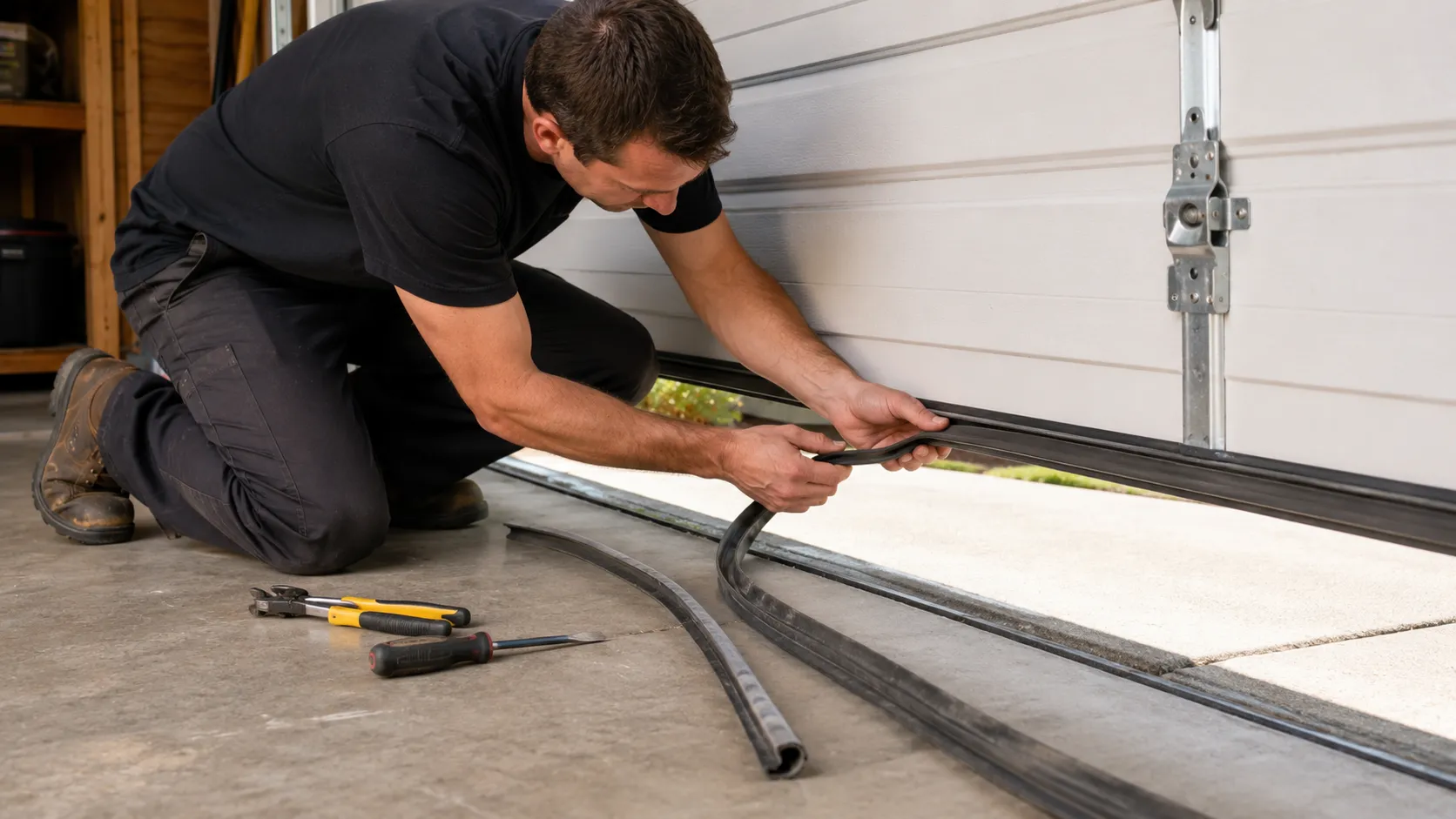
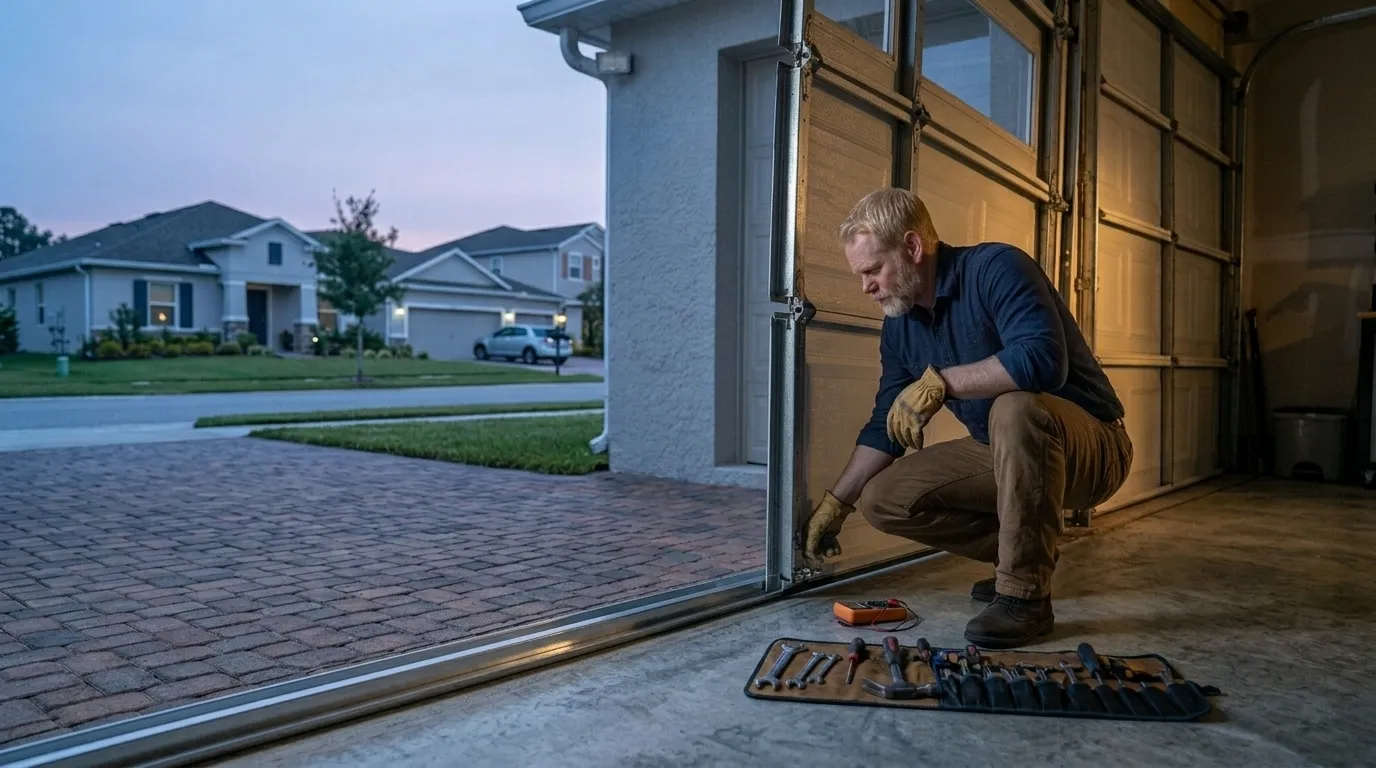
Next, look at the bottom seal. On a door this old, the rubber astragal is usually cracked, flattened, or missing chunks, and that's the single biggest air leak on the whole door - bigger than the panel gaps most people worry about. Run a hand along the side weatherstripping too; if it's brittle or pulling away from the track, cold air is getting past it every time the wind gusts.
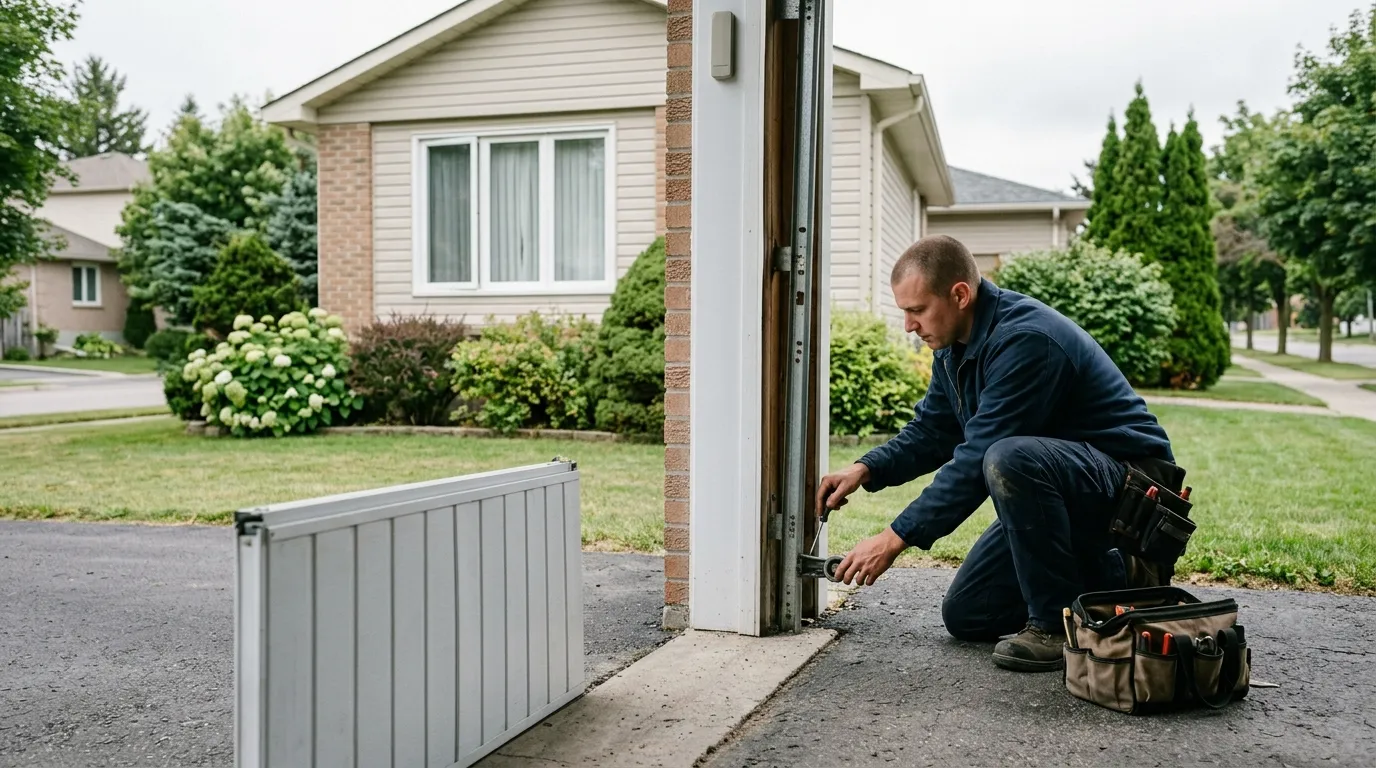
Check the seams between panels for daylight, and check the hardware - hinges and rollers on a door this old have usually outlived at least one spring. Rust at the bottom corners, where snowmelt and road salt sit against the steel all winter, is common and worth a look before it eats through.
One honest note: an insulation kit glued into an old hollow-core panel helps some, but if the steel is rusted through or the seals are shot, you're patching a door that's due for replacement, not fixing a problem.
Season by Season
Winter is when a bad door shows itself fastest. In a cold-severe climate, a torn bottom seal lets in enough air that you can feel a draft standing a few feet inside the garage, and on the coldest mornings a steel panel with no insulation core is cold enough to sweat when the garage warms up during the day.
Spring brings the freeze-thaw swing - ice that formed under the door overnight melts, refreezes, and works at whatever seal is left. This is when cracked astragal rubber usually finally gives out completely.
Summer is the quiet season for this particular problem; humidity swings can still make old wood panels swell a little in their tracks, but heat loss isn't the issue when it's warm out.
Fall is the window to actually deal with it - check the seal, check the panel, before the next cold-severe winter starts working on whatever's already worn. Waiting until the first hard freeze means doing the job in weather that makes hardware stiff and rubber harder to seat properly.