How We Fix It
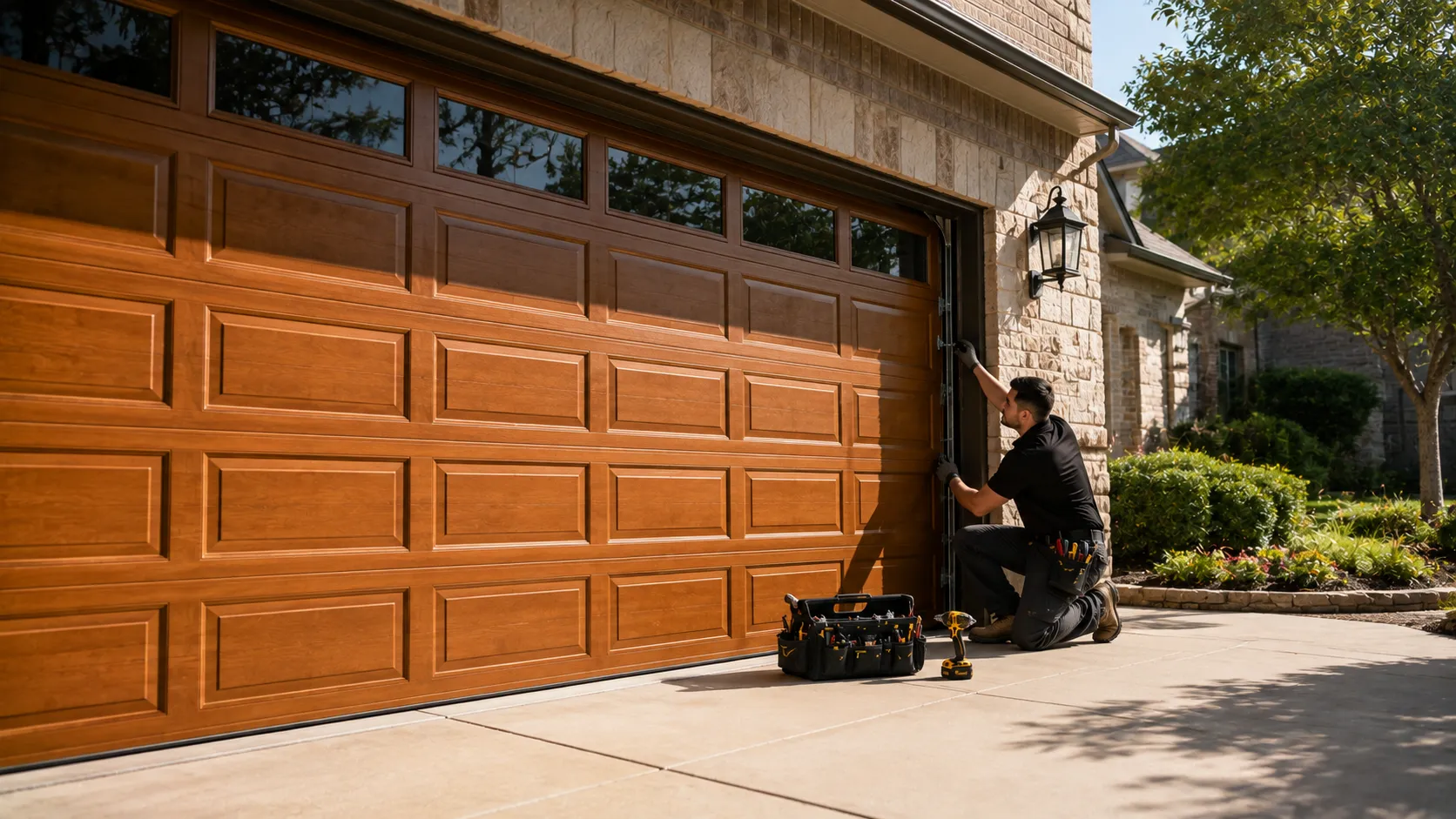
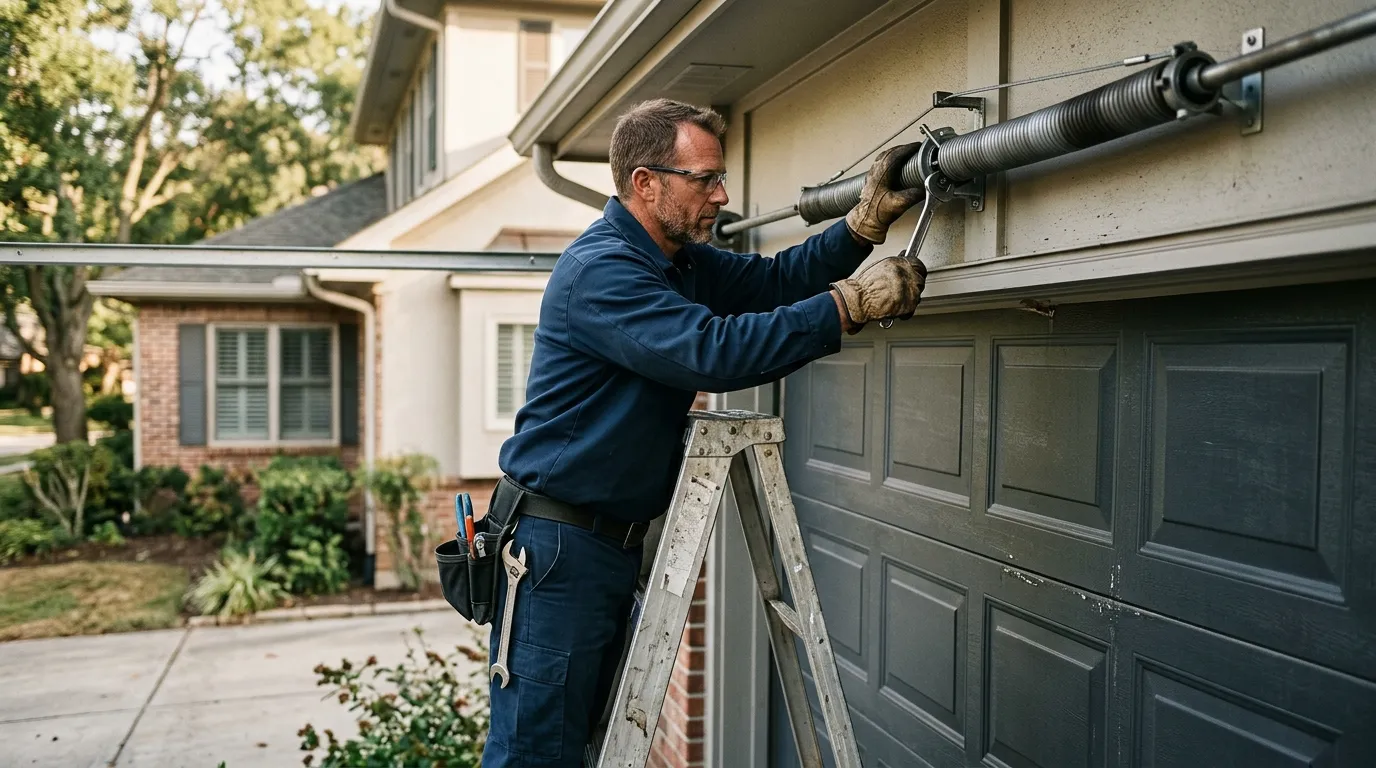
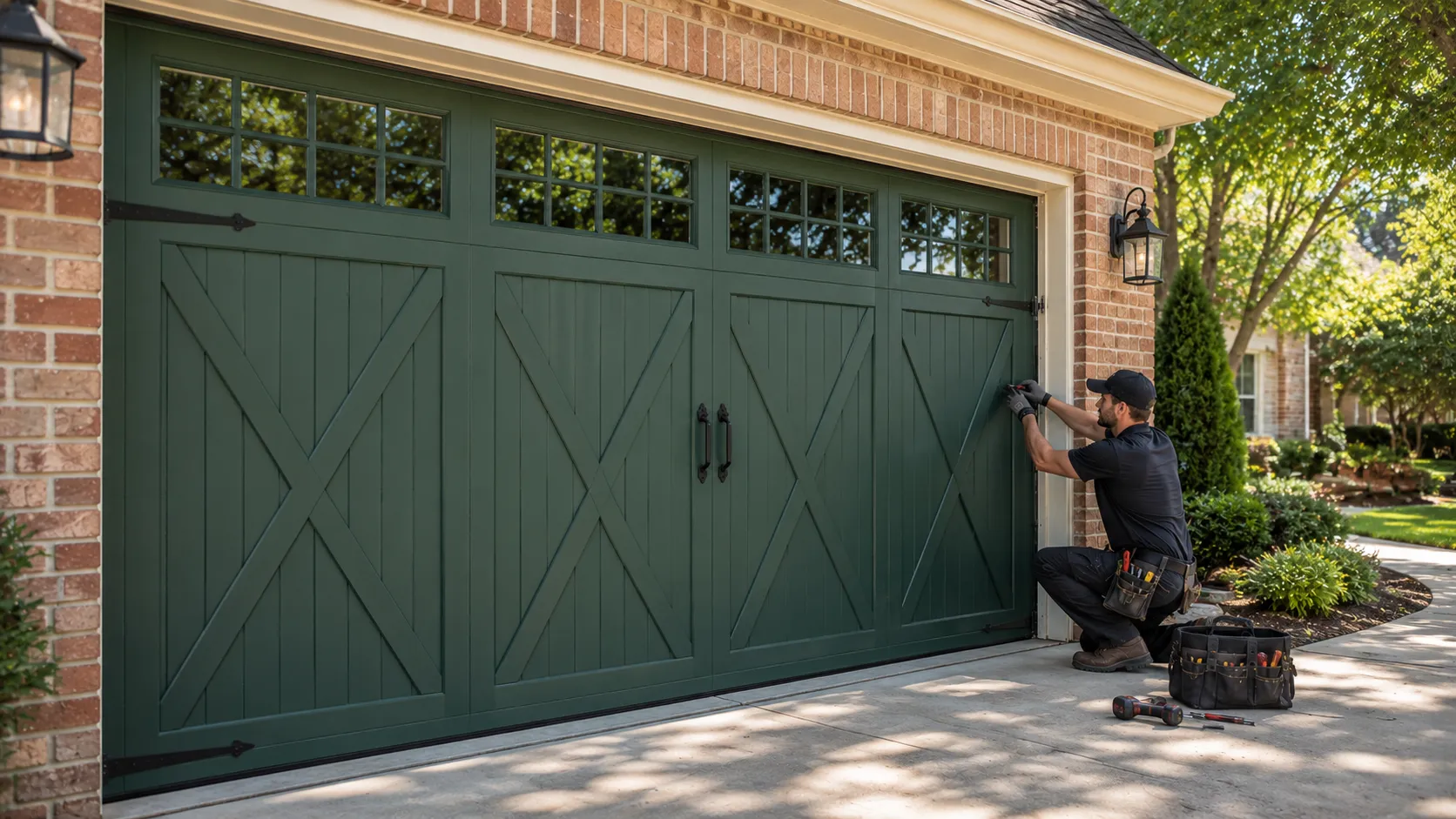
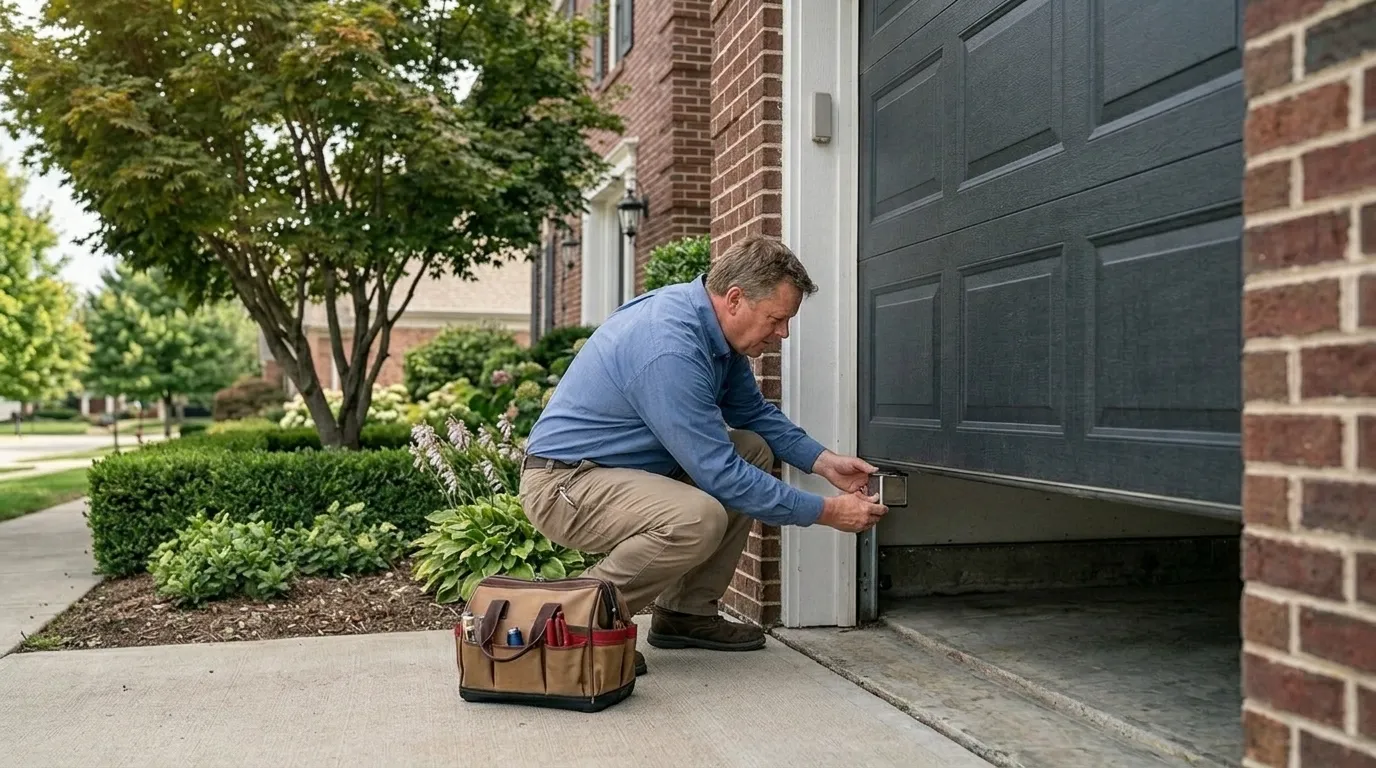
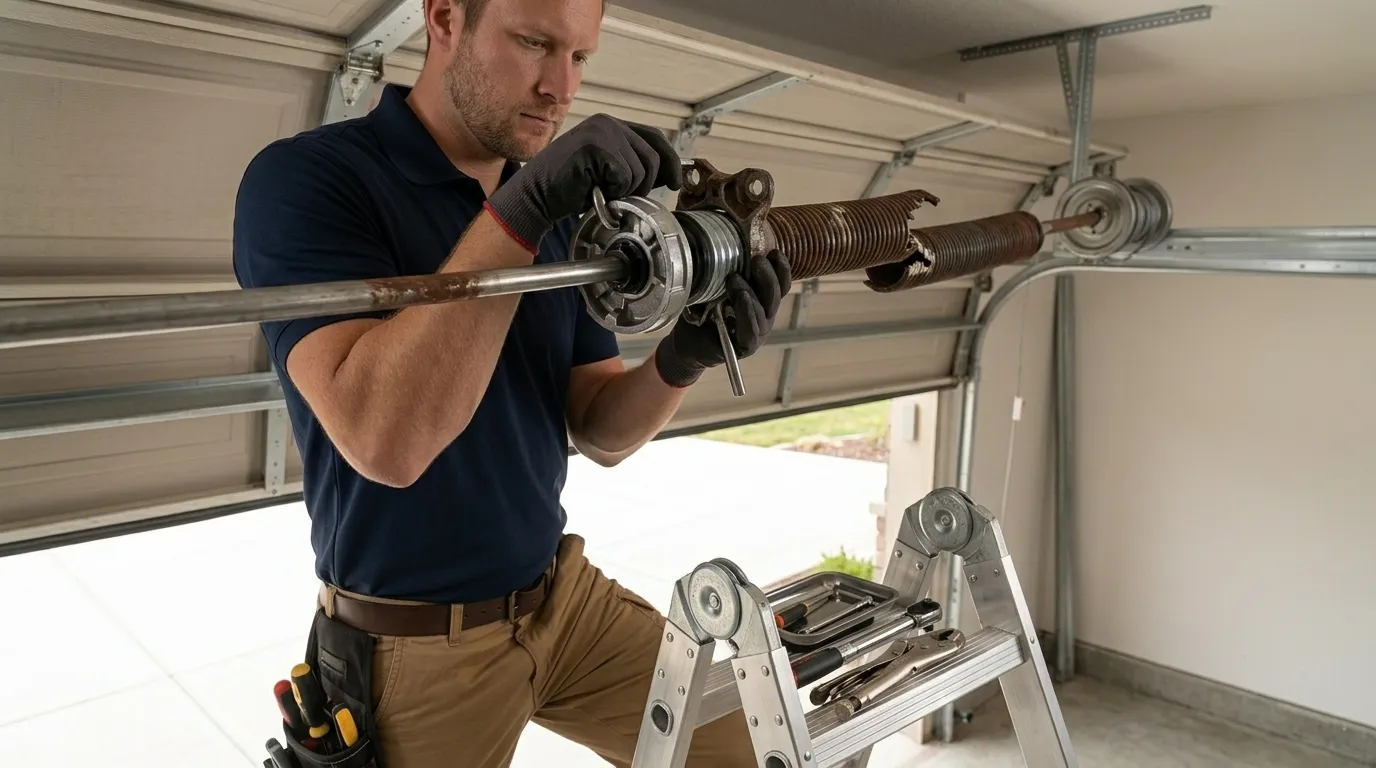
Most calls start the same way: a spring has let go, or the opener is straining against a door that no longer balances right. We pull the door off auto-reverse first and check it by hand before touching a torsion spring - with houses in this area built as far back as 1938, we've seen brackets and drums that don't match anything on a parts truck built for newer construction.
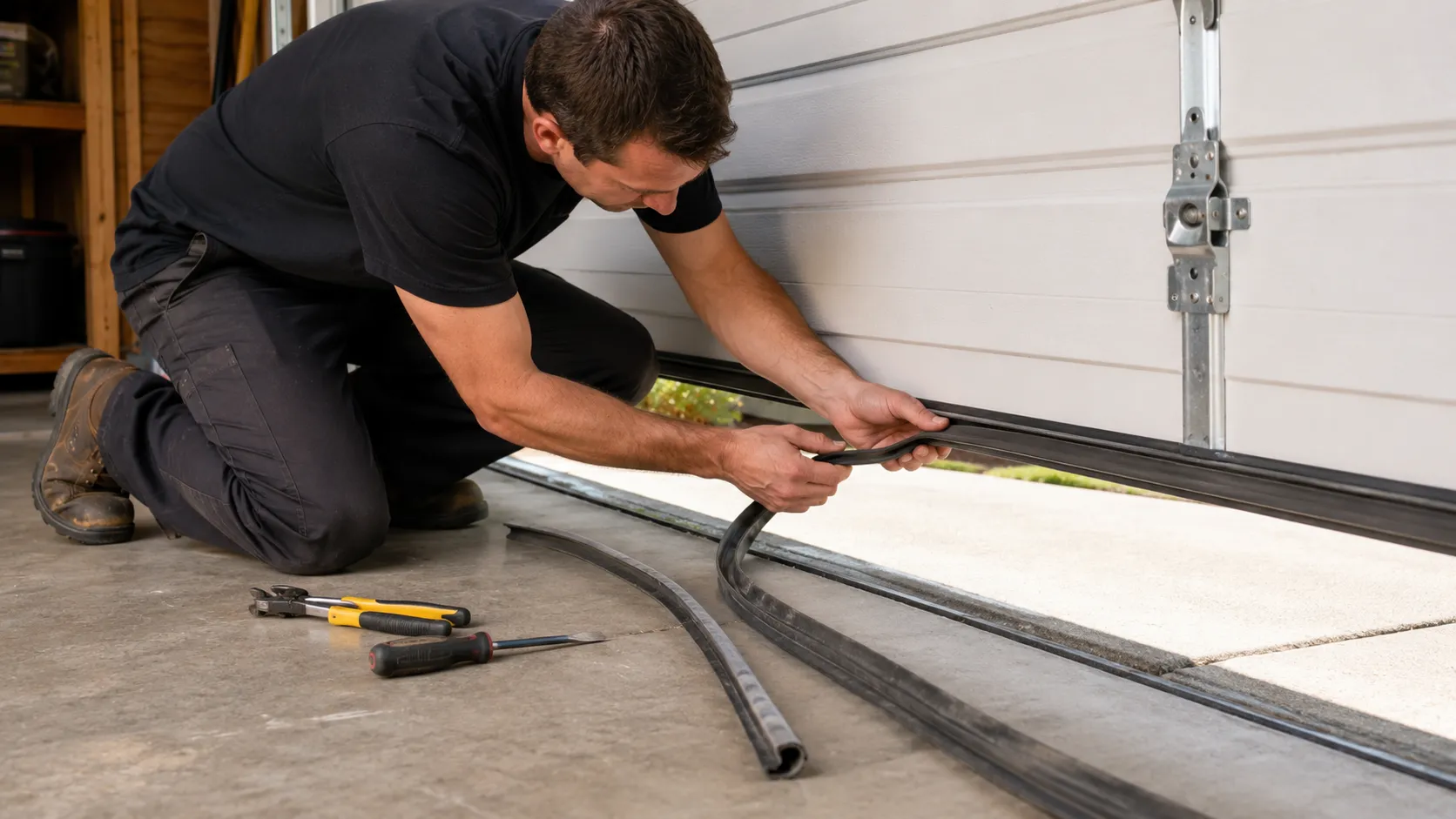
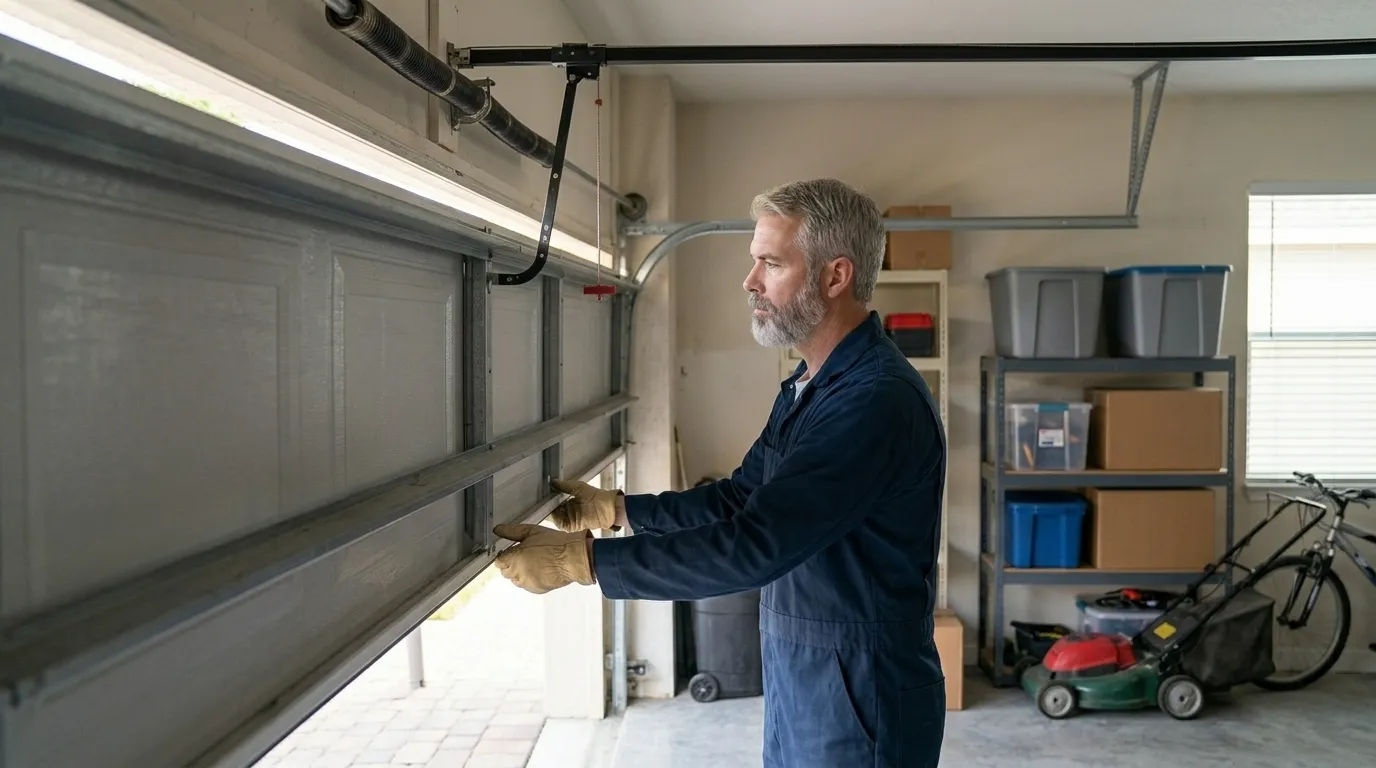
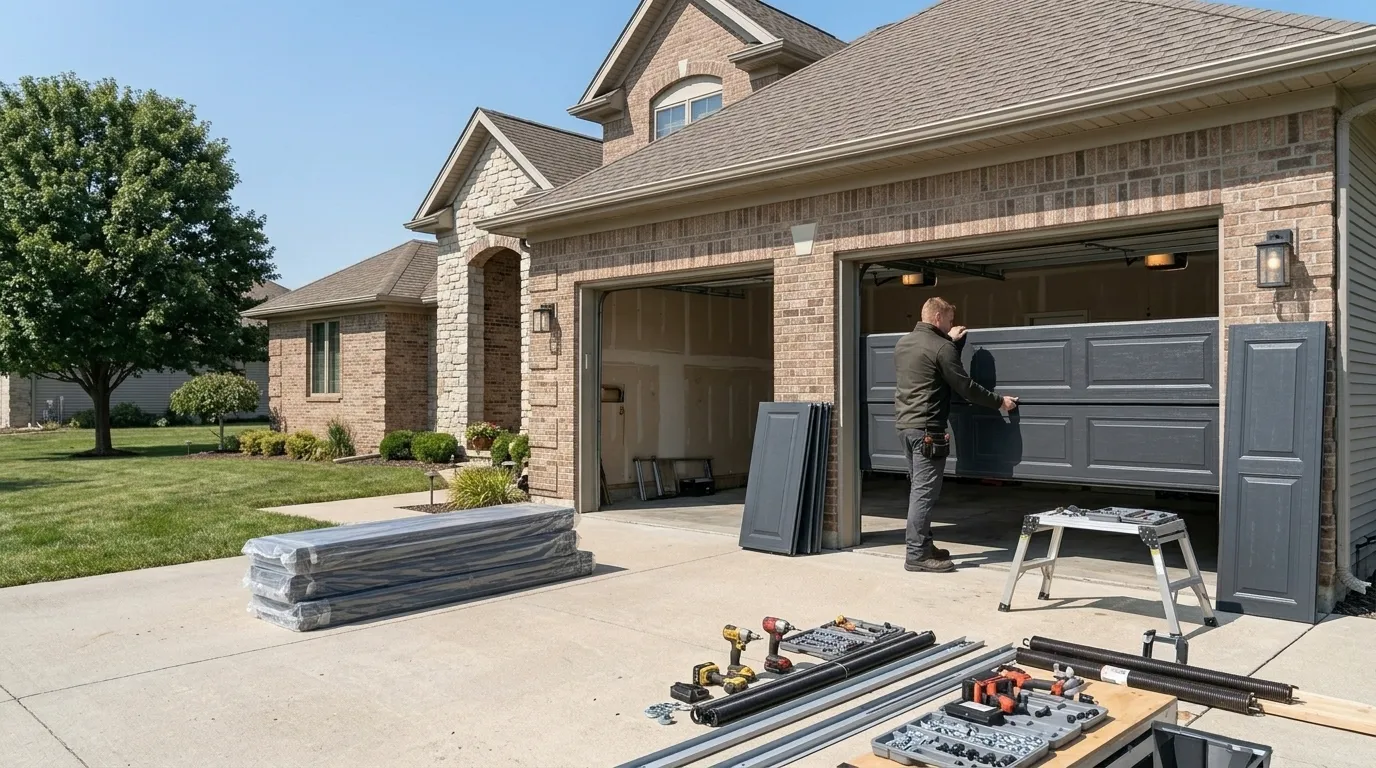
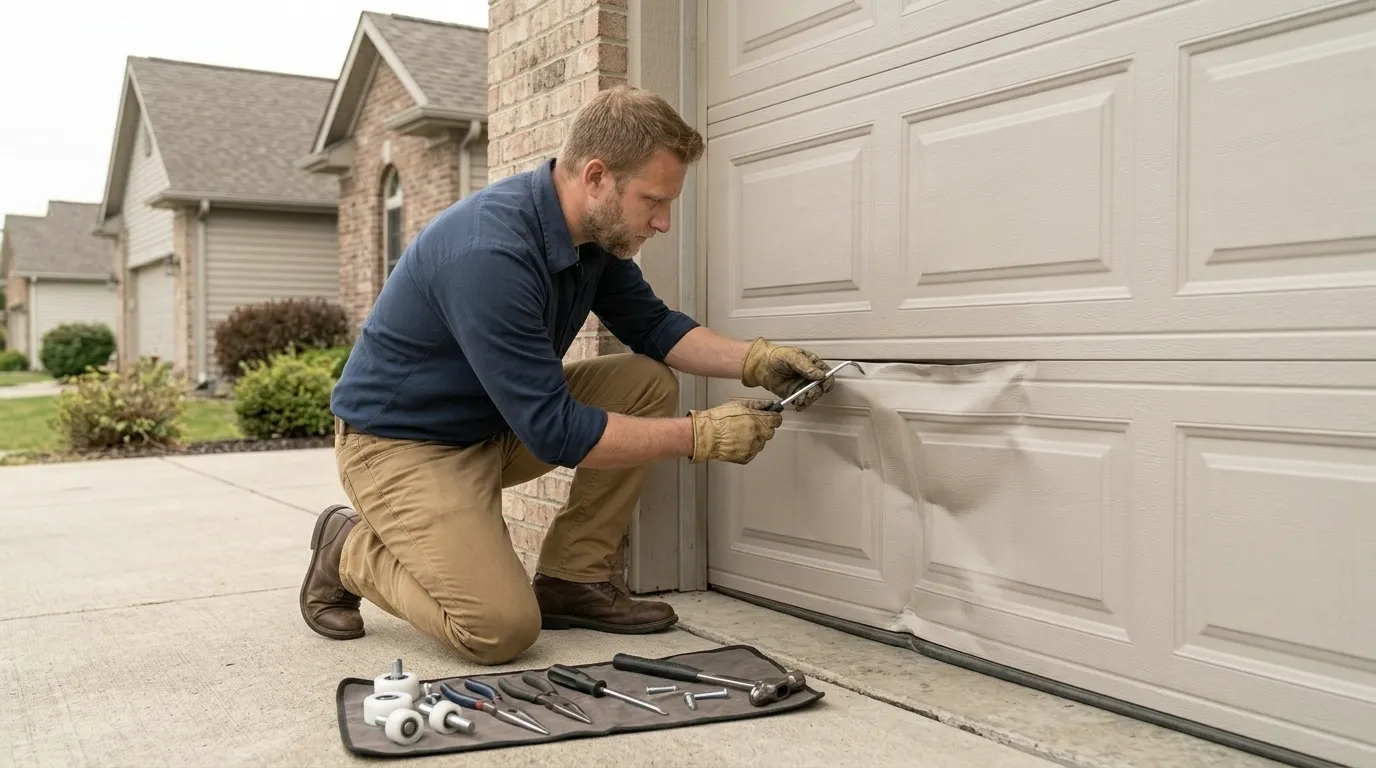
Once we know what we're dealing with, we replace the spring set (we don't patch a single spring on a two-spring system - if one went, the other is close behind), true up the track, and reset the opener's force and limit settings so it isn't fighting the door on the next cold morning. If a panel is cracked or the track is bent past pulling straight, we say so plainly rather than bolting a fix onto something that needs replacing.
We don't do custom architectural doors or full structural garage rebuilds - if the header or jamb is failing, that's a carpenter's job first, ours second. On a standard torsion or extension spring repair, most of the work is done in one visit, once we've got the door open safely and confirmed there's no secondary damage to the hardware from the initial failure.
How Long You Are Without the Door
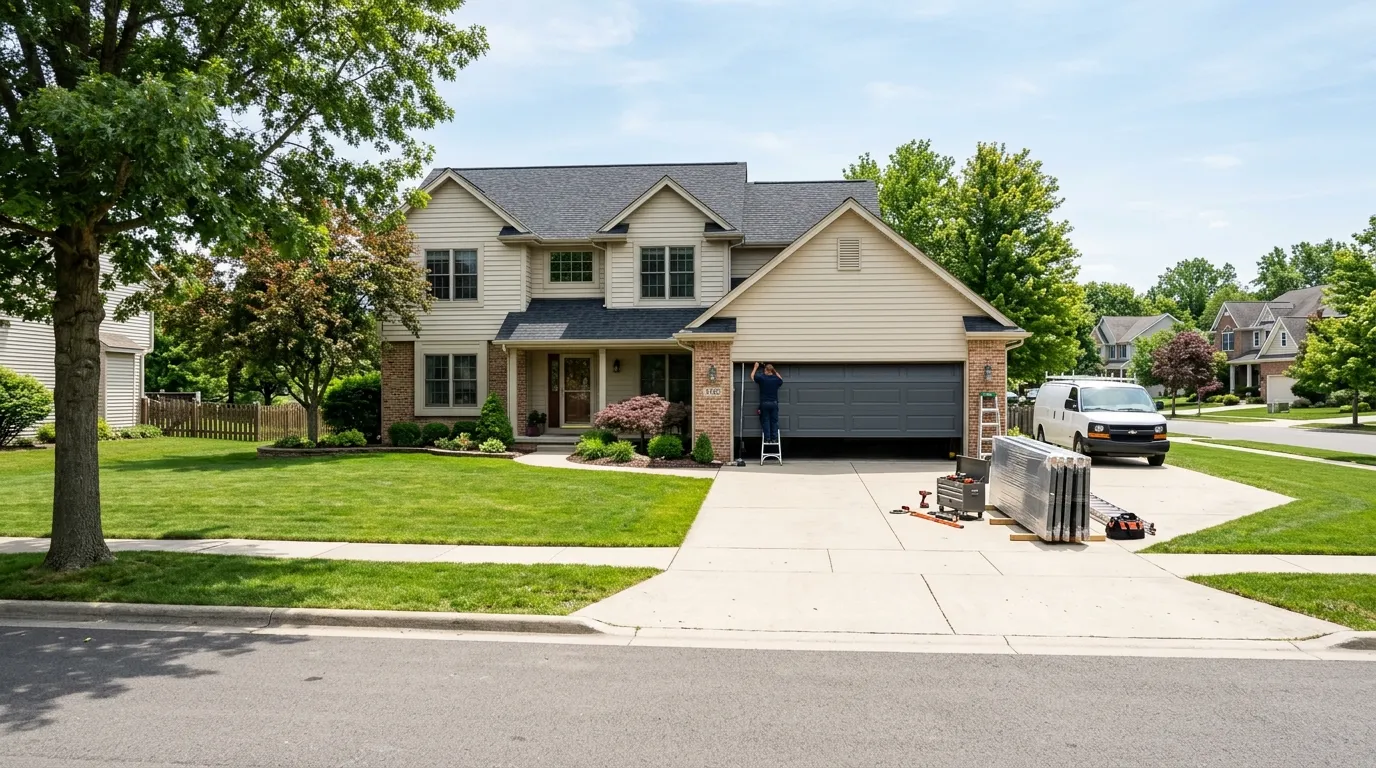
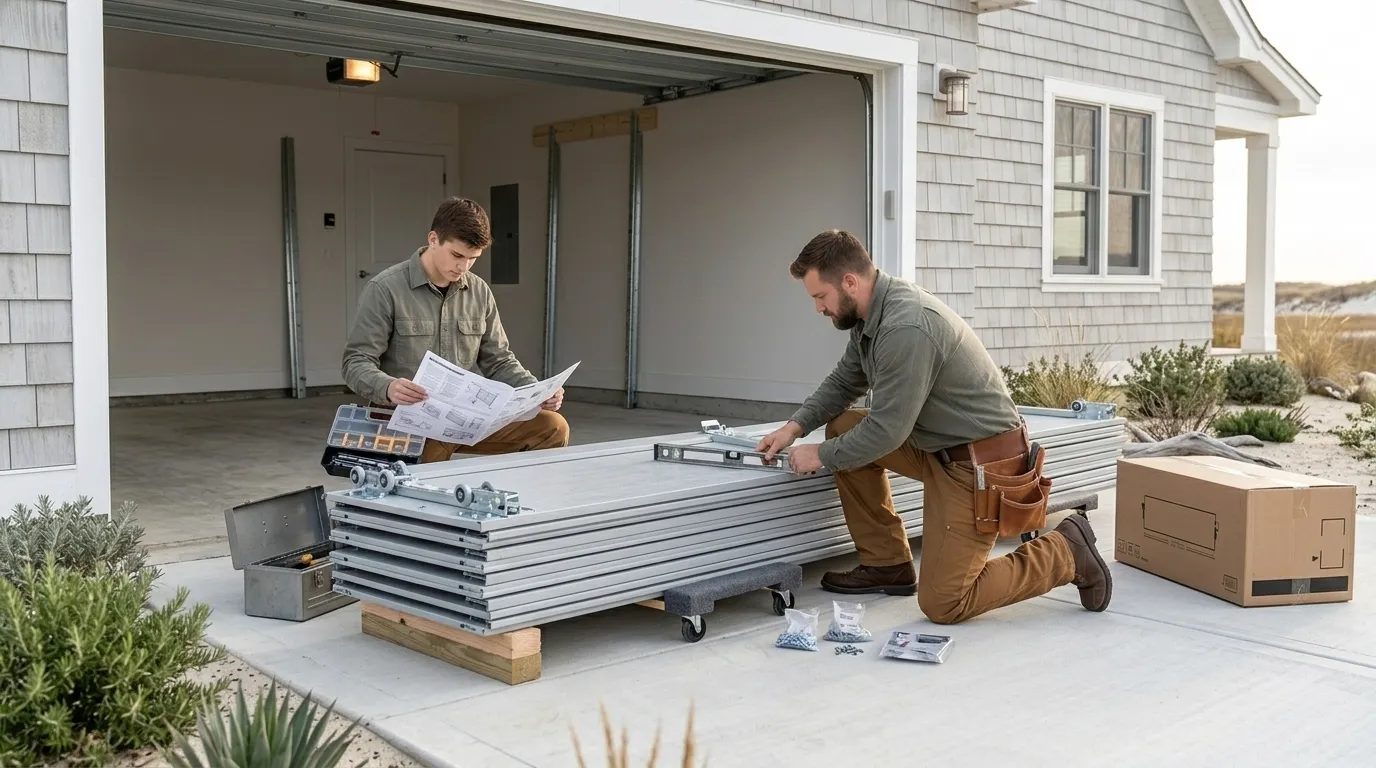
A straightforward spring replacement on a residential door doesn't keep you off the road for long once we're on site - most of the time on the call goes into unwinding and rewinding the old hardware safely, not into the swap itself. What stretches the timeline is parts. Newark's housing stock runs from 1938 through 2005, with a lot of it dating to the 1960s and 70s, and some of those original doors used torsion hardware sized differently than what ships standard today.
If your door is one of the newer builds from the 1990s or 2000s, we're usually working with common spring sizes we carry on the truck. If it's an older door on original track and drums, we may need to special-order a matching size, which adds days rather than hours. We'll tell you upfront which situation you're in before we start, not after.
How It Shows Up
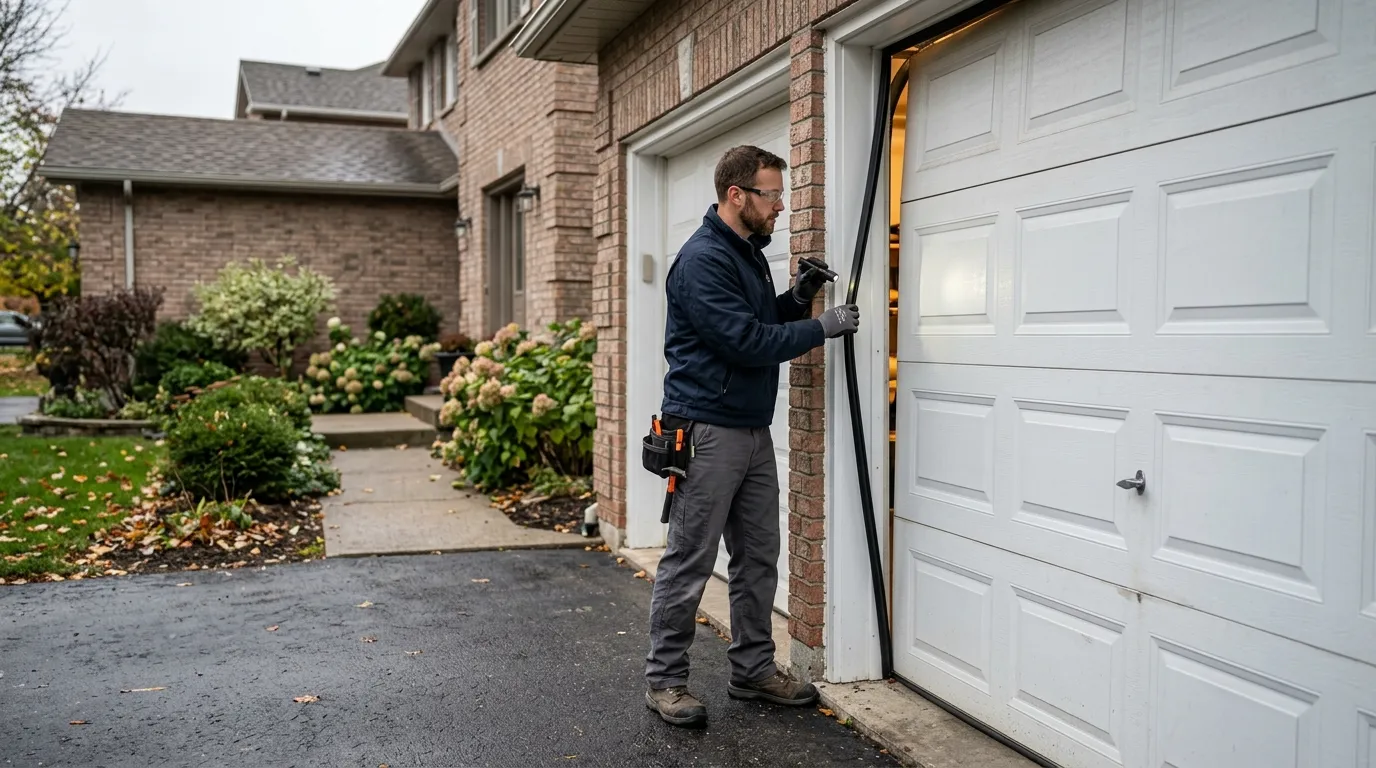
The door won't open, or it opens a few inches and stops - that's usually a spring gone, and the opener's safety sensors won't force it past that point. Sometimes it's quieter: the door feels heavier than it used to when you lift it by hand, which means a spring is losing tension before it fully lets go. A loud bang from the garage, especially on a cold morning, is almost always a torsion spring snapping under load.
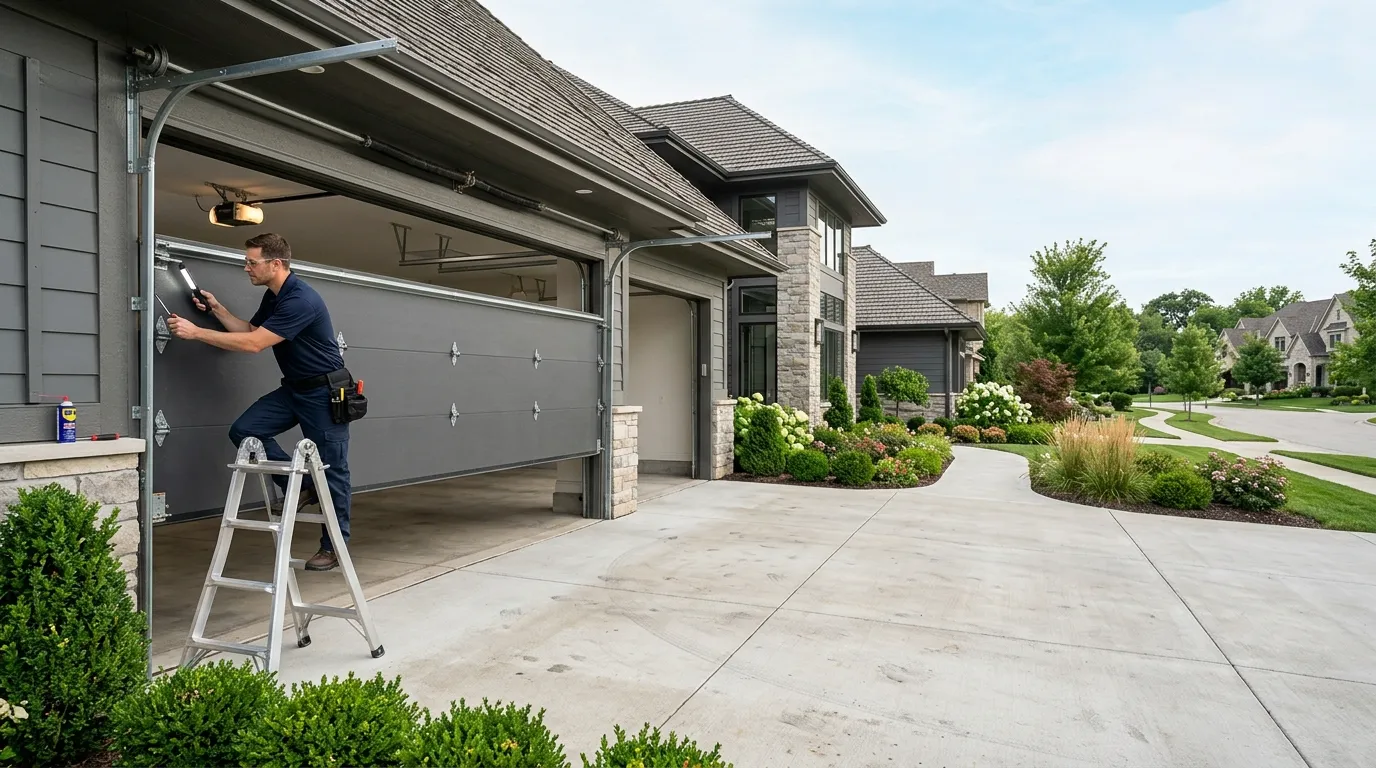
On older doors from the 1960s and 70s stock common in this area, we also see rollers and hinges seizing up before the spring itself fails, which puts extra strain on the opener and can burn out a motor that was otherwise fine. If your opener is straining, reversing partway, or making a grinding noise on the way up, don't keep running it - that's often the sound of hardware trying to compensate for a spring that's already failing. Call before it fails all the way and traps the door partway open.