What Was Built Here
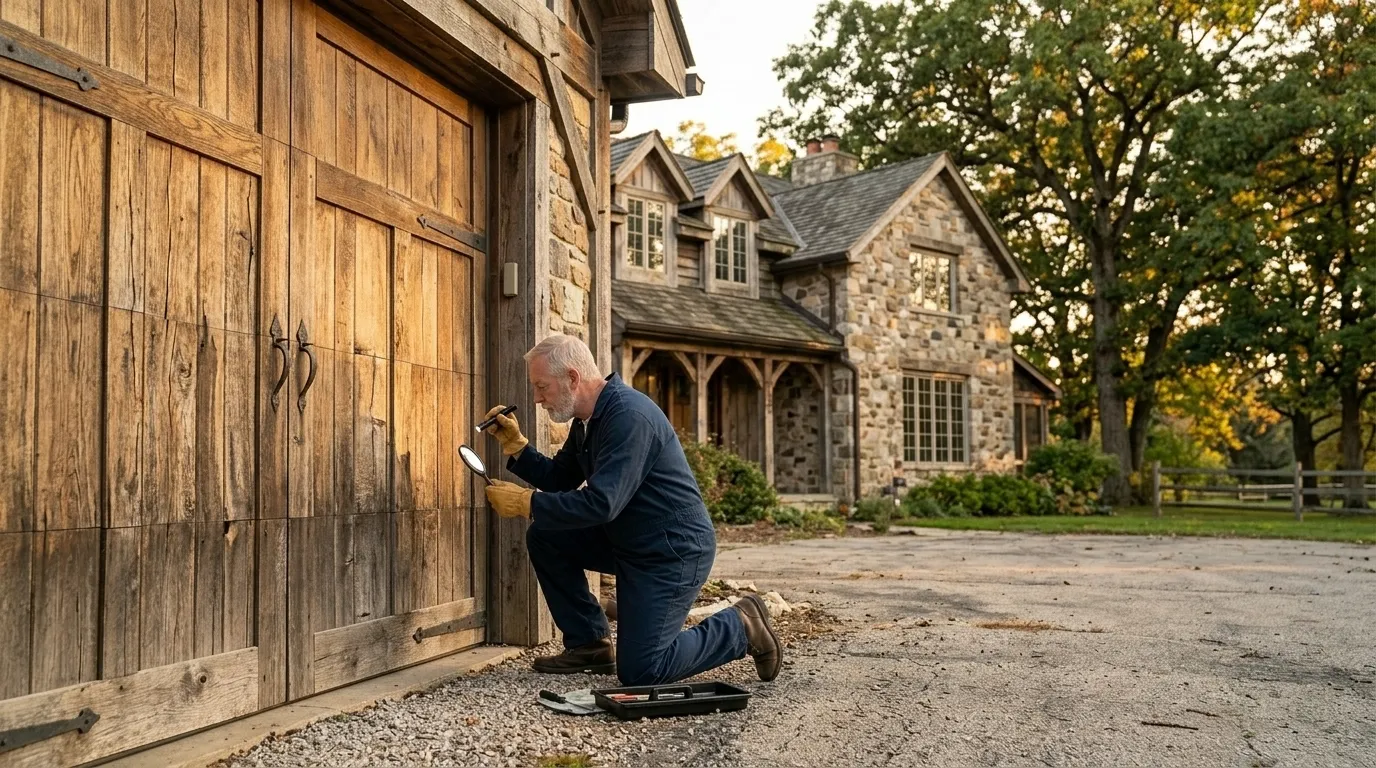
Alexandria's housing stock runs older than most of the territory we cover out of Newark. The median build year here is 1938, decades ahead of the 1976 median across the wider service area, where most houses date to the 1960s and '70s. That gap matters more than it sounds like it should. A door installed on a house built in the late 1930s or through the mid-century decades that followed was likely replaced or retrofitted at least once, sometimes twice, and the hardware from each era doesn't always match what came before it. We see mixed-vintage setups here more than newer subdivisions: a track from one decade, an opener from another, brackets that were never meant to pair with the spring system now bolted to them. With only 189 households in this immediate area, it's not a large market, but it's a consistent one for exactly this kind of patchwork repair.
Getting Here
Alexandria sits about 10 miles from our shop in Newark, one of the closer stops on our route through this part of Licking County. We don't keep a truck stationed here and we're not going to pretend otherwise - every job means a drive out from Newark, same as it does for Heath or Granville nearby. What that means for you: we schedule Alexandria calls in the same routing block as the other close-in areas, so a morning or afternoon window works better for both of us than a tight same-hour ask. It's a short enough haul that it rarely changes what we can get done in a visit, but it's worth knowing going in that this isn't a walk-up shop around the corner.
What We Do Most in This Area
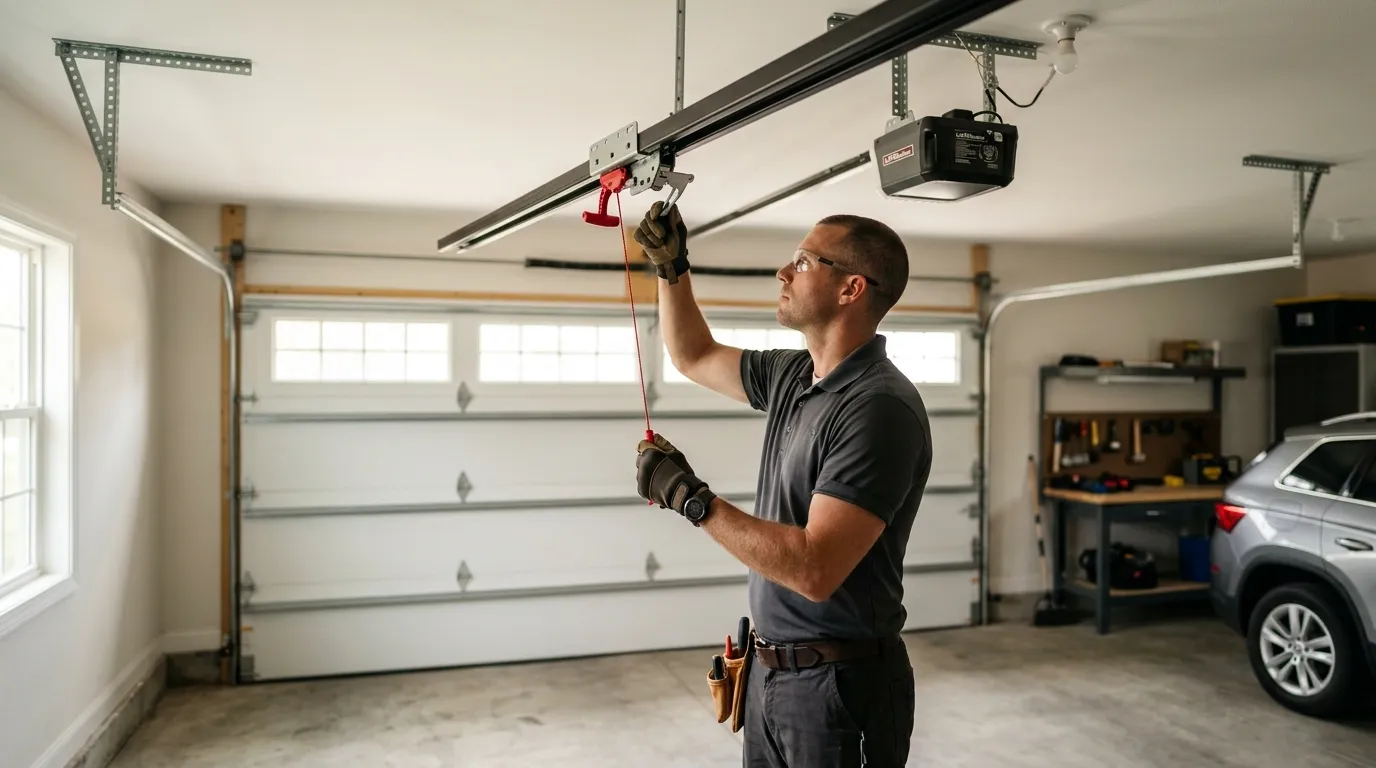
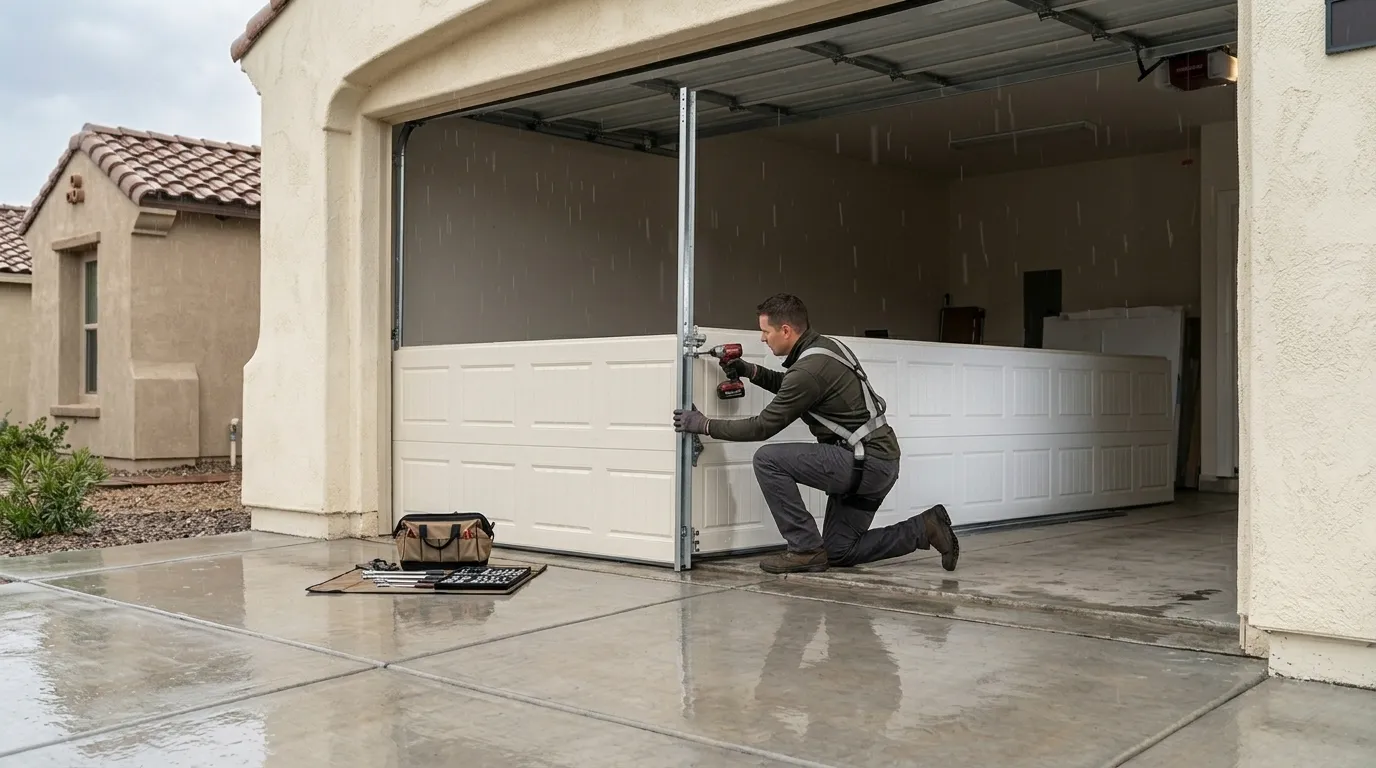
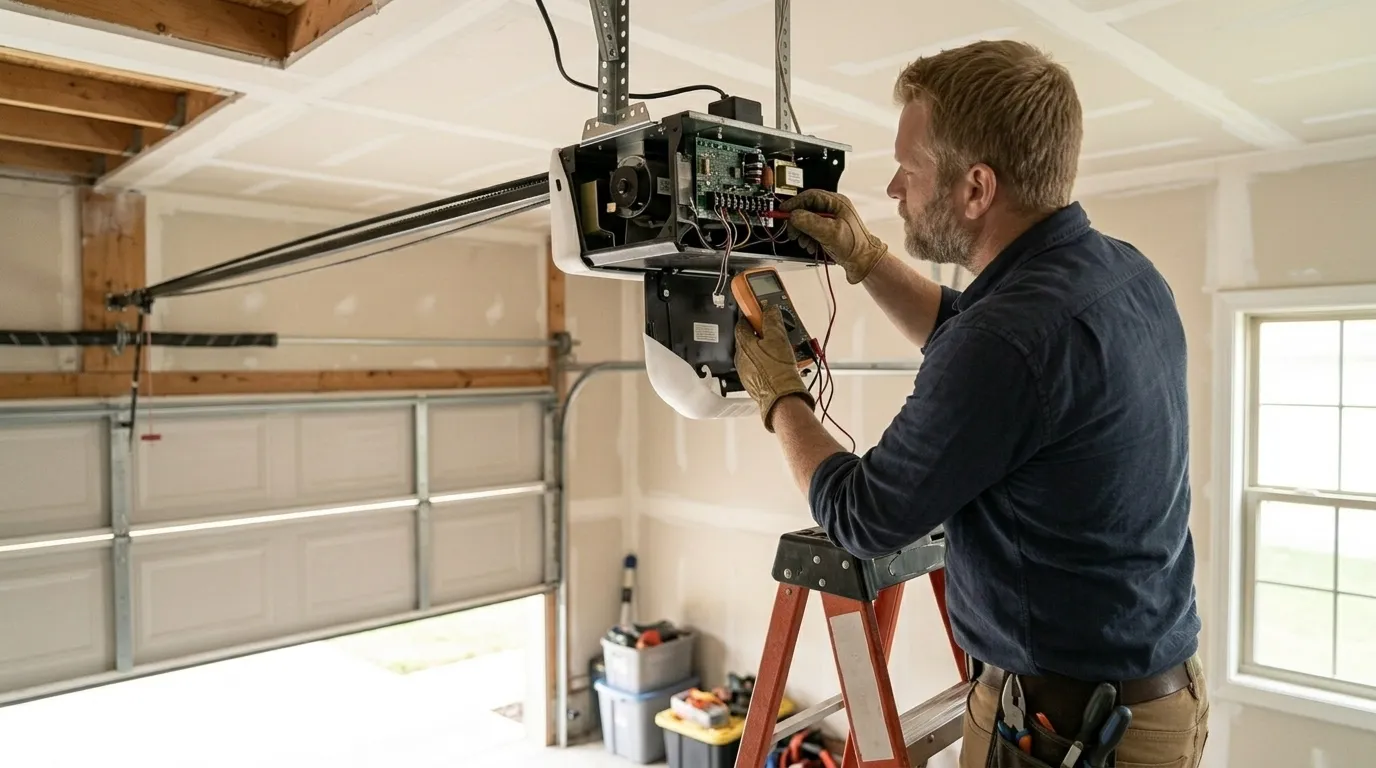
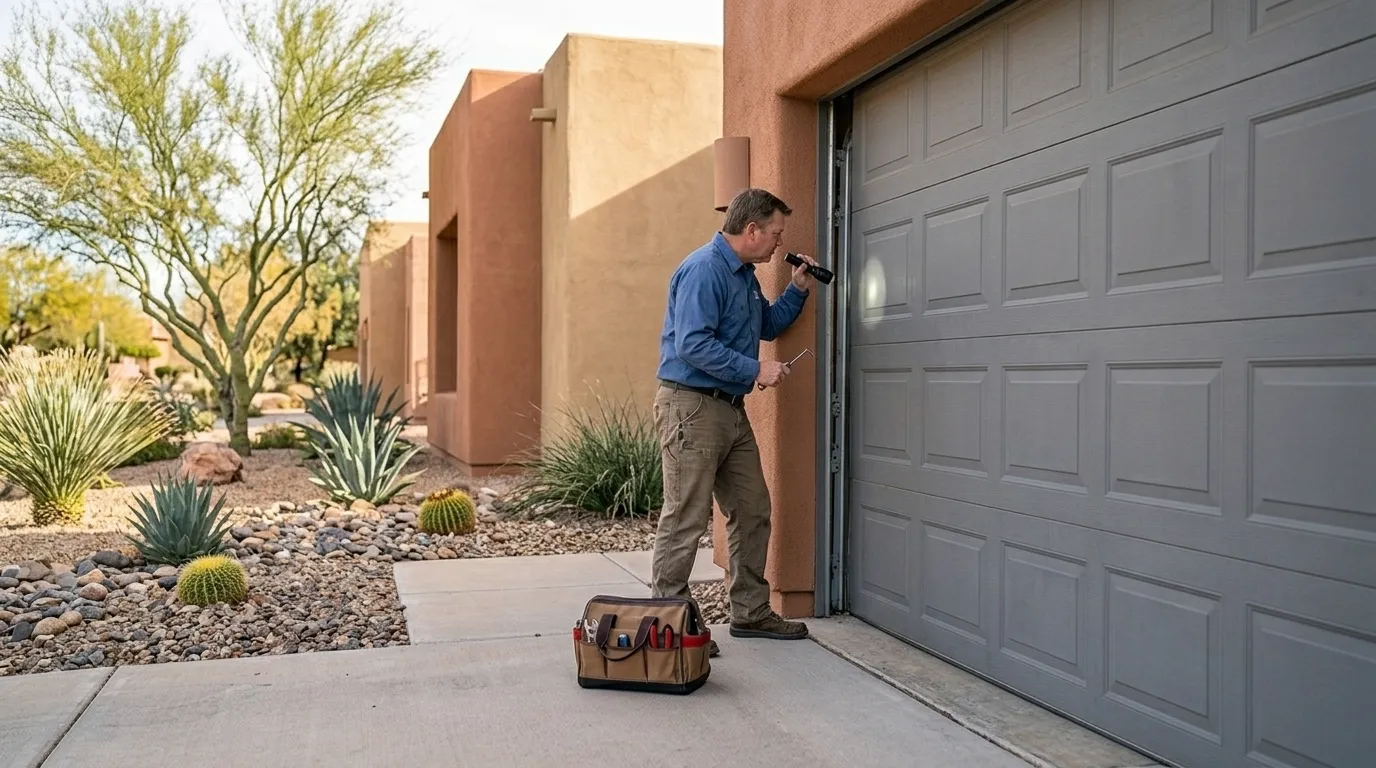
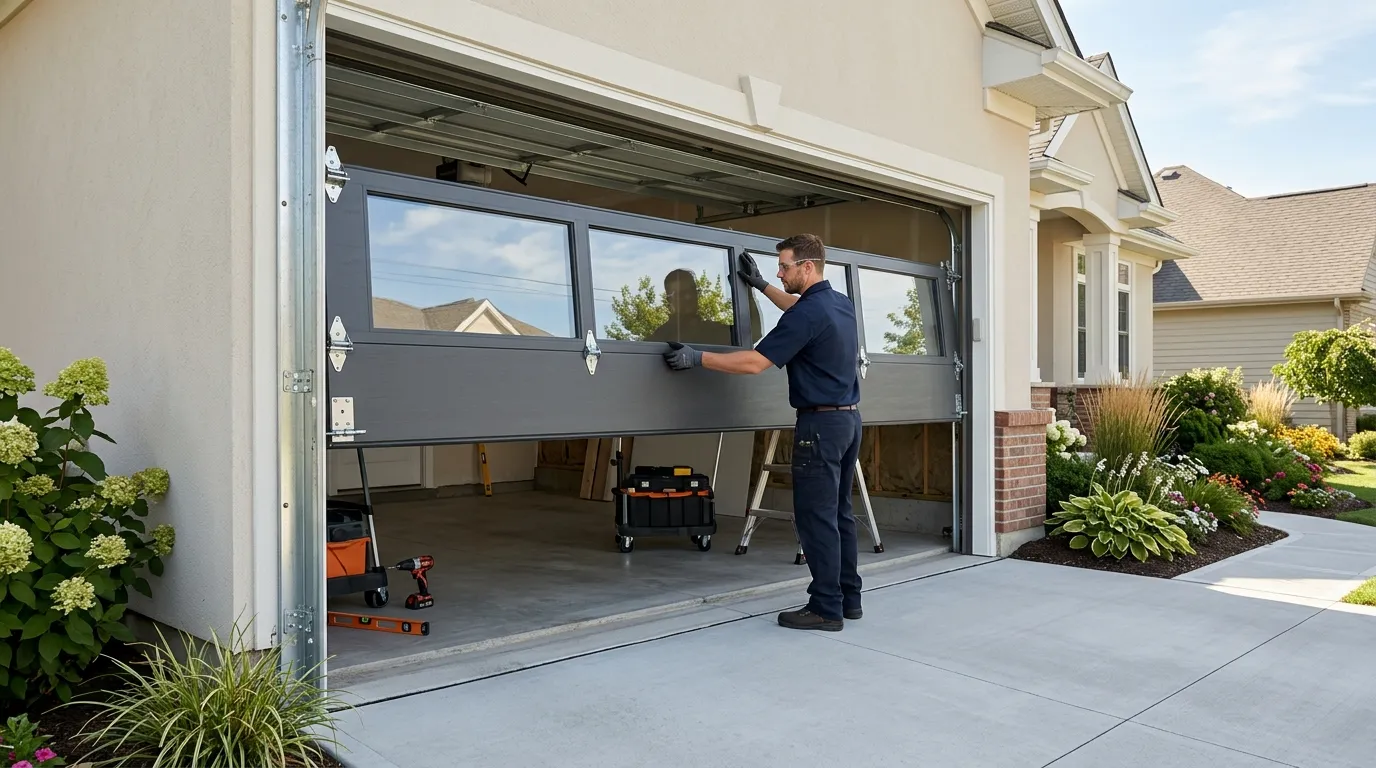
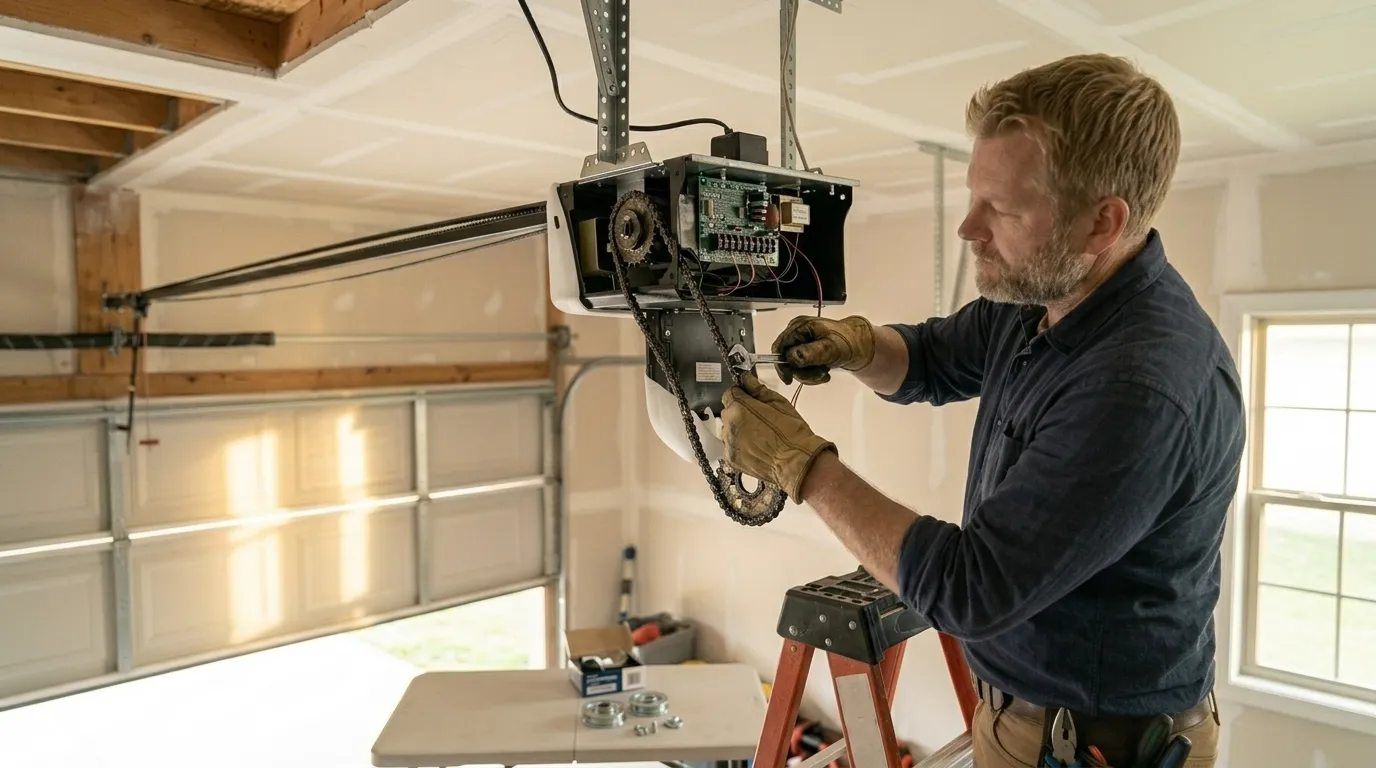
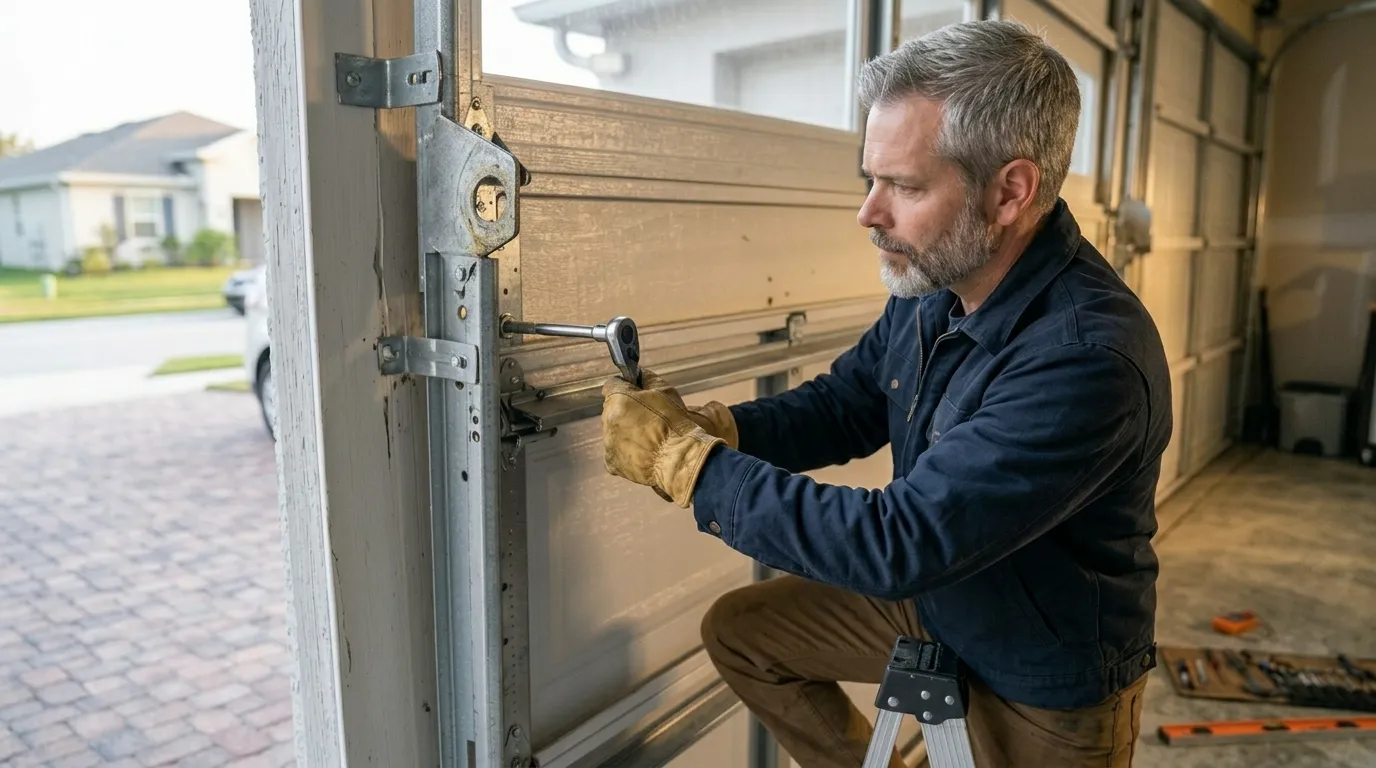
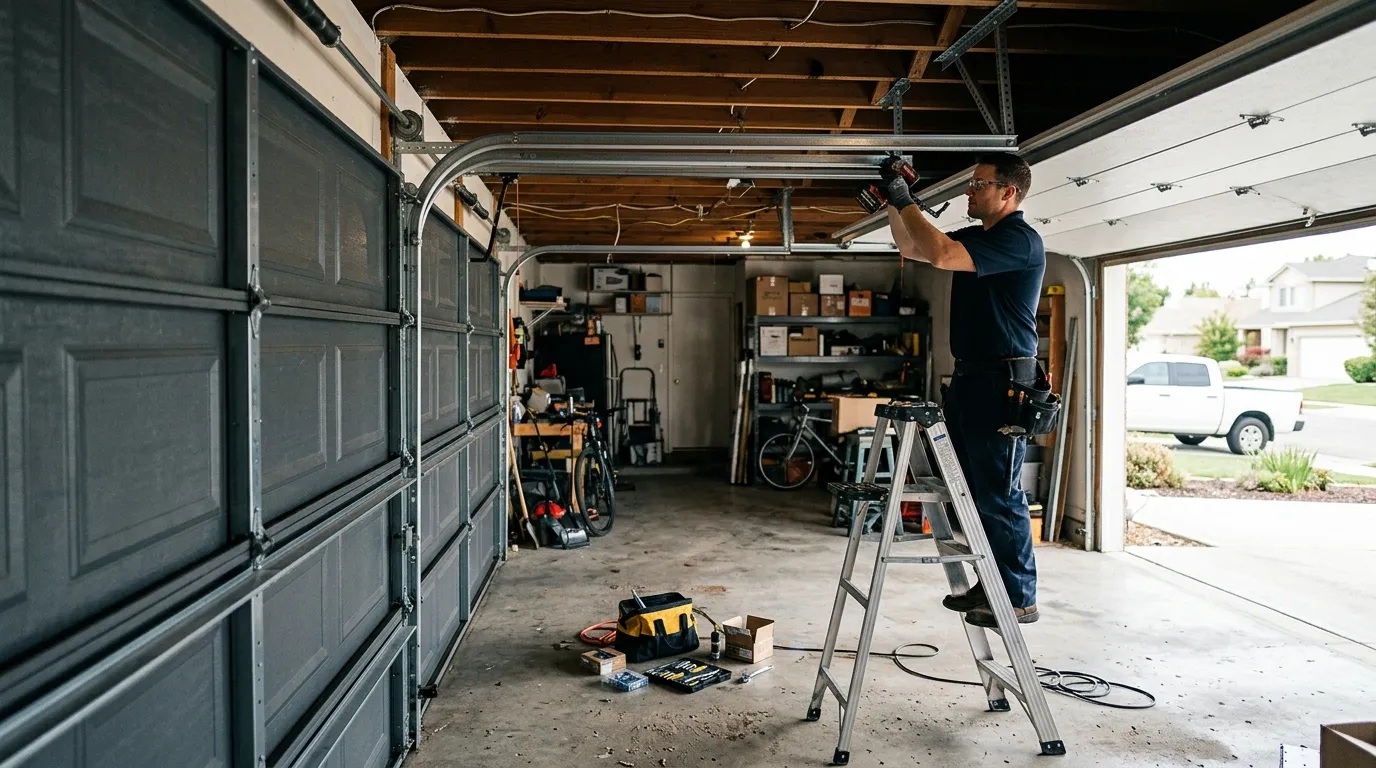
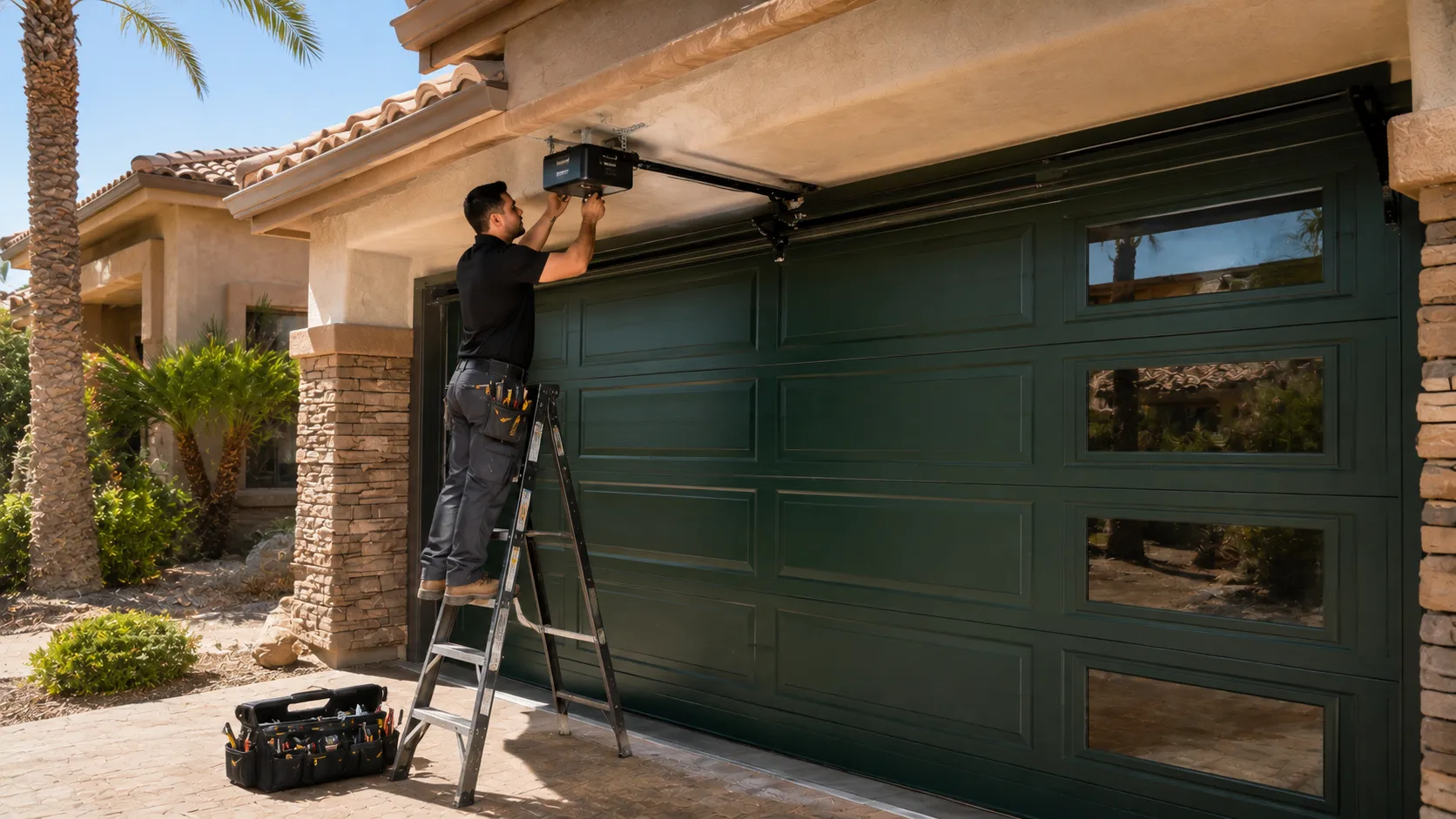
Given the age of the housing here, the calls we get from Alexandria skew toward spring replacement on original or early-replacement torsion systems, track realignment on doors that have shifted with decades of foundation settling, and opener swaps where the drive unit has simply outlived its motor. We also see more full door replacements here than in newer areas, since a door built to fit a 1938-era rough opening sometimes can't be economically repaired once the panels themselves are the failure point - at that stage patching costs more over time than replacing. One honest limit: if a part is a discontinued size specific to an older opening, we may need a few extra days to source or fabricate a fit, and we'll tell you that up front rather than promise a same-visit fix we can't back up. Median household income in this area runs around $93,125, and most of the repair work we quote here reflects full-system fixes rather than one-off part swaps, simply because of what the housing calls for.