What Was Built Here
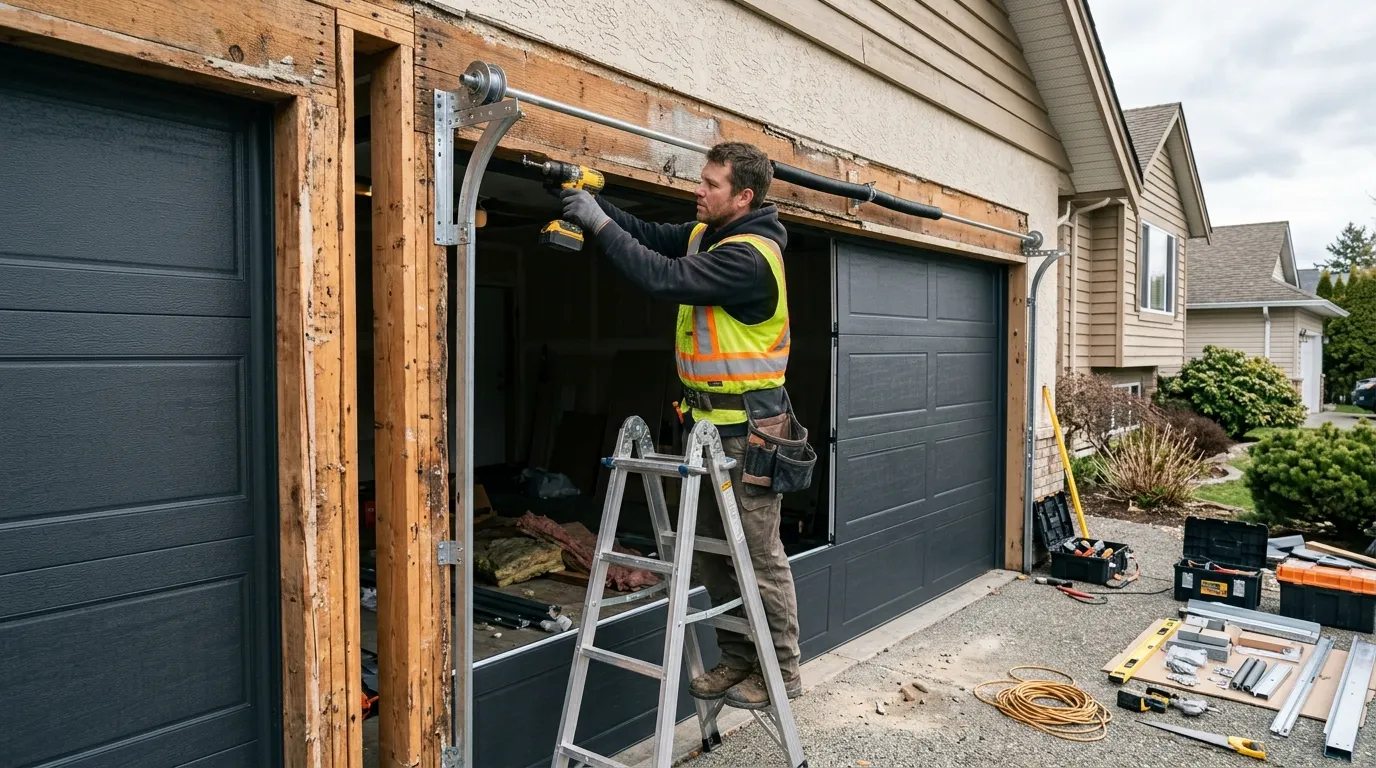
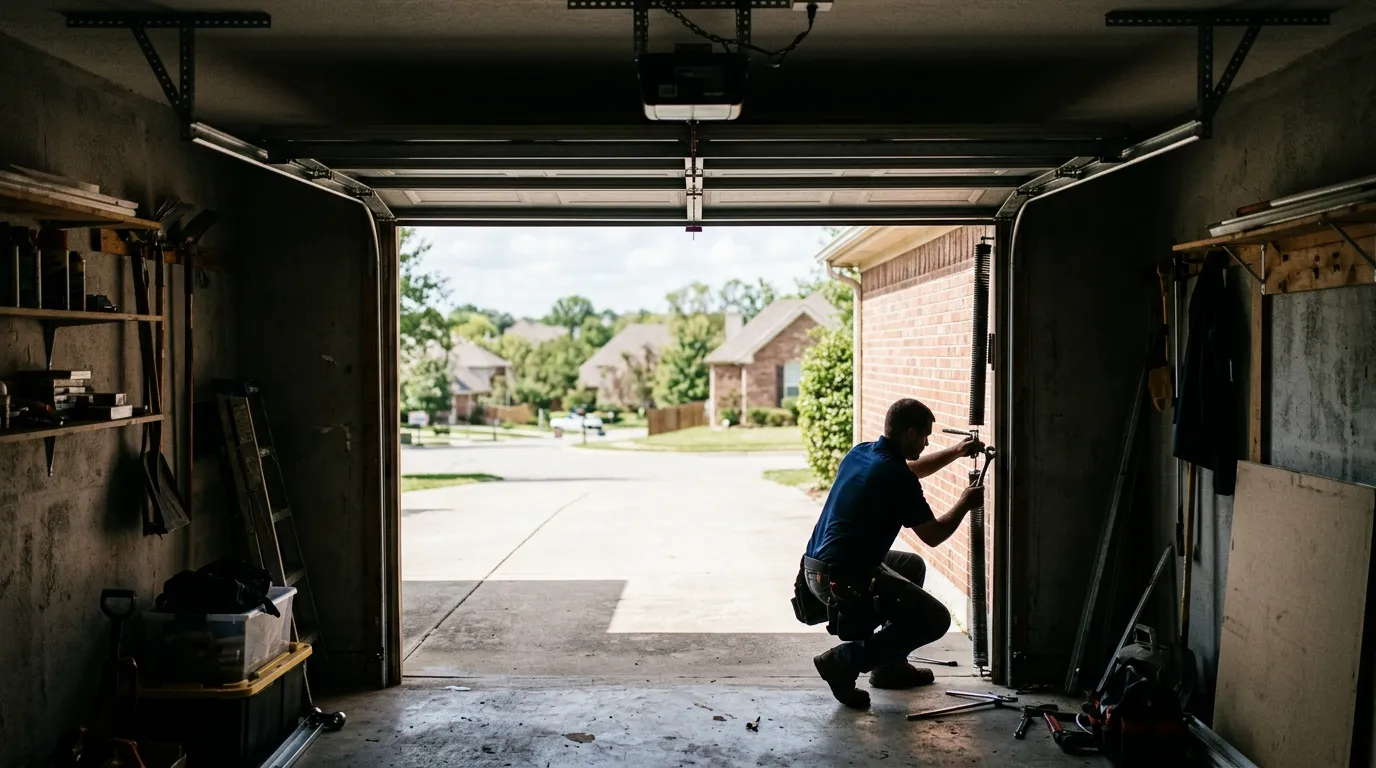
Hanover's houses cluster around a median build year of 1968, which puts this pocket ahead of the broader Newark service area, where the median lands closer to 1976. That's not a huge gap on paper, but it matters at the garage door. A house built in the late 1960s was very likely fitted with an extension-spring system rather than the torsion setups that became standard through the '70s and '80s across the rest of the coverage area. Extension springs run along the horizontal tracks instead of over the header, and they use a different set of safety cables that a lot of newer techs don't expect to find on a first look.
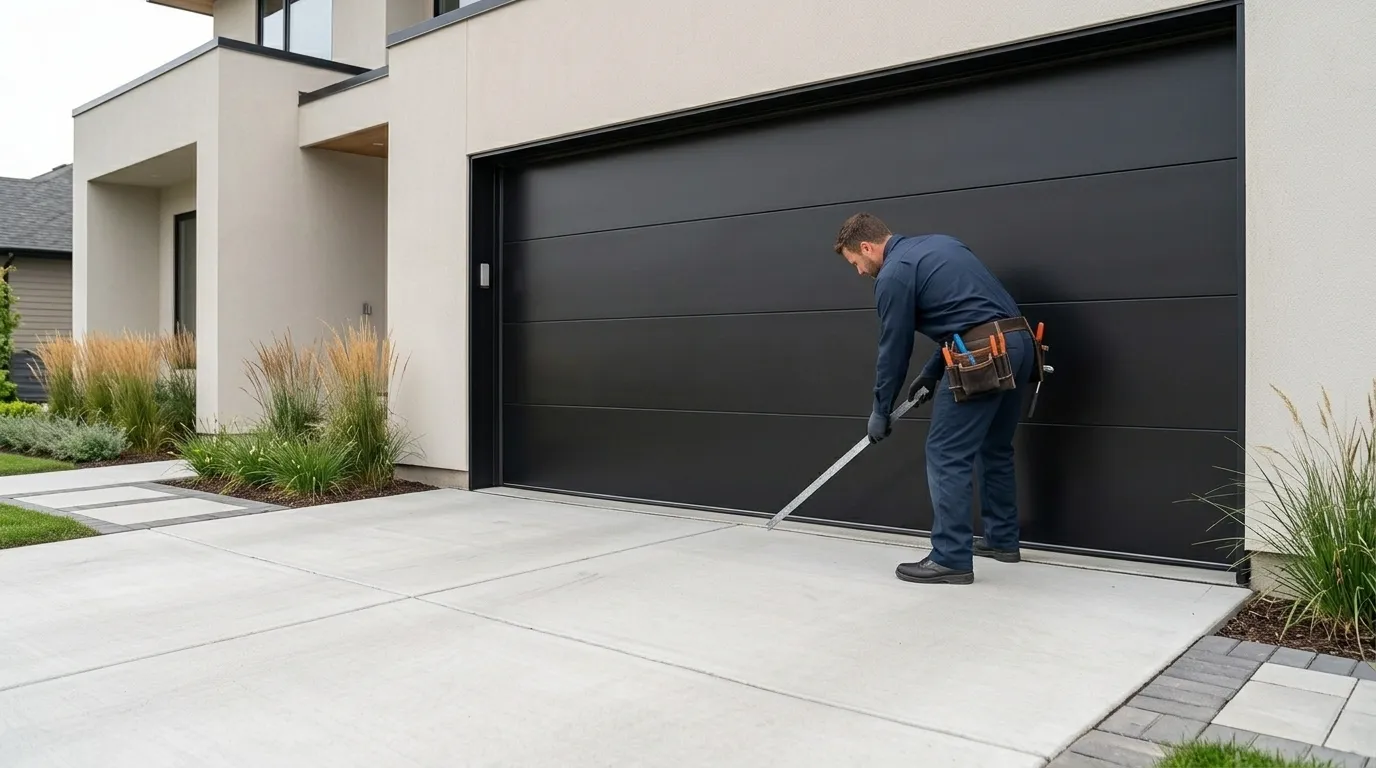
With only 439 households in Hanover, this isn't a subdivision that got built out in one developer's push. Homes here tend to be older, one-off builds rather than tract housing, which means more variation door to door - different track widths, different header clearances, doors that were swapped once in the '90s and never touched again. We don't guess at what's behind the trim; we look at what's actually there before quoting anything.
Getting Here
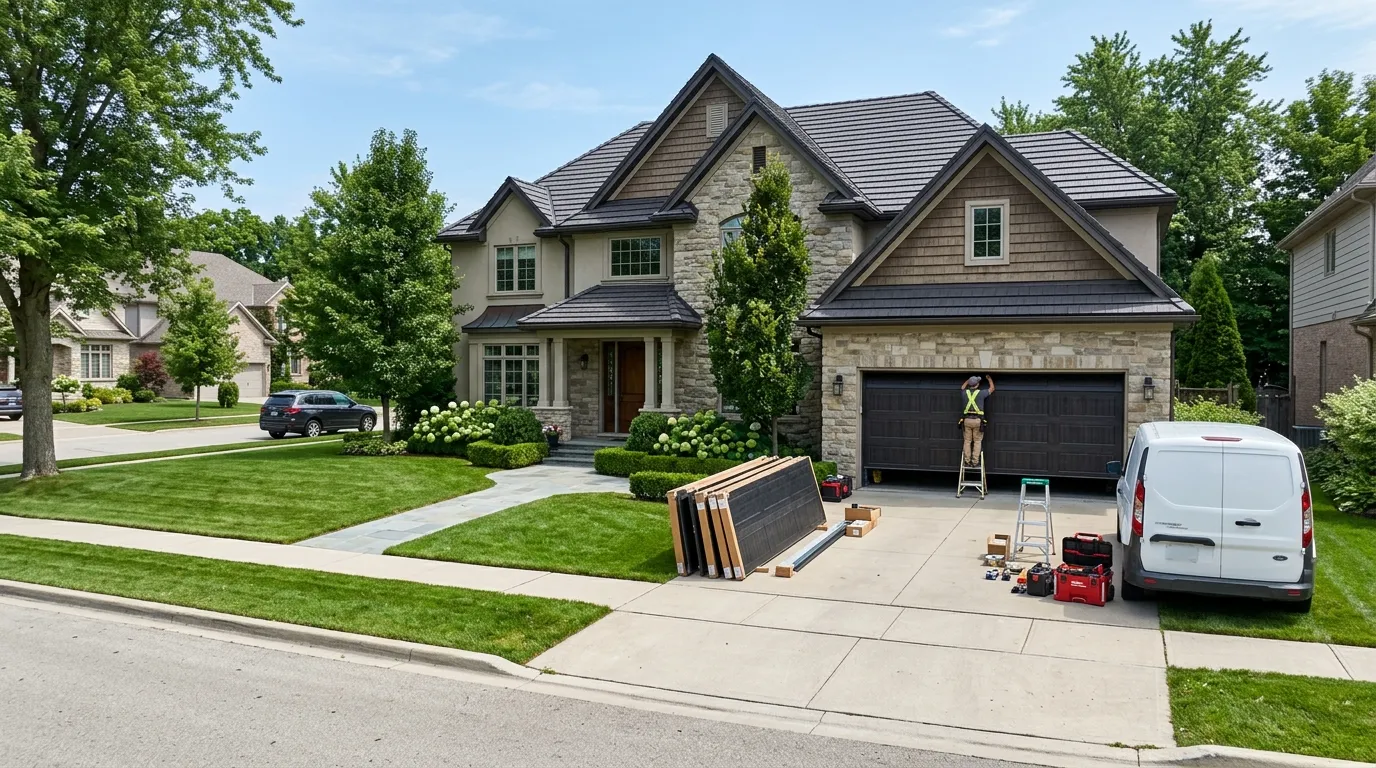
Hanover sits about 8 miles from our shop in Newark. It's close enough that a same-day call is realistic on most days, though we don't promise a fixed arrival window - we're honest that travel time and the day's job list both factor in. We also work Heath, Granville, and the other towns inside roughly 20 miles of Newark, so a truck making its way through the area isn't a rare event.
We don't keep a second location or drop point out this way. Every job here starts from Newark, which is worth knowing if you're calling with something urgent - we'll tell you straight whether we can get out the same day or whether it makes more sense to schedule for the next one.
What We Do Most in This Area
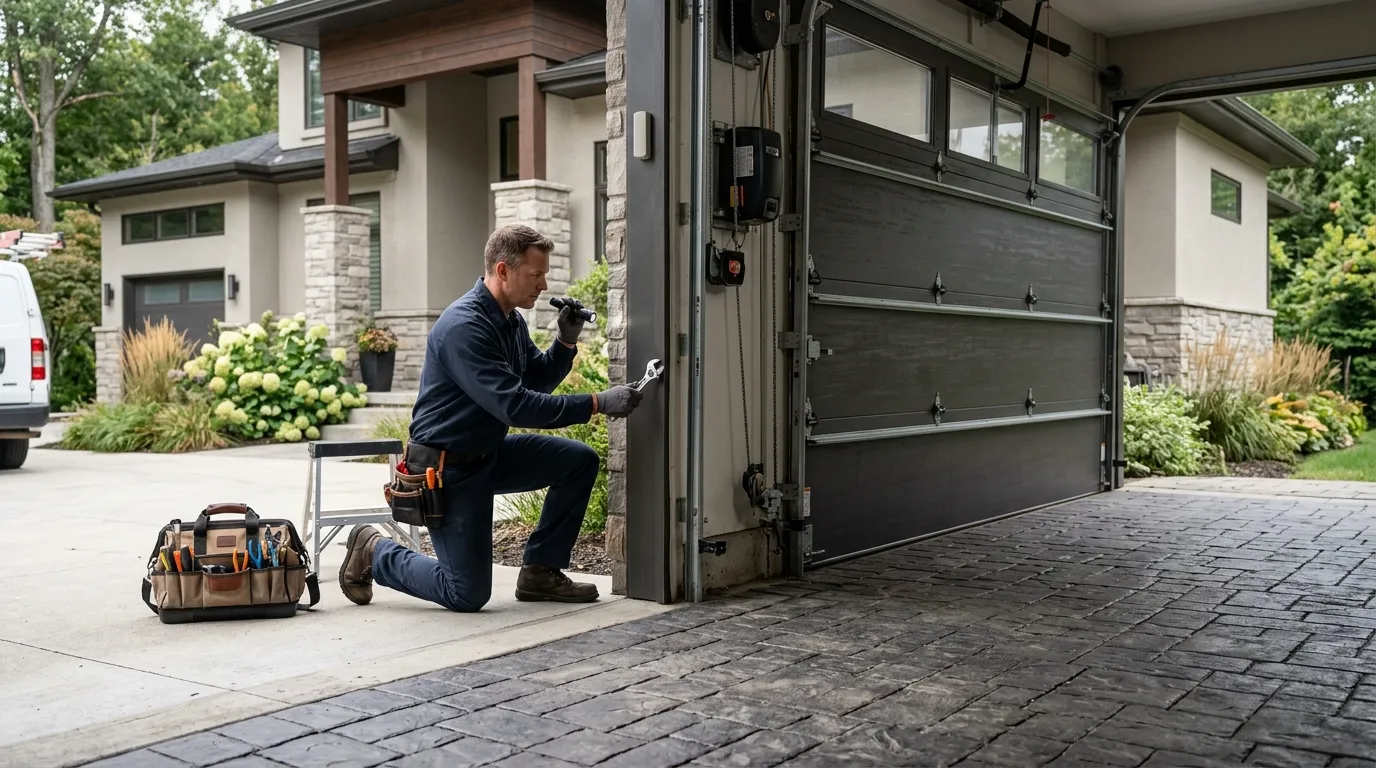
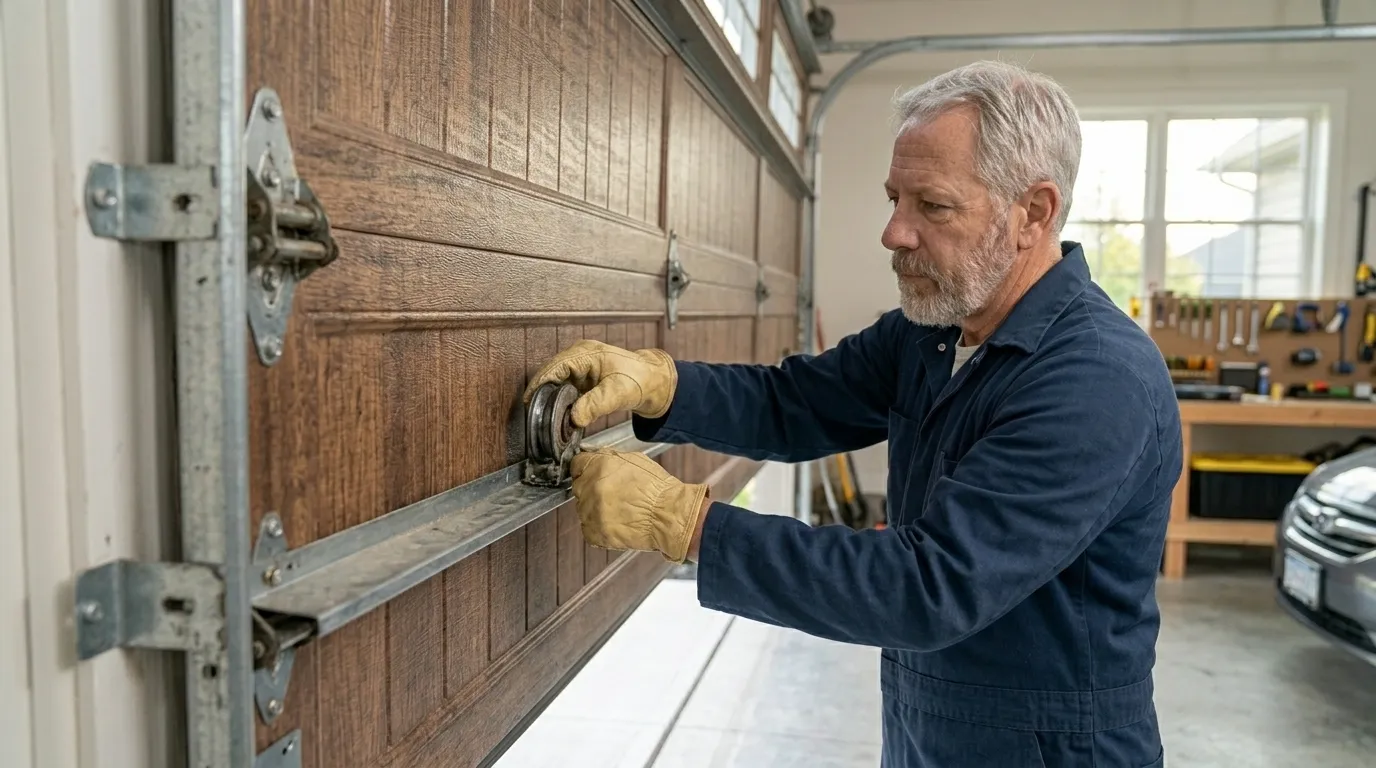
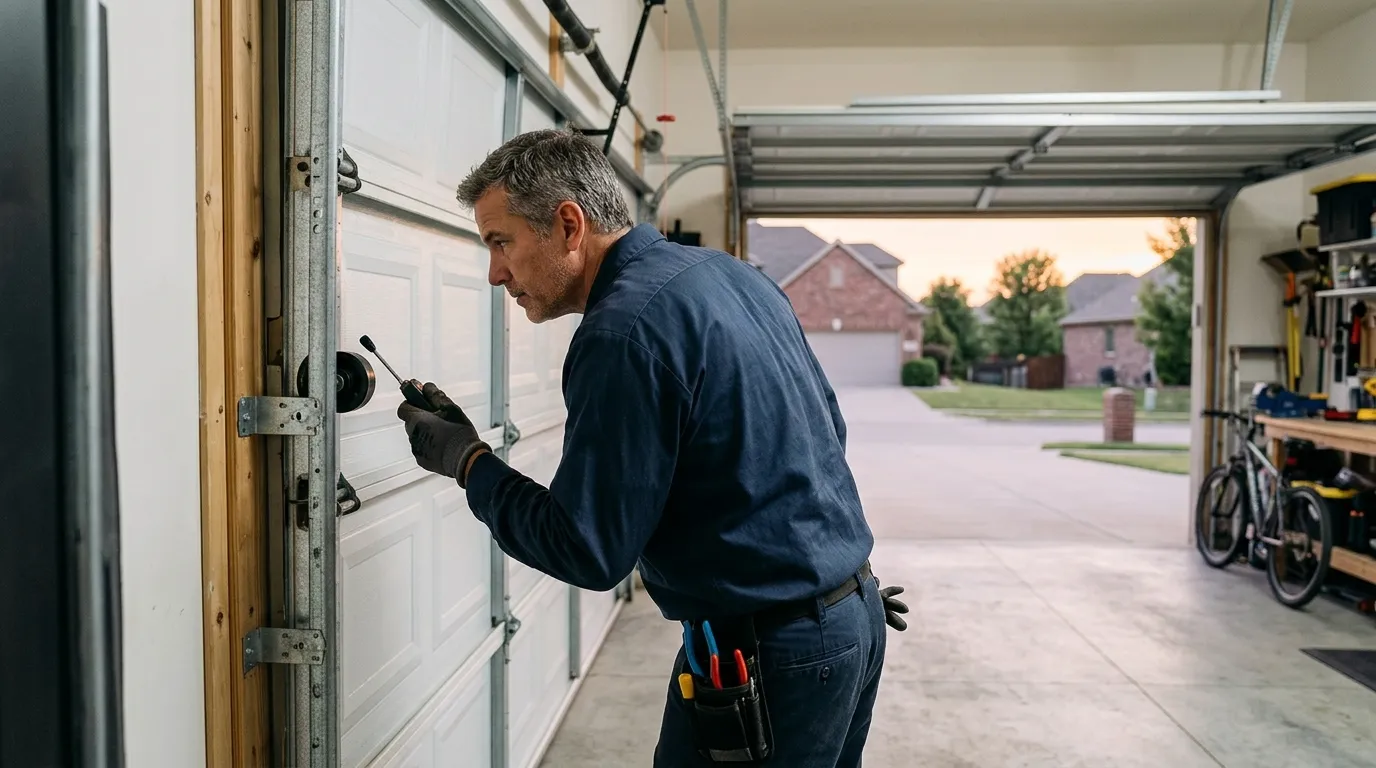
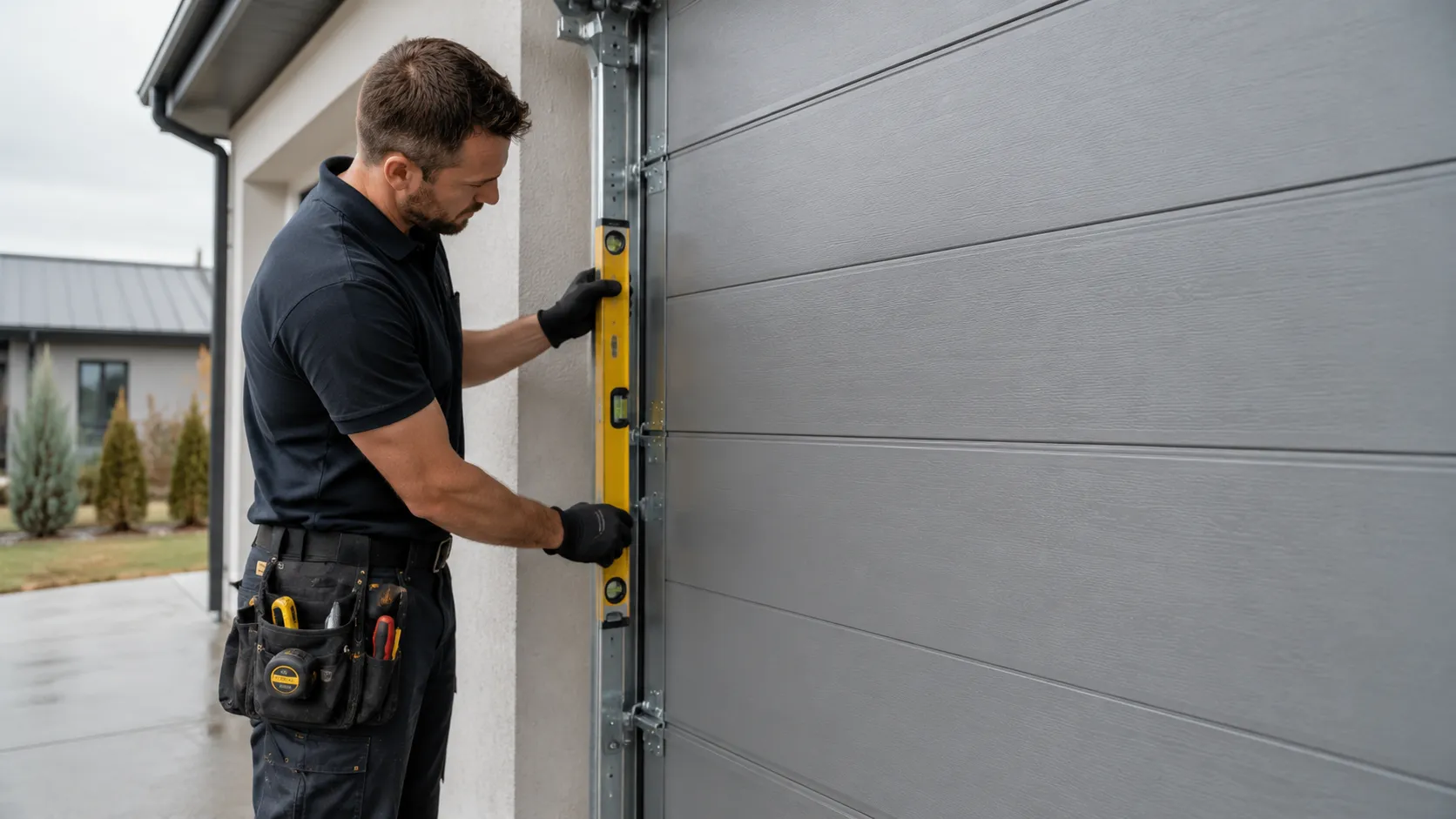
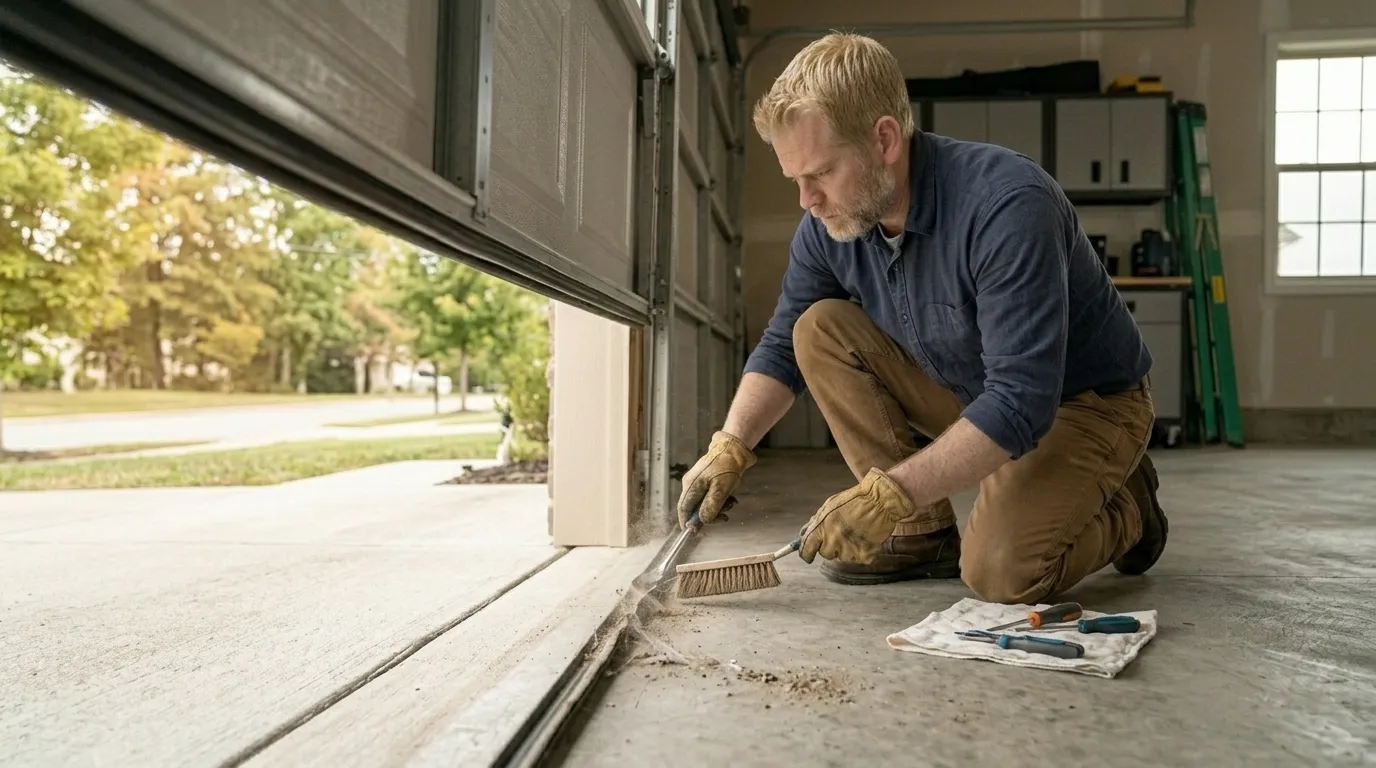
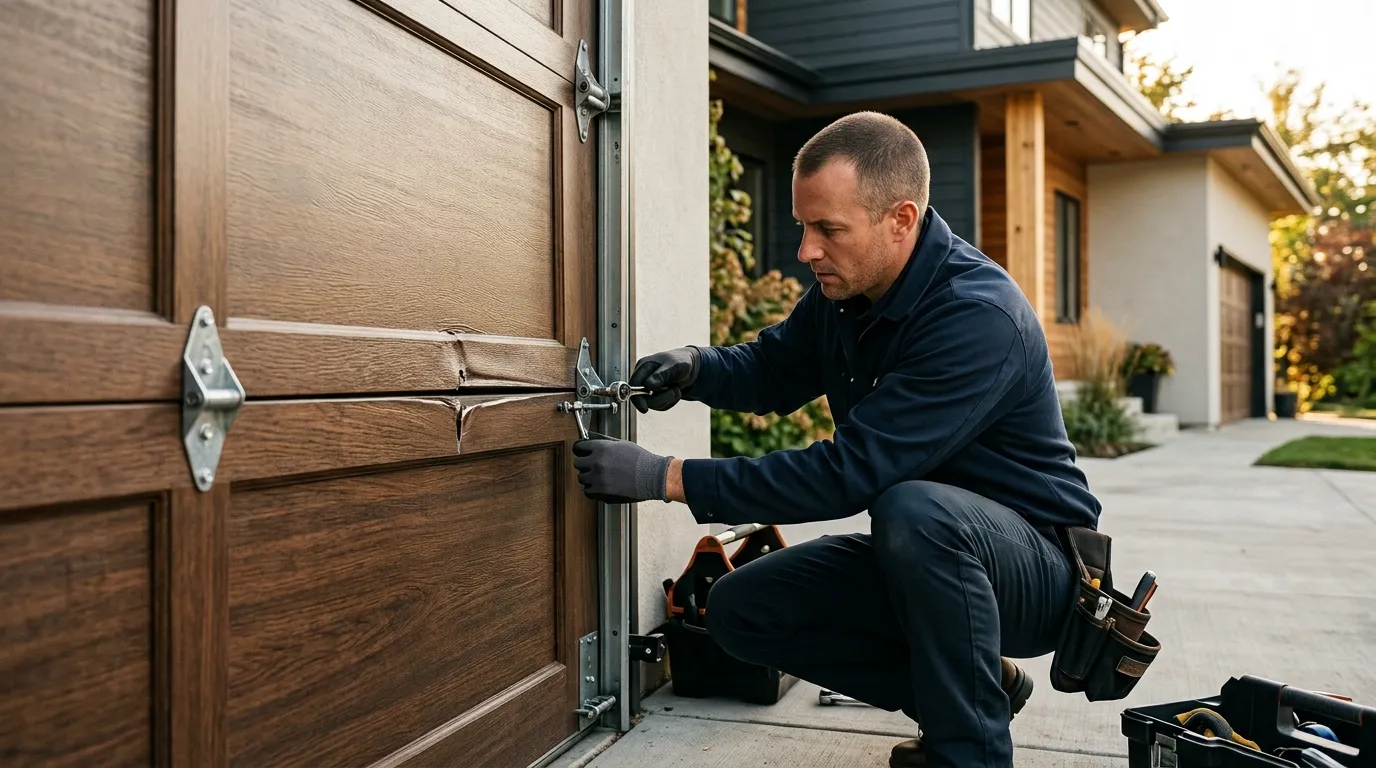
Given the age of the stock here, the calls we run most often in Hanover are extension-spring replacements, worn pulley and cable swaps, and track realignment on doors that have shifted slightly as the house has settled over the decades. Cold-weather callouts are common too - this area sits in the same severe cold climate band as the rest of our coverage, and old steel track brackets get brittle and pull loose from the jamb faster once temperatures drop hard.
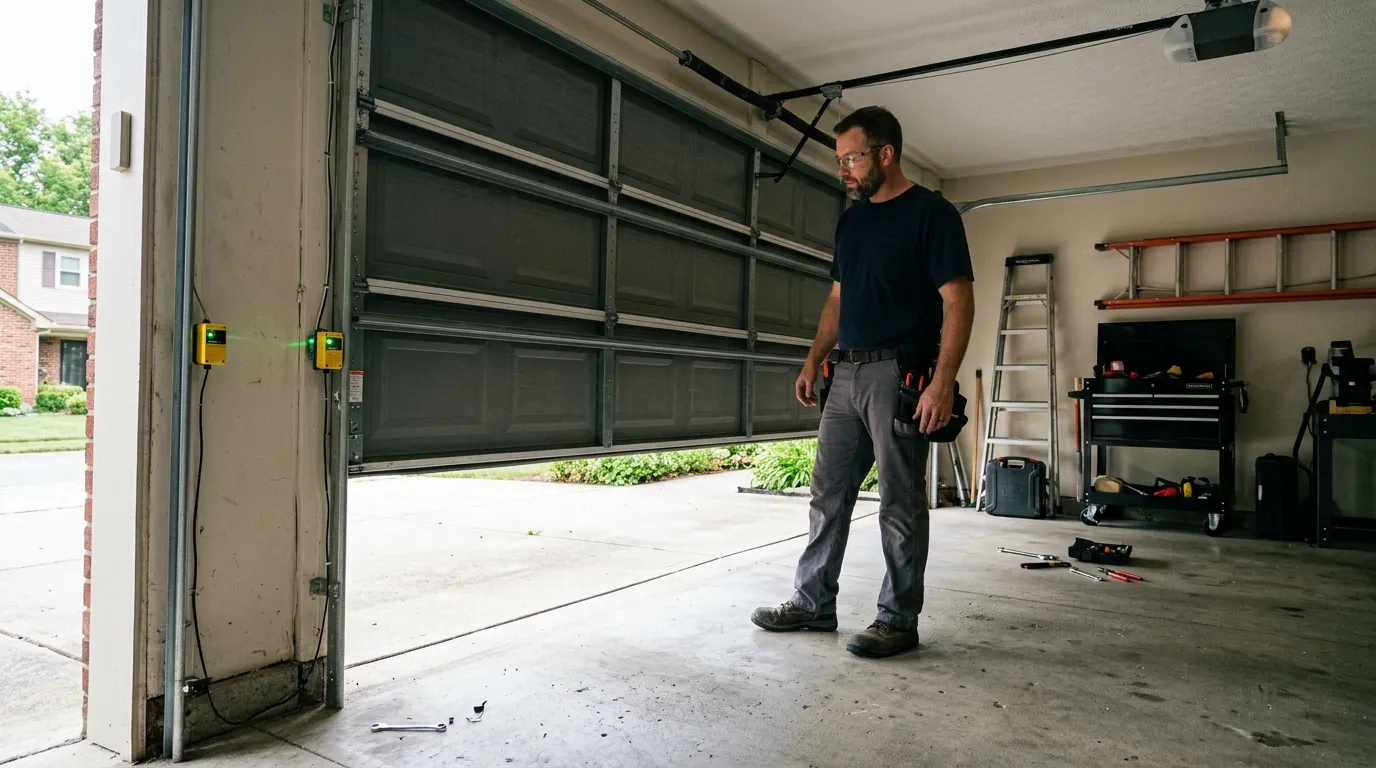
We also see a fair number of opener retrofits: owners adding a modern opener to a door frame and track system that predates powered openers by a decade or more. That's a straightforward job, but it does mean checking that the door itself can handle the extra cycling before we hang anything new on it. What we don't do is push full door replacement on a structurally sound original door just because it's old - if the panels and track are solid, a repair usually costs less and lasts fine.