What Was Built Here
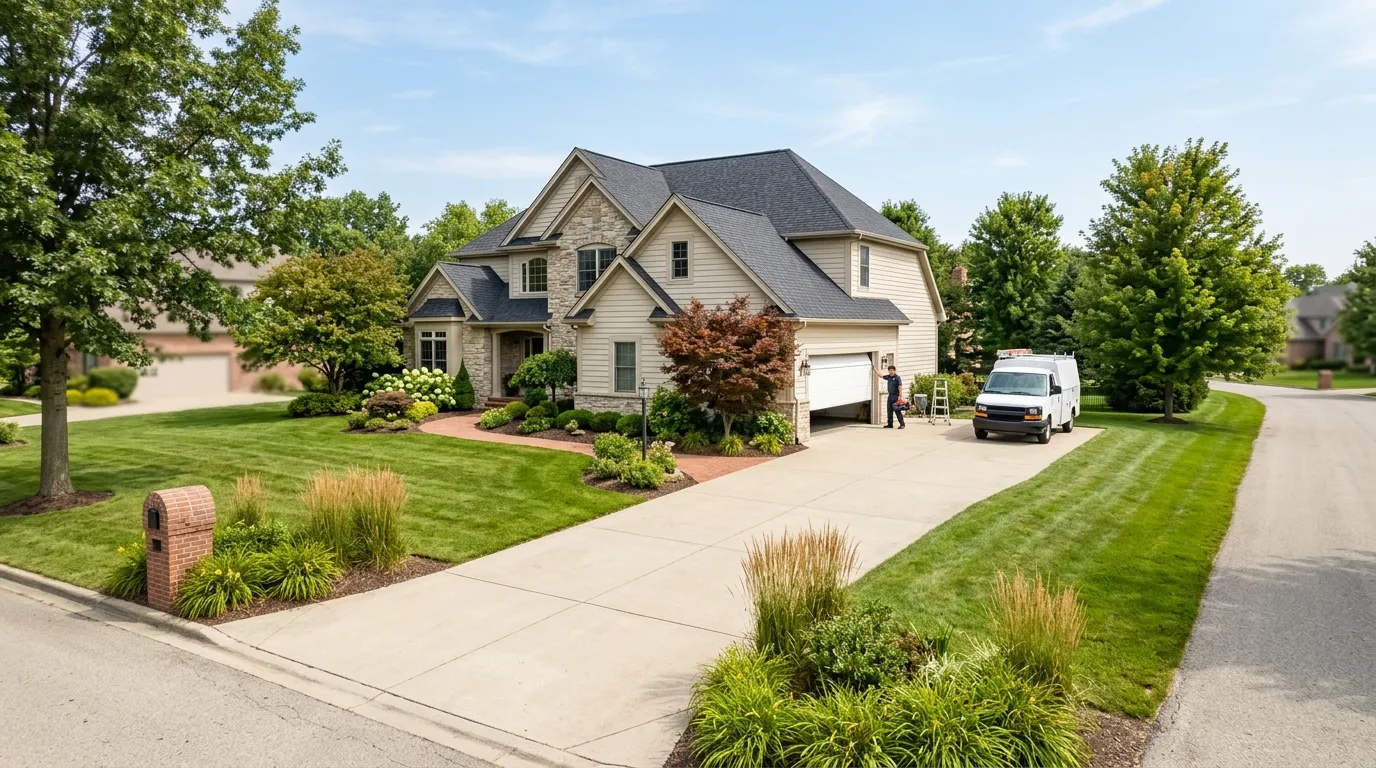
Buckeye Lake's homes cluster tight around 1975, which lines up closely with the 1976 median for the whole area we cover, a stretch of housing that runs from 1938 up through 2005. That matters more than it sounds like it should. A door and opener installed in the mid-1970s is nearing the far end of its working life, and a lot of the original hardware is still out there because nobody's had a reason to touch it. Buckeye Lake itself is a small pocket, 1,087 households by the numbers we have, smaller than most of the other areas we work in. That's not a knock on the place, it just means fewer doors, fewer calls, and a housing stock that skews toward smaller, older structures rather than the newer subdivisions you'll find closer to Newark. Median household income here runs $75,179, below the $91,819 median across our broader coverage area, which tends to track with how long people keep an original door running before they call about it instead of replacing it outright.
Getting Here
We run out of Newark, and Buckeye Lake is about 10 miles out from there. It's a straight enough drive, not a detour we tack onto another job, so a call from Buckeye Lake gets the same truck and the same tech as anywhere closer in. We don't keep a second location or a drop box out this way, everything comes from the Newark shop, which is worth knowing if you're calling about something urgent late in the day. We're not going to promise a same-hour arrival we can't back up. What we can tell you is the distance itself doesn't change how we price or handle the job once we're there.
What We Do Most in This Area
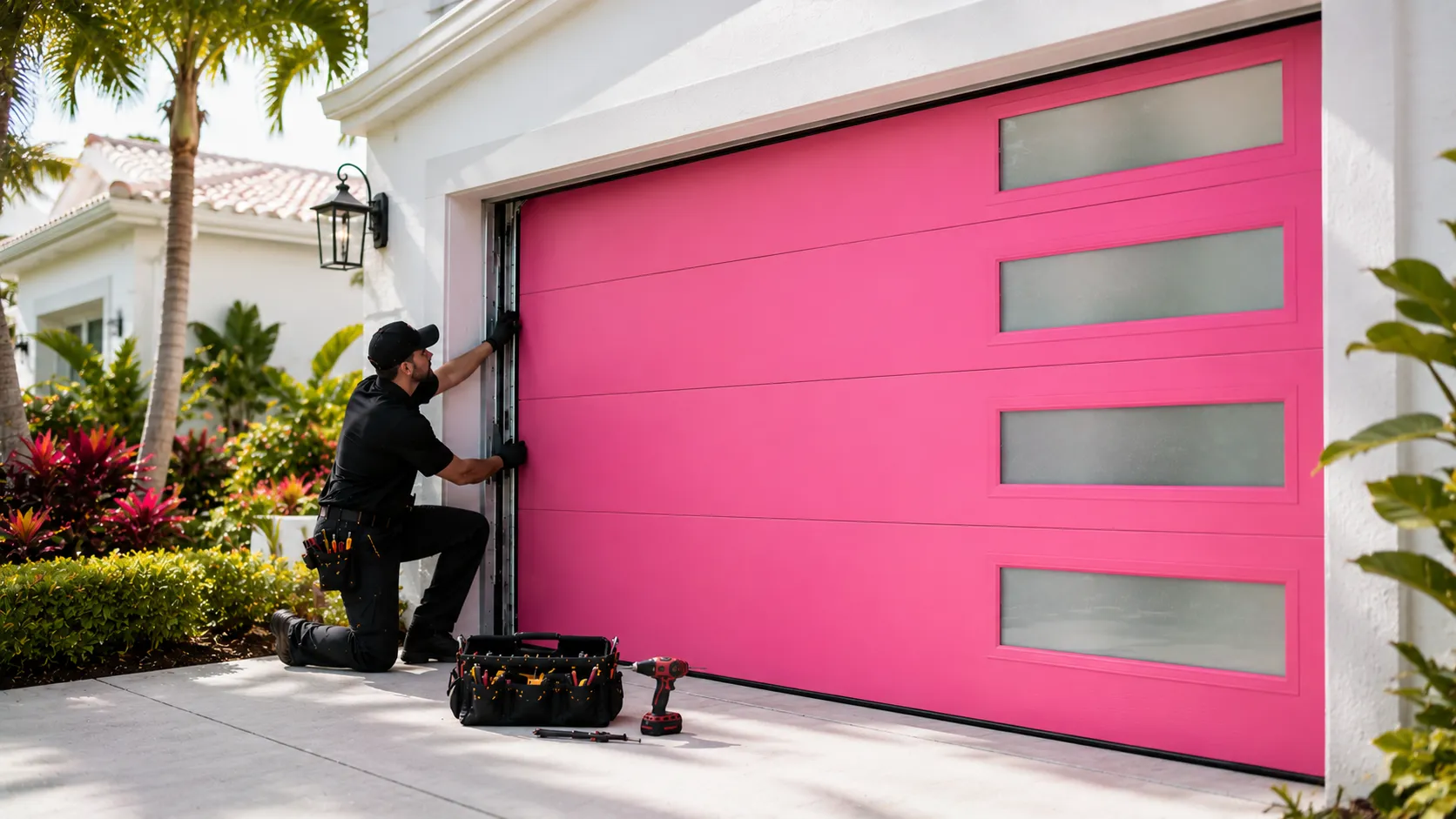
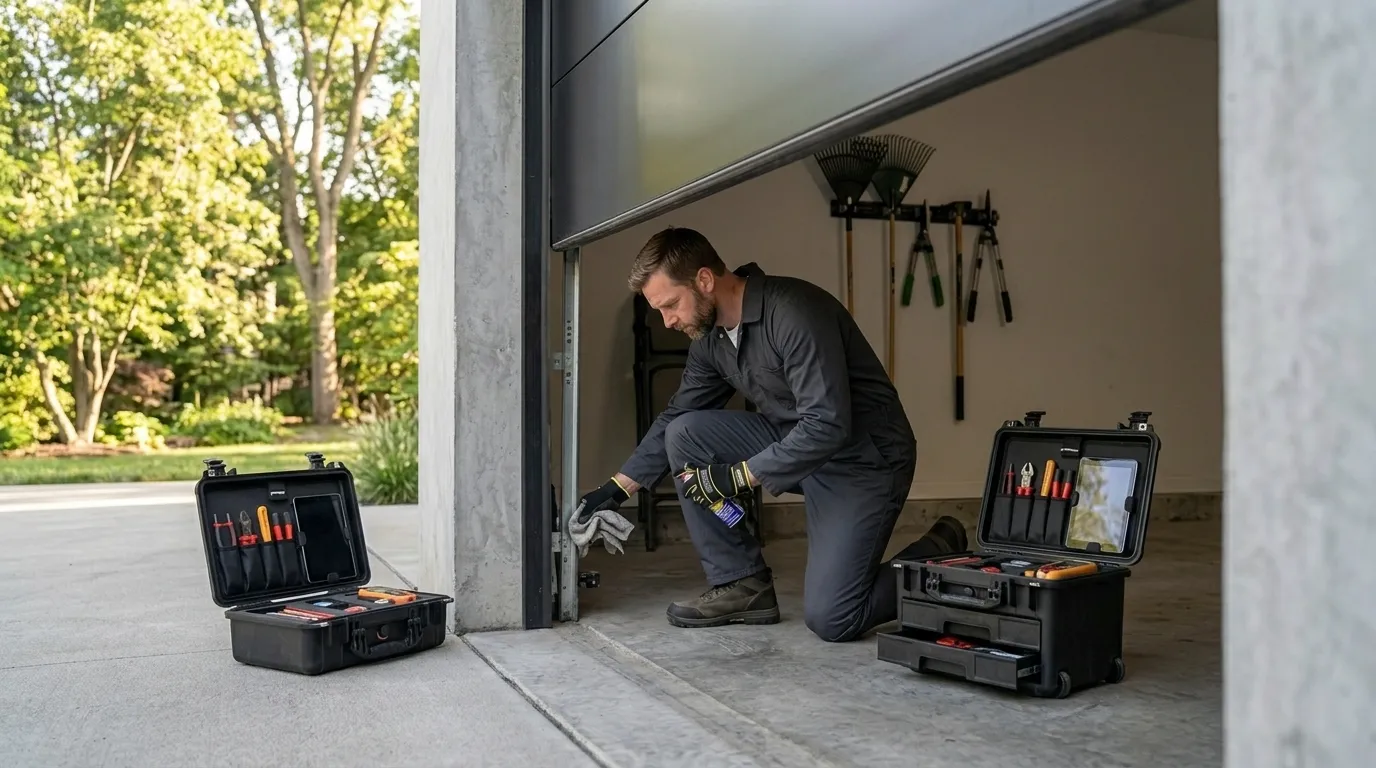
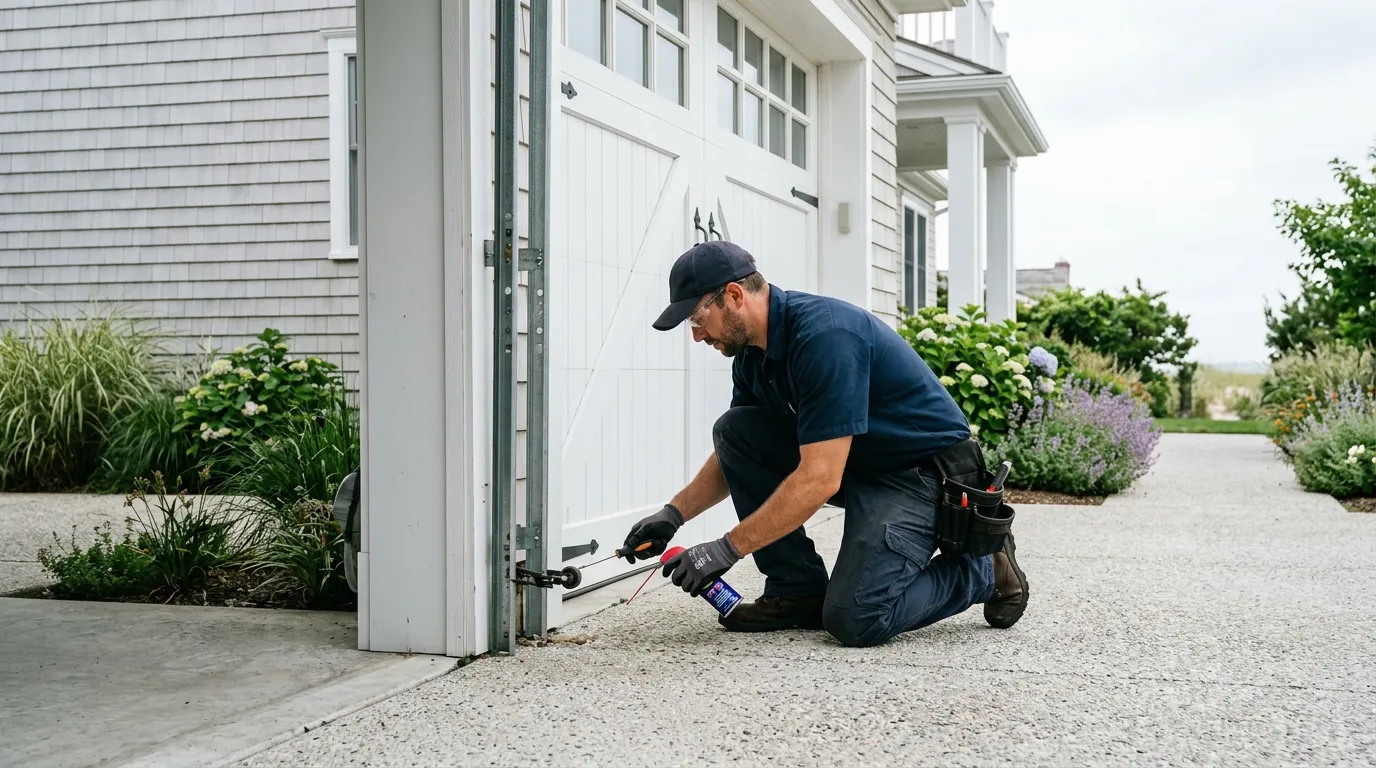
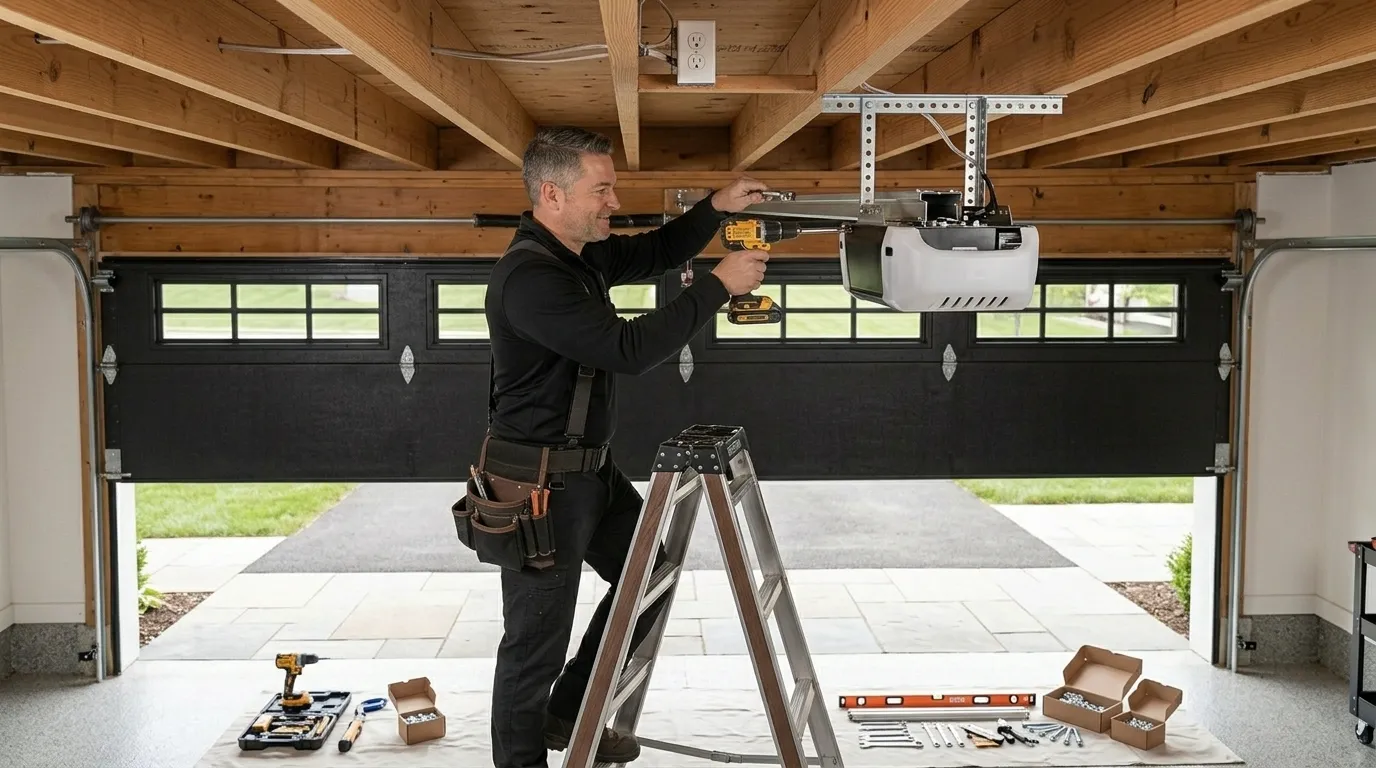
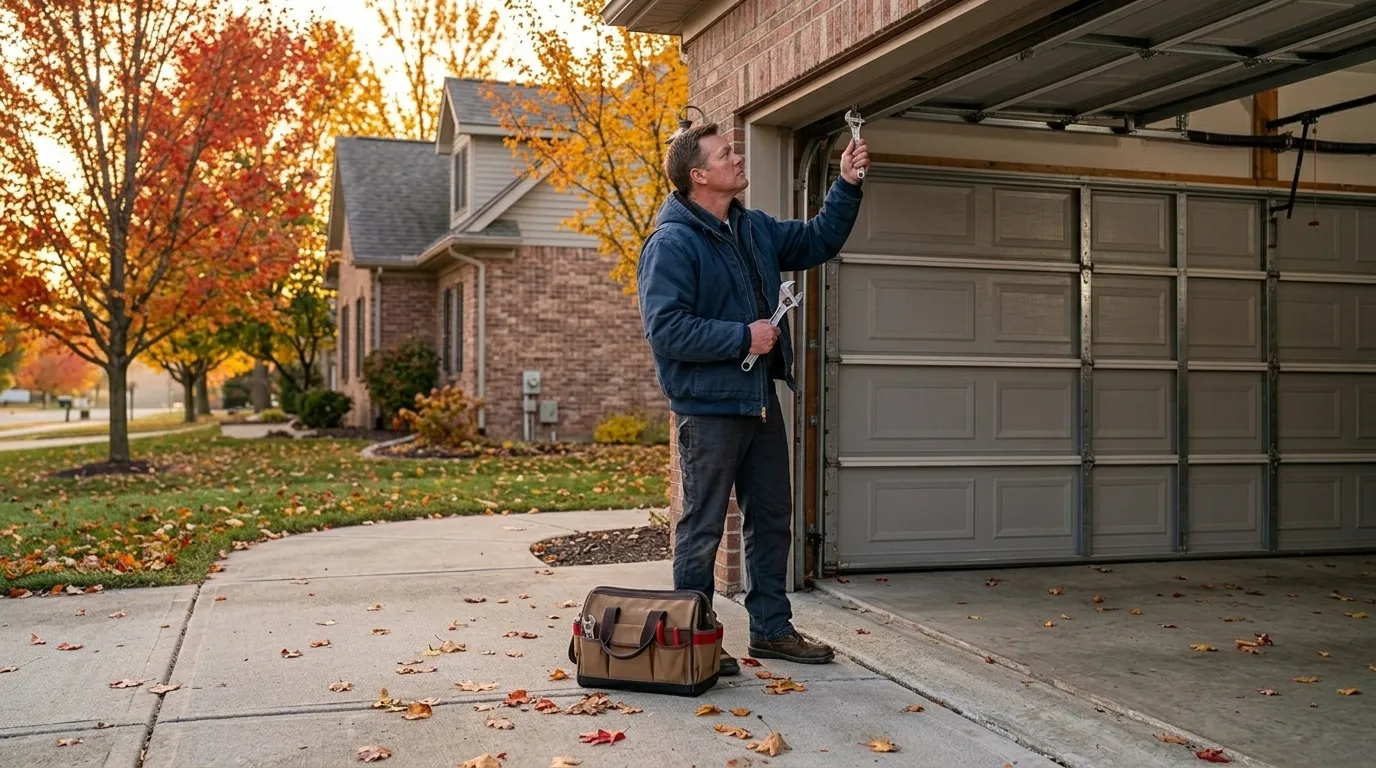
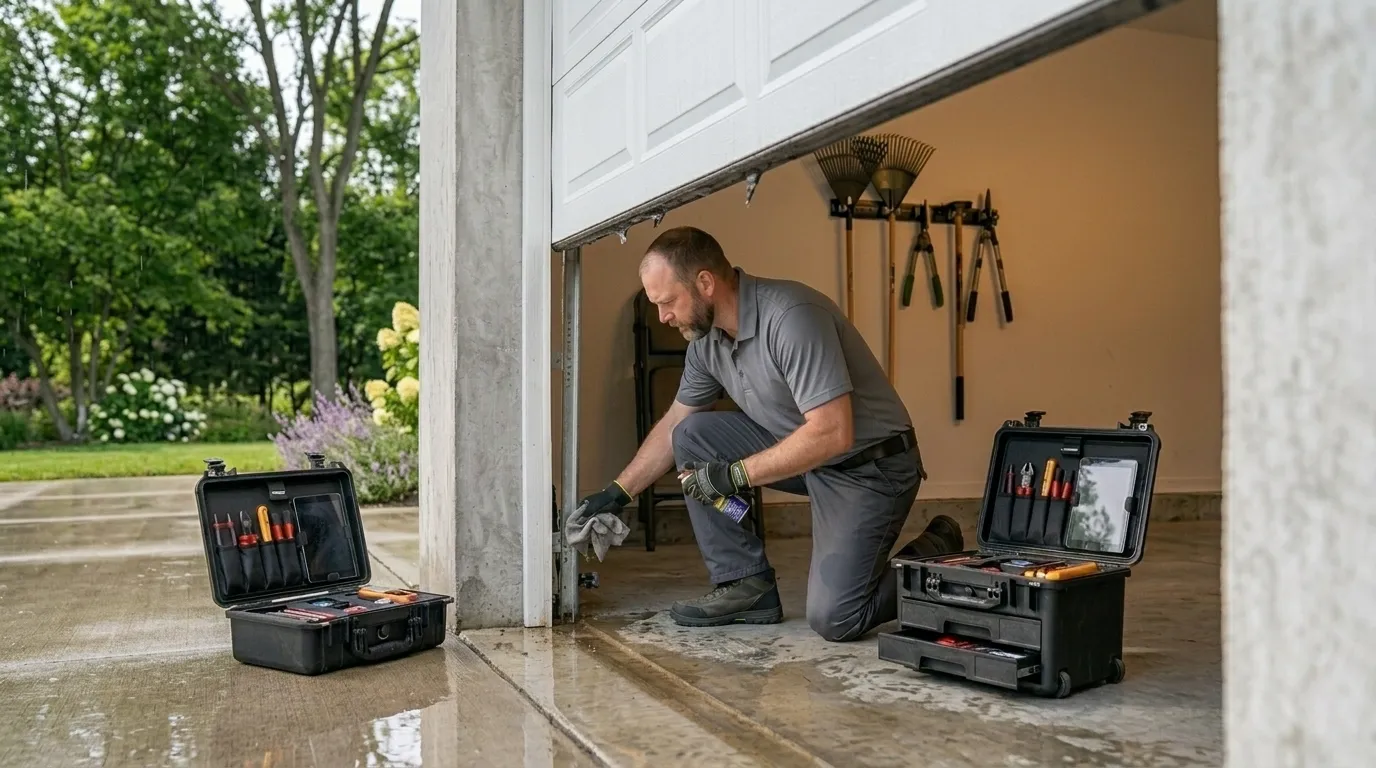
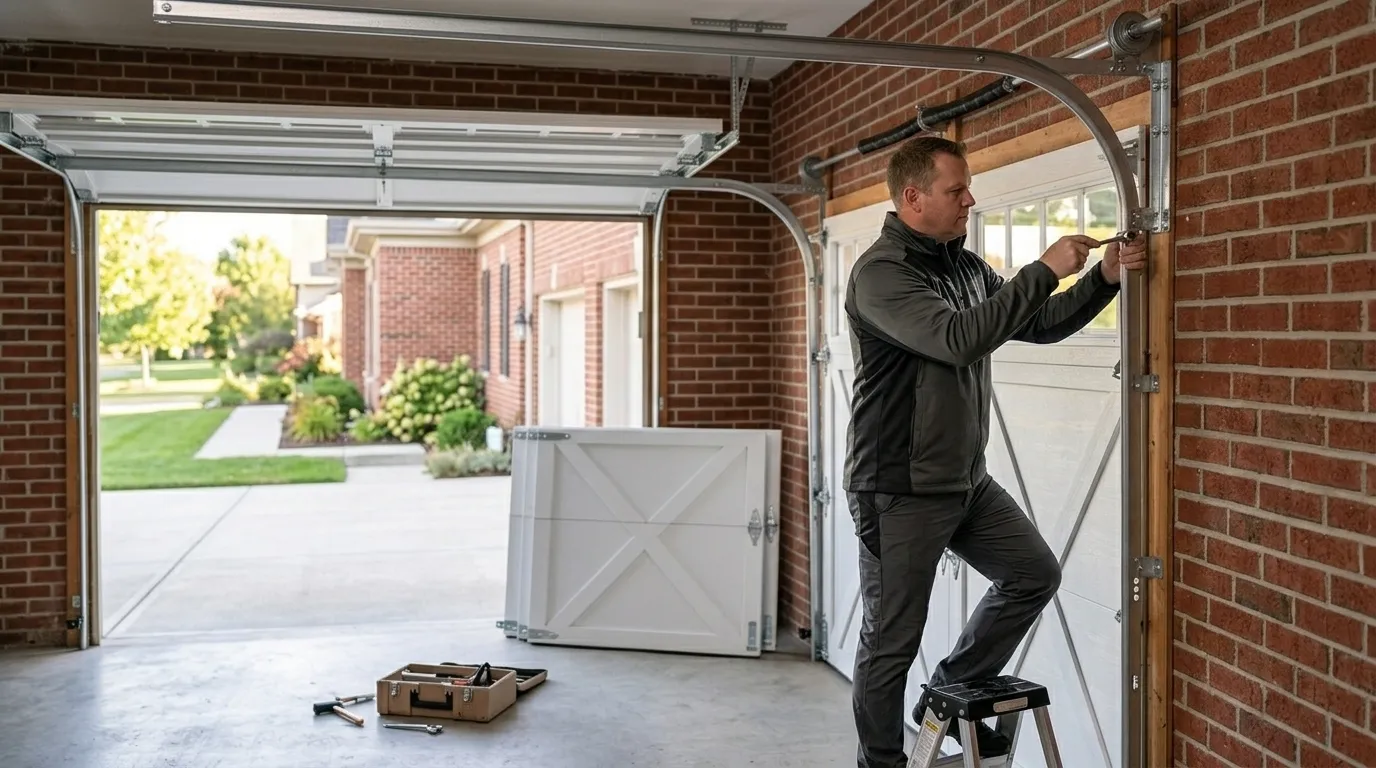
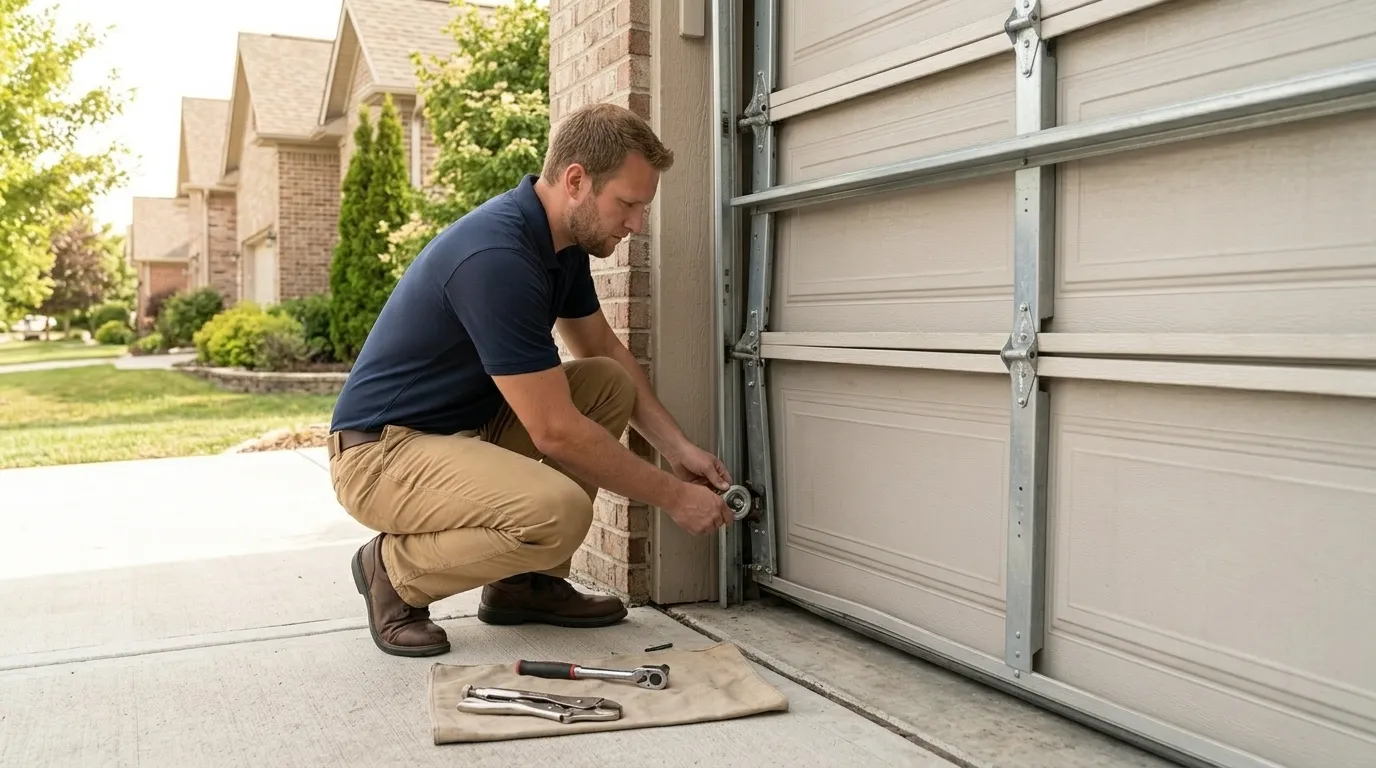
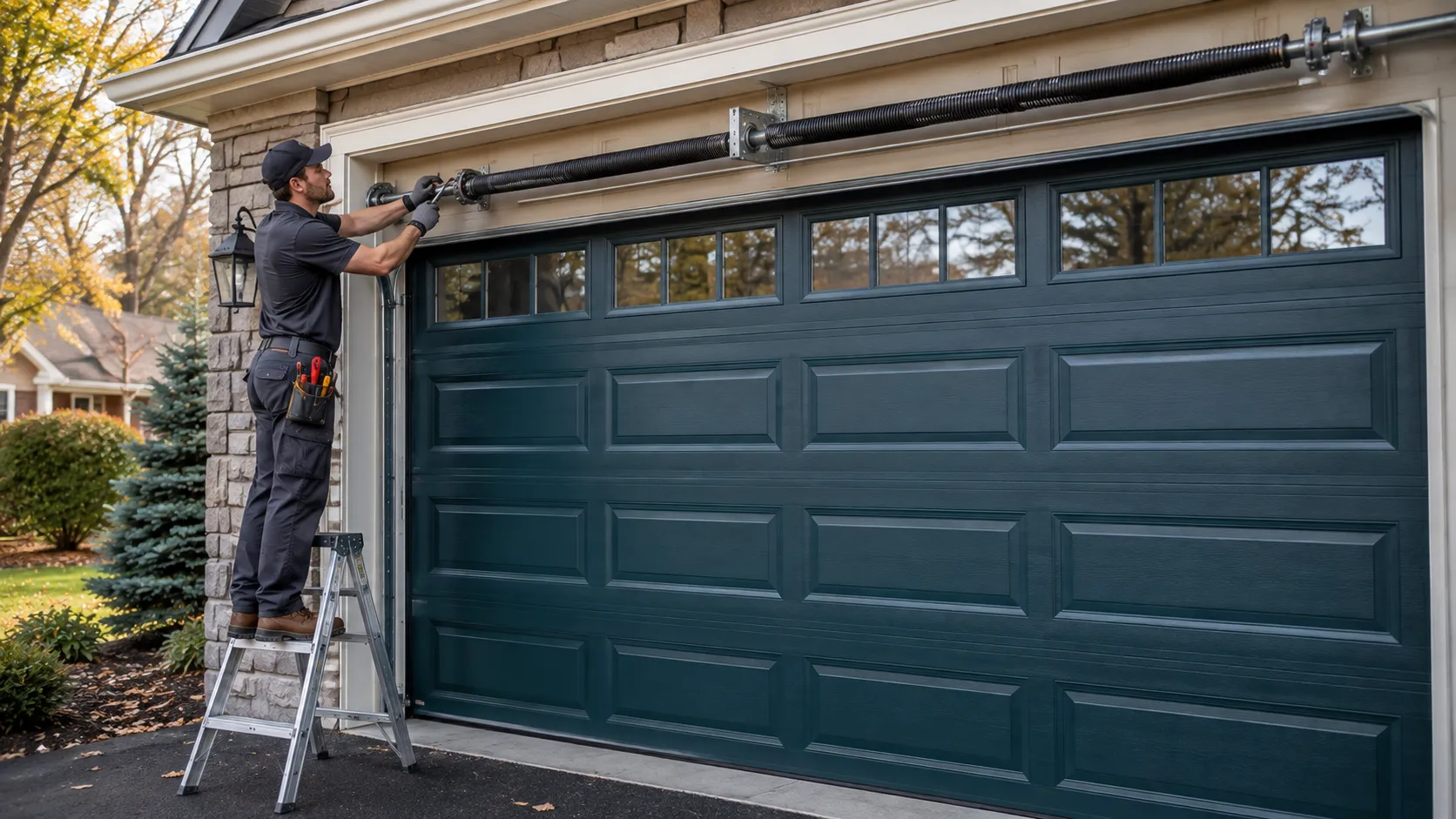
Given the age of the housing stock, most of our Buckeye Lake calls are spring replacements on doors that are still running their original hardware, along with opener swaps where the old chain-drive unit finally gives out. Cold-weather callouts pick up in the winter months, mostly cables that have stretched or frozen rollers that won't roll. We also get a fair number of track alignment jobs, which tends to happen more often on older doors where the framing has shifted slightly over the decades. What we don't do much of out here is new-construction installs, simply because there isn't much new construction happening in this particular pocket. If your door is original to a 1970s build, chances are good we've already seen its twin somewhere else in the area.