How We Fix It
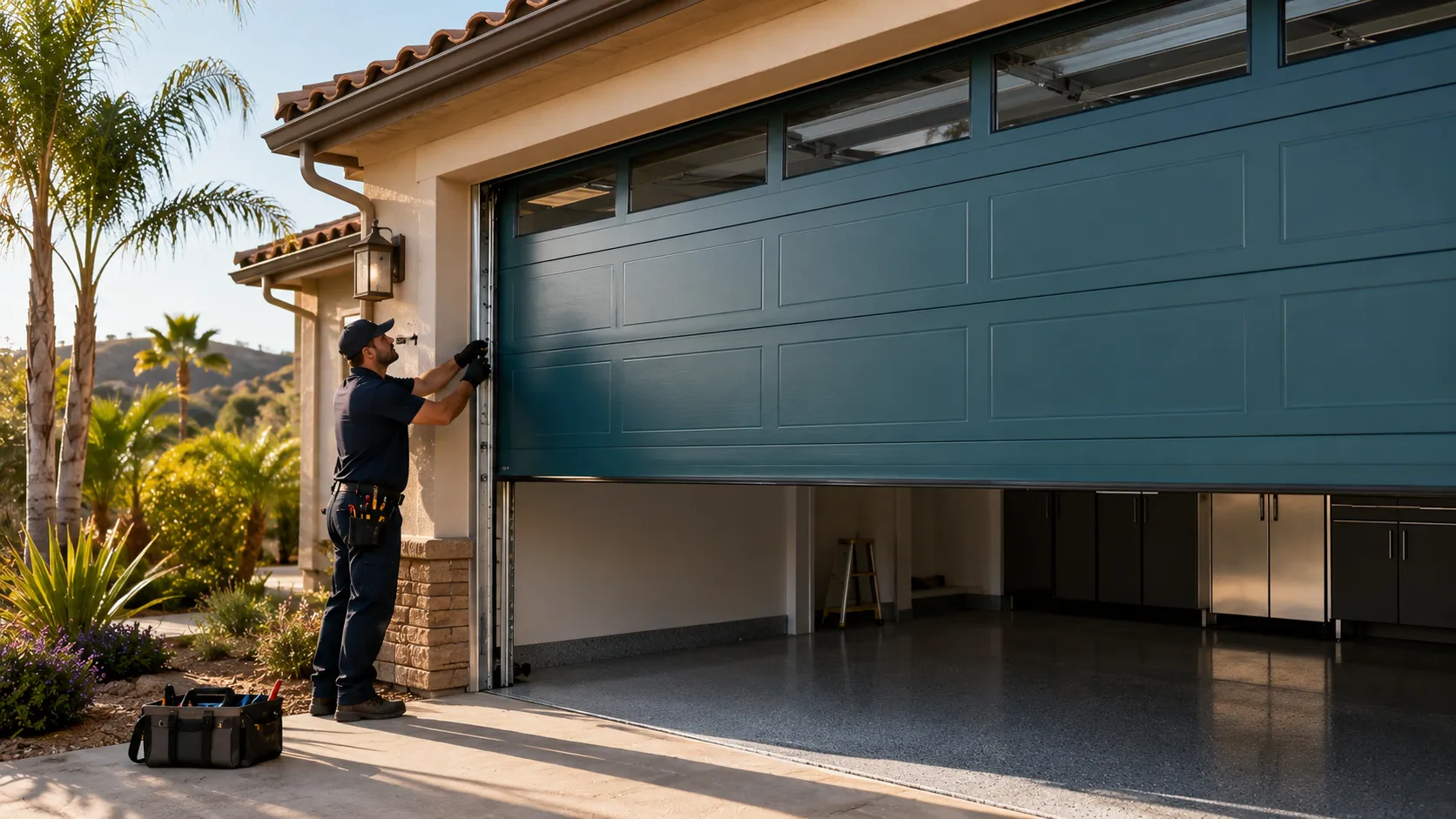
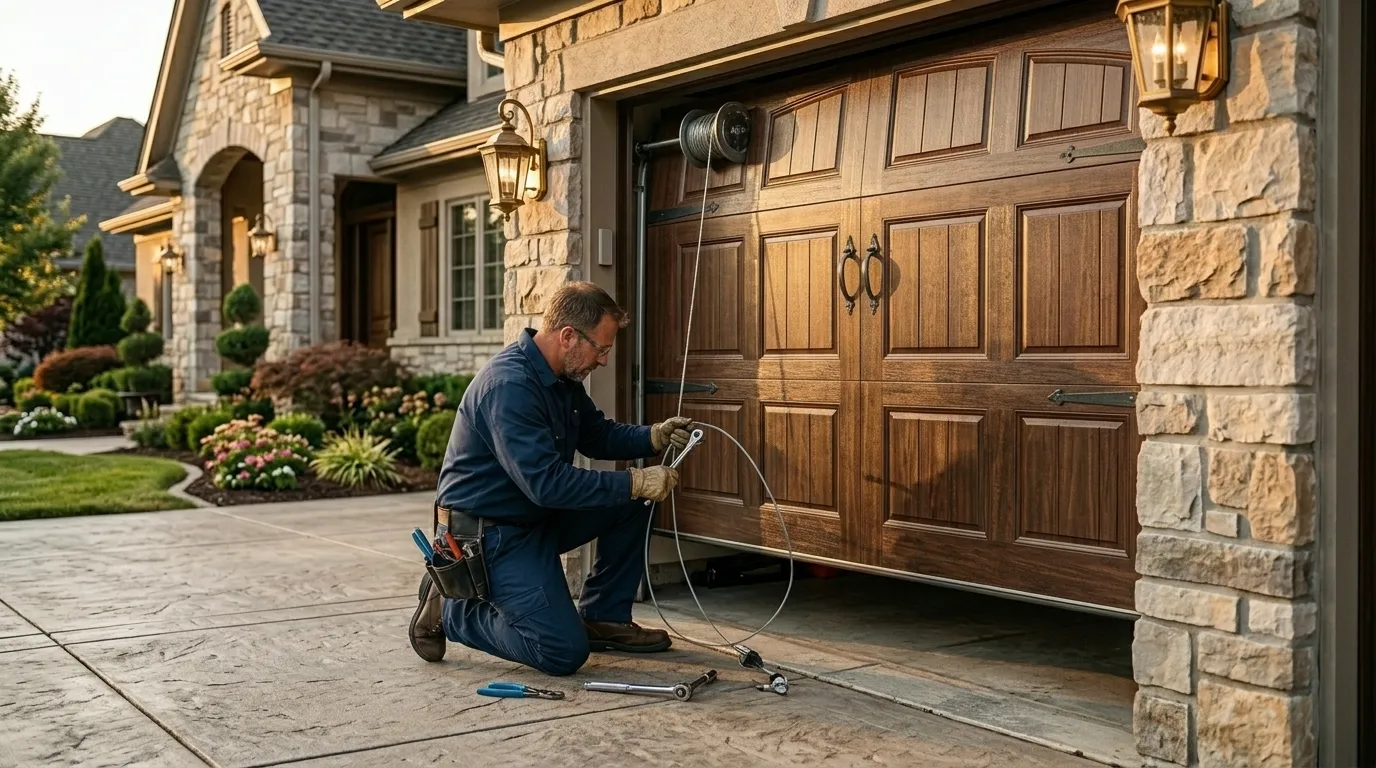
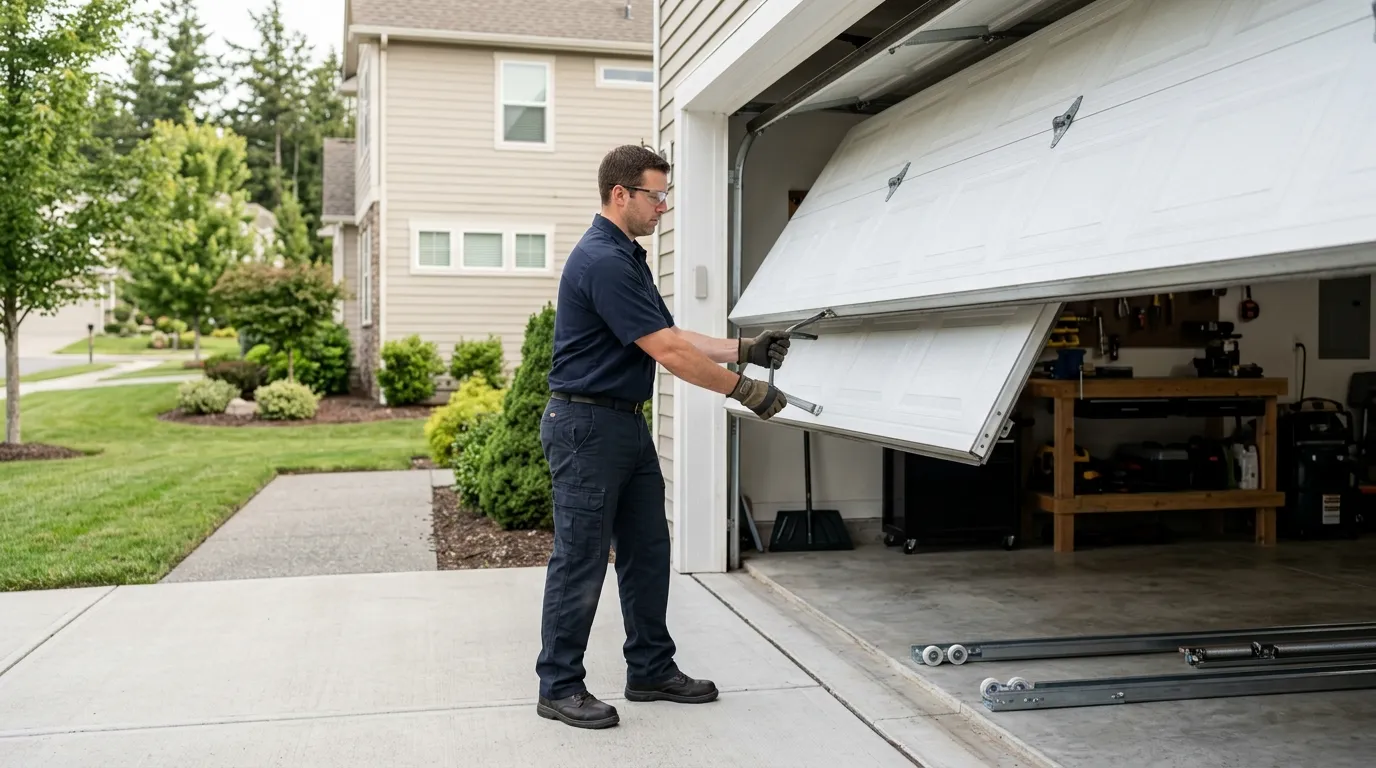
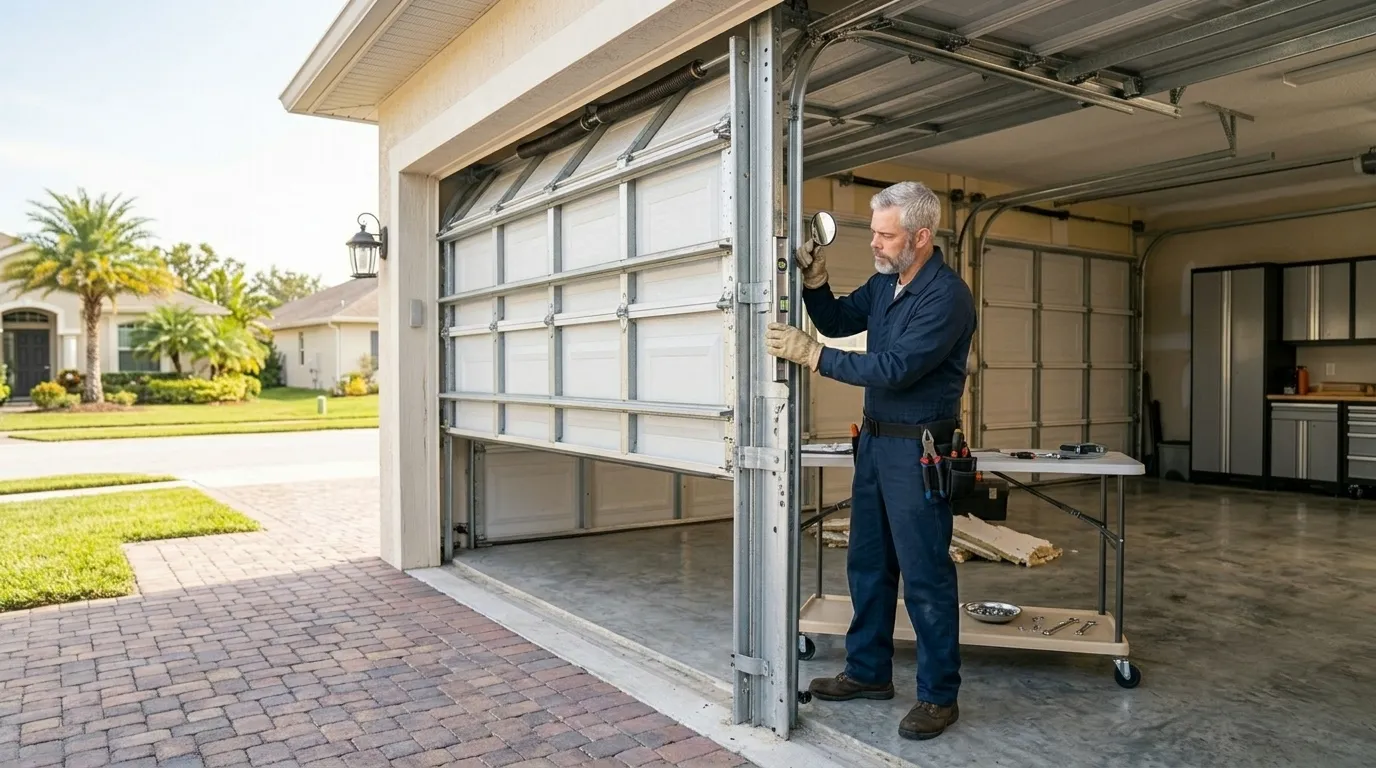
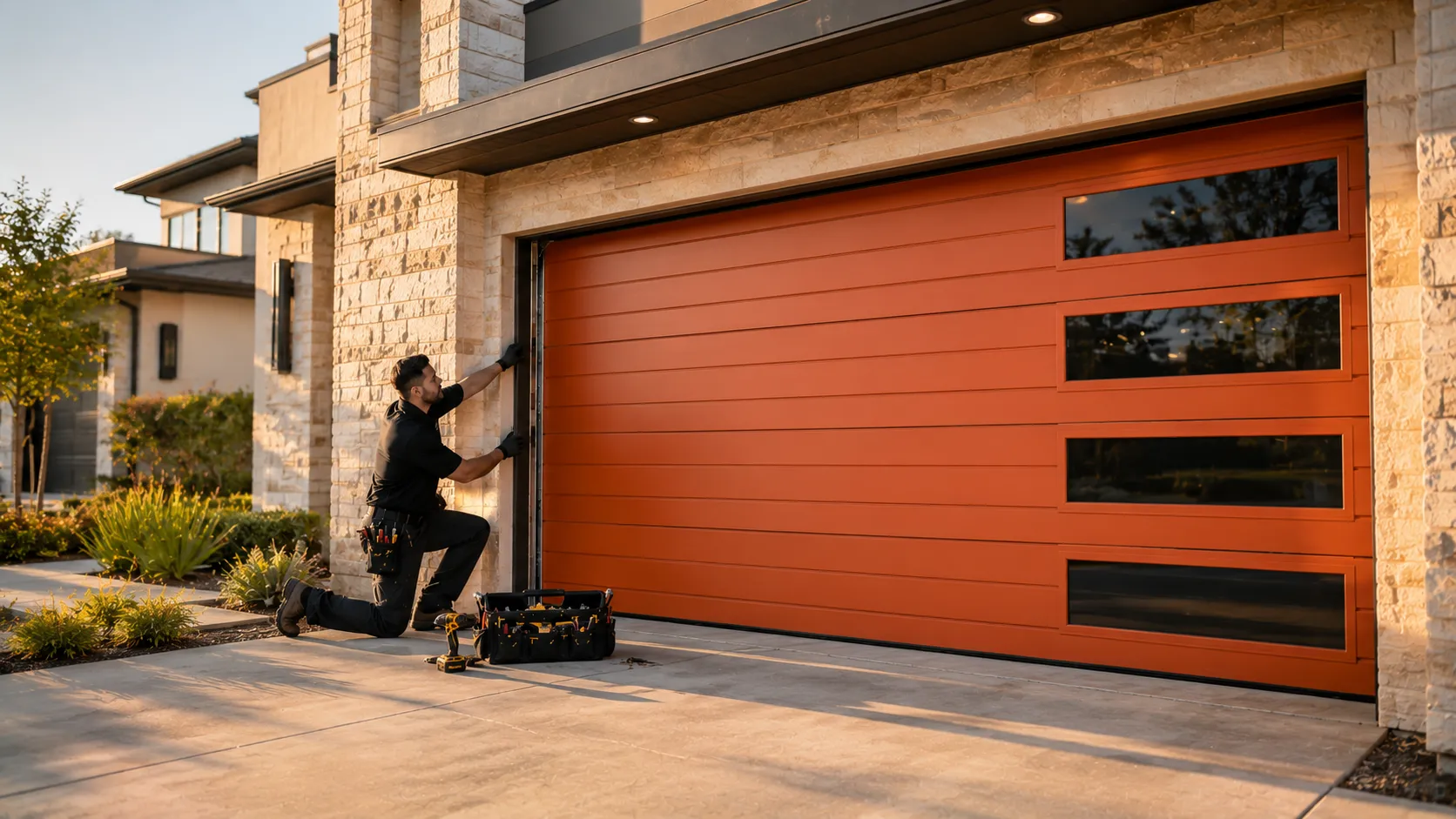
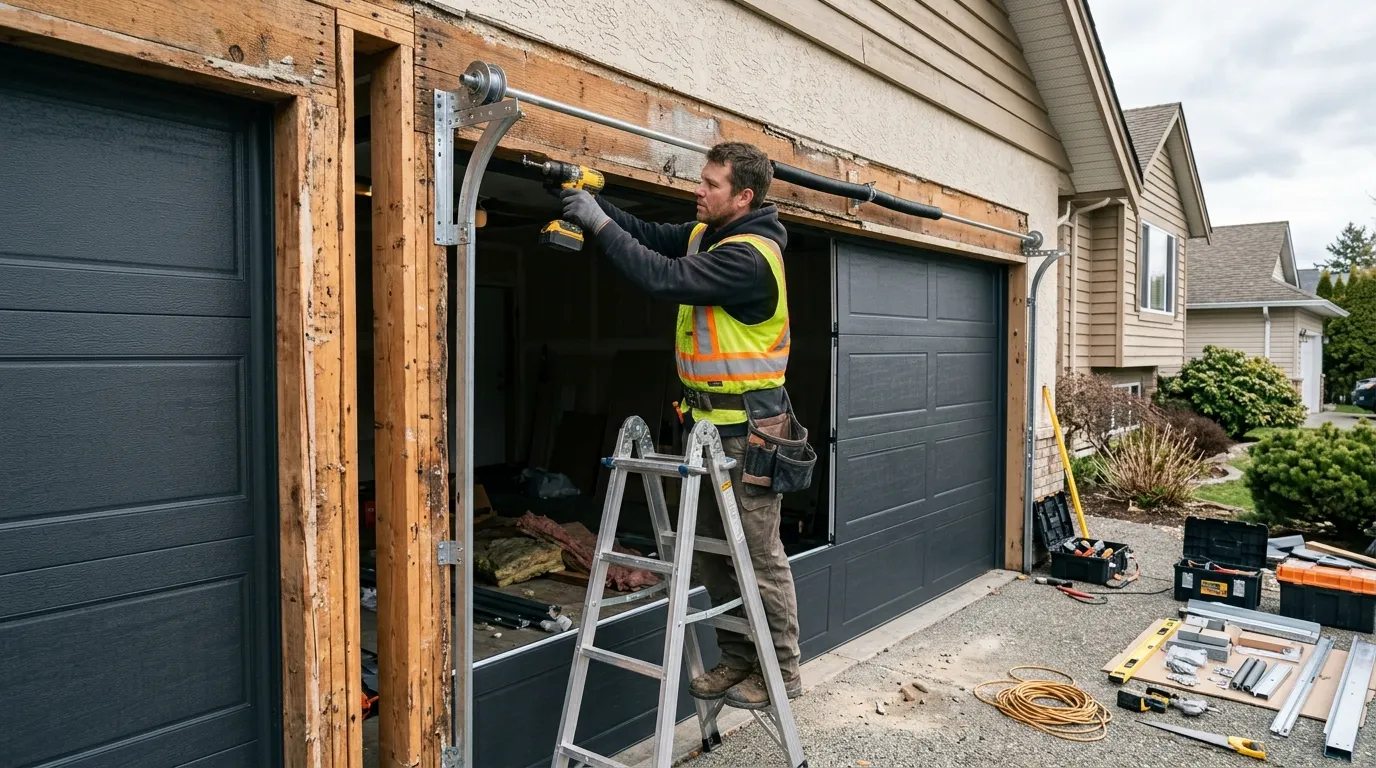
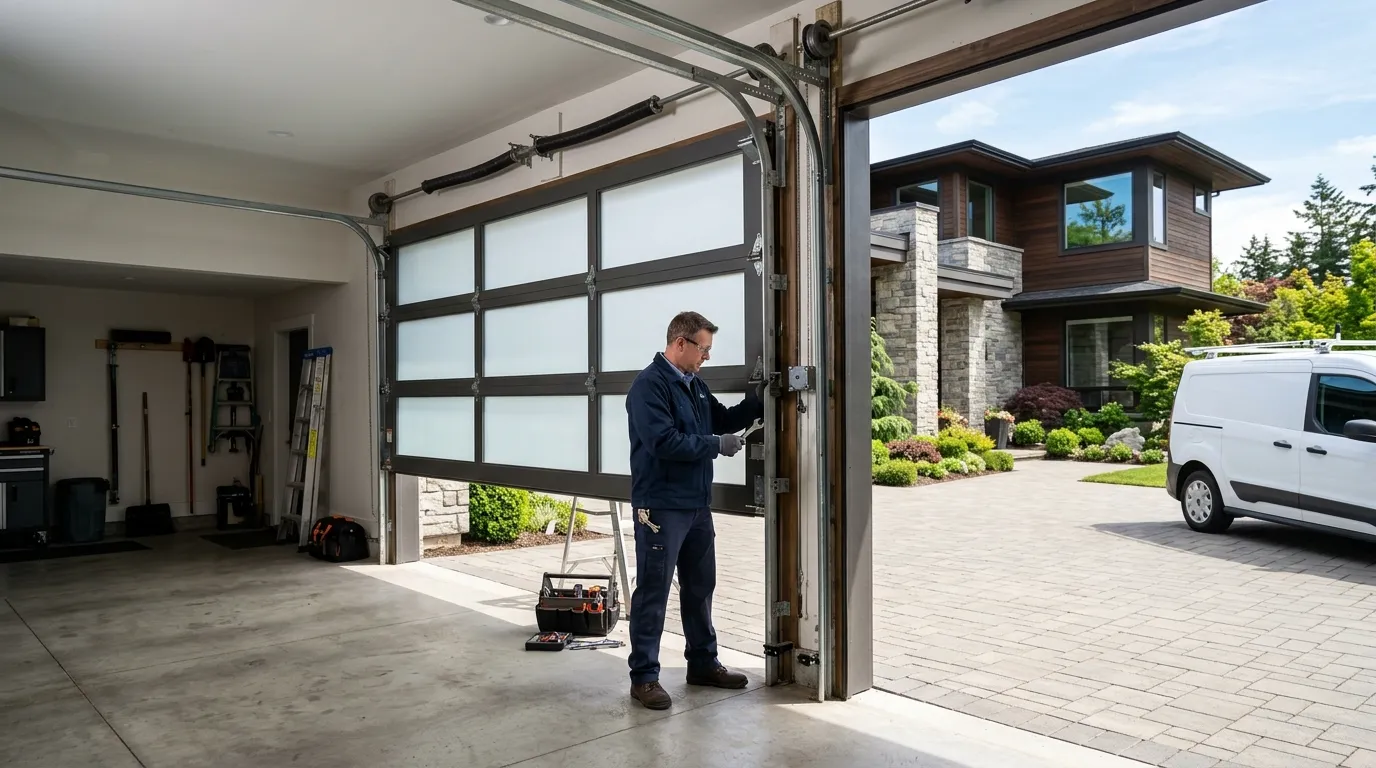
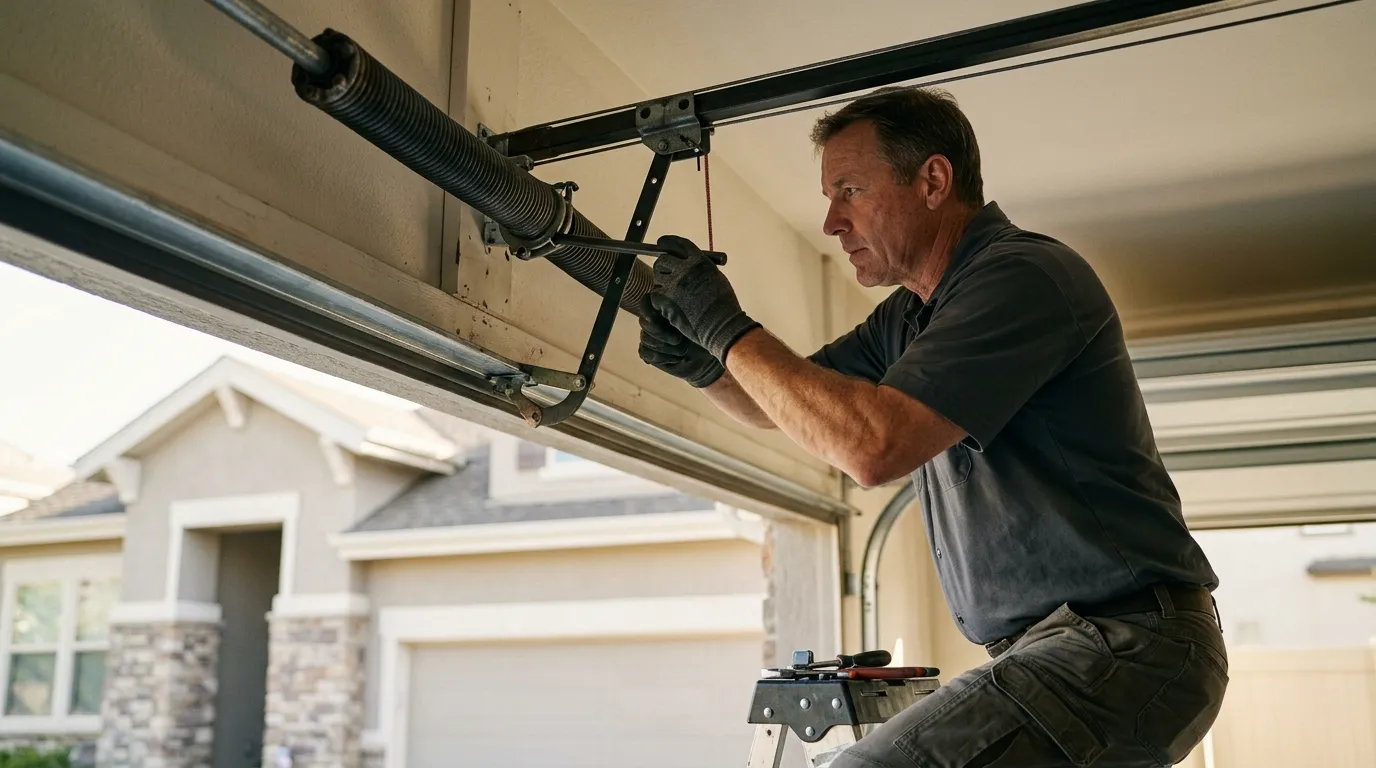
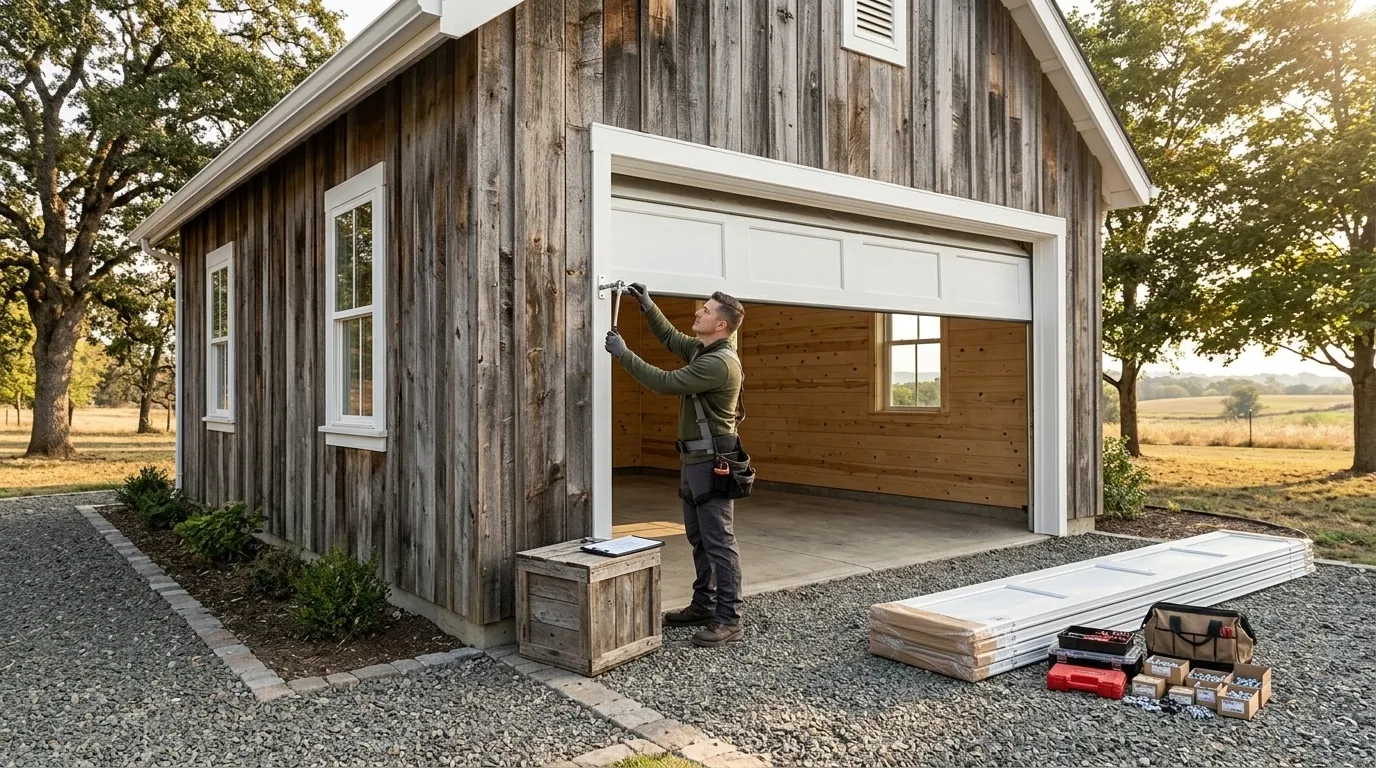
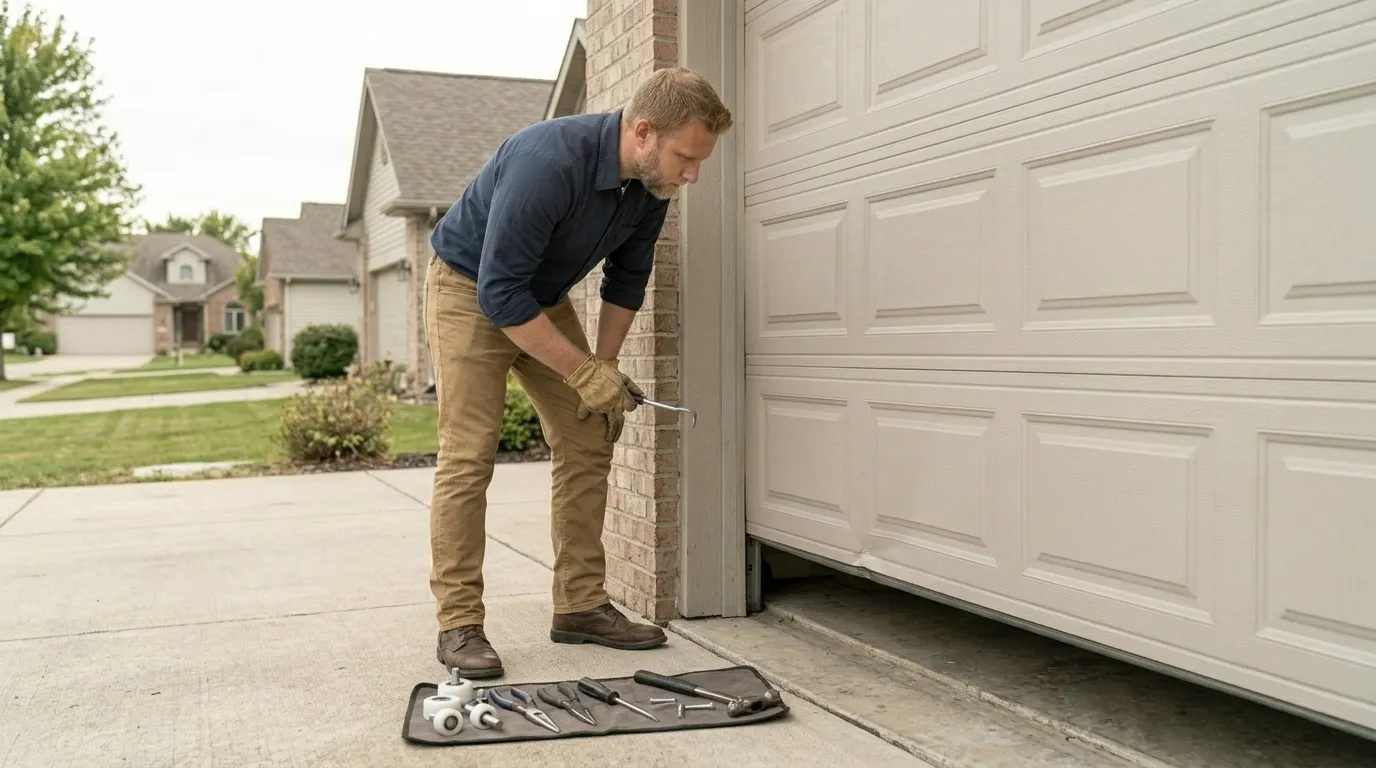
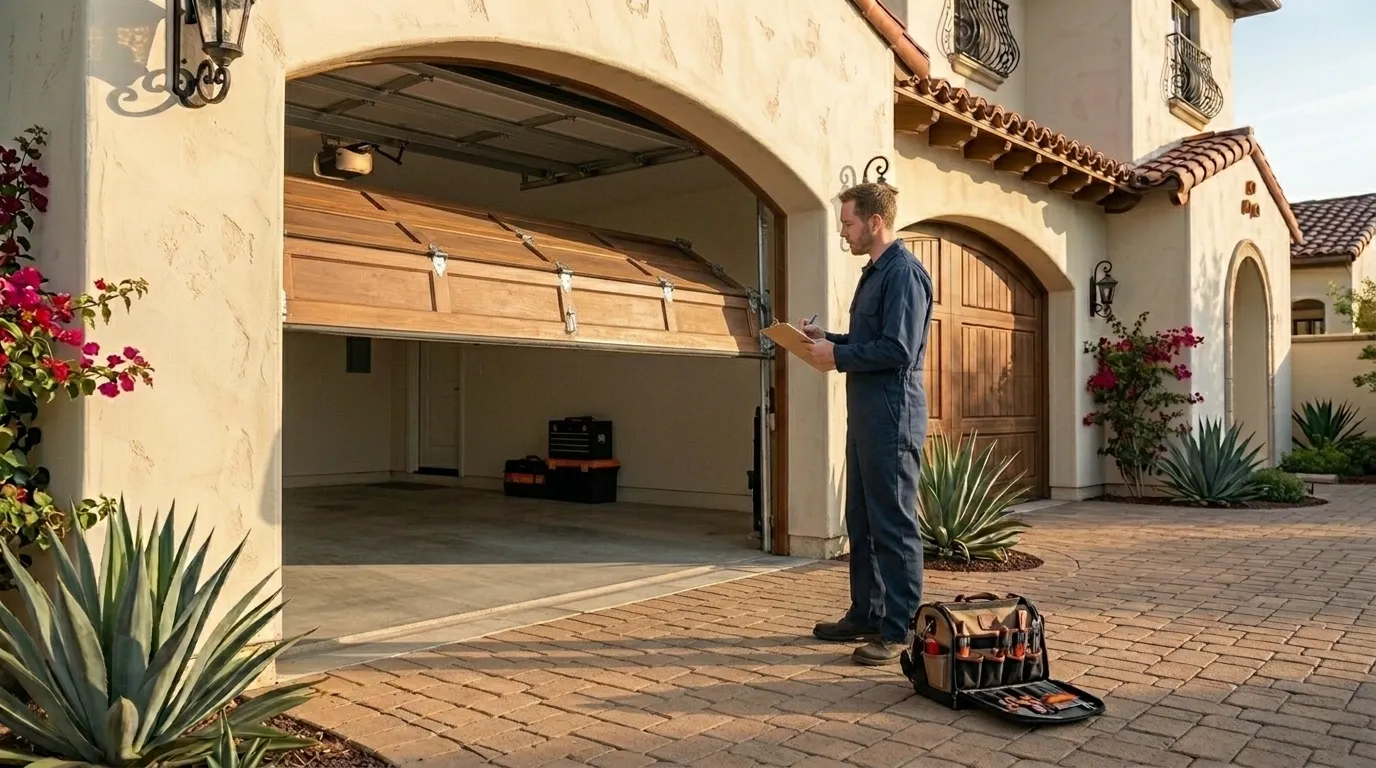
Most of the installs we run in Newark aren't a straight swap. Housing across this service area went up mostly between 1938 and 2005, with the heaviest run in the 1960s and 70s across the 16 areas we work in, so a lot of openings were framed for doors that don't match what ships off the shelf today. We measure the rough opening, the headroom, and the track path before we quote anything, because a house built in that era can have jamb widths or headroom that a modern steel door wasn't drawn for. Once the opening's confirmed, we pull the old door and track completely, set new jambs where the old wood has shrunk or rotted, and hang the new door on hardware sized for its actual weight - insulated doors run heavier than the single-layer doors they're replacing. We're straight about one thing: if your opening needs custom framing or a non-standard size door, that part isn't something we keep on the truck. It has to be ordered, and that adds lead time we can't shorten. We'd rather tell you that up front than promise a same-week install we can't back up.
How Long You Are Without the Door
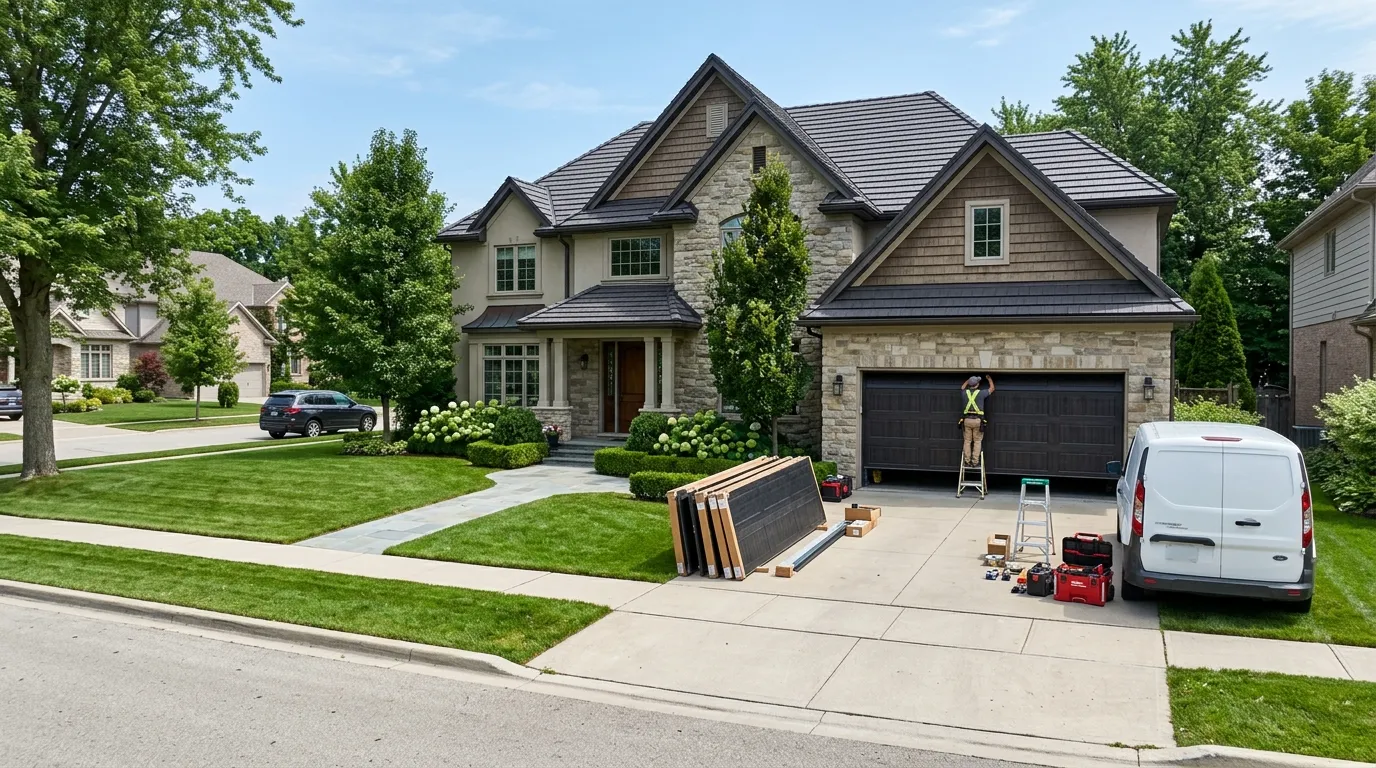
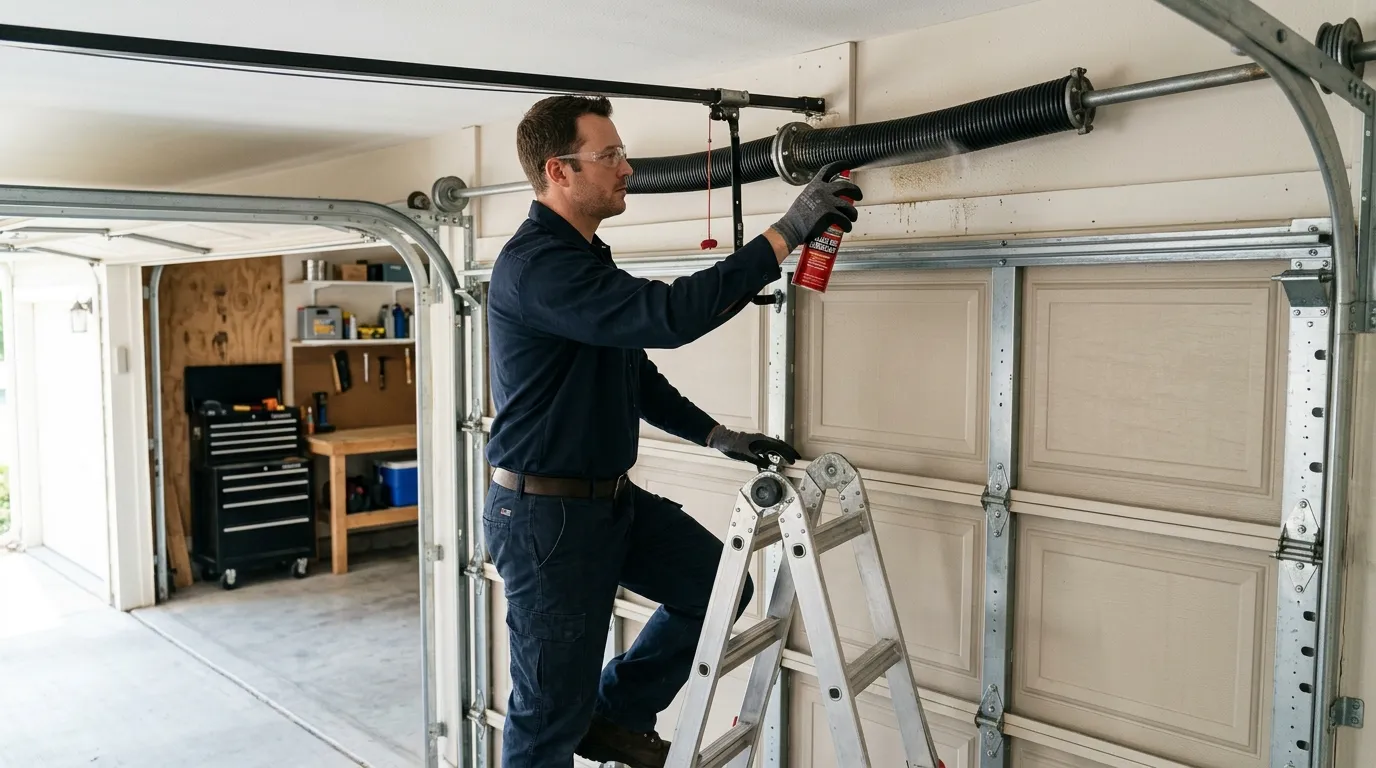
A standard-size door on a standard opening goes in and out in one visit - old door off, new one hung, balanced, and tested the same day. What stretches the job is the opening itself, not the door. Houses from Newark's older stock, especially anything built before the 1970s, sometimes have openings that are a couple inches off current sizing, or jambs that need to be squared up before a new door will seal against them. When that's the case, we tell you before we start, not after we've pulled your old door and left you with a hole in the wall overnight. If a custom panel or a non-stock size has to be ordered, that's the wait - not the install day itself. We schedule the actual swap for once the door's in hand, so you're never without a working door longer than it takes us to hang it and set the springs.
How It Shows Up
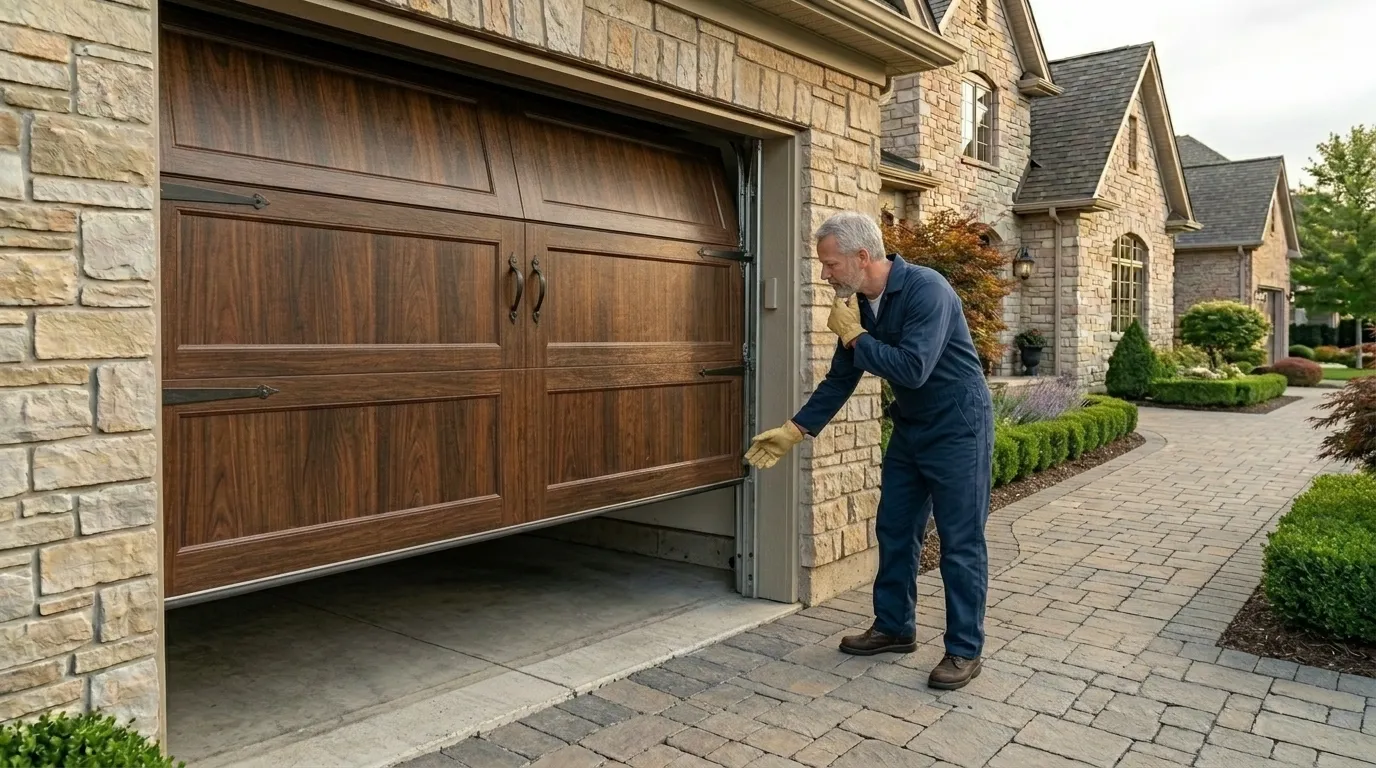
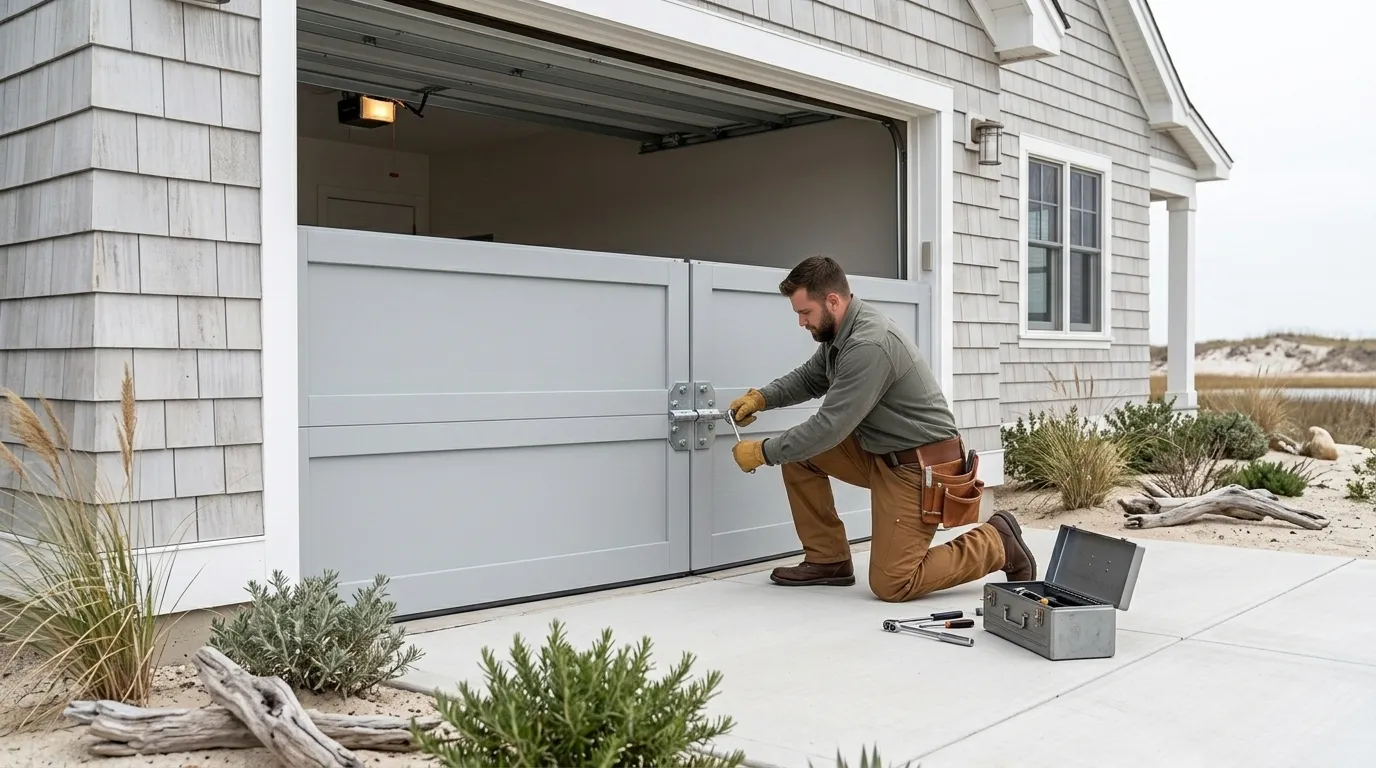
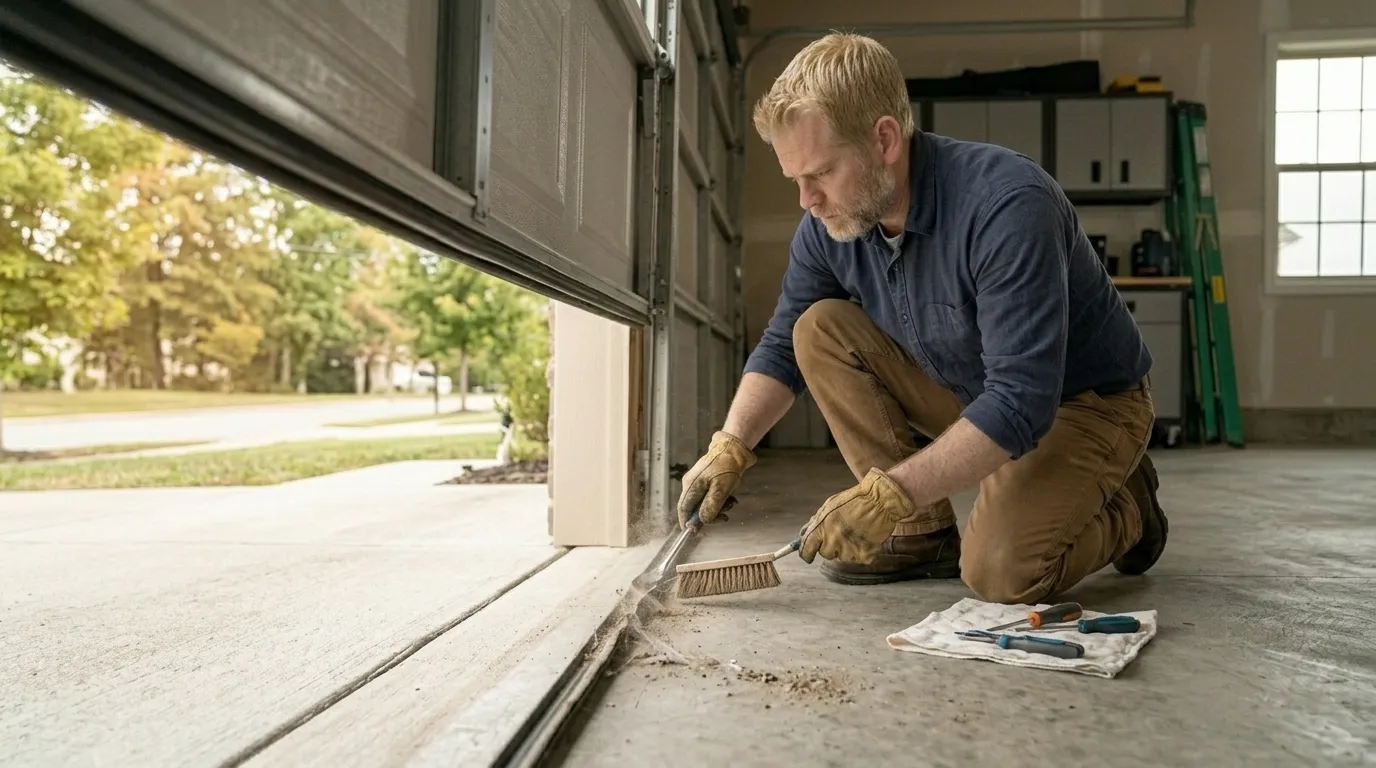
The most common sign isn't a dramatic failure - it's a door that closes but doesn't seal. Daylight along the bottom edge in winter, a garage that stays noticeably colder than it used to, or a spike in the heating bill that nobody can quite explain. On older, uninsulated doors from that 1960s-70s build era, you'll also see the panels start to show waviness or slight bowing, especially on the wider double-door openings that were common in houses from that period. Hardware tells a story too - track brackets pulling loose from wood jambs that have dried and shrunk over decades, or rollers that have worn oval instead of round from years of a door working harder than it should against a bad seal. None of these are emergencies on their own, but together they're usually the signal that the door has reached the point where a new insulated unit costs less over a few winters than another round of patch repairs.