What Was Built Here
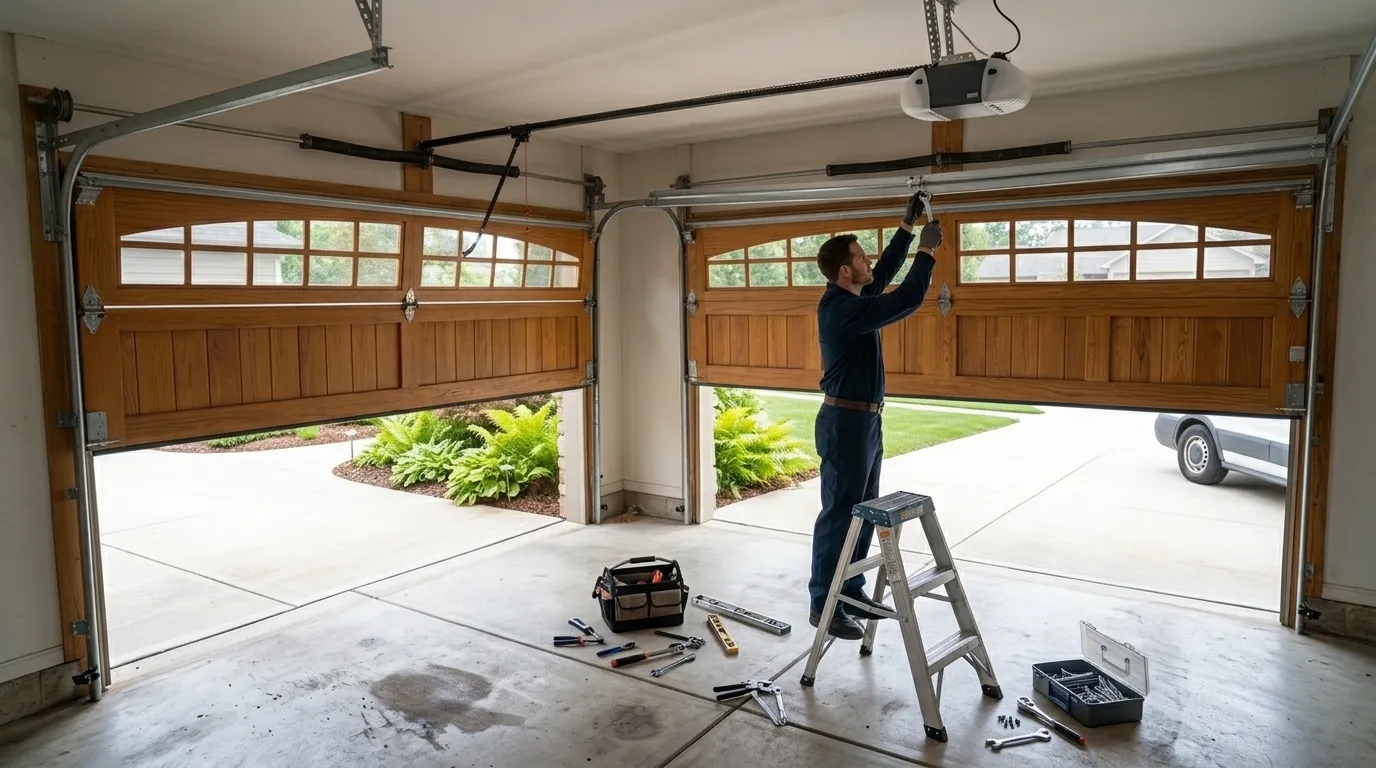
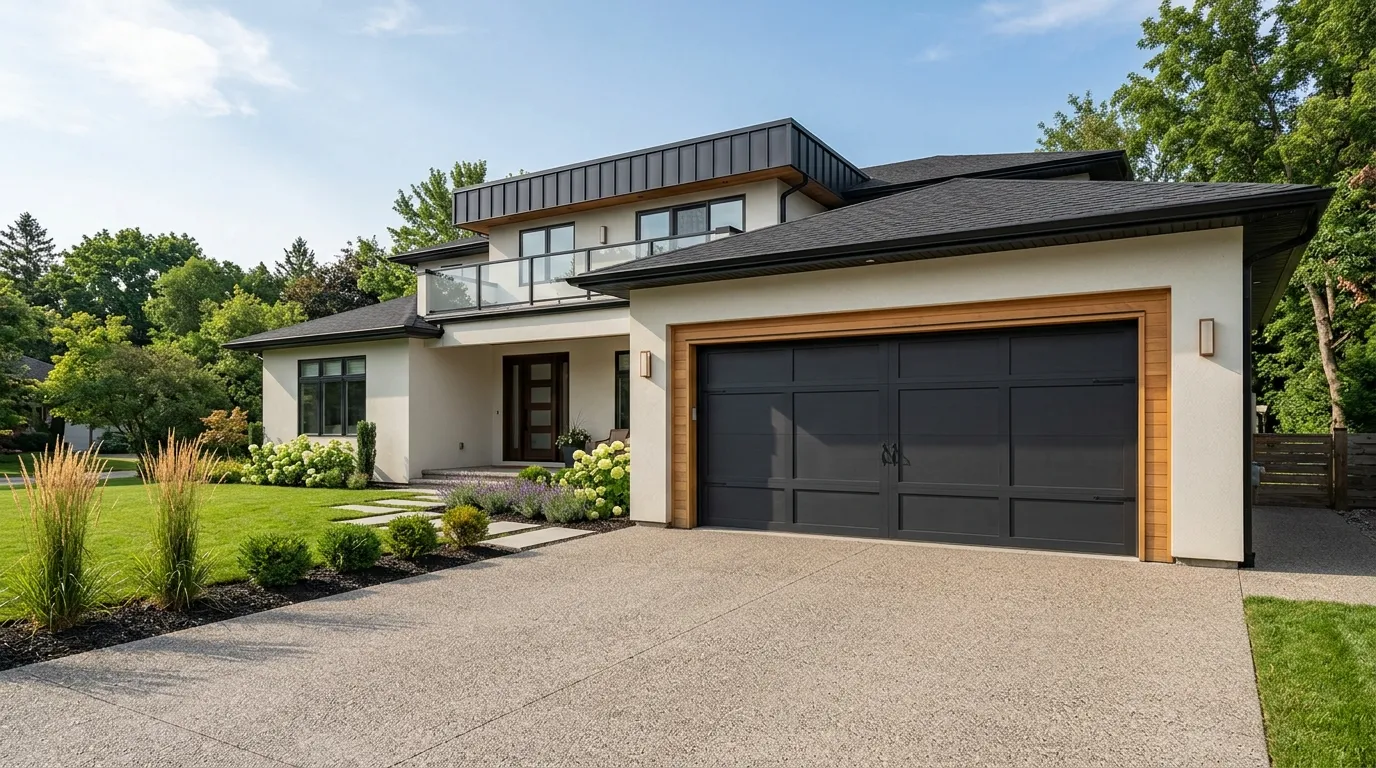
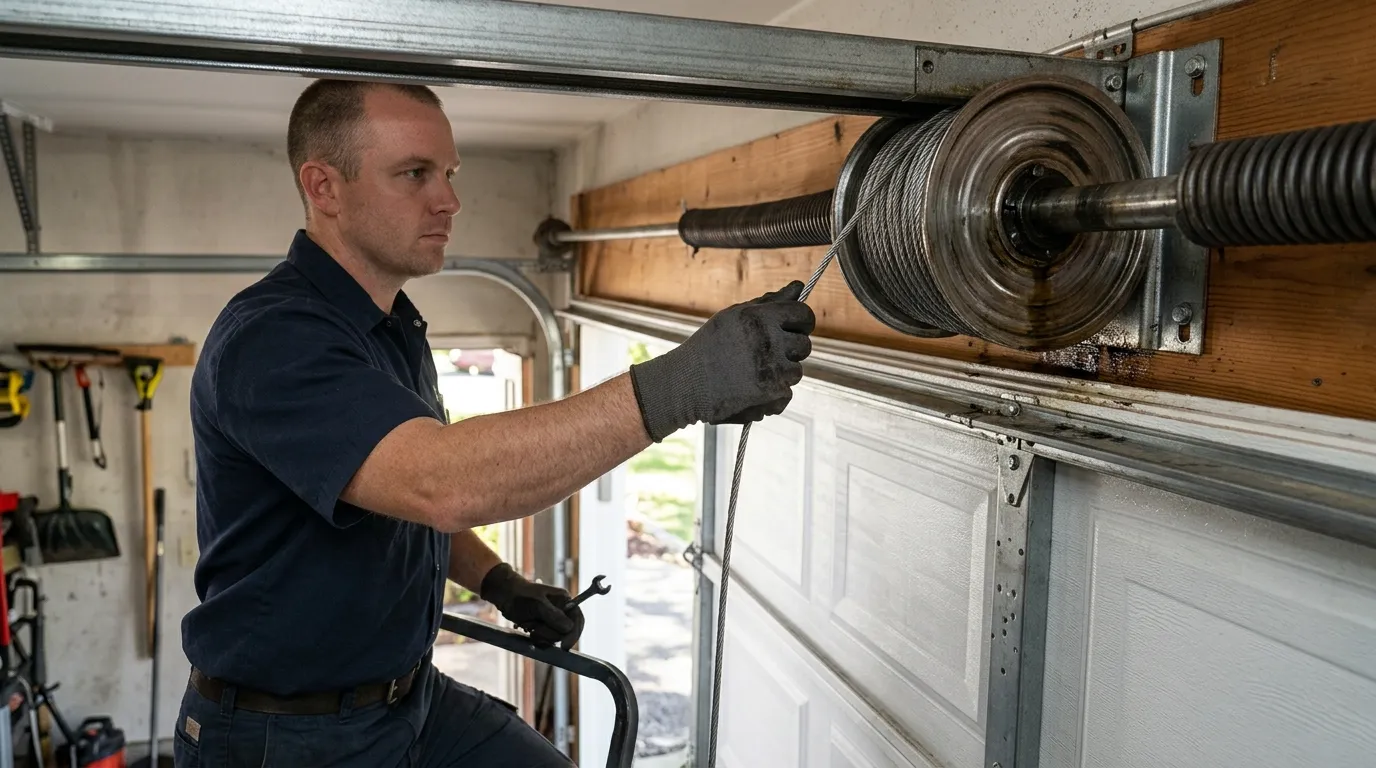
Baltimore's housing stock centers on 1966, which puts it a full decade ahead of the wider Newark service area's median build year of 1976. That gap matters more than it sounds like it should. Houses built in the mid-60s were finished before the torsion-spring-over-the-door setup became the standard install, so a lot of garages here still run on the older extension-spring system with the springs stretched along the horizontal tracks instead of coiled on a shaft above the door. Those systems use different safety cables, different pulleys, and they fail in a different way than torsion springs do - a snapped extension spring can whip if the safety cable is missing or frayed, which is a common find on doors this age that haven't been touched since they were hung. With 1,333 households in Baltimore, this isn't a rare setup - it's the baseline we plan for before we even get a call describing the problem.
Getting Here
Baltimore sits 18 miles from our shop in Newark, and that distance is worth being upfront about. We don't have a crew stationed in town, so a same-day call here means routing a truck out from Newark rather than around the corner. It's a straightforward drive and we make the trip regularly, but if you need a job done in the next twenty minutes, we're not the fastest option on paper. What we can promise is that the truck that shows up is loaded for the kind of repair Baltimore's housing stock actually needs - older-style hardware, not just the newer torsion parts that dominate calls closer to Newark itself.
What We Do Most in This Area
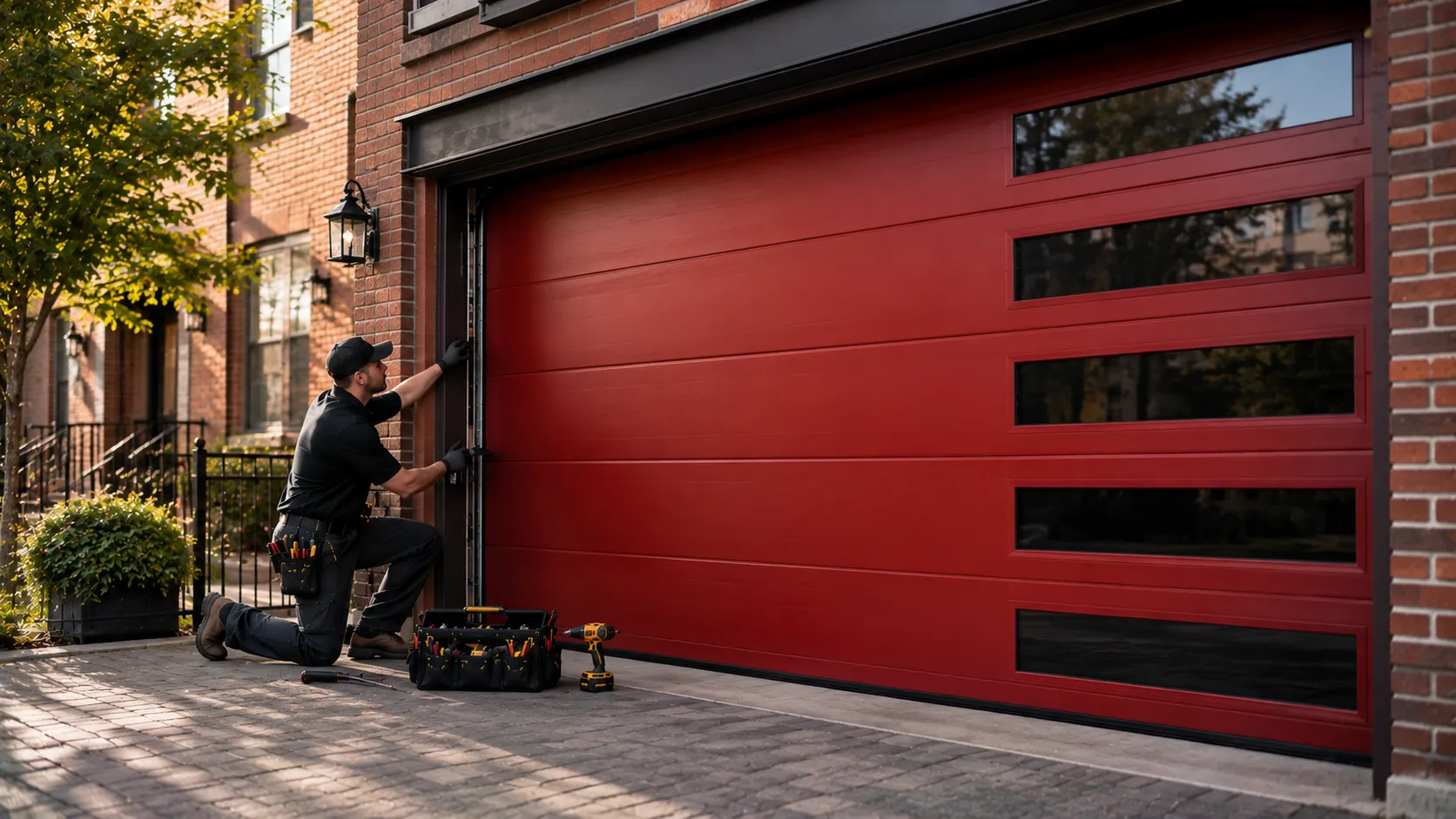
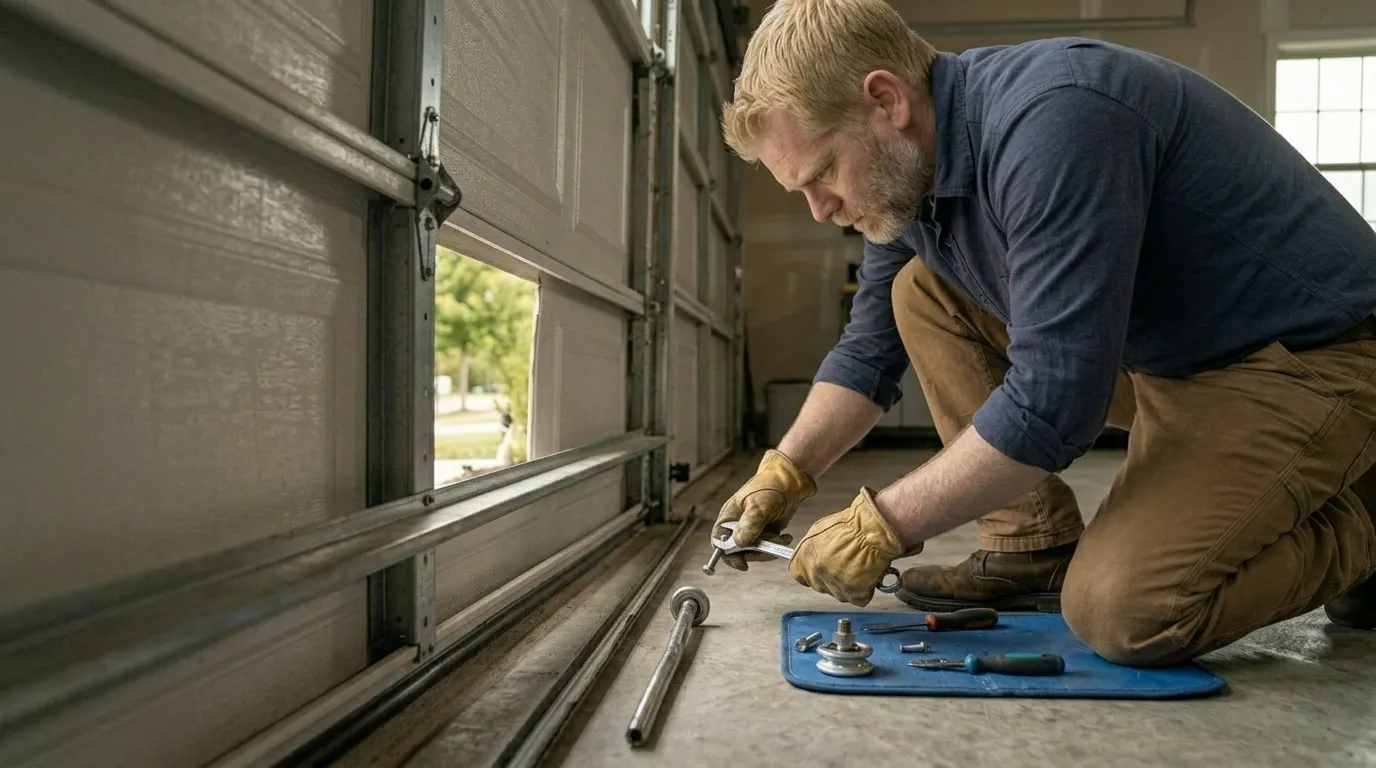
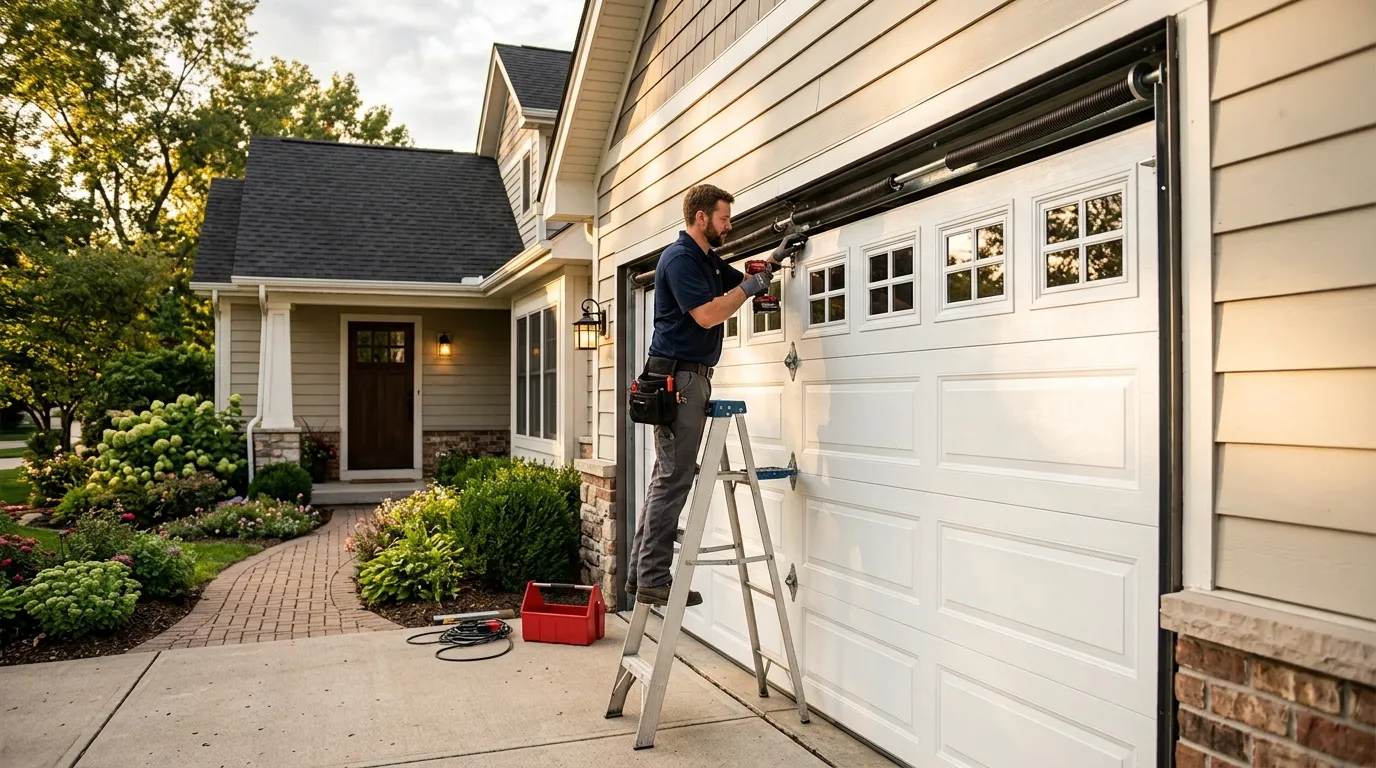
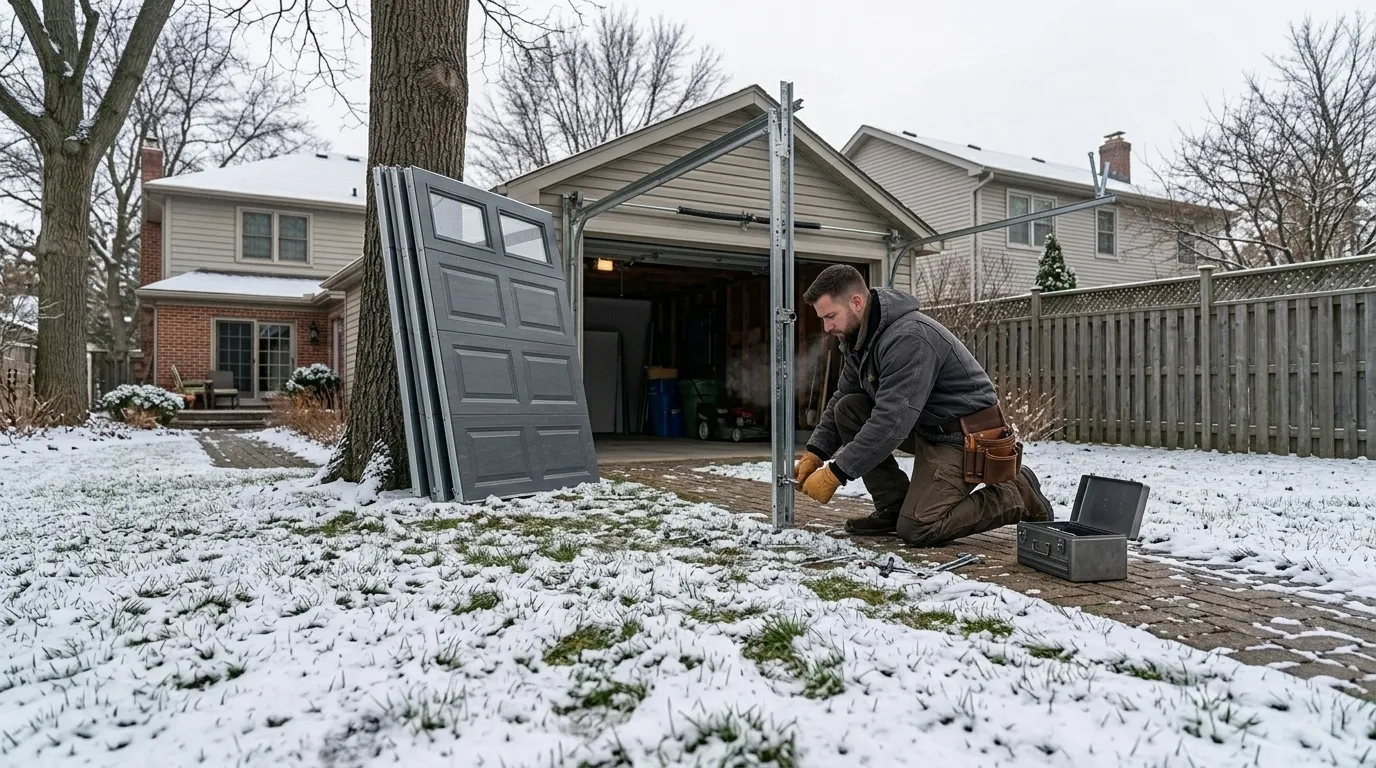
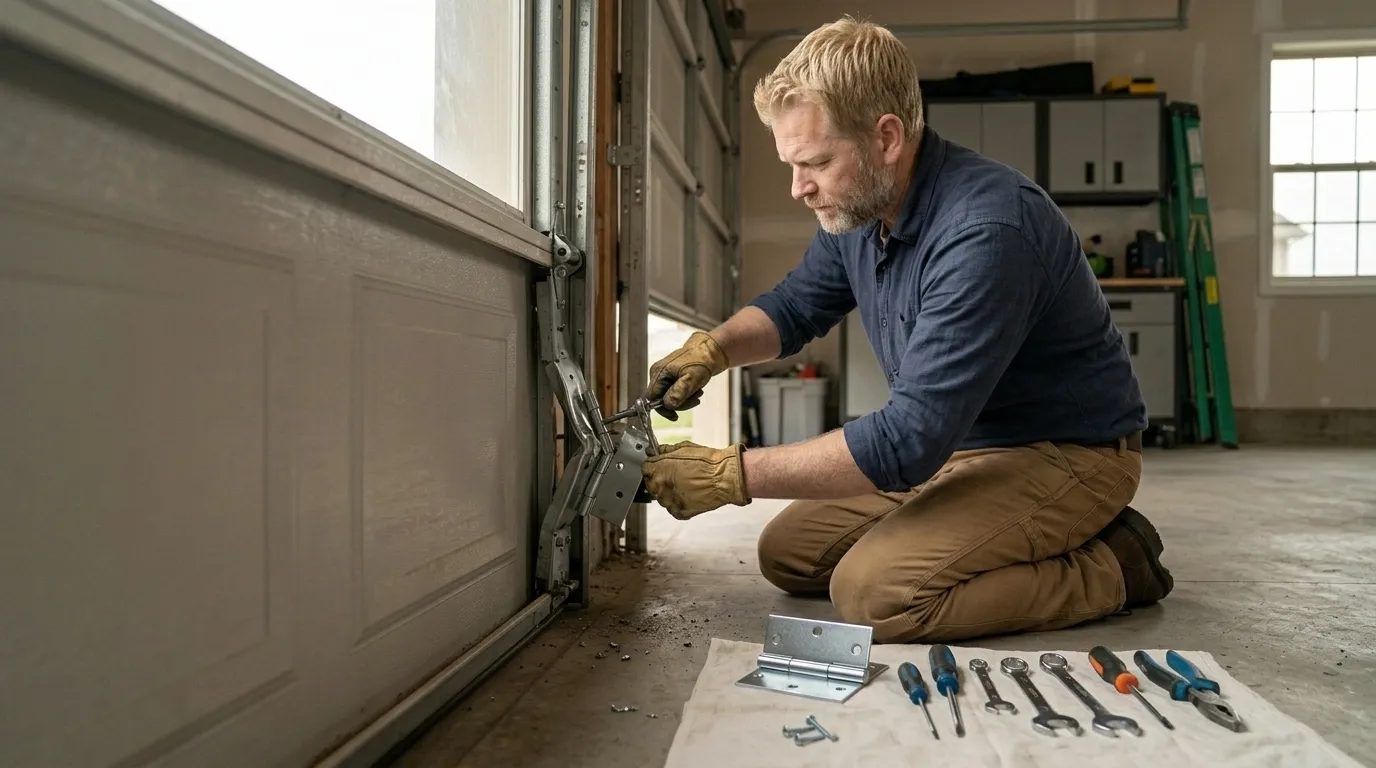
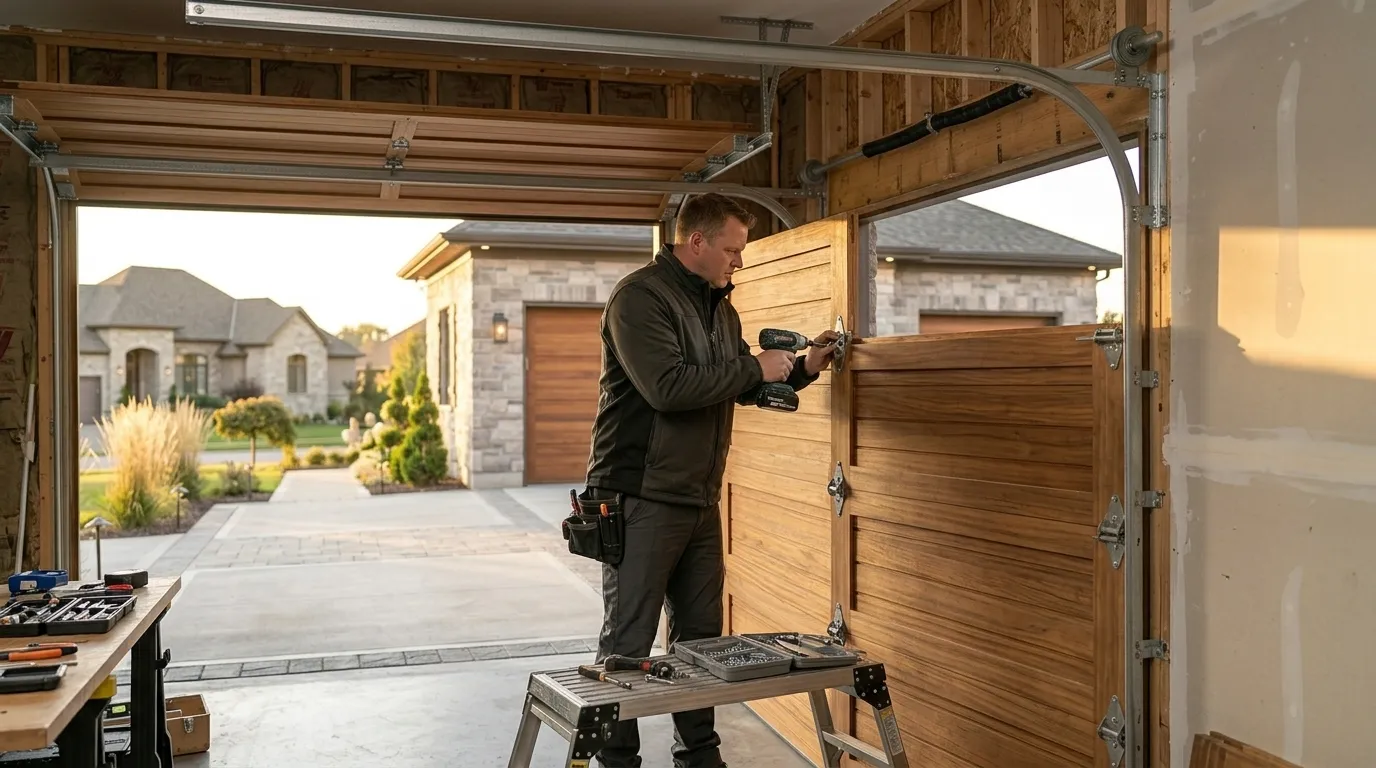
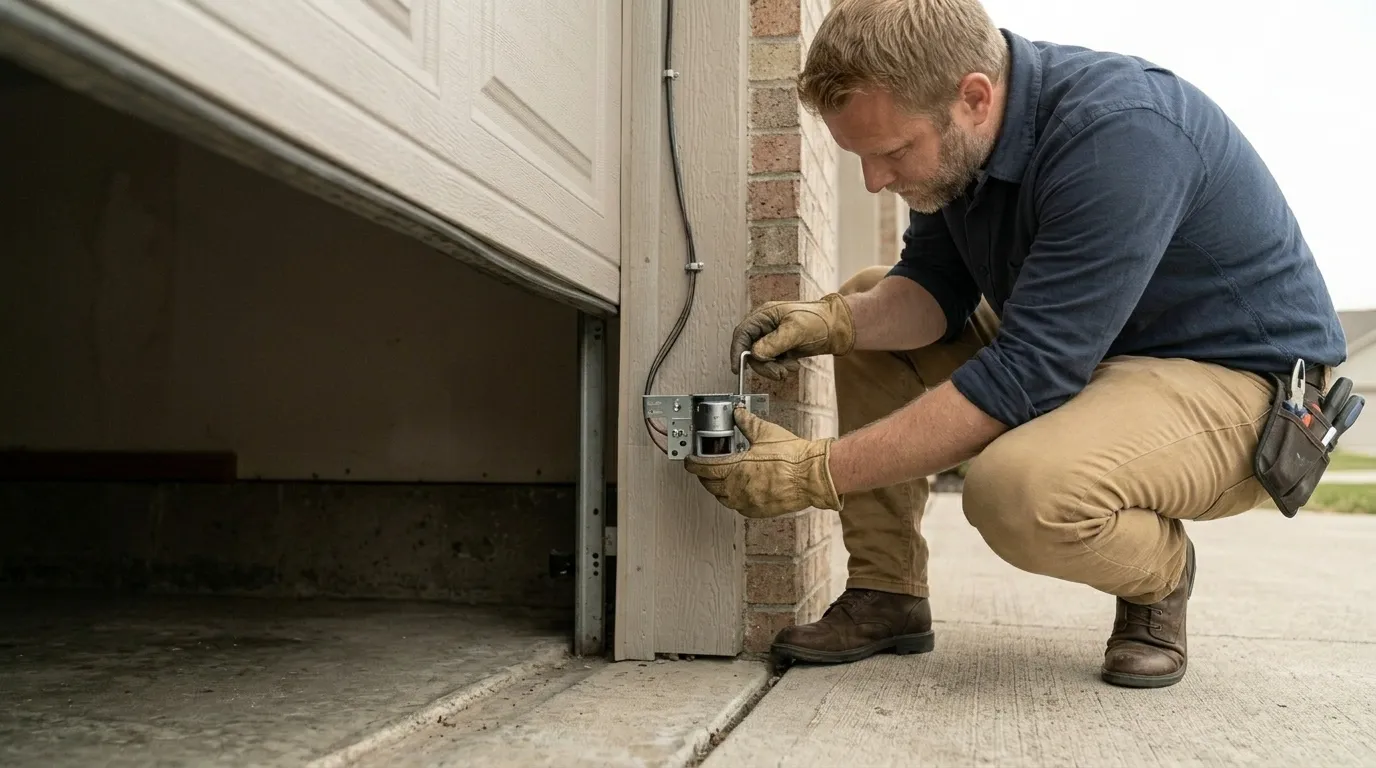
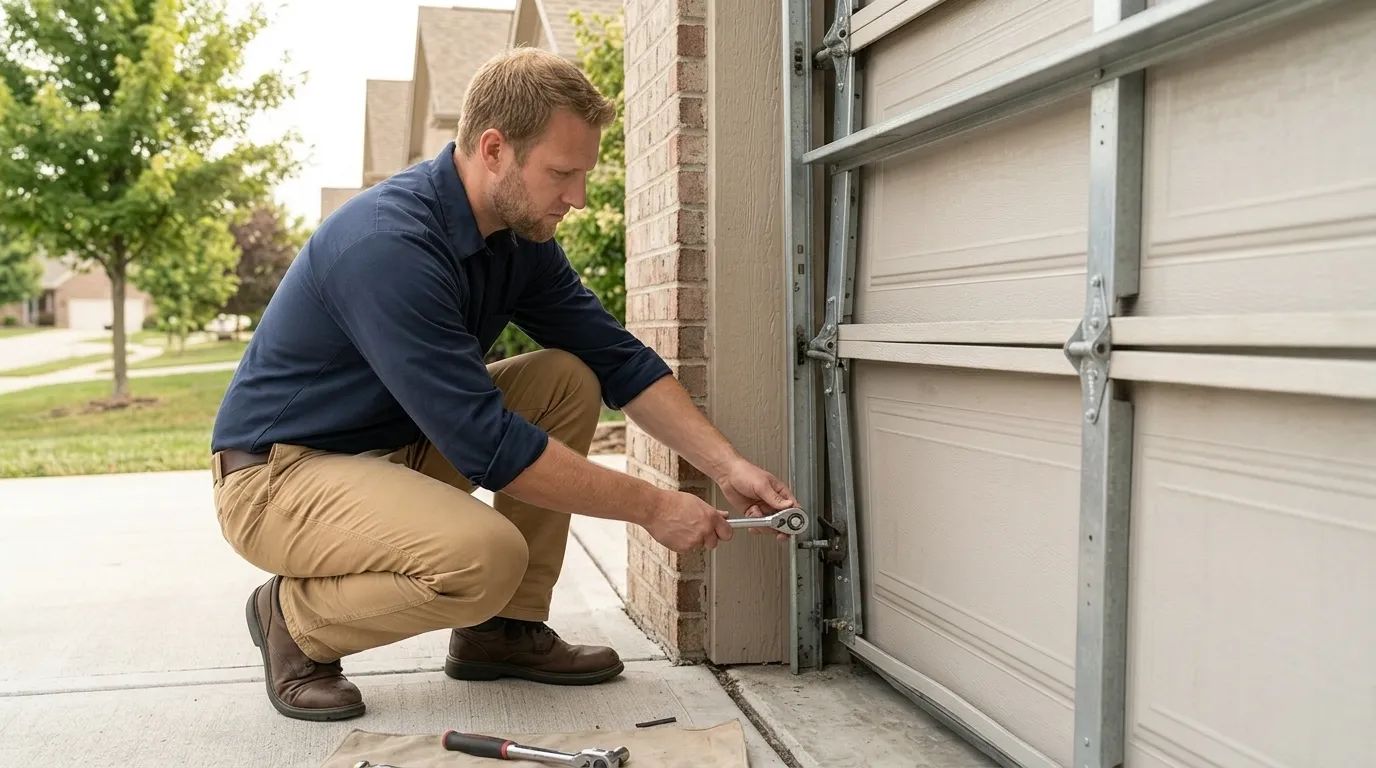
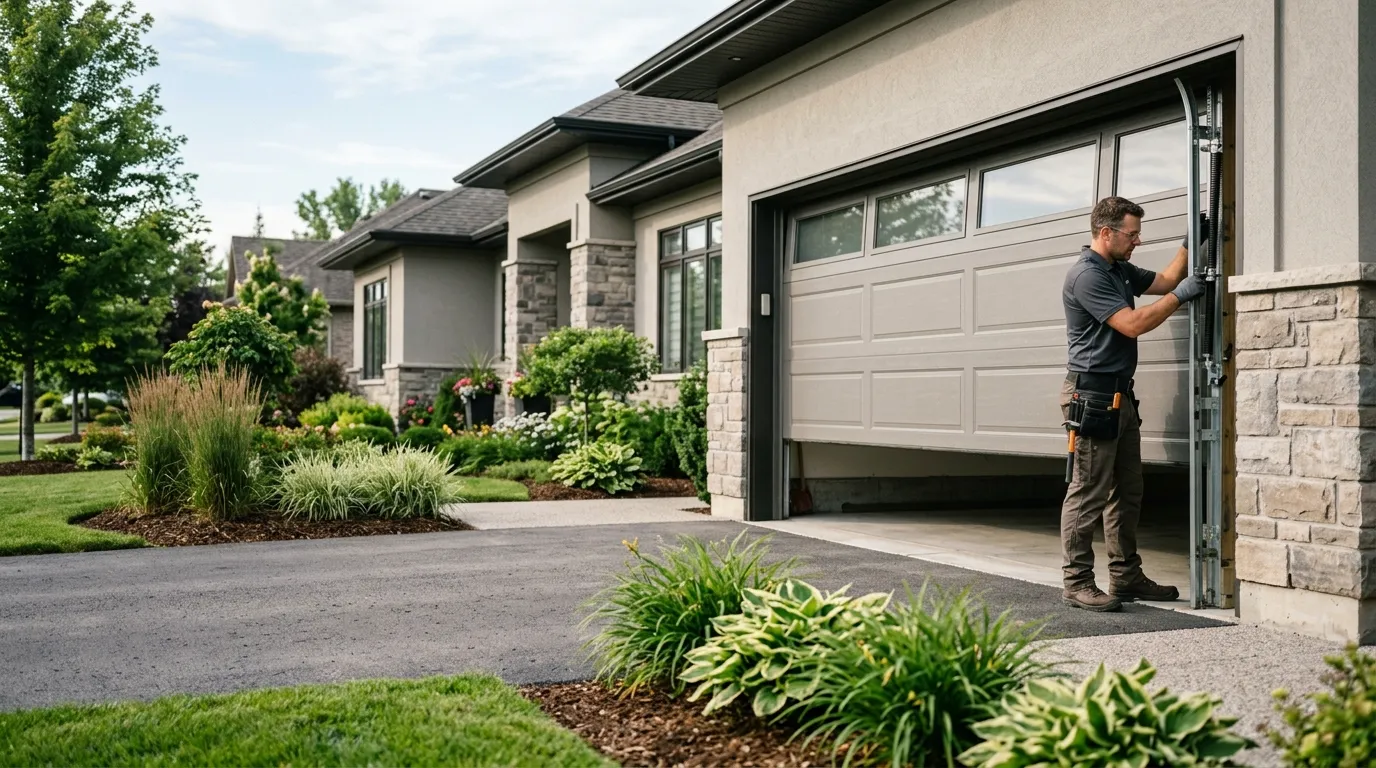
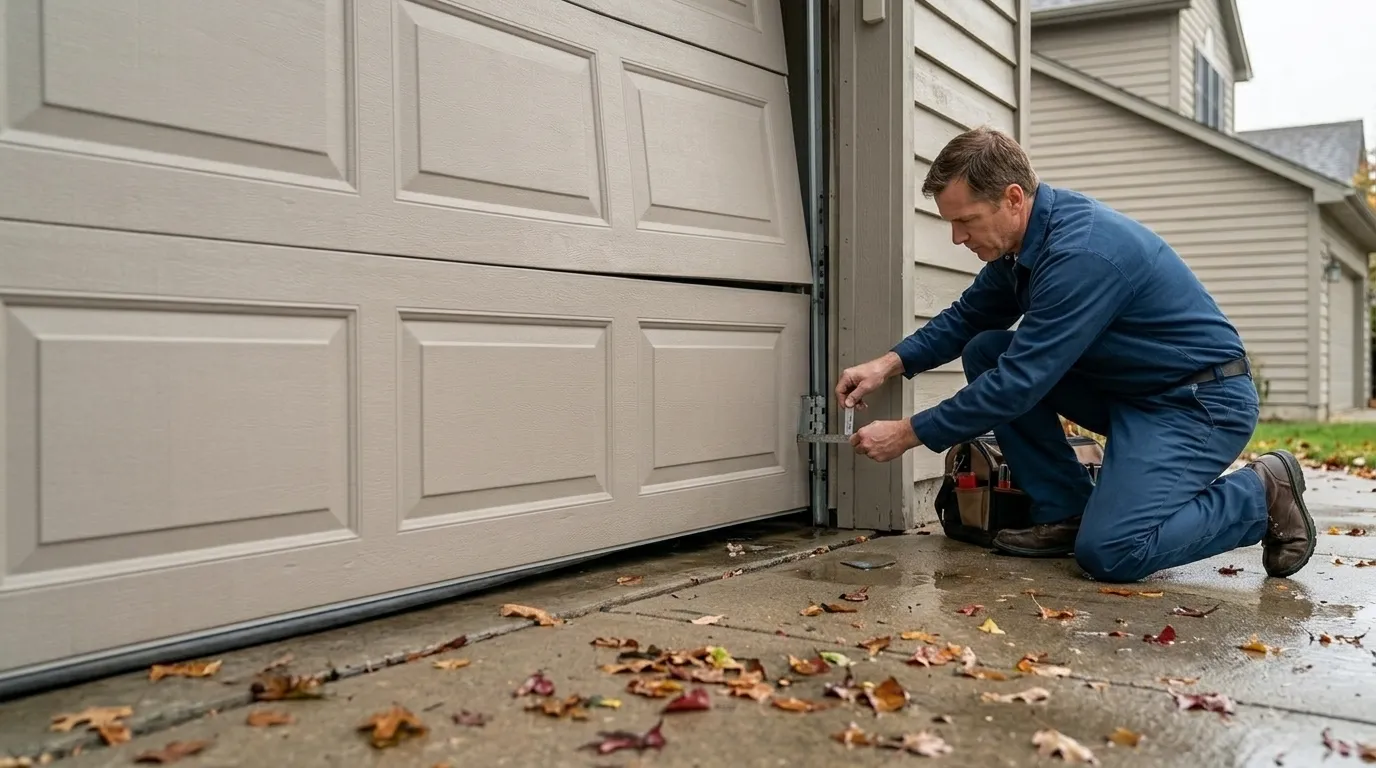
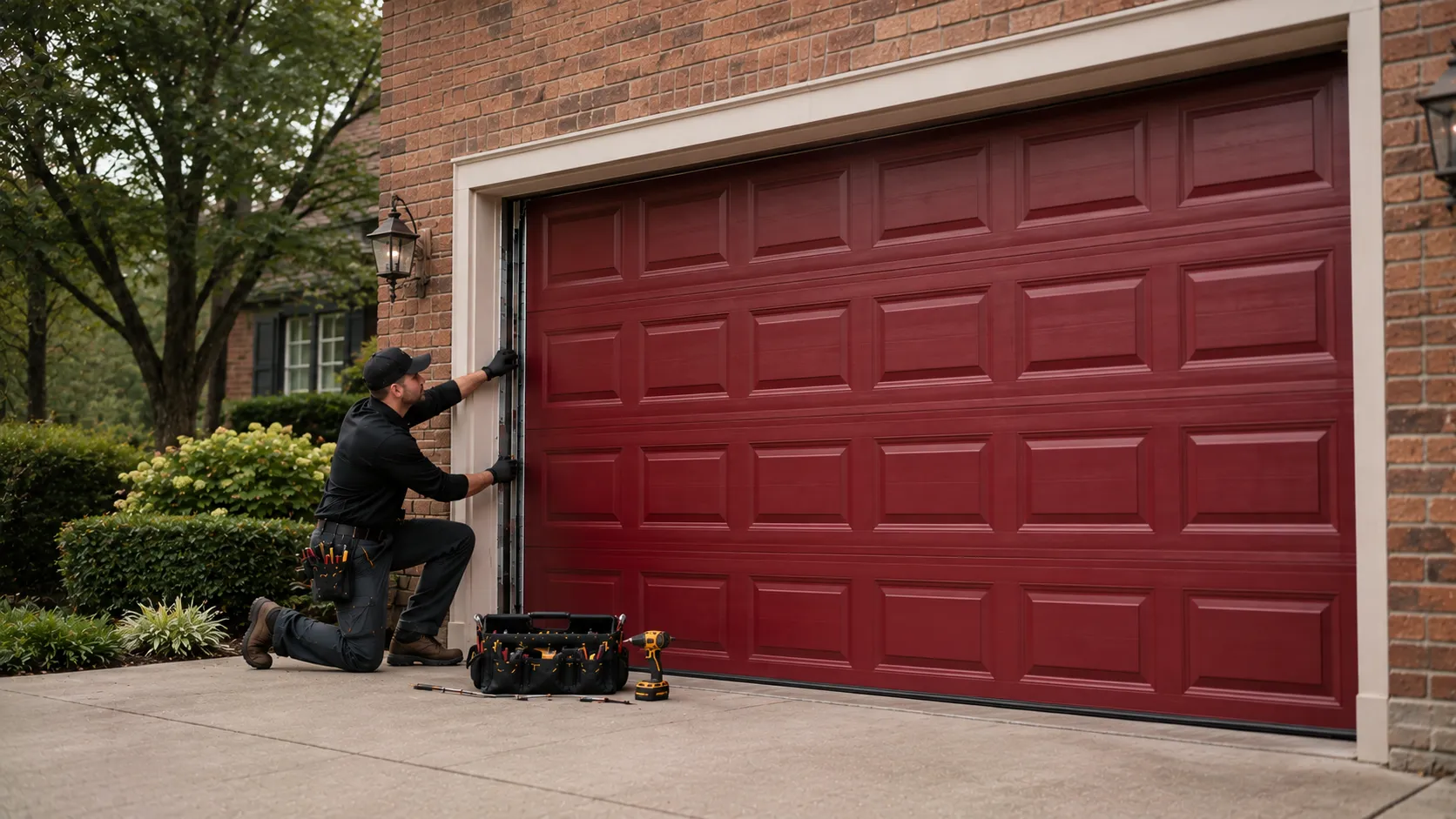
Given the age of the stock, the calls we get from Baltimore lean toward spring and hardware repair rather than full replacements. Extension spring swaps, safety cable installs on doors that never had them, roller and hinge replacement on original steel panels, and opener upgrades bolted onto tracks that predate the opener by decades - that's the bulk of the work. We'll be honest about when a repair isn't worth it: if the track is bent past true or the panel steel has rusted through at the bottom, patching it just delays a replacement you'll pay for twice. But for most of the 60s-era doors we see here, the hardware can be brought up to a safe, working standard without replacing the door itself, and that's usually the cheaper and faster path for a household budget like the area's median.