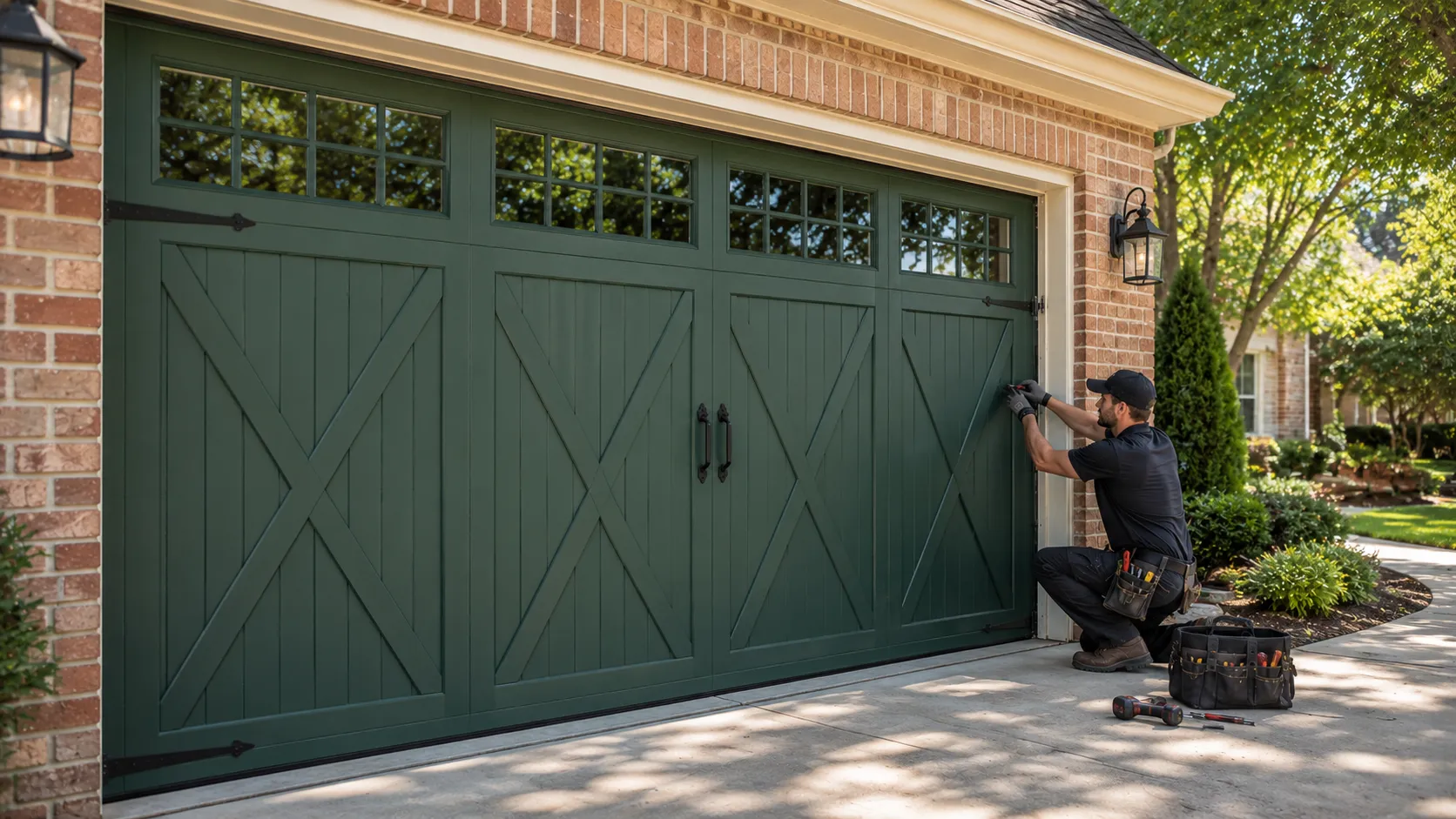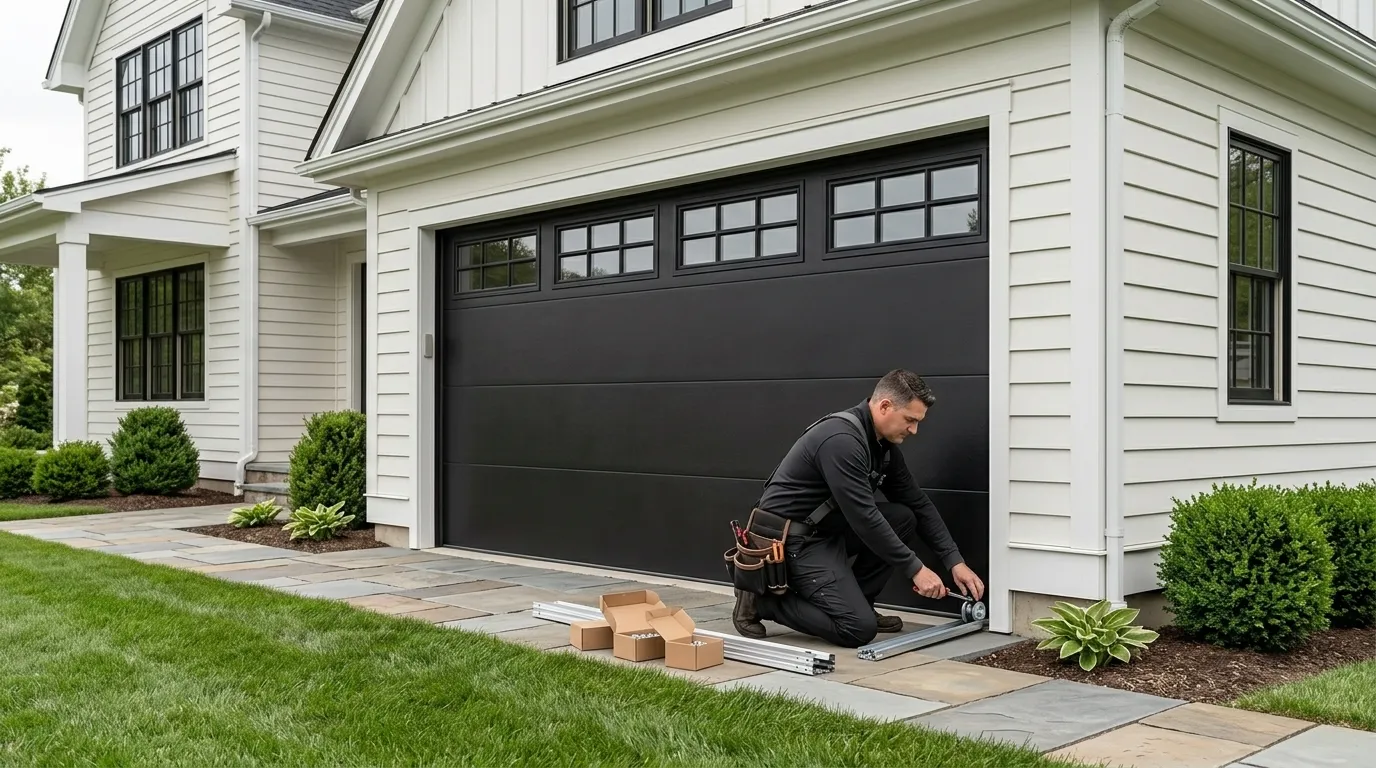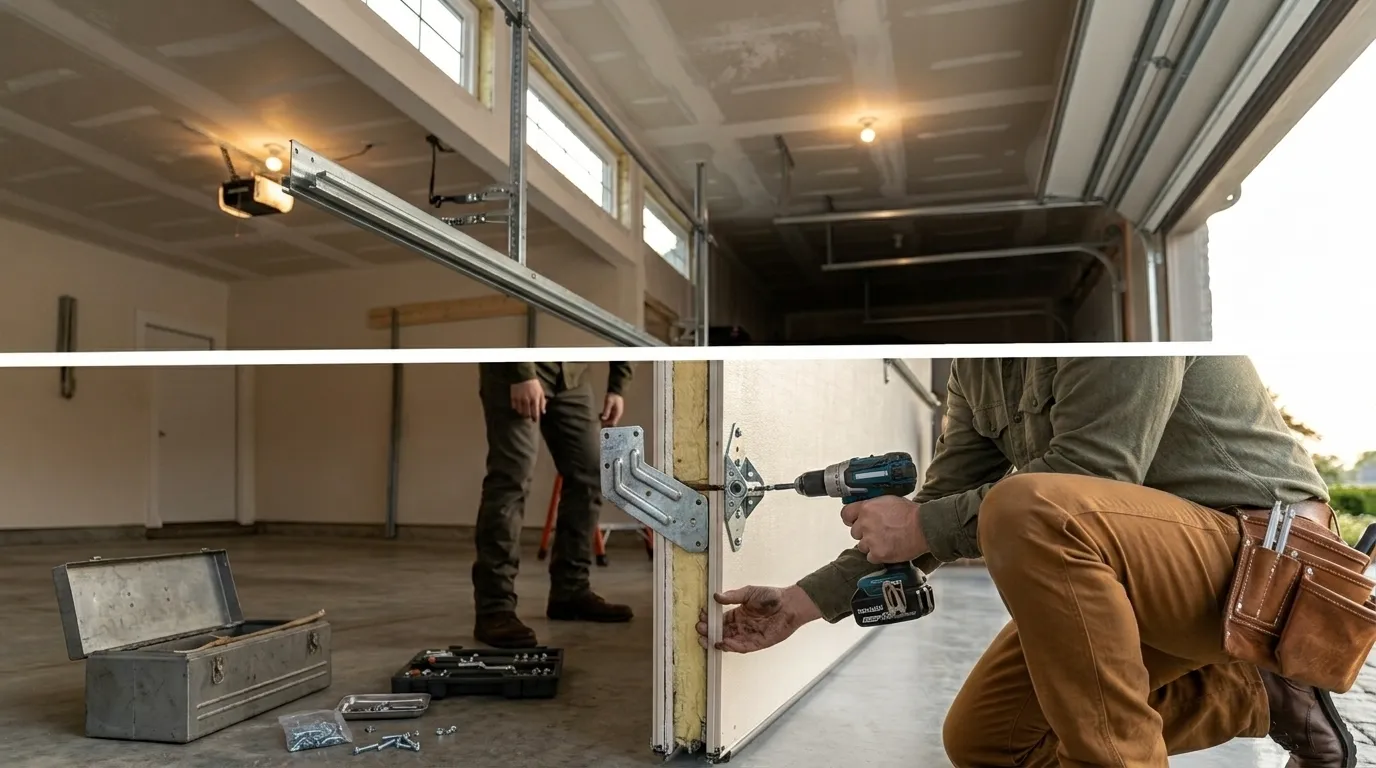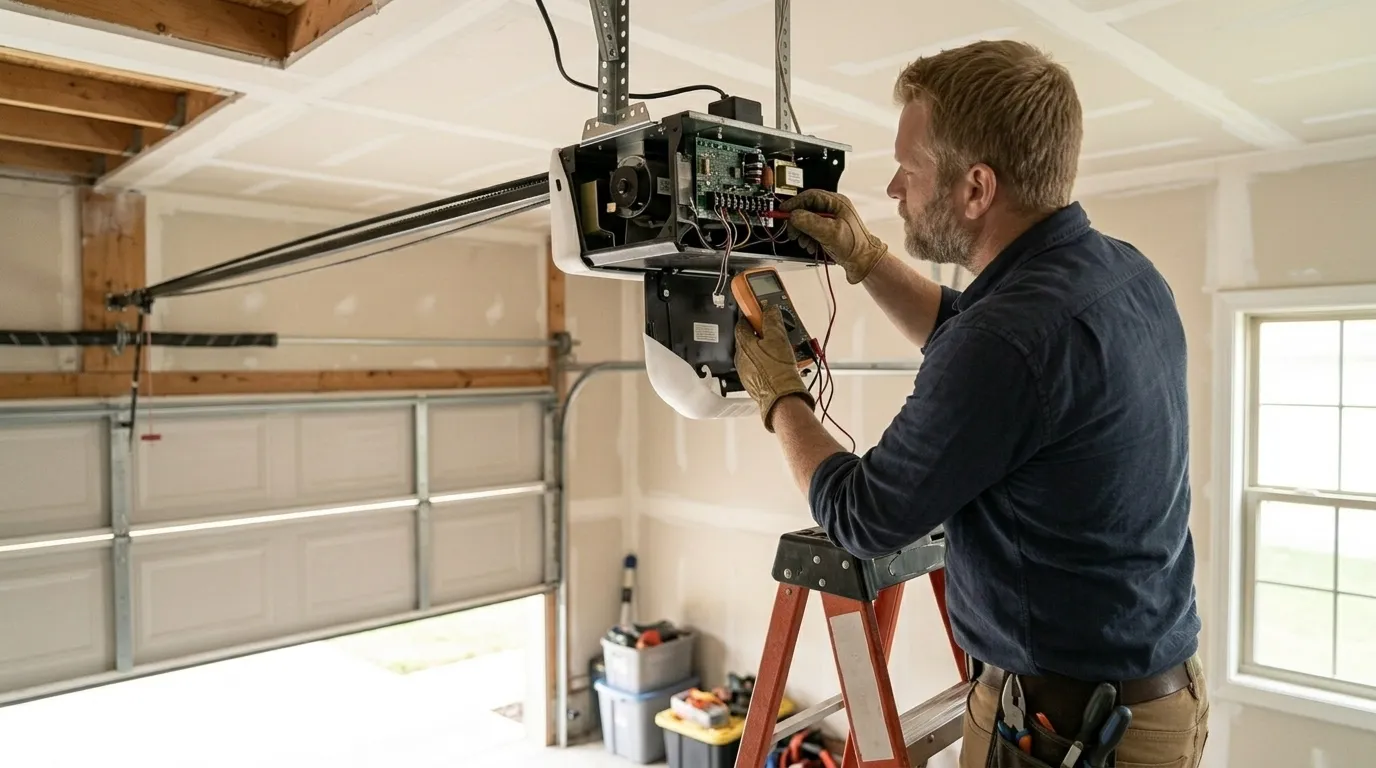
What Was Built Here
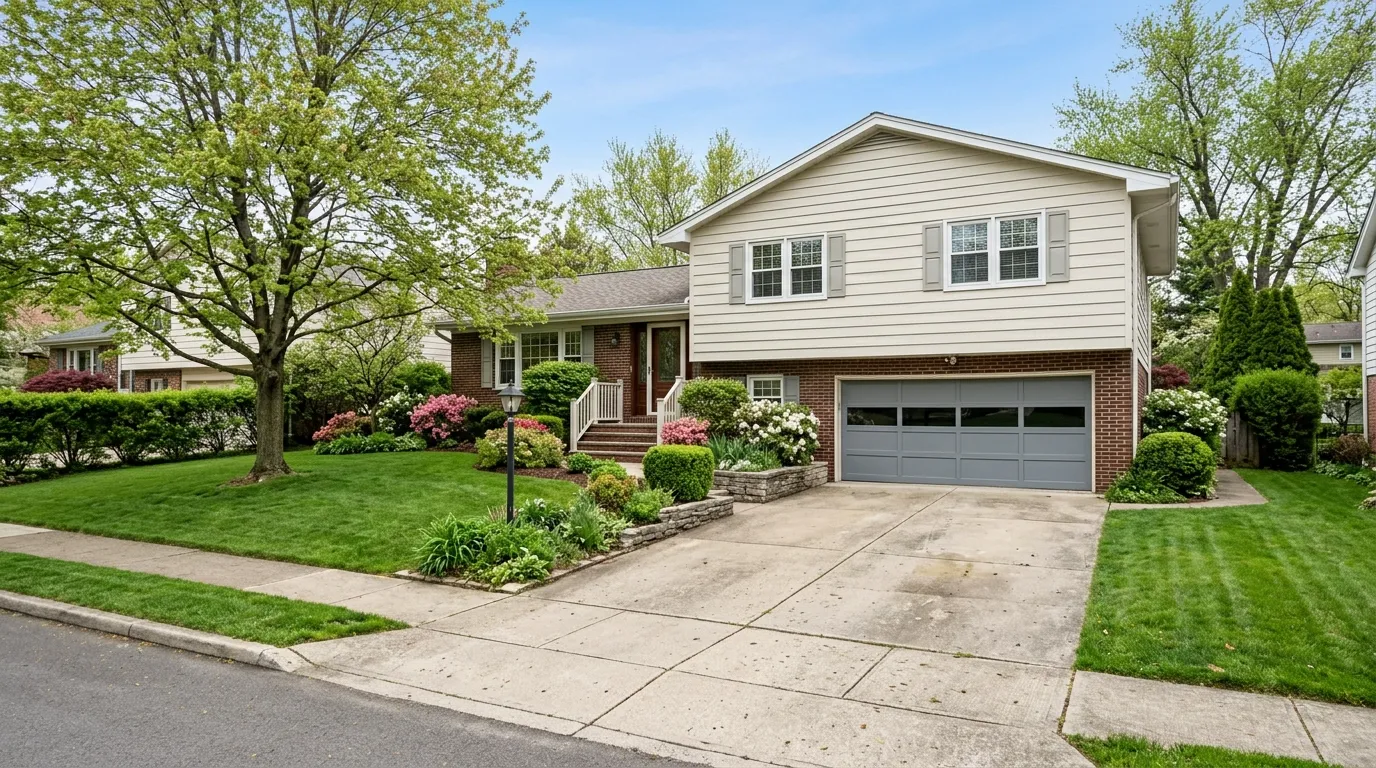
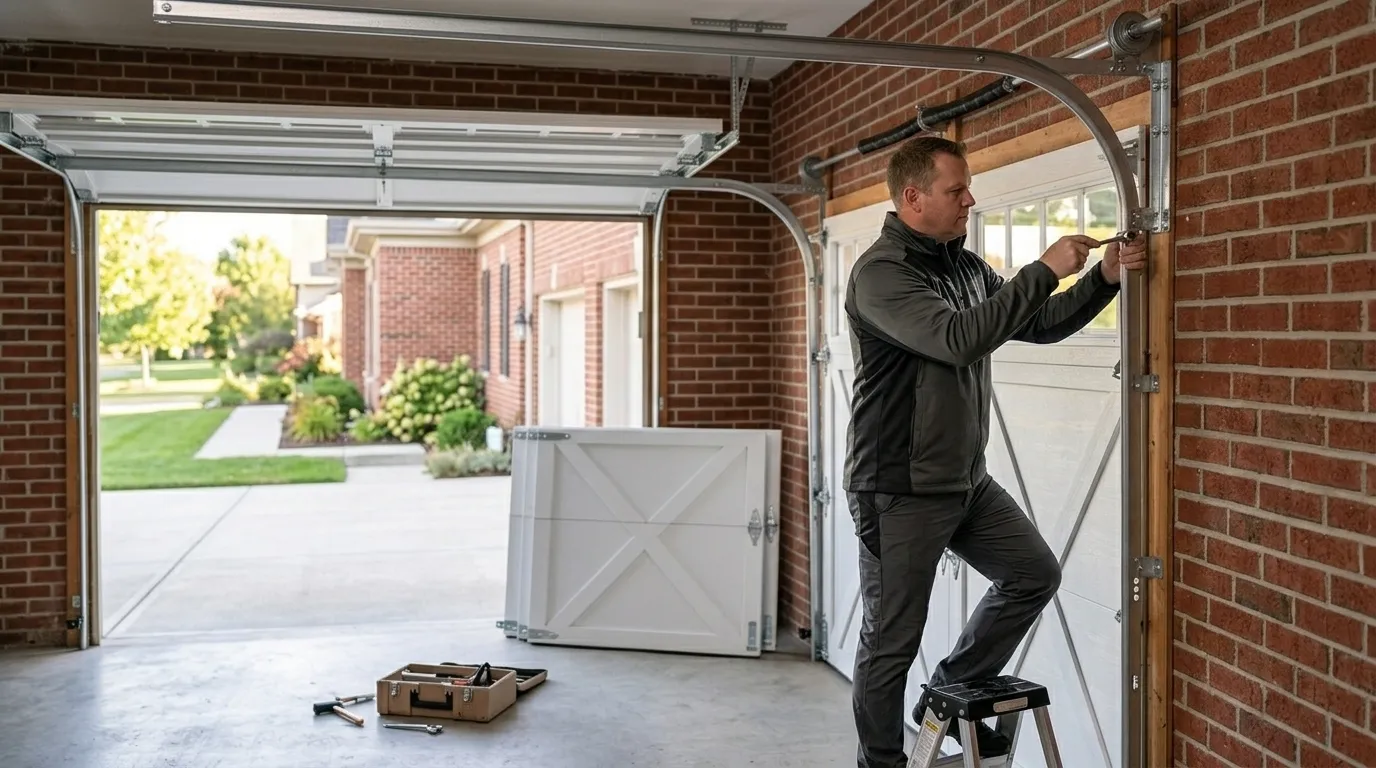
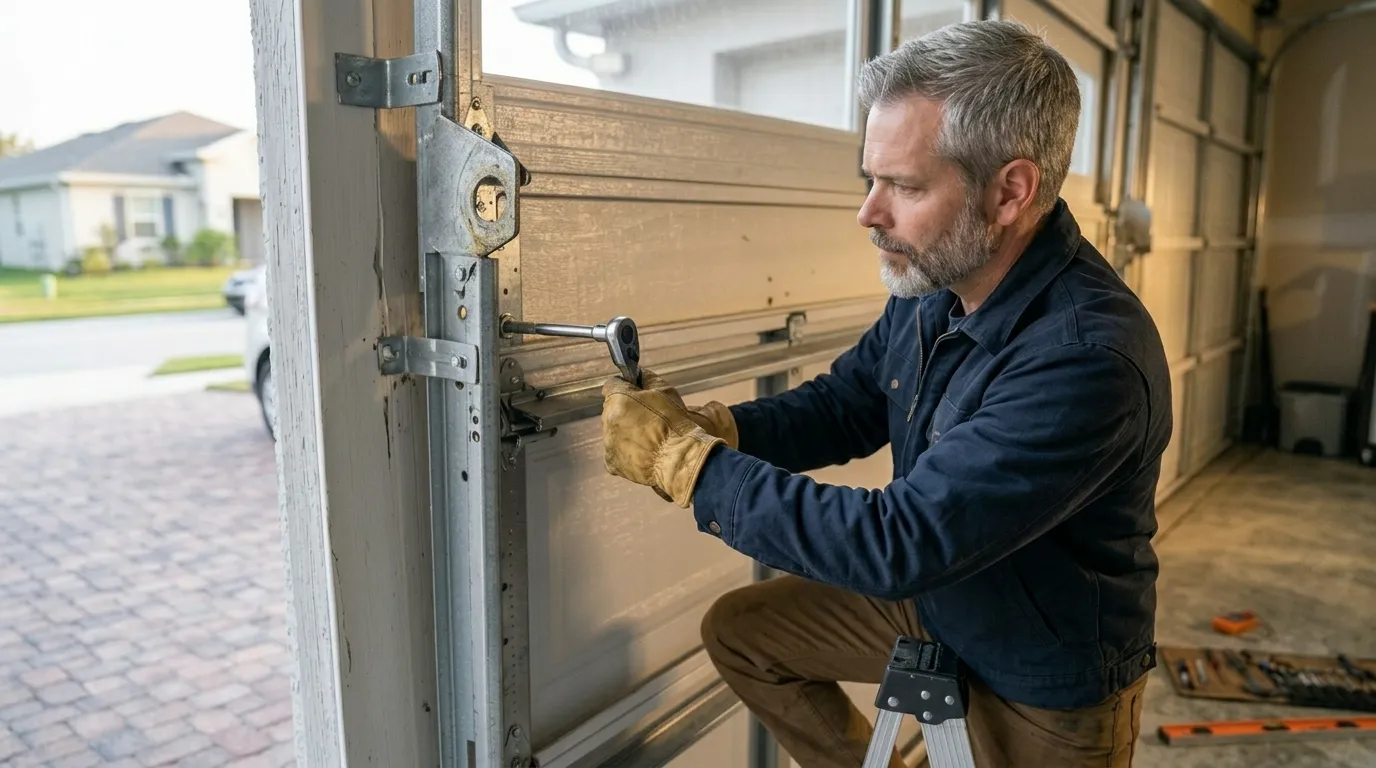
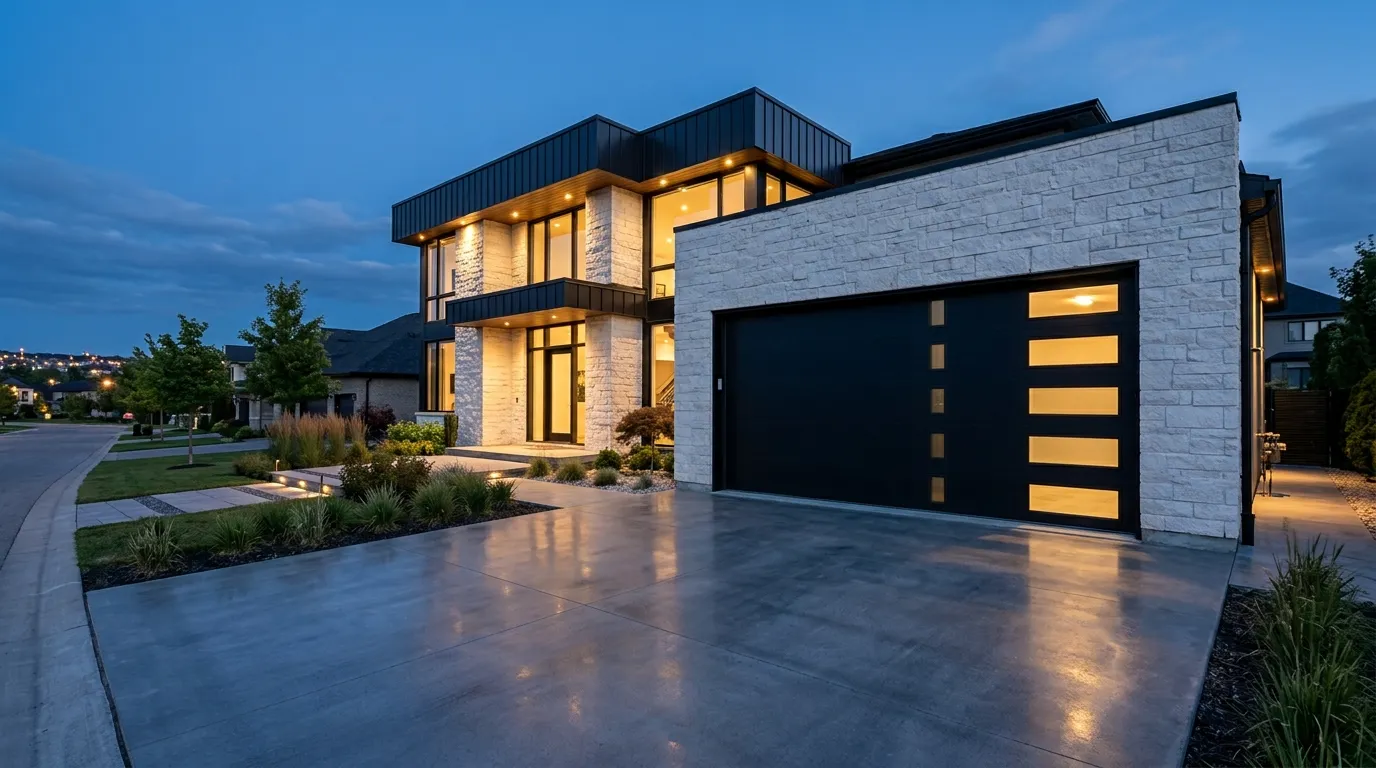
New Albany breaks the pattern we see almost everywhere else we work. Across the wider service area the typical house went up back in 1976, with stock stretching from 1938 to 2005. New Albany sits at the far end of that range - the median home here was built around 2005, which puts most doors and openers in this area two to three decades newer than what we pull parts for in the older parts of our territory. That matters more than it sounds. A door installed in the early 2000s is likely to have a steel torsion setup with a chain or belt-drive opener already wired for a wall control, not the older extension-spring, screw-drive units common in pre-1970s constructions. We're not chasing rust-frozen hardware from the Ford administration here. We're dealing with doors that are old enough to need a spring replacement or a sensor swap, but young enough that most parts are still in production. That's a good problem to have, and it changes what a service call in New Albany usually looks like compared to older neighborhoods nearby.
Getting Here
New Albany is about 19 miles from our shop in Newark, generally the longest run we make on a regular basis - Heath and Granville sit at 4 miles, Hebron and Hanover at 8, so New Albany is toward the far edge of where we head out regularly. We don't keep a second location or a drop box in New Albany; every truck comes from Newark, so if you're booking a same-day slot, factor in that drive time when the shop gives you a window. It's also worth knowing we're covering ground from Newark out to places like Baltimore and Somerset in the same radius, so scheduling around a 19-mile trip is normal for us, not an exception. If a job needs a part we don't carry on the truck, that return trip adds a day - something to plan around if a spring lets go on a Friday afternoon.
What We Do Most in This Area
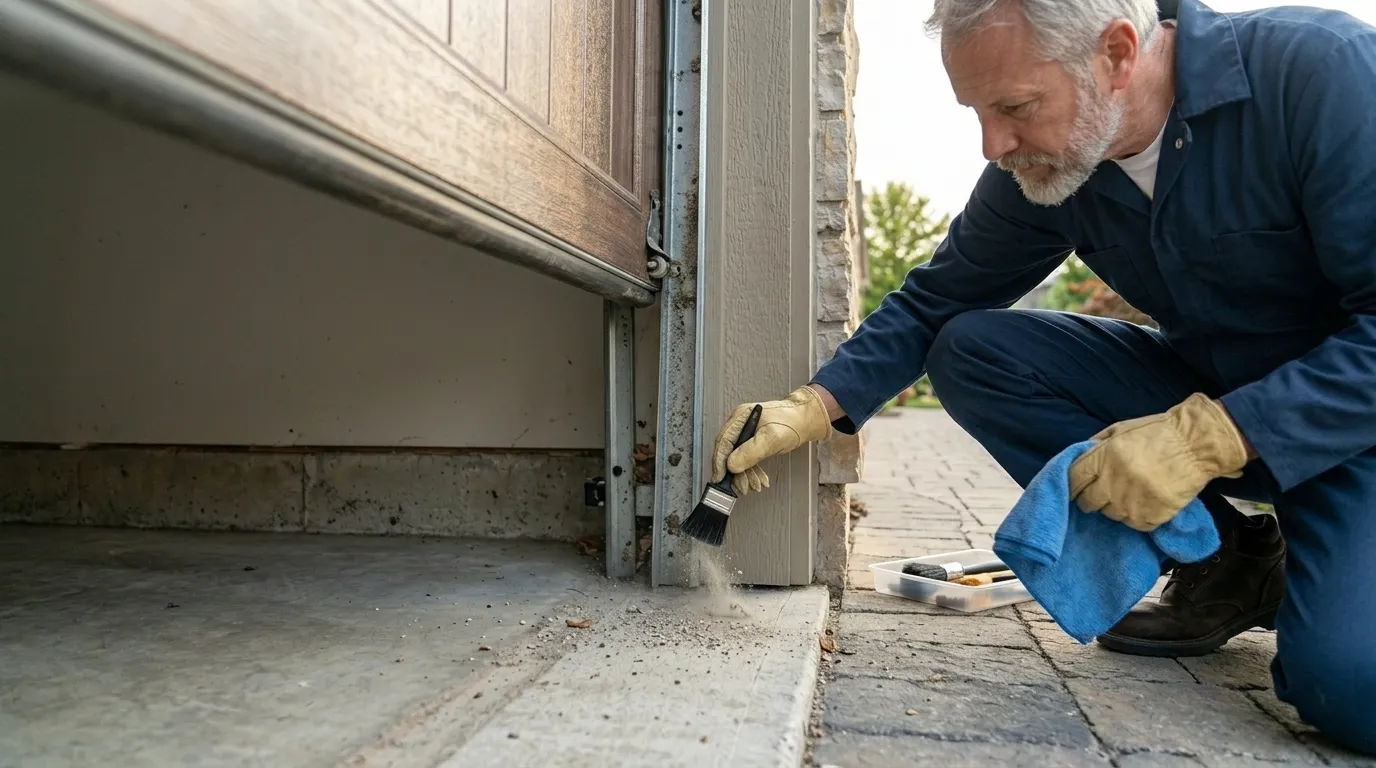
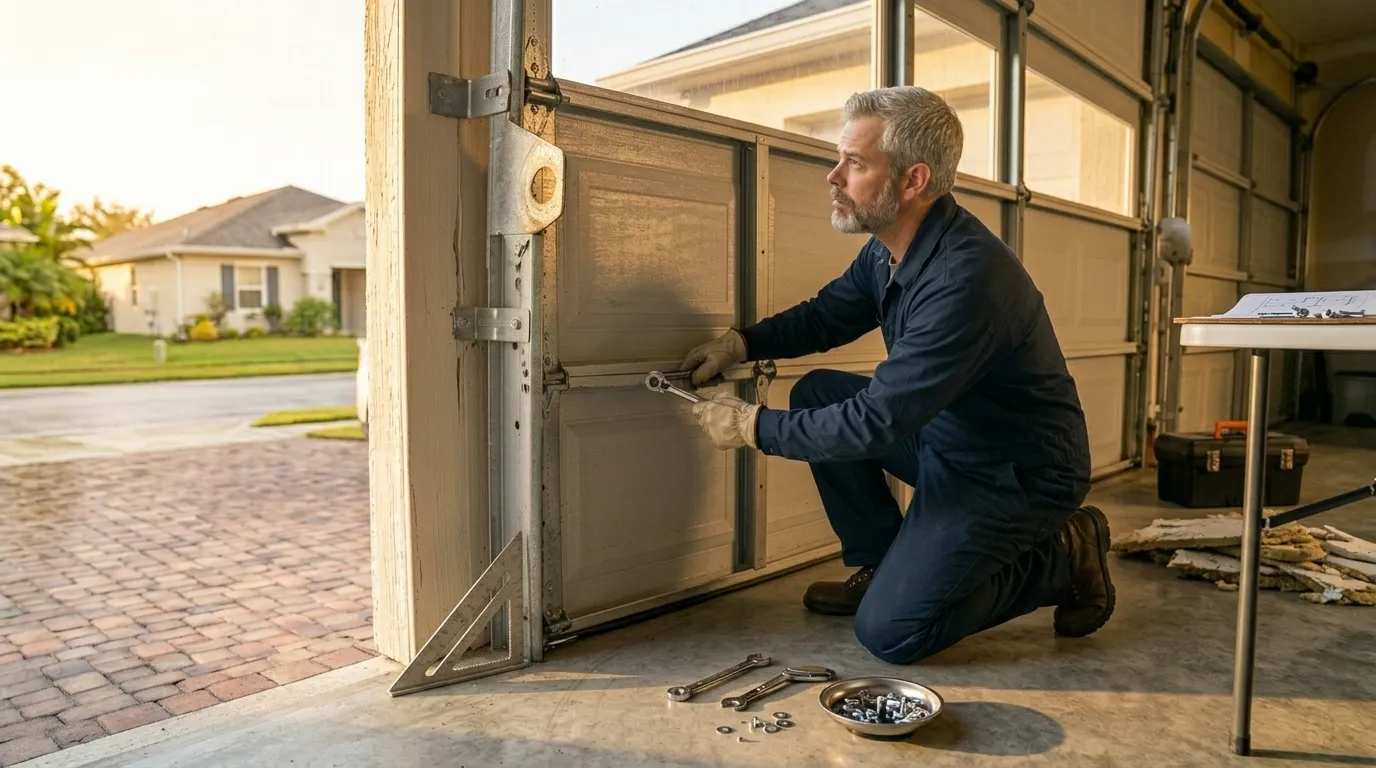
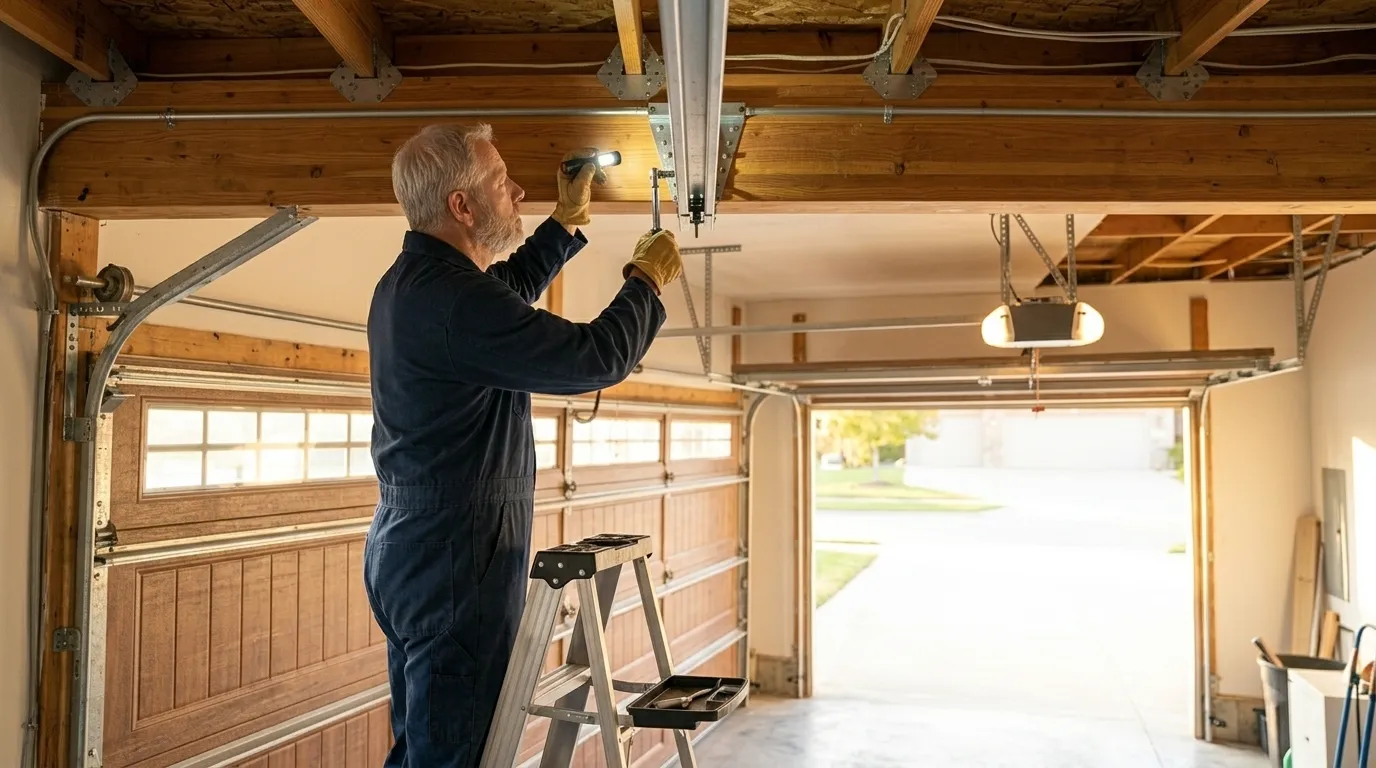
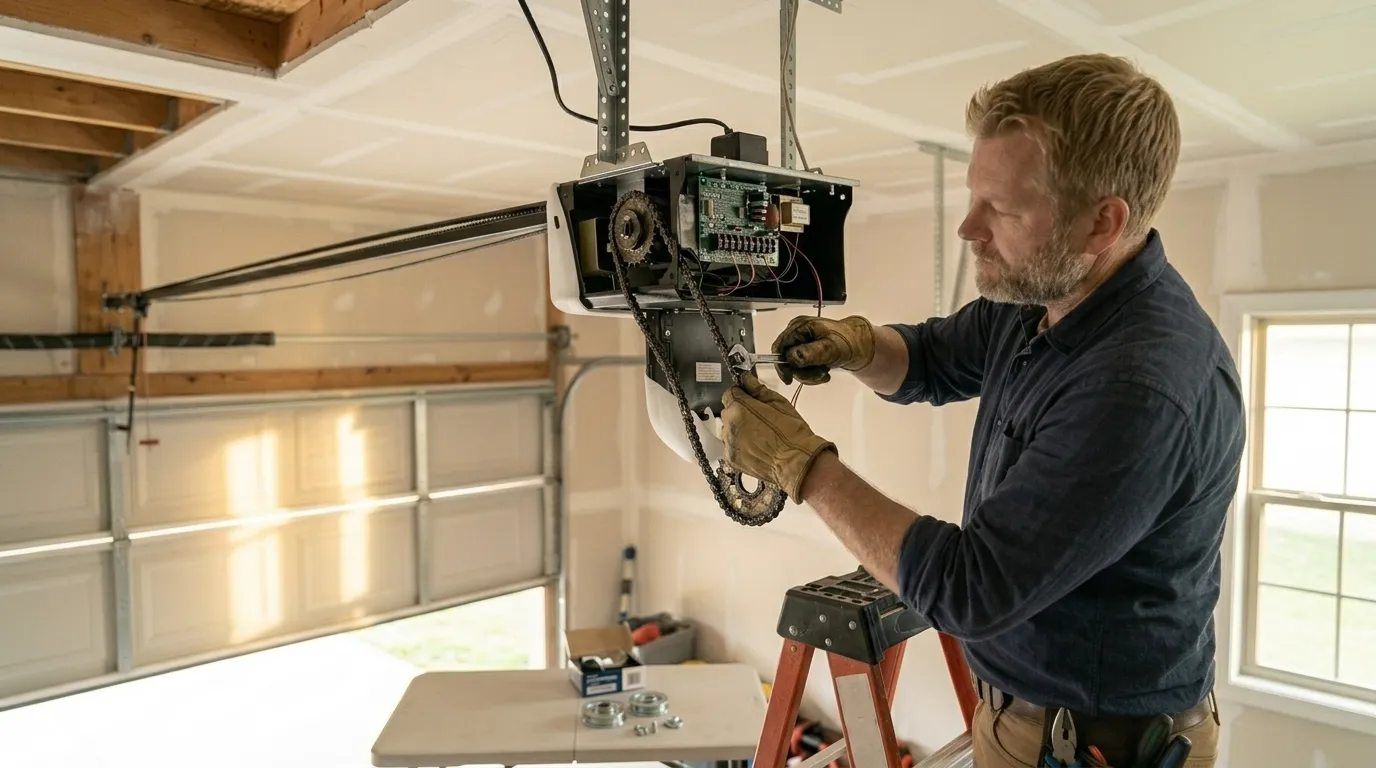
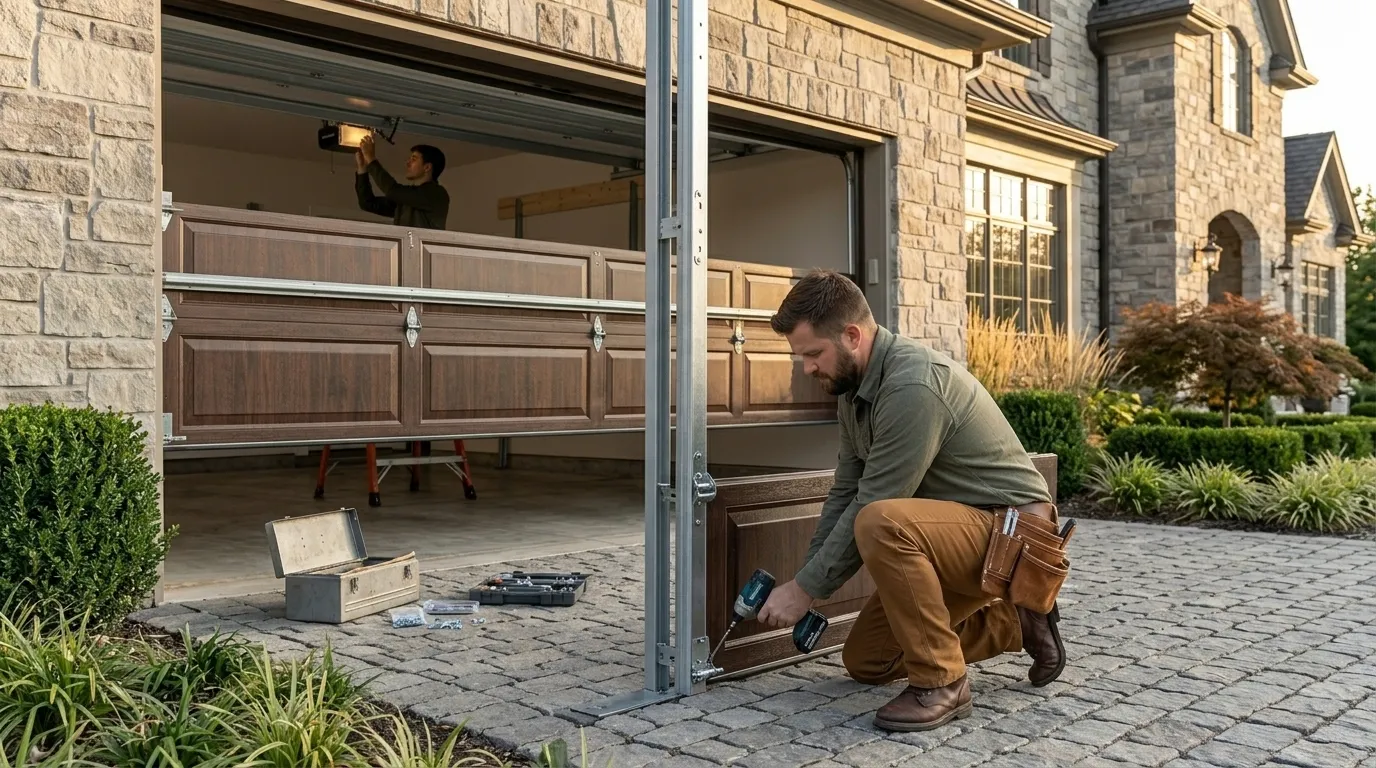
In New Albany specifically, the calls skew toward torsion spring replacement on doors reaching 12-20 years old, opener circuit board or logic failures, and sensor alignment issues rather than full hardware overhauls. We also get more requests here for opener upgrades - swapping a chain-drive for a belt-drive unit for noise, or adding battery backup - than we do in older parts of our coverage where the conversation is usually about replacing a whole door. Track and roller wear shows up less often here simply because the housing stock hasn't had decades to accumulate rust and warping the way older builds have. When we do get a full replacement call in New Albany, it's more often driven by a homeowner wanting a design or insulation upgrade than by the old door failing outright.